
营销

Search documents
雷军谈“营销大师”称号:本是玩笑话却被利用,现在听到营销这两个字都有点恶心
Xin Lang Cai Jing· 2026-01-07 17:12
炒股就看金麒麟分析师研报,权威,专业,及时,全面,助您挖掘潜力主题机会! (来源:智通财经) 1月7日晚,小米创始人雷军在直播中回应"营销大师"的标签,称该说法源于一档娱乐节目中京东创始人 刘强东的玩笑话,后来被放大并遭竞争对手利用。 雷军直言,"营销"本是中性词,如今却被污名化, 自己现在听着都有点恶心。 ...

雷军全面回应“营销大师”标签:娱乐节目中刘强东团队开个玩笑,被人放大利用,现在听到营销两个字都有点恶心
Mei Ri Jing Ji Xin Wen· 2026-01-07 16:45
1月7日晚间,小米集团创始人、董事长、CEO雷军开启直播。 谈到新一代SU7涨价,雷军表示:"新一代SU7从里到外都有大的进步,在今天整个成本大涨的情况下很难做到加量不加价,而且我们加了好几万的配置, 所以肯定做不到,也请朋友们能够谅解,当然我看到更多的评论是觉得这个预售价非常非常厚道。" 每经编辑|金冥羽 雷军再次谈及小字营销:"我被小字营销搞怕了,所以我现在要求他们力求准确。网友们觉得哪里不对就立刻投诉,督促去改。" 对于"营销大师"的标签,雷军回忆称,"营销大师"这个标签源于2013年或2014年一档娱乐节目,节目中两个团队PK,一个由他领队,另一个由刘强东领 队。对方小组商量千万别跟雷军比营销,理由是他能卖出几十万台手机,后来这一说法就被放大了。 "现在我一听到'营销'这两个字,都有点恶心。要是友商说小米营销做得好,那多半是污蔑,或者带有恶意。"雷军坦言,当初在节目里那样说只是为了制 造效果,本就是开玩笑,没想到被友商和竞争对手加以利用。 "实话实说,我觉得营销是个中性词,其实营销做得好,显然在正常的情况下是一种夸奖。但对我这样一个工程师,对小米这样一个技术公司说只靠营 销,各位你细品。" 雷军还调侃 ...


雷军回应“营销大师”标签
Shang Hai Zheng Quan Bao· 2026-01-07 16:04
"实话实说,我觉得营销是个中性词。其实,营销做得好,显然在正常的情况下是一种夸奖。但对我这 样一个工程师,对小米这样一个技术公司来说只靠营销,大家不妨仔细琢磨琢磨。"他说。 图源:雷军视频号 "营销不是坏事,但是产品是基础。我们在小米研发和产品上花的精力远超大家想象。"小米集团创始 人、董事长兼CEO雷军在1月7日晚的直播中谈及"营销大师"的标签。 图源:雷军视频号 雷军回忆称,"营销大师"这个标签源于2013年或2014年一档娱乐节目,节目中两个团队PK,一个由他 领队,另一个由刘强东领队。对方小组商量千万别跟雷军比营销,理由是他能卖出几十万台手机,后来 这一说法就被放大了。 "现在我一听到'营销'这两个字,都有点恶心。要是友商说小米营销做得好,那多半是污蔑,或者带有 恶意。"雷军坦言,当初在节目里那样说只是为了制造效果,本就是开玩笑,没想到被友商和竞争对手 加以利用。 "保护用户是企业的底线,必须坚定地站出来维护用户和车主的利益。绝不与诋毁车主的KOL合作。同 时,雷军承认公关部在处理此次事件中存在不足,公司因此决定对其进行批评和处罚。"雷军坦言,希 望大家给予公关部改过的机会,并呼吁米粉朋友们保持理性, ...

雷军回应“一个杯子开15次会”:并不是专门为杯子开会
Sou Hu Cai Jing· 2026-01-07 14:41
Group 1 - The founder, chairman, and CEO of Xiaomi, Lei Jun, responded to the controversy regarding the "15 meetings for a cup" by stating that there were at least 16 meetings where the product was discussed, although the meetings were not solely focused on the cup [1] - Lei Jun addressed the label of "marketing master," explaining that it originated from a competitive entertainment program where his team was noted for selling hundreds of thousands of phones, which was later exaggerated by competitors [3] - He expressed discomfort with the term "marketing," indicating that when competitors praise Xiaomi's marketing, it is often meant as a derogatory comment or malicious intent [3]

雷军谈被贴“营销大师”标签:这事得“怪刘强东”
Sou Hu Cai Jing· 2026-01-07 14:30
雷军指出,营销本身是一个专业领域,是一个中性词。任何公司都需要营销,但将小米的成功归因于营 销,而忽视其产品的技术实力,是一种片面甚至恶意的污蔑。他强调,小米的成功源于出色的产品,而 不是单纯的营销策略。 1月7日,雷军在直播中回应了他被贴上"营销大师"标签一事。 雷军更是表示,现在听到"营销"两个字时,自己甚至会感到不适,因为这种标签被恶意利用,误导了消 费者。他呼吁营销行业的从业者尊重这一专业领域,不要将营销污名化。 雷军提到,这一标签源于2013年或2014年的一个娱乐节目,当时他和刘强东分别领导两个团队进行 PK。节目中刘强东的团队表示"不要和雷军比营销",因为雷军能卖几十万台手机。这一说法被放大 后,被竞争对手利用,成为攻击小米的一种手段。雷军还笑着说,有机会见到刘强东会好好讨论这件 事。 此外,在直播中雷军还笑称,不如将2026跨年演讲主题定为"营销"。 ...
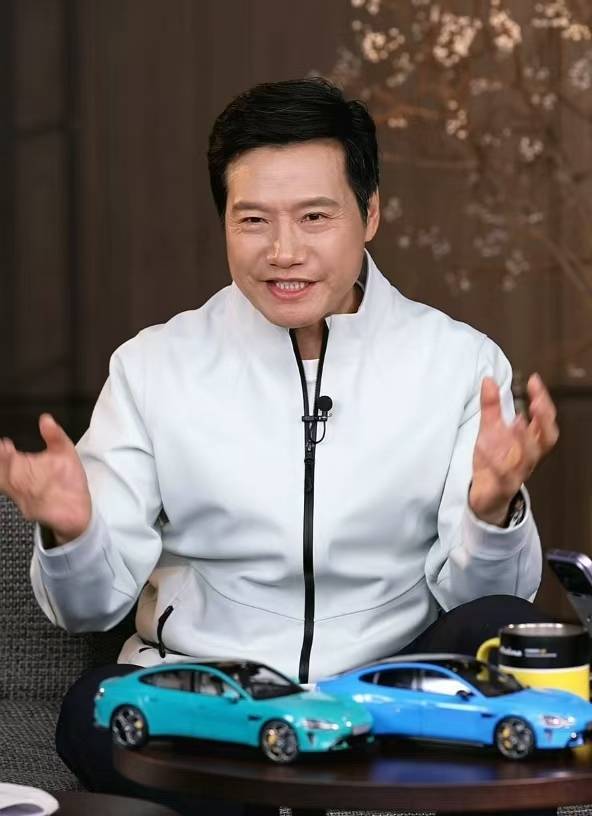
雷军回应“营销大师”标签:和刘强东开玩笑 后来被竞争对手利用了
Xin Lang Cai Jing· 2026-01-07 14:08
Core Viewpoint - The founder and CEO of Xiaomi, Lei Jun, discussed the label of "marketing master" during a live broadcast, explaining its origins and implications for the company [1]. Group 1: Marketing Perception - Lei Jun recounted that the "marketing master" label was attributed to him during a competitive entertainment program about 13 or 14 years ago, where his ability to sell hundreds of thousands of phones was highlighted [1]. - He expressed discomfort with the term "marketing," suggesting that it has been misused by competitors to undermine Xiaomi's reputation, indicating that praise for Xiaomi's marketing is often insincere or malicious [1]. - Lei Jun emphasized that while marketing can be a neutral term and a compliment when done well, it is misleading to suggest that a technology company like Xiaomi relies solely on marketing [1].
雷军:现在听到营销两个字都有点恶心
Xin Lang Cai Jing· 2026-01-07 14:08
Core Viewpoint - The founder and CEO of Xiaomi, Lei Jun, discussed the label of "marketing master" during a live broadcast, explaining its origins and implications for the company [1]. Group 1: Marketing Perception - Lei Jun recounted that the "marketing master" label was attributed to him during a competitive entertainment program about 13 or 14 years ago, where his ability to sell hundreds of thousands of phones was highlighted [1]. - He expressed discomfort with the term "marketing," suggesting that it has been misused by competitors to undermine Xiaomi's reputation [1]. - Lei Jun clarified that while effective marketing can be a compliment, it is misleading to suggest that Xiaomi relies solely on marketing, especially given the company's engineering and technological focus [1].
25岁亿万富翁:好韭菜,大师割
Sou Hu Cai Jing· 2025-12-25 04:32
1997年,一个24岁的年轻人,花5000元买下一项矫正驼背的专利,当时没有人能料到,这个名为"背背佳"的产品,将在一年后,将年轻人推上「中国最年 轻亿万富翁」的位置。 而这,仅仅是他漫长创业生涯的开端。 从背背佳、好记星、E人E本、8848钛金手机,到如今占据茶桌的小罐茶,这些散落在不同人生阶段、却总能精准击中一代人需求的产品,背后站着同一 个名字,"营销鬼才"杜国楹。 杜国楹的人生可谓跌宕起伏,25岁成为亿万富翁,27岁负债4600万,29岁还清负债东山再起。有人总结他的创业模式,"做起来赚钱后就立马退出,进攻 新领域",而每一次,他都能踩中时代的脉搏,精准拿捏人性。 在中国加入WTO掀起全民学英语的热潮下,好记星以学英语"不用死记硬背"的特点,打败市面上主攻查单词的电子词典; 在iPad横空出世的年代,E人E本却靠广告轰炸,硬是炸出三年销售额超10亿的业绩; 在iPhone6s刚刚上市的年代,8848钛金手机却在第一年,以远超iPhone的价格卖出10万部。 如今,杜国楹又以"小罐茶,大师作"的广告语,一举将茶叶的价格提高到令人咂舌的程度。 掀起一波又一波消费浪潮的同时,杜国楹也深陷舆论漩涡。有人说他编 ...

雷军“网红营销”再升级:56岁生日发红包、95后AI少女站台,小米AI布局胜算几何?
Sou Hu Cai Jing· 2025-12-20 17:14
Core Viewpoint - Xiaomi is leveraging the presence of AI talent, specifically the young AI expert Luo Fuli, to enhance the visibility of its newly launched AI model, Xiaomi MiMo-V2-Flash, despite skepticism regarding the actual contributions of Luo to the model's development [5][10][18] Group 1: Xiaomi's AI Model Launch - Xiaomi officially launched its self-developed AI model, Xiaomi MiMo-V2-Flash, which is claimed to perform comparably to DeepSeek-V3.2 [3][9] - The initial version of the MiMo model was open-sourced on April 30 but did not gain significant attention [9] - The MiMo-V2-Flash model reportedly reduces input costs to 0.7 yuan per million tokens, which is half of DeepSeek-V3.2's cost [42] Group 2: Talent Acquisition and Marketing Strategy - Luo Fuli, referred to as a "genius" in AI, was reportedly recruited with a salary of tens of millions, highlighting Xiaomi's strategy to attract top talent [3][5] - The marketing strategy appears to prioritize generating buzz around Luo's presence rather than focusing solely on the technical merits of the AI model [8][10] - Xiaomi's approach to marketing, reminiscent of past strategies, aims to create a strong public image of valuing technology and talent [11][13] Group 3: Challenges and Market Position - Despite the talent acquisition, Xiaomi is still considered a newcomer in the AI model space, facing competition from established players like Alibaba and Baidu [7][21] - The complexity and resource-intensive nature of AI model development necessitate more than just talent; significant computational resources and data are also critical [7][18] - Xiaomi's ongoing efforts in AI and other high-tech fields, such as electric vehicles and chip development, reflect its ambition to remain competitive in cutting-edge technology [21][29][32] Group 4: Future Considerations - Xiaomi's future success in the AI domain may depend on its ability to balance marketing with genuine technological advancements [40][44] - The company needs to shift public perception from being seen as a marketing-driven entity to one that is recognized for its technological capabilities [40][41] - Historical examples suggest that Xiaomi has the potential to achieve breakthroughs in new fields, but the outcome in the AI sector remains uncertain [51]
爱情里的营销哲学!
Sou Hu Cai Jing· 2025-12-07 01:39
Core Insights - The essence of marketing is compared to a romantic relationship, emphasizing that it involves complex interactions of recognition, feedback, competition, and timing rather than just selling products [4][5] Group 1: Marketing Dynamics - Direct selling is likened to a blunt proposal of wealth, which lacks emotional context and can appear abrupt [4] - Advertising is represented by a friend conveying one's wealth, highlighting the importance of trust and third-party endorsements in reducing communication costs [4] - Ideal marketing occurs when the consumer approaches the brand, indicating deep brand recognition and spontaneous demand generation [4] Group 2: Consumer Feedback and Market Constraints - Customer feedback is crucial for guiding marketing direction, as many brands fail by ignoring genuine consumer needs, leading to ineffective marketing strategies [4][5] - Market limitations, such as policy constraints and competitive barriers, are essential considerations in marketing decisions [5] Group 3: Long-term Marketing Strategies - The notion that there are no permanent customers, only ongoing value alignment, is illustrated by a scenario where a partner leaves for someone wealthier [5] - Post-failure analysis in marketing is essential for learning and improving future strategies, akin to reflecting on past experiences [5] - Delayed returns on investment and the eventual response from consumers after a period signify the importance of brand maturity and the power of sustained value [5][6]
