虚假宣传

Search documents
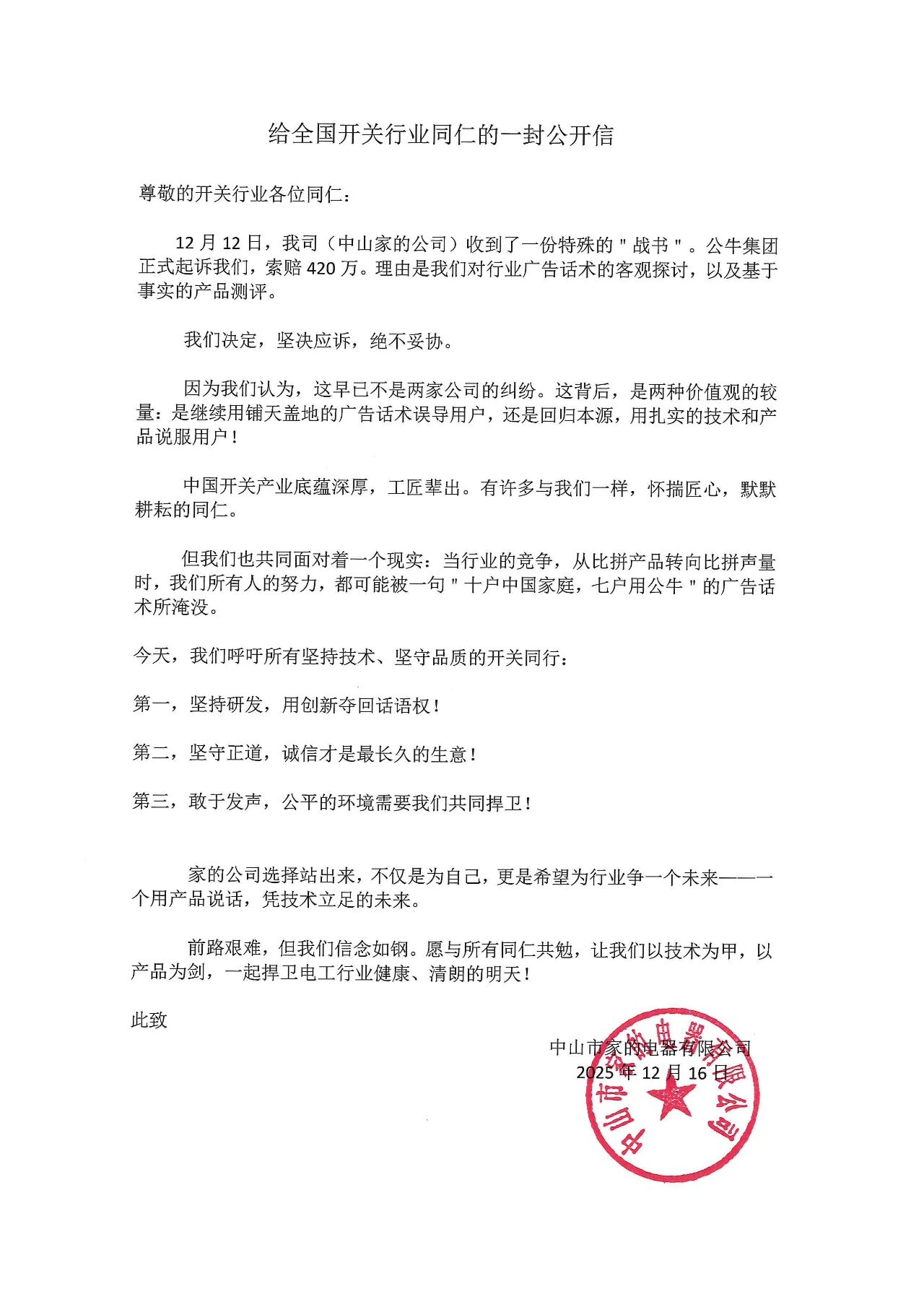
屡教不改?戴可思儿童唇膏宣传 “食品级”遭立案调查
凤凰网财经· 2026-01-27 12:43
Core Viewpoint - The article discusses the controversy surrounding the brand "Dexter," which has been accused of misleading advertising for its baby lip balm, claiming it is "food-grade" and safe for babies to lick, violating regulations on children's cosmetics [1][3]. Group 1: Brand and Product Overview - Dexter, endorsed by Liu Tao, has sold a total of 29 million units of its baby lip balm, ranking first in sales and positive reviews on Tmall [3]. - The brand is under the parent company Wuxi Dexter Biotechnology Co., Ltd., which offers a full range of maternal and infant daily chemical products [5]. Group 2: Regulatory Issues and Investigations - The brand's advertising has triggered regulatory scrutiny, leading to an official investigation by the Wuxi New District Market Supervision Administration [5]. - Dexter issued a statement claiming the controversy pertains only to advertising language and not product safety, attributing the issue to a misunderstanding by promotional staff [5][8]. Group 3: Consumer Reactions and Complaints - Following the controversy, multiple consumer complaints have emerged, with some customers feeling misled by the "food-grade" claims and seeking refunds [8]. - There are reports of adverse reactions from consumers using other Dexter products, leading to further distrust in the brand [8]. Group 4: Previous Violations and Penalties - This is not the first instance of advertising violations by Dexter; previous infractions included misleading claims about products suitable for pregnant women and children [10][11]. - The company was fined 5,000 yuan for violating the Advertising Law of the People's Republic of China [11]. Group 5: Company Background and Ownership - Dexter was founded in 2017 by Zhang Xiaojun, who holds a 21.35% stake in the company and has been recognized in various entrepreneurial rankings [11][13]. - The company has secured eight rounds of financing from notable investors, indicating a strong backing despite the current controversies [13].

洗发水“白发洗黑”是假,收“智商税”是真
Xin Jing Bao· 2026-01-27 11:41
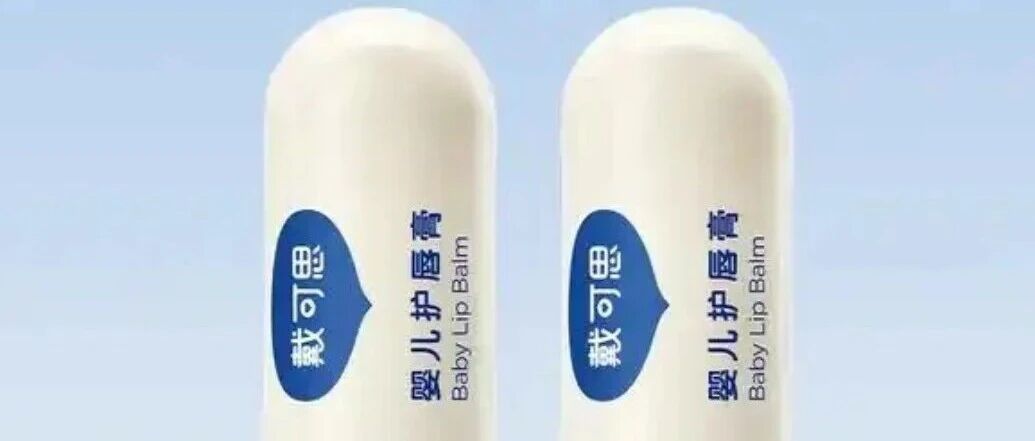
▲VENUAN海外旗舰店展示的VENUAN何首乌洗发水"28天临床实验数据见证"。图/新京报 少白头、熬夜白发、压力白发……近来,随着白发人群年轻化,"白发变黑"成为商家眼中的商机。 据新京报报道,在购物平台上,大量宣称"可把白发洗黑"的非染发剂类洗发水产品,配上所谓的真人实 测数据,收割着白发人群焦虑。 在其产品包装上,也标注着"不具有黑发、染发效果",但在产品购买详情页,则大肆宣传"白发洗黑"。 这种备案、标签与营销宣传的冲突,一方面涉及虚假宣传,另一方面则是为了逃避监管处罚。 《化妆品监督管理条例》明确要求化妆品广告内容需真实合法,功效宣称必须与备案资料一致;要求化 妆品标签内容真实完整,且禁止标注虚假或引人误解的内容。这些"神奇"的洗发水明目张胆弄虚作假, 涉嫌侵犯消费者的知情权和公平交易权。 有一个细节耐人寻味,此类洗发水产品都是代工生产,而代工企业均表示"只负责加工生产",并不清楚 销售宣传的事情。这实际上也是一种精准、功利的切割,算计的都是消费者的决策和钱包。 花样翻新的消费陷阱,往往借着刺激消费的名义大行其道,实际上却是在破坏市场秩序,损害消费者利 益和公共利益。对此,监管部门需强化广告监管执 ...
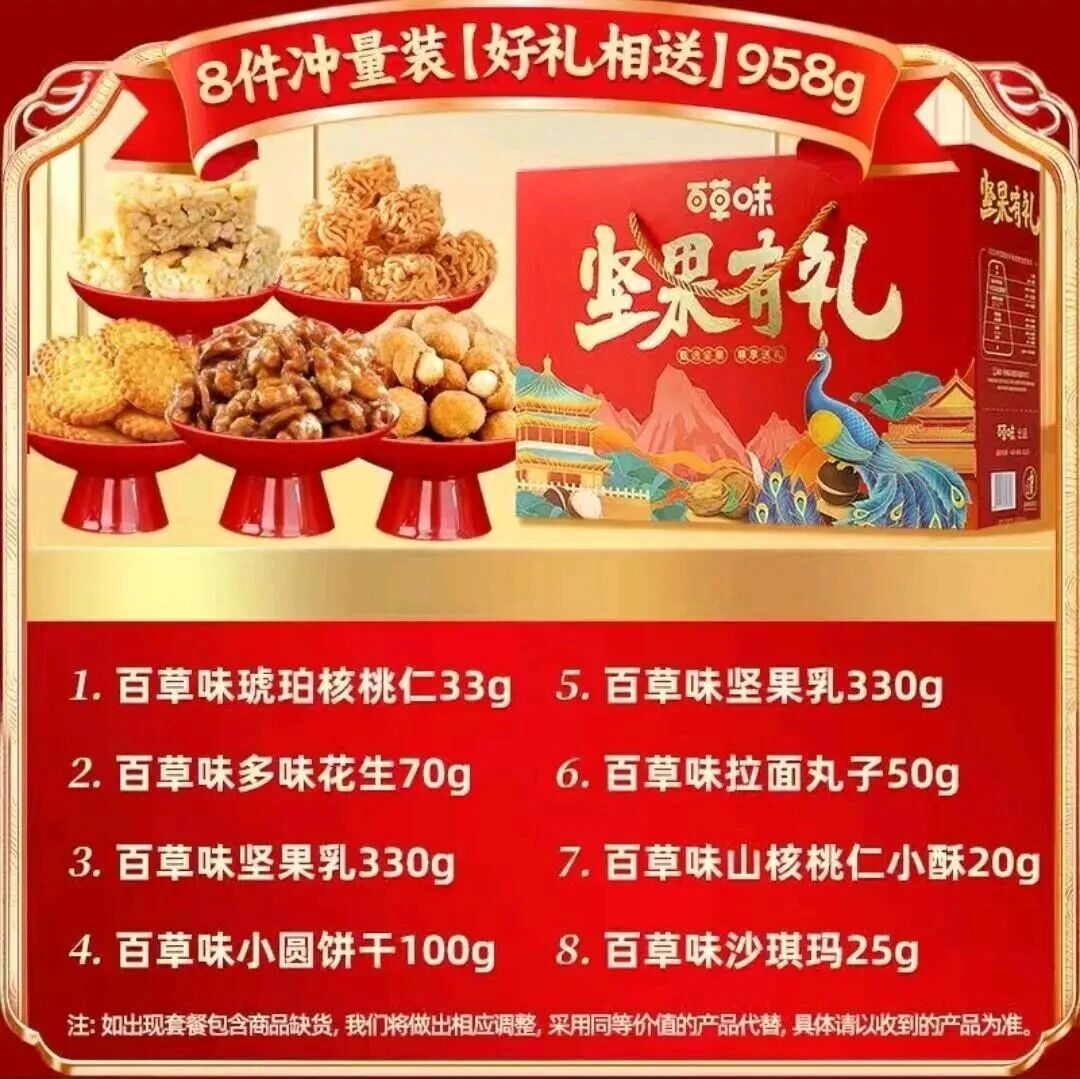
网购百草味958克坚果礼盒只有33克坚果,大部分是饮料!律师解读
Zhong Guo Ji Jin Bao· 2026-01-26 23:58
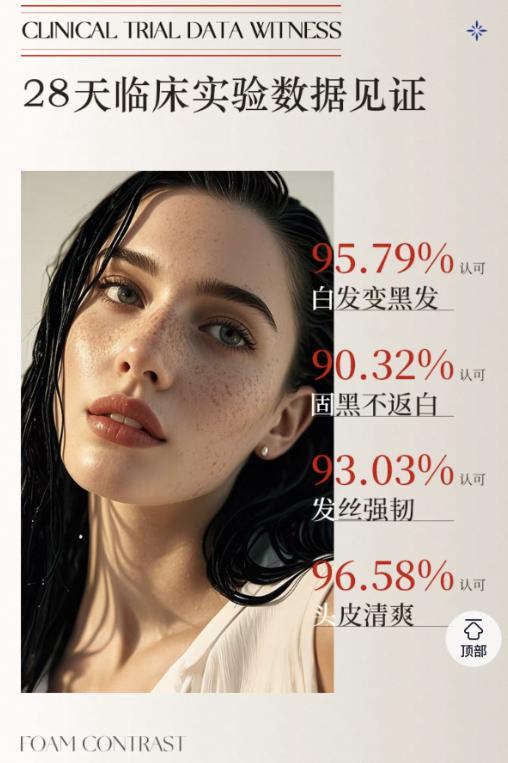
Core Viewpoint - The article highlights concerns regarding misleading advertising practices by the company Baicaowei, particularly in the marketing of its nut gift boxes, which contain a significant amount of non-nut products, potentially violating consumer protection laws [1][6]. Group 1: Product Details - The "Baicaowei Nut Gift Box" weighs 958 grams, but includes only 33 grams of walnut kernels, with 660 grams being beverages and the remainder consisting of snacks [2][3]. - The 958-gram gift box is priced at 32.9 yuan, while a larger 1366-gram box is available for 39.9 yuan, containing less than 100 grams of nuts and 990 grams of beverages [2][3]. Group 2: Consumer Concerns - Consumers have raised questions about the appropriateness of labeling the product as a "nut gift box" when the majority of its contents are not nuts, suggesting potential consumer deception [5]. - Legal experts indicate that such marketing practices may constitute false advertising under the Anti-Unfair Competition Law of the People's Republic of China, as they mislead consumers regarding the product's primary ingredients [6]. Group 3: Legal Implications - The company's advertising may infringe upon consumer rights by failing to provide accurate information about the product's composition, particularly the low proportion of nuts [6]. - Consumers misled by the product's labeling may seek remedies such as refunds or compensation, and regulatory authorities could impose penalties for false advertising [6].

百草味958克的坚果礼盒,两盒饮料就占660克,实际坚果仅33克?
凤凰网财经· 2026-01-26 13:00
Core Viewpoint - The article discusses consumer concerns regarding the misleading marketing of a nut gift box by Baicaowei, which contains a significant amount of non-nut items, raising questions about the legality and ethics of such advertising practices [1][8]. Group 1: Product Composition and Consumer Reaction - A consumer discovered that the "Baicaowei Nut Gift Box," advertised as weighing 958 grams, contains only 33 grams of actual walnut kernels, with 660 grams being beverages and other snacks [1]. - Some consumers defended the product, stating that at around 30 yuan, it is reasonably priced, and pure nut products typically cost more [3]. - The product listing on Baicaowei's official store shows images of various nuts but does not clearly indicate the inclusion of beverages in the main product description [3]. Group 2: Legal Implications and Consumer Rights - A lawyer indicated that the marketing strategy may violate the Anti-Unfair Competition Law of the People's Republic of China, as it could mislead consumers about the product's primary ingredients [7]. - The lawyer emphasized that the low percentage of actual nuts could infringe on consumer rights, as the advertisement fails to provide a complete and truthful disclosure of the product's composition [8]. - Consumers misled by the product's marketing have the right to seek remedies such as returns, refunds, or compensation, and the company could face penalties for false advertising [8].
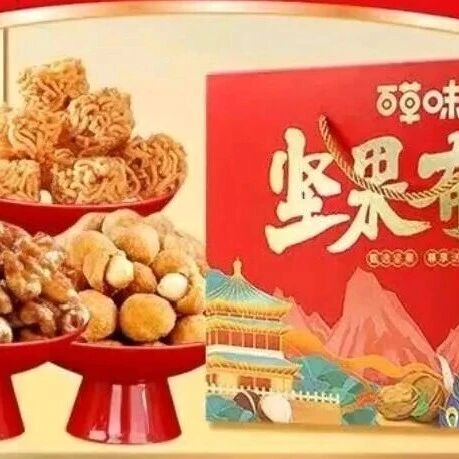
百草味958克的坚果礼盒,两盒饮料就占660克,实际坚果仅33克?
Mei Ri Jing Ji Xin Wen· 2026-01-26 11:06
Core Viewpoint - The article discusses consumer concerns regarding misleading advertising practices related to a nut gift box sold by Baicaowei, highlighting the discrepancy between the product's advertised contents and its actual composition [1][5]. Group 1: Product Composition and Consumer Reactions - A nut gift box labeled as weighing 958 grams contains only 33 grams of actual nuts, with the majority being beverages and snacks, leading to consumer skepticism about the product's labeling [1][3]. - Some consumers defend the product's price of around 30 yuan, suggesting it is reasonable for the value offered, while others question the legitimacy of calling it a "nut gift box" when nuts are not the primary component [3]. Group 2: Legal and Ethical Implications - Legal experts indicate that the marketing strategy employed by Baicaowei may violate the Anti-Unfair Competition Law of the People's Republic of China due to misleading advertising practices [5][6]. - The lack of transparency regarding the actual composition of the product infringes on consumer rights, particularly the right to be informed about product contents, which could lead to legal repercussions for the company [6].
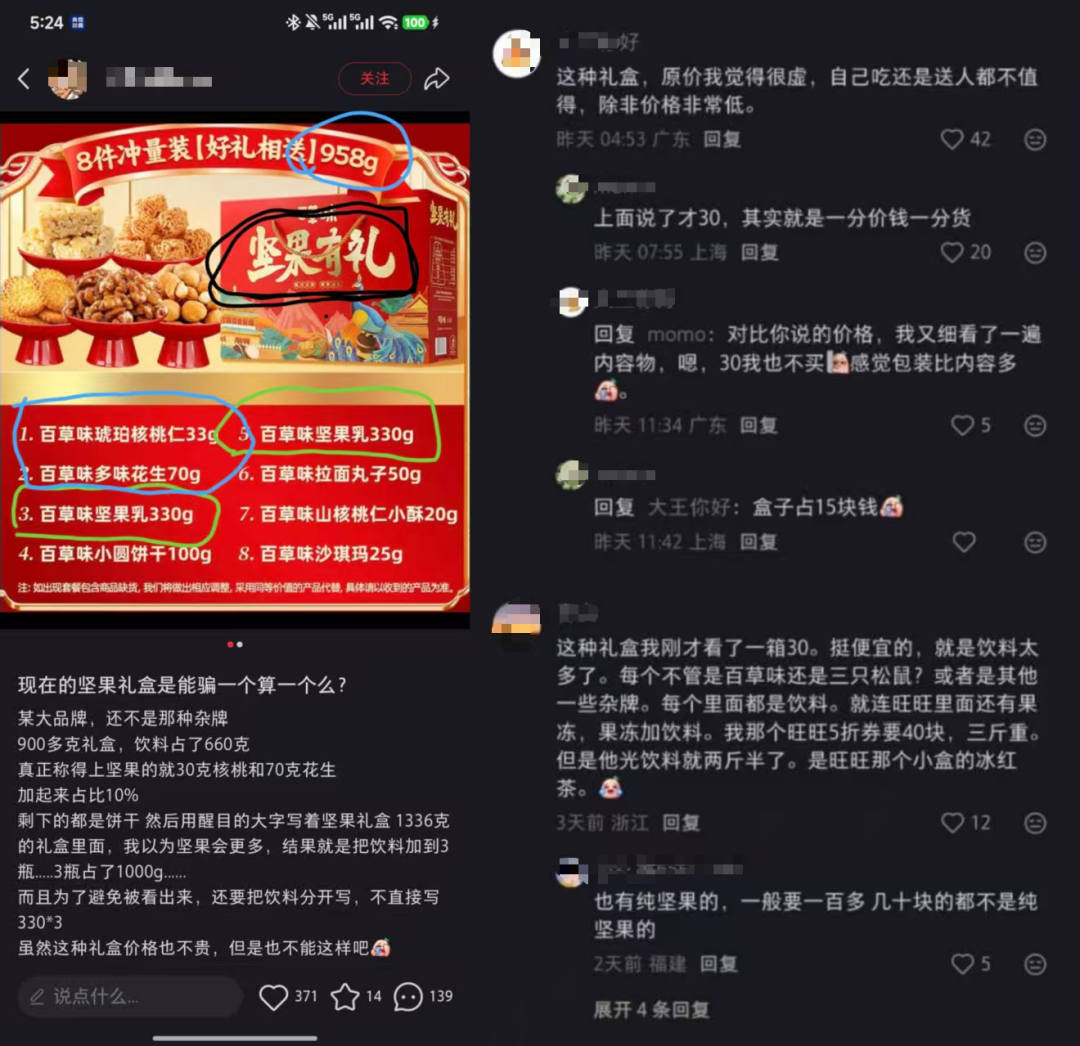
百草味958克的坚果礼盒,两盒饮料就占660克,实际坚果仅33克?网友:价格仅30元左右,“一分钱一分货”;律师解读→
Mei Ri Jing Ji Xin Wen· 2026-01-26 10:41
Core Viewpoint - The article discusses consumer concerns regarding misleading advertising practices related to a nut gift box sold by Baicaowei, highlighting the discrepancy between the product's advertised contents and its actual composition [1][5]. Group 1: Product Composition and Consumer Reactions - A nut gift box labeled as weighing 958 grams contains only 33 grams of actual nuts, with the majority being beverages and snacks, leading to consumer skepticism about the product's labeling [1][3]. - Some consumers defend the product's price of around 30 yuan, suggesting it is reasonable for the value offered, while others question the legitimacy of calling it a "nut gift box" when nuts are not the primary component [3]. Group 2: Legal and Ethical Implications - Legal experts indicate that the marketing strategy employed by Baicaowei may violate the Anti-Unfair Competition Law of the People's Republic of China due to misleading advertising practices [5][6]. - The lack of transparency regarding the actual composition of the product infringes on consumer rights, as it does not provide accurate information about the contents, potentially leading to claims for refunds or compensation [6].
公牛集团起诉家的电器索赔420万遭反诉 年投7.55亿营销曾因垄断被罚2.95亿
Chang Jiang Shang Bao· 2026-01-26 00:50
Core Viewpoint - The ongoing legal dispute between Bull Group and Jia's Electric revolves around the advertising slogan "7 out of 10 Chinese families use Bull," which is claimed to be misleading and has led to accusations of false advertising and unfair competition [1][5][6]. Group 1: Legal Dispute - Jia's Electric has raised jurisdictional objections to Bull Group's lawsuit and has countered with claims of false advertising and unfair competition [1][5]. - Bull Group has accused Jia's Electric of damaging its reputation through misleading comparisons and has demanded the removal of the videos and an apology [5][6]. - The legal battle is seen as a clash of values between misleading advertising and a commitment to fair competition and consumer rights [6]. Group 2: Financial Performance - Bull Group's financial performance has been under pressure, with a notable decline in revenue and net profit in the second and third quarters of 2025, marking a rare double decline [3][11]. - For the first three quarters of 2025, Bull Group reported revenues of 12.198 billion and a net profit of 2.979 billion, representing year-on-year declines of 3.22% and 8.72% respectively [11]. - The company's marketing expenses for 2024 totaled 755 million, contributing to a total sales expense of 1.369 billion [2][11]. Group 3: Market Position and Stock Performance - Since January 13, 2021, Bull Group's stock price has dropped by over 50%, reflecting a significant decline in market valuation [4][11]. - The company's market capitalization has decreased from a peak of 153.594 billion to 76.55 billion by January 23, 2026, less than half of its highest value [11]. - Bull Group has faced previous legal challenges, including a 2.95 billion fine for monopolistic practices in 2021, highlighting ongoing regulatory scrutiny [9][10].

网购百草味958克坚果礼盒只有33克坚果,大部分是饮料!律师解读
中国基金报· 2026-01-25 16:08
Core Viewpoint - The article highlights concerns regarding misleading advertising practices by a company selling a "nut gift box" that contains a significant amount of non-nut items, potentially violating consumer protection laws [2][7]. Group 1: Product Details - The "nut gift box" advertised weighs 958 grams, but includes only 33 grams of walnut kernels, with 660 grams being beverages and the remainder consisting of snacks [4][6]. - The product is marketed under names like "nut gift box" and "dried fruit snacks," but the actual nut content is minimal compared to other components [4][6]. Group 2: Consumer Concerns - Consumers have raised questions about whether the product can still be called a "nut gift box" when the majority of its contents are not nuts, suggesting potential consumer deception [6]. - The company's customer service acknowledged the inclusion of beverages in the gift box and stated that consumer feedback would be recorded for further review [6]. Group 3: Legal Implications - A lawyer from Jiangsu Zhonglv Law Firm indicated that the company's advertising practices could be considered false advertising under the Anti-Unfair Competition Law, as they may mislead consumers about the product's primary ingredients [7]. - The lawyer emphasized that the lack of clear information regarding the actual nut content infringes on consumers' right to know, potentially allowing consumers to seek refunds or compensation [7].
轻信 “老头乐” 无需驾照,钦州一男子撞护栏肇事被拘留!
Xin Lang Cai Jing· 2026-01-24 13:25
转自:钦州发布 有一款车小巧价廉 油门一踩便能"轻松上路" 部分商家还宣称 错!!! 就因轻信"老头乐"不用驾照 钦州一男子 最终被拘留罚款 安全性能差 案例 2026年1月9日19时40分,在南珠西大街大桥东侧辅道发生一起单方事故,一辆低速四轮电动车(俗称老头乐)撞上护栏,车辆侧翻。钦州市公安局交警支 队一大队事故中队值班民警火速赶到现场,只见护栏被撞得变形,电动车侧躺在路面,驾驶人韦某某正惊魂未定地站在一旁,万幸的是他仅受轻微擦伤。 经调查核实,驾驶人韦某某事发时因操作不当撞上道路护栏,导致事故发生。 经过进一步调查,民警发现了更关键的问题:韦某某根本没有机动车驾驶证,他开的这辆低速四轮电动车(老头乐),是去年12月17日从别人手里买的, 购车时仅持有一张票据,未签订转让合同,也未依法办理车辆登记上牌手续。 韦某某称,购车前曾听车行工作人员及身边人告知,此类四轮代步车无需上牌,且超过60岁驾驶无需考取驾驶证,自己因没有机动车驾驶证,便轻信了该 说法,认为"这种车刚好适合自己开",未对车辆属性及相关法规进行核实便贸然购车上路。 最终,交管部门依据相关法律法规对韦某某作出行政拘留7天、并处相应罚款的处罚决定。 ...

吐槽公牛集团广告语被起诉索赔420万,家的电器已提起反诉
Xin Lang Cai Jing· 2026-01-23 01:15
Group 1 - The core issue revolves around a legal dispute between Bull Group and Jia's Electric, with Bull Group suing for 4.2 million yuan over alleged misleading advertising claims [1][4] - Jia's Electric held a media conference to address accusations of "hitching a ride on traffic," asserting that their intentions were to maintain fair competition and consumer rights, rather than to create hype [1] - Jia's Electric's legal counsel indicated that they have raised jurisdictional objections to Bull Group's lawsuit, which is currently under review, and have filed a separate lawsuit alleging compliance issues with Bull Group's advertising [1] Group 2 - Jia's Electric's public letter to industry peers described the lawsuit as a clash of values, emphasizing the choice between misleading advertising and relying on solid technology and products to win over consumers [4] - Bull Group defended its advertising slogan, stating it is backed by rigorous third-party research and complies with Chinese advertising laws, while expressing a commitment to consumer feedback and ongoing optimization of their messaging [4] - Jia's Electric was founded in March 2007 with a registered capital of 30 million yuan, focusing on the production and sale of lighting fixtures, electrical switches, sockets, and home appliances [4]