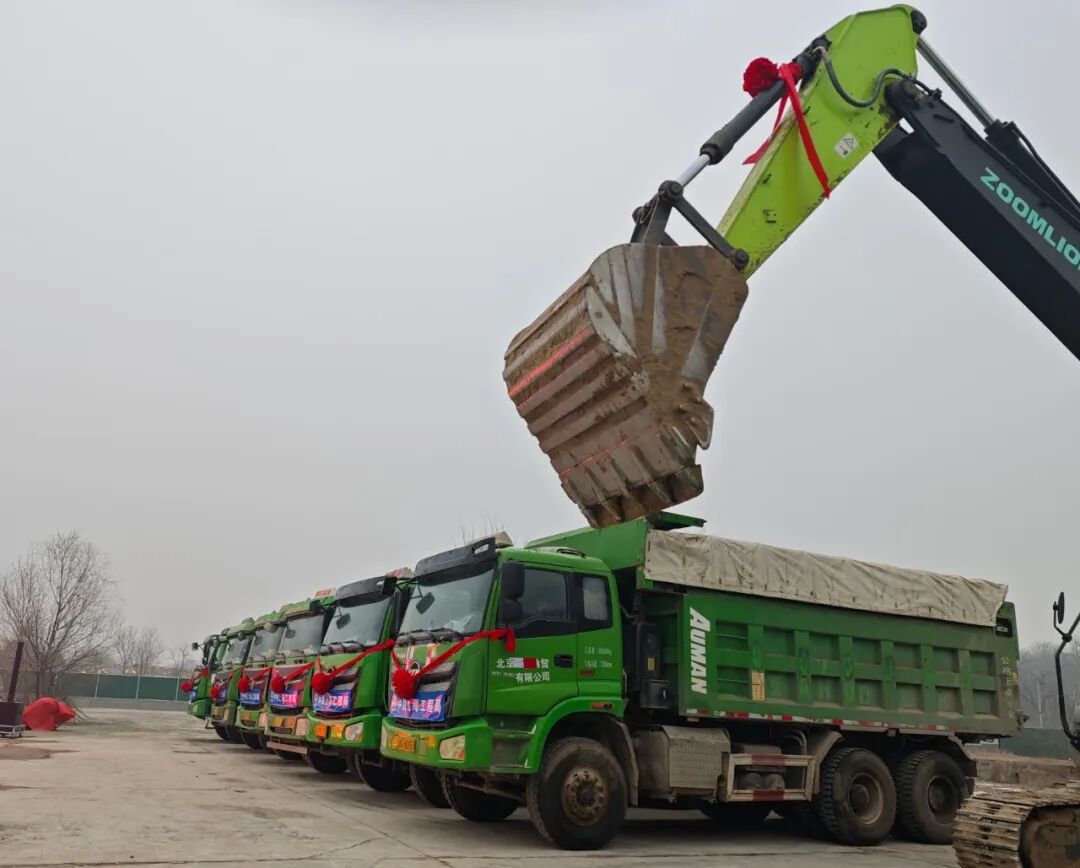
轨道交通建设

Search documents
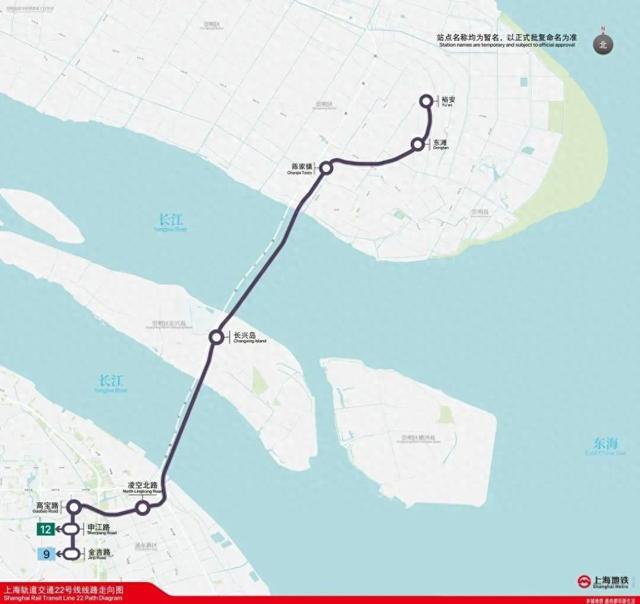
迎接高铁和轨交,上海崇明将新建交通枢纽、引进租赁汽车和共享单车
Xin Lang Cai Jing· 2026-01-13 13:36
Core Viewpoint - The Shanghai Metro Line 22 (Chongming Line) is progressing well, with full line completion expected by October 2025 and operational readiness by the end of 2026, enhancing connectivity in the Yangtze River Delta region [3][4]. Group 1: Construction Progress - The Chongming Line has completed the main structure of four stations: Chenjiazhen, Dongtan, Yu'an, and Changxing Island, with track laying expected to finish by May 2026 [3]. - The line spans approximately 43 kilometers and includes eight stations, starting from Jinjilu Station in Pudong New District and crossing the Yangtze River twice [4]. Group 2: Transportation Infrastructure - A new comprehensive transportation hub will be constructed near Chenjiazhen Station, featuring 16 bus routes and optimized public transport networks to address last-mile connectivity issues [4]. - The construction of the Chongqing-Yu'an High-Speed Railway's Chongming section is progressing steadily, with over 10 kilometers of the Chongtai Yangtze River Tunnel expected to be completed by the end of 2025 [4].

杭州地铁四期建设取得新进展
Mei Ri Shang Bao· 2026-01-07 22:24
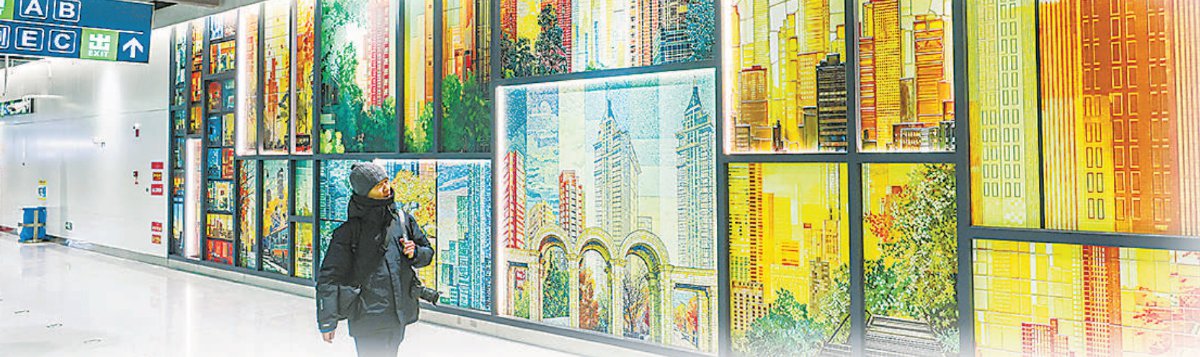
Group 1 - The construction of Hangzhou Metro Line 15 has achieved significant milestones, including the successful arrival of the "Kaituo No. 9" shield machine at the receiving well and the completion of underground continuous wall construction at Kangqiao Station, laying a solid foundation for subsequent station excavation [2][3] - The first phase of Line 15 is expected to enhance north-south transportation in Hangzhou, improving connectivity between the northern Chongxian area, the city center, and the Xiaoshan area, thereby supporting regional development and alleviating traffic pressure [2] - The Hangzhou Metro Group has publicly announced the proposed station names for Line 15, with a total of 42 station name proposals across multiple lines being disclosed [2] Group 2 - The construction of Hangzhou Metro Line 18 has accelerated, with four shield machines operating simultaneously in key sections, marking a critical phase of construction [3] - The main structure of Yicheng Road Station on Line 18 has been completed ahead of schedule, facilitating subsequent construction and enhancing the overall project timeline [3] - Line 18 is a vital part of the Hangzhou Metro Phase IV project, aimed at connecting key areas in Xiaoshan and improving the regional rail transit network, contributing to the establishment of a "half-hour commuting circle" [3]
轨道纵横密织网 地铁出行更快捷
Bei Jing Wan Bao· 2025-12-30 08:29
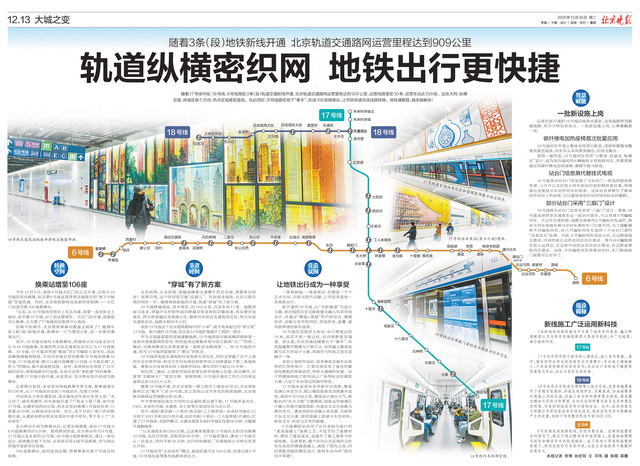
Core Insights - The opening of new subway lines in Beijing has expanded the operational mileage of the city's rail network to 909 kilometers, with 30 operational lines and 539 stations, enhancing connectivity across various urban areas [1][7] Group 1: New Line Openings - The opening of the 17th line's middle section, the 18th line, and the southern extension of the 6th line has significantly increased the number of transfer stations to 106, facilitating quicker transfers for passengers [3][4] - The 18th line, spanning approximately 19.8 kilometers with 11 stations, connects key residential areas and business districts, reducing travel time significantly for commuters [6][7] - The 17th line now connects major residential and office areas, with travel time from the southern to northern ends reduced to 66 minutes, enhancing commuting efficiency [8] Group 2: Passenger Experience - The new transfer stations, such as Dahuomen Station, have improved convenience, allowing for direct transfers and reducing overall travel time for passengers [3][5] - The design of the new lines incorporates artistic elements, creating a pleasant travel atmosphere for passengers, with features like "light and shadow tunnels" and unique station decorations reflecting local culture [11][12] - The introduction of advanced facilities, such as carbon fiber electric heating seats and real-time information screens, enhances passenger comfort and experience [15][16] Group 3: Construction and Technology - The construction of the new lines faced challenges due to complex geological conditions and high construction risks, employing advanced technologies for safety and efficiency [19][21] - The 18th line is recognized as a demonstration line for smart construction, utilizing automated monitoring systems and energy-efficient technologies to optimize operations [21][22]
大城之变|轨道纵横密织网 地铁出行更快捷
Bei Jing Ri Bao Ke Hu Duan· 2025-12-30 07:11
Core Points - The opening of three new subway lines in Beijing has expanded the operational mileage of the city's rail transit network to 909 kilometers, with a total of 30 operational lines and 539 stations [1] - The number of transfer stations has increased to 106, facilitating quicker transfers for passengers [4][7] - The new lines significantly enhance commuting efficiency, allowing for faster travel across the city compared to driving [8][9] Summary by Sections Subway Network Expansion - The new lines include the southern extension of Line 6, the middle section of Line 17, and Line 18, contributing to a more interconnected subway system [1] - The operational network now features 30 lines and 539 stations, creating a comprehensive transit system [1] Transfer Stations - The number of transfer stations has reached 106, with the recent additions improving passenger convenience [4][7] - The new transfer stations include upgrades at Yong'anli and Dongdaqiao stations, enhancing connectivity [6] Commuting Efficiency - The new subway lines provide a faster alternative to driving, often taking half the time compared to car travel during peak hours [8][9] - Line 18 connects major residential areas and business districts, reducing travel time between key locations [11][15] New Features and Design - Line 18 introduces innovative features such as carbon fiber electric heating seats and circular handrails to improve passenger comfort [22] - The design of stations like the 回龙观西大街 station features a column-free design for better visibility and aesthetics [27] - The 永安里 station showcases a new Chinese style design, reflecting Beijing's cultural heritage [29]
广州地铁线网运营总里程达779.9公里
Zhong Guo Xin Wen Wang· 2025-12-29 10:40
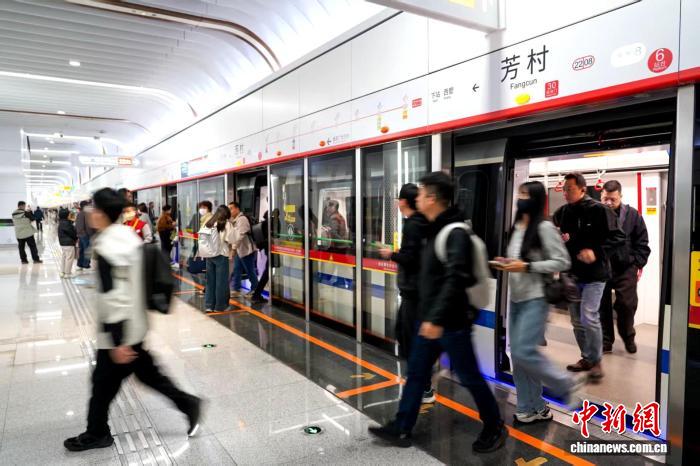
Group 1 - The Guangzhou Metro network's total operational mileage has reached 779.9 kilometers with the opening of the second phase of Line 22 on December 29, 2023 [1][3] - The network now includes 397 stations, ranking third in operational mileage among metro systems in China [1] - During the "14th Five-Year Plan" period (2021-2025), the operational mileage of the Guangzhou Metro is expected to increase by 248.8 kilometers compared to the end of the "13th Five-Year Plan" (2020) [2] Group 2 - The newly opened section of Line 22 (Chen Tou Gang to Fang Cun) is 11.5 kilometers long and includes 4 stations, enhancing rapid transit connectivity between the western and southern parts of Guangzhou [2] - The total length of Line 22 is 29.7 kilometers with 8 stations, including 4 transfer stations, and operates at a speed of 160 kilometers per hour, with a total travel time of approximately 27 minutes [2] - The opening of Line 22 significantly reduces travel time to Guangzhou South Station from 50 minutes to about 25 minutes for residents near Huadiwan Station [2]
深圳地铁一日“四喜临门”
Shen Zhen Shang Bao· 2025-12-29 08:36
Core Insights - Shenzhen's subway system is experiencing significant expansion, with 2025 marking a record year for new line openings, totaling six new lines, enhancing the city's transportation network and achieving "district-to-district" connectivity [1][2][3] Group 1: New Line Openings - On December 28, 2025, four new subway lines (5th Line West Extension, 8th Line Phase III, 11th Line Phase II Hongling South Section, and 13th Line Phase I North Section) were officially opened, contributing to a total of six new lines for the year [1][2] - The total operational mileage of Shenzhen's rail transit has increased to 634.5 kilometers, with 441 stations, maintaining the highest network density among mainland cities in China at 0.32 kilometers per square kilometer [1][2] Group 2: Connectivity and Urban Development - The new lines enhance connectivity across the city, particularly improving east-west transit corridors and addressing passenger flow pressures in key areas such as Luohu [2][3] - The 8th Line Phase III ends the lack of subway service in Dapeng New District, while the 5th Line West Extension alleviates congestion in the Luohu core area [2][4] Group 3: Impact on Daily Commute - The new lines are expected to significantly reduce commuting times for residents, with reports of up to one hour saved for daily commutes [4] - Daily average ridership is projected to exceed 900 million passengers following the opening of the new lines, reflecting the growing reliance on subway transport [4] Group 4: Integration with Existing Infrastructure - The 11th Line Phase II will enhance capacity by 20% during peak hours and improve connections with existing lines, providing more efficient cross-district travel options [4][5] - The 13th Line Phase I North Section will facilitate quicker access to key areas, reducing travel time to Shenzhen Bay Port to 37 minutes [5][6]

官宣!广州地铁二十二号线后通段12月29日开通运营
Nan Fang Du Shi Bao· 2025-12-26 11:57
Core Points - Guangzhou Metro Line 22's southern extension (Chen Tou Gang to Fang Cun) will officially commence operations on December 29, increasing the total operational mileage of the Guangzhou Metro network to 779.9 kilometers and the number of stations to 397 [1] - The total length of Line 22 is 29.7 kilometers, designed for a speed of 160 kilometers per hour, with the southern extension measuring 11.5 kilometers and featuring four new stations: Nanpu West, Nanzhou, Xilang, and Fangcun [1] - The southern extension will connect with the initial segment of Line 22 (Panyu Square to Chen Tou Gang), utilizing 8-car D-type trains with a maximum capacity of 2,600 passengers, reducing travel time between Fangcun and Guangzhou South Station to 17 minutes [1] Infrastructure and Connectivity - Bus stops have been established at Nanpu West, Nanzhou, Xilang, and Fangcun stations to facilitate the "last mile" of passenger travel [2] - Guangzhou Metro is collaborating with local governments to enhance municipal infrastructure at Nanpu West Station, including road hardening, lighting, and guardrail projects, which are set to be completed and operational simultaneously [2]
年底有多少个城市地铁冲KPI?
3 6 Ke· 2025-12-24 01:44
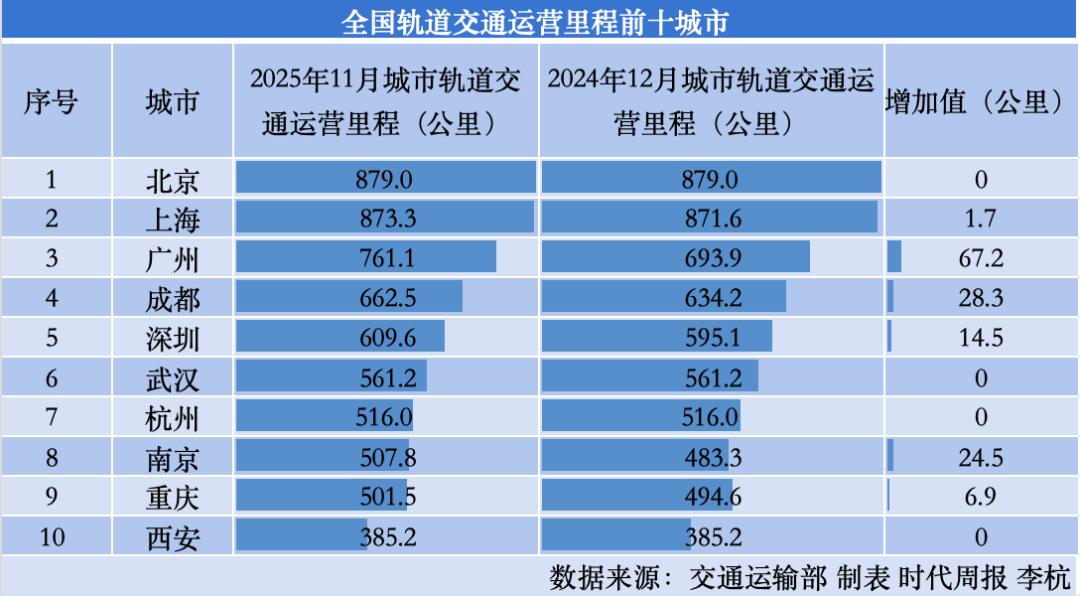
Core Insights - The construction of urban rail transit in China is a significant focus, with 54 cities expected to operate 334 urban rail lines and a total mileage of 11,389.7 kilometers by November 2025 [1] Group 1: Overall Construction Status - As of November 2025, Beijing leads with an operational rail mileage of 879 kilometers, followed by Shanghai, Guangzhou, Chengdu, Shenzhen, Wuhan, Hangzhou, Nanjing, Chongqing, and Xi'an [2][5] - Nanjing has surpassed Chongqing to rank 8th in operational mileage as of the end of 2024 [2][12] Group 2: Upcoming Developments - Several cities are set to open new rail lines in December, which may alter the current rankings. For instance, Nanjing's new lines will increase its operational mileage from 508 kilometers to 525 kilometers, moving it to 7th place [3][13][17] - Shanghai's new line is expected to push its operational mileage over 900 kilometers, while Beijing's new lines will also increase its mileage to 909 kilometers [4][13] Group 3: Key Cities and Their Rankings - Nine cities have operational rail mileage exceeding 500 kilometers, with Beijing and Shanghai exceeding 800 kilometers [5] - Guangzhou has shown significant growth, adding 67.2 kilometers this year, bringing its total to 761.1 kilometers [6][7] - Chengdu and Shenzhen have also crossed the 600-kilometer threshold, with Shenzhen's operational mileage reaching 609.6 kilometers [8] Group 4: Passenger Volume and Efficiency - The passenger intensity, which reflects the average number of passengers per kilometer, indicates the operational efficiency of urban rail systems. Higher values suggest better efficiency, while excessively high values may indicate overcrowding [11] - Beijing and Shanghai lead in passenger volume, with Beijing recording 29 lines and a total of 29,777.7 million passenger trips [9]
北京17号线中段、18号线和6号线南延等3条(段)地铁线路预计年底开通 北京轨道交通运营里程将突破900公里
Ge Long Hui· 2025-12-22 02:12
Core Viewpoint - Beijing is set to open three new metro lines, marking a significant expansion of its public transportation network, which will exceed 900 kilometers in total operational length [1] Group 1: Infrastructure Development - The newly completed metro lines include the middle section of Line 17, Line 18, and the southern extension of Line 6, all of which have met initial operational conditions [1] - The total operational mileage of Beijing's metro system will reach 909 kilometers, indicating a substantial enhancement in the scale and service capability of the capital's transportation network [1] Group 2: Urban Transportation Capacity - The expansion of the metro network signifies an upgrade in the city's overall transportation capacity, improving the comprehensive traffic bearing ability of Beijing [1]
北京这条地铁线启动建设,设5座车站两站换乘
3 6 Ke· 2025-12-19 03:19
Core Viewpoint - The completion of the eastern section of Line 3 will enhance connectivity and alleviate traffic pressure in the eastern districts of the city, contributing to the overall efficiency of the urban transport network [7]. Group 1: Project Overview - The eastern section of Line 3, which includes five new stations, will connect the existing Line 3 from Dongsi Shoutiao to Dongba North Station, achieving full line operation [2]. - The total length of Line 3 after the completion of the eastern section will reach 19.7 kilometers, establishing it as a major east-west transit line [7]. Group 2: Station Details - The Guanzhuang Road West Station will serve as an interchange with the R4 line, facilitating transfers for residents from Shunyi to the city center [4][5]. - The construction of the new stations, including Guanzhuang Road West, will provide future connectivity options, such as a potential transfer to the M101 line at Gaoxinzhuang Station [4]. Group 3: Impact on Transportation - The new section is expected to significantly ease traffic congestion in the Dongba area and strengthen the connection between the central city and its sub-centers [7]. - The project will directly benefit key functional areas like the Jinzhan International Cooperation Service Zone, improving travel convenience for residents in the Dongba and Jinzhan regions [7].