银行不良资产处置

Search documents
银行直供房引关注!与法拍房有何不同?普通人购买需注意什么
Nan Fang Du Shi Bao· 2025-11-11 15:39
Core Viewpoint - The recent trend of "bank direct supply housing" has gained significant attention, with banks actively selling properties to quickly liquidate non-performing assets, reflecting a shift towards more market-oriented risk management strategies [1][2][3]. Group 1: Market Dynamics - Various types of banks, including state-owned, joint-stock, and local commercial banks, are involved in the direct supply of housing, with rural commercial banks being the primary suppliers, accounting for 131 out of 138 properties listed [2][3]. - The starting prices for some bank-supplied properties are over 20% lower than market prices, indicating a potential investment opportunity for buyers [1][8]. - The number of bank direct supply properties has shown a fluctuating but overall increasing trend, particularly in regions like Foshan, where the number of properties listed has risen significantly since 2020 [6][7]. Group 2: Differences from Judicial Auction Properties - Bank direct supply properties differ from judicial auction properties in terms of ownership and transaction processes. In direct supply, banks already hold clear ownership before sale, while judicial auction properties remain under the borrower's name until sold [4][5]. - The transaction process for bank direct supply properties is more akin to traditional real estate sales, allowing buyers to inspect properties and secure financing, unlike judicial auctions which require full payment upfront [5]. Group 3: Risks and Considerations for Buyers - While bank direct supply properties often come with lower starting prices, potential buyers should assess the condition of the properties and verify ownership and any encumbrances before purchase [8][9]. - Buyers are advised to be cautious of any special conditions attached to the sale, such as payment terms and transfer restrictions, to avoid unexpected liabilities [9].
银行直销“不动产” 折价加速去化
Zhong Guo Jing Ying Bao· 2025-11-11 10:32
Core Viewpoint - The article discusses the accelerated disposal of non-performing real estate assets by banks in China, driven by the need to enhance asset liquidity amid rising bad debts and stricter regulatory requirements during an economic downturn [1][2][4]. Group 1: Market Dynamics - Banks are auctioning properties at prices significantly below market valuation, with some properties starting at over 40% lower than assessed values, as seen in the case of a two-bedroom apartment in Langfang, Hebei [1]. - The trend of banks selling real estate directly is gaining traction, with various banks, including Agricultural Bank and Industrial Bank, actively promoting their properties through online platforms and bank channels [2][3]. Group 2: Challenges and Solutions - Concerns from buyers regarding legal disputes over auctioned properties are being addressed through agreements that ensure original owners vacate the premises by a specified date [2]. - The traditional judicial auction process is criticized for being lengthy and inefficient, prompting banks to seek alternative methods for quicker asset recovery, such as direct sales of non-performing loans [2][4]. Group 3: Innovations in Asset Disposal - Banks are exploring innovative approaches to asset disposal, including leveraging technology for faster transactions and creating flexible sales models like "rent-to-buy" and asset package sales [5]. - The use of big data and blockchain technology is being implemented to enhance transparency and streamline the transaction process, marking a shift from passive asset disposal to proactive asset management [5].


银行直供房激增,是“捡漏”的机会,还是隐藏的风险?
3 6 Ke· 2025-11-11 05:46
Core Viewpoint - The emergence of "bank direct supply housing" in China's real estate market is gaining significant attention, with major banks like Agricultural Bank, Construction Bank, and Transportation Bank engaging in direct property sales primarily from non-performing loan disposals [1][3]. Group 1: Bank Direct Sales - Major banks are increasingly adopting a direct sales model for real estate, which is seen as a new method for quickly handling non-performing loans [3][5]. - The scale of direct property sales is experiencing explosive growth, with local banks and rural credit cooperatives notably increasing their listings [3][5]. - For instance, Lanzhou Bank has listed 1,779 properties for direct sale in 2025, a 50% increase from the previous year, while Jilin Bank and Tianjin Bank have listed over 2,000 and 1,200 properties, respectively [3][5]. Group 2: Advantages of Direct Sales - The direct sale model is reported to have a 15%-20% higher recovery rate for non-performing assets compared to traditional debt transfer methods, and the processing time is reduced by over one-third [5]. - Properties sold directly by banks often have significant price advantages, with some listings priced 10%-30% lower than comparable second-hand homes [5][6]. - For example, a property listed by Lanzhou Rural Commercial Bank is priced at 2,300 yuan per square meter, while similar properties in the area are listed between 33,000 and 46,000 yuan per square meter [5]. Group 3: Market Impact - The large-scale direct sales by banks are expected to challenge the current real estate price system, potentially leading to a decrease in property values across the market [11][13]. - The introduction of significantly lower-priced bank listings could further depress the already declining prices of second-hand homes and impact new home pricing strategies [11][13]. - This situation may create a downward spiral in property prices, as buyers may hesitate to purchase due to expectations of further declines, exacerbating the market's challenges [13].

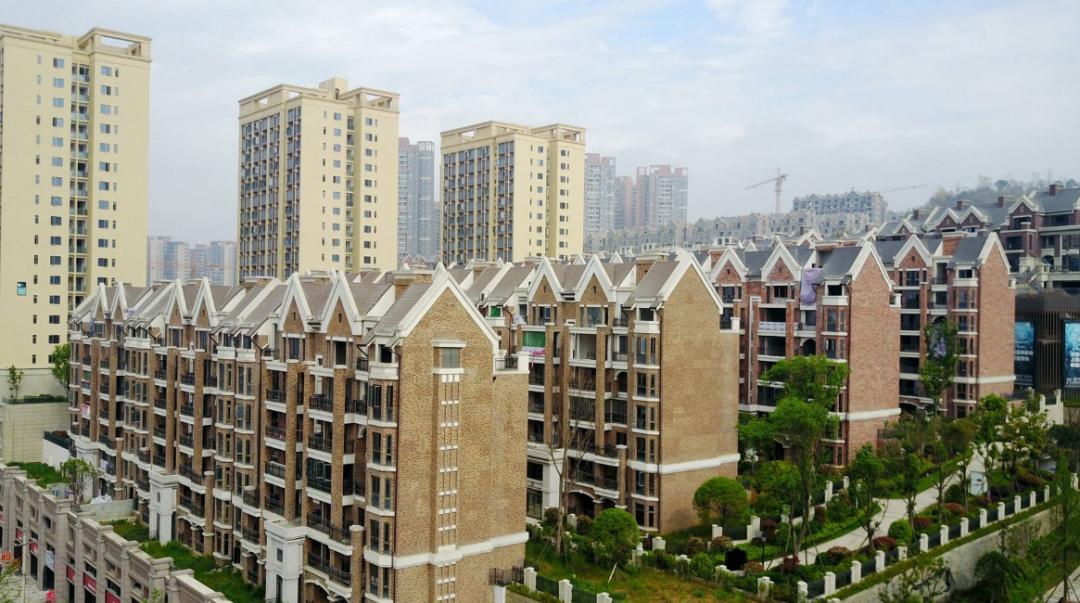
银行直接下场抛售超7万套房产 部分单价比市场价低50%
Sou Hu Cai Jing· 2025-11-11 00:55
Core Viewpoint - The banking system is increasingly engaging in "direct property sales," offering properties at prices significantly lower than market rates, which is attracting attention and may impact the second-hand housing market [1][10]. Group 1: Direct Property Sales by Banks - Major banks, including Agricultural Bank, Construction Bank, and others, are actively selling properties online, with a noticeable increase in the speed of asset disposal [3][4]. - As of 2024, the number of properties listed for direct sale by banks has exceeded 70,000, with significant contributions from various regional banks [9][10]. - The properties being sold are primarily non-performing assets, with banks aiming to enhance debt recovery rates through direct sales [10][11]. Group 2: Pricing and Market Impact - "Bank direct supply properties" are often priced 50% lower than market rates, making them attractive to buyers, although some properties still fail to sell despite significant price reductions [14][15]. - The introduction of bank direct sales may exert downward pressure on second-hand housing prices in specific regions, potentially delaying the recovery of the real estate market [18]. - The pricing strategy of banks involves lowering prices after failed sales attempts, which can lead to a competitive pricing environment within communities [14][18]. Group 3: Market Dynamics and Trends - The current trend of banks selling properties directly is partly driven by a cooling legal auction market, prompting banks to seek alternative methods for asset liquidation [12][13]. - The rise in non-performing loans among major banks has led to an increase in the sale of properties as a means to manage financial stability [11][12]. - The overall impact of bank direct sales on the real estate market is expected to be limited in scope, affecting only certain areas rather than the national market as a whole [18].




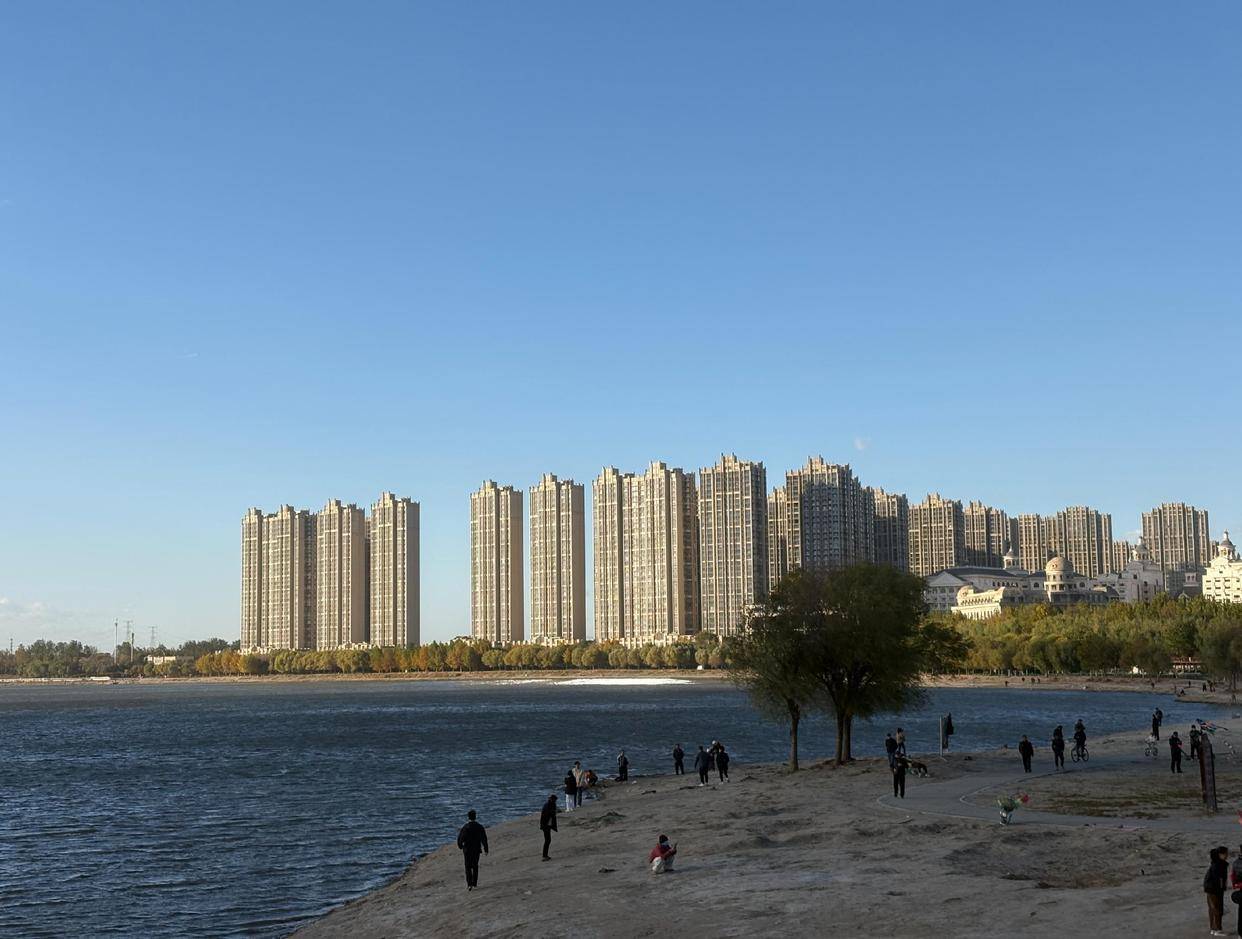
什么信号?有银行直接5.5折卖房
Sou Hu Cai Jing· 2025-11-11 00:55
Core Viewpoint - Major state-owned banks are actively selling properties, including residential and commercial assets, at significant discounts, indicating a shift in their asset management strategies amid rising non-performing loans [2][4][10]. Group 1: Bank Property Sales - A state-owned bank launched a special event on an asset auction platform, promoting commercial properties at prices below 5000 yuan per square meter [2]. - Various banks, including state-owned, joint-stock, and local credit cooperatives, are directly selling properties, with some banks offering discounts of up to 25% below market prices [5][9]. - For instance, a 140 square meter property in Beijing was listed with a starting price of 743.2 million yuan, significantly lower than the market average of 7.1 million yuan per square meter, resulting in a discount of approximately 250 million yuan [7]. Group 2: Non-Performing Loans and Asset Management - The total balance of personal housing loans reached 37.44 trillion yuan as of Q3 2025, indicating that despite narrowing net interest margins, these loans still generate profits for banks [11]. - The properties being sold primarily stem from loan defaults by individuals and businesses, with banks acquiring ownership through foreclosure and then selling these assets [13]. - The current non-performing loan balance for commercial banks is approximately 3.43 trillion yuan, with a non-performing loan ratio of 1.51% [14]. Group 3: Market Dynamics and Challenges - Banks are compelled to sell properties to recover some value, as they face regulatory requirements to dispose of non-performing assets within a specified timeframe [15]. - Despite the attractive pricing, many properties are not selling well, with low participation in auctions and challenges in closing deals [18][19]. - The direct sale of properties by banks is affecting the local real estate market, as their pricing influences the valuation of surrounding properties, making it harder for individual sellers to compete [23].
史无前例!银行开始下场卖房了。
Sou Hu Cai Jing· 2025-11-10 23:13
Core Viewpoint - The banking sector is transitioning from being merely a provider of credit to becoming a significant player in the real estate market, actively selling properties to manage non-performing assets and improve recovery rates [1][3]. Group 1: Reasons for Banks Selling Properties - The properties sold by banks are primarily assets recovered from borrowers who defaulted on loans, which have become liabilities due to rising mortgage default rates in certain regions [3]. - Traditional methods of asset disposal, such as judicial auctions, have proven ineffective, with high rates of unsold properties and lengthy processing times, prompting banks to adopt direct sales through online platforms [3][4]. Group 2: Market Dynamics of Direct Sales - Smaller banks, particularly those in the agricultural credit system and local city commercial banks, are leading in the number of properties listed for sale, with significant listings from institutions like Sichuan Agricultural Credit and Guangdong Agricultural Credit [5]. - There is a stark contrast in sales performance based on property location, with some areas experiencing low demand while others, particularly in prime locations, see high interest due to competitive pricing [5]. Group 3: Banking Strategy and Market Implications - The direct sale of properties represents a shift in banking strategy from passive asset management to active asset optimization, aiming to mitigate risks, enhance efficiency, and improve capital allocation [6]. - The focus on core location properties reflects a broader market strategy where banks seek to identify opportunities in a differentiated market, while developers are encouraged to enhance value through improved product and service offerings [6]. - The current phase of risk resolution in the real estate sector is viewed as a necessary step towards a more sustainable economic model, moving away from reliance on land finance [6].
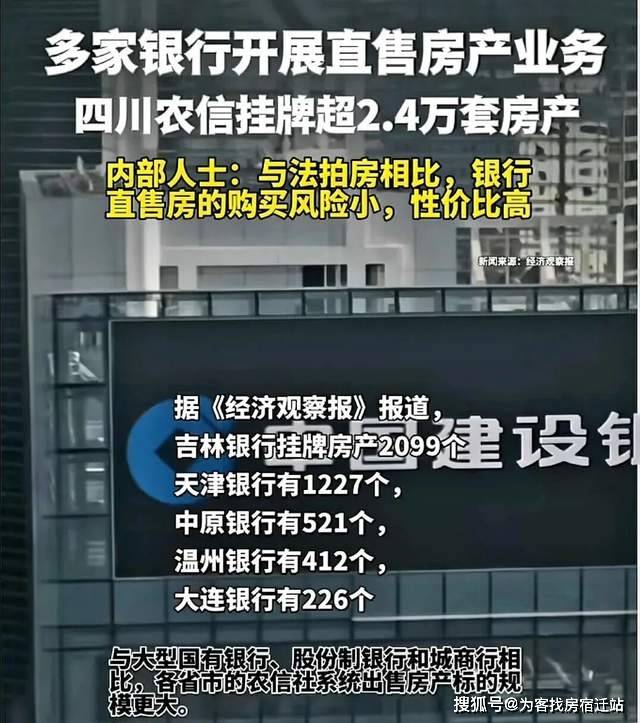
多家银行开启“减负”行动
Jin Rong Shi Bao· 2025-10-21 01:24
Core Viewpoint - The recent trend of large-scale asset disposals by banks, particularly in the context of non-performing loans, reflects a strategic shift towards optimizing asset structures and enhancing the ability to serve the real economy [1][4][6]. Group 1: Asset Disposal Plans - Bohai Bank plans to transfer nearly 700 billion yuan of debt assets through a public listing, marking its largest asset disposal action in recent years [1][2]. - The total amount involved in Bohai Bank's asset transfer includes approximately 499.37 billion yuan in principal, 104.36 billion yuan in interest, 93.34 billion yuan in penalties, and 1.26 million yuan in judicial fees, totaling 698.33 billion yuan with a book net value of about 483.10 billion yuan [2]. - Guangzhou Rural Commercial Bank announced a plan to transfer approximately 189.28 billion yuan of debt assets, continuing its trend of significant asset disposals for the third consecutive year [3]. Group 2: Market Trends and Drivers - The recent surge in asset disposals is driven by multiple factors, including the need for efficient handling of non-performing loans and the positive outcomes from previous loan transfer trials [4][6]. - The overall non-performing loan rate for commercial banks was reported at 1.49% as of June, with significant variations among different types of banks, indicating ongoing asset quality pressures [5][6]. - The trend of large asset transfers is seen as a shift from passive disposal to proactive management, with banks aiming to enhance risk management and optimize capital usage [6][7]. Group 3: Implications for the Banking Sector - The asset transfer initiatives are expected to improve asset quality, reduce risk asset occupation, and enhance capital adequacy and profitability for the banks involved [2][3]. - The current environment suggests a broader participation from various banking institutions in asset disposals, indicating a comprehensive approach to managing non-performing loans across the sector [6]. - Experts suggest that banks should adopt diverse strategies for handling non-performing assets, including cash recovery, self-write-offs, and asset securitization, to improve disposal efficiency [7].
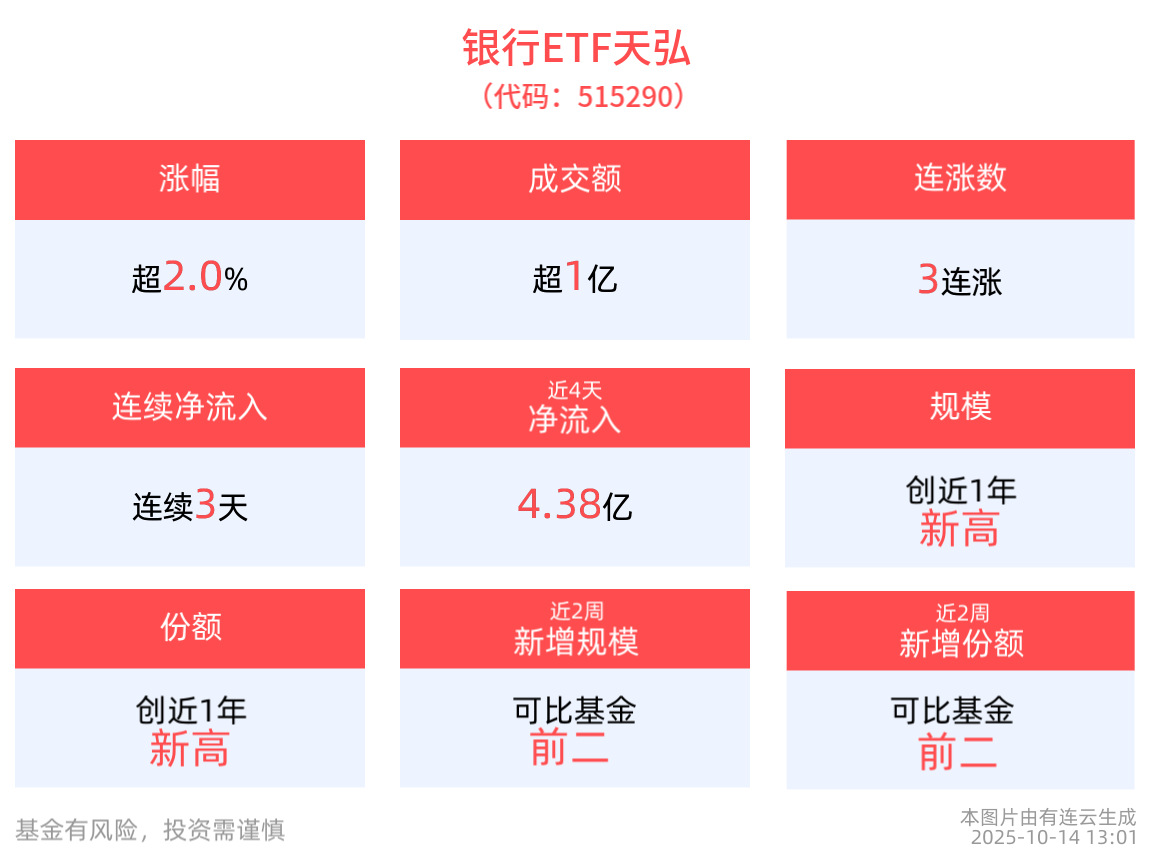
规模激增再创阶段新高!银行ETF天弘(515290)最新单日净流入3.35亿元,连续3日“吸金”,银行业防御配置升温
Sou Hu Cai Jing· 2025-10-14 05:32
Core Insights - The banking ETF Tianhong (515290) has seen a 2.06% increase, marking three consecutive days of gains, with a trading volume of 107 million yuan [3] - As of October 13, the latest scale of the banking ETF Tianhong reached 6.347 billion yuan, with a total of 4.508 billion shares, both hitting a one-year high [3] - The ETF has experienced a net inflow of 335 million yuan on a single day, accumulating a total of 443 million yuan over the past three days [3] Product Highlights - The banking ETF Tianhong (515290) closely tracks the CSI Bank Index, which consists of up to 50 banking stocks from the CSI All Share Index to reflect the overall performance of the banking sector [3] Industry Dynamics - In Q4 2025, domestic banks are accelerating the disposal of non-performing assets, with a focus on "hundred billion-level" actions to reduce burdens [3] - Data from the Banking Credit Asset Registration and Circulation Center indicates a significant increase in the listing of non-performing loans for transfer since October [3] - The proactive management of assets is driven by the dual motivations of capital optimization and risk resolution, allowing banks to free up capital for new credit and alleviate asset quality pressures [3] Economic Commentary - According to Guo Tao, Chief Economist at Zhongyin Securities, major domestic banks have become a "reservoir" for foreign exchange liquidity, suggesting that some banks should take on counter-cyclical adjustment roles to smooth short-term fluctuations in the foreign exchange market [4] - The recent announcement of a 100% tariff on all Chinese imports by Trump due to rare earth export controls has raised market concerns, but the overall risk to banks is considered manageable [5] - The banking sector's defensive attributes are becoming more pronounced, leading to increased demand for bank stocks as a safe investment [5] Institutional Perspectives - China Galaxy's analysis indicates that while the overall impact on banks is manageable, regional banks with a high proportion of export-oriented economies may require further observation [6] - The uncertainty surrounding tariffs is expected to increase global asset price volatility, creating opportunities for defensive allocations in the banking sector [6] - The stability of bank dividends and the recovery of yield attractiveness after a period of adjustment are likely to attract risk-averse capital inflows [6]
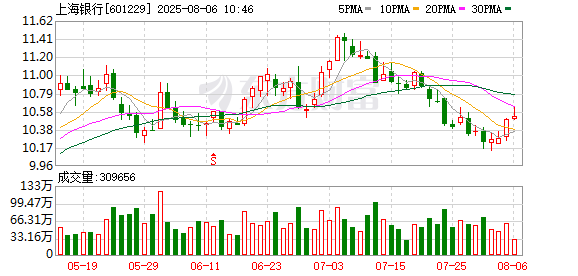
违规领千万罚单 上海银行“掉队”待解
Nan Fang Du Shi Bao· 2025-08-06 23:13
Core Viewpoint - Shanghai Bank faces significant regulatory penalties and compliance challenges as it appoints a new chairman amidst ongoing scrutiny and performance issues [2][3][4] Regulatory Penalties - Shanghai Bank has been fined over 3,000 million yuan in 2025, including a major penalty of 2,921.75 million yuan from the People's Bank of China for eight violations [3][4] - The Zhejiang Financial Regulatory Bureau imposed an additional fine of 380 million yuan for various compliance failures at the Hangzhou branch [3][4] - The penalties highlight systemic issues in internal controls, anti-money laundering practices, and credit management [4] Financial Performance - Despite recent penalties, Shanghai Bank reported a 4.8% year-on-year increase in revenue for 2024, reaching 52.99 billion yuan, and a reduction in non-performing loan ratio to 1.18% [2][5] - The bank's total assets as of Q1 2025 were 3.27 trillion yuan, reflecting a 1.37% increase, but it has fallen behind competitors like Ningbo Bank [6][7] - Revenue and net profit rankings among city commercial banks have declined, with Shanghai Bank now ranking fifth in revenue and fourth in net profit as of Q1 2025 [7][8] Strategic Changes - The bank has shifted its focus from merely managing asset quality to actively addressing the generation of non-performing loans [6] - Shanghai Bank has implemented significant write-offs of non-performing loans, exceeding 10 billion yuan annually since 2022 [5][6] Leadership Transition - The appointment of Gu Jianzhong as the new chairman comes at a critical time, as he faces the challenge of restoring confidence amid compliance issues and performance declines [2][8] - Gu has emphasized the importance of talent and aims to position Shanghai Bank as a long-lasting institution [9]


3千万罚单与460万增持:上海银行合规风波下的信心博弈
Nan Fang Du Shi Bao· 2025-08-06 02:45
Core Viewpoint - Shanghai Bank is facing significant regulatory challenges, including multiple fines totaling over 3,000 million yuan, which have raised concerns about its compliance and internal control systems [2][3][5]. Regulatory Issues - The People's Bank of China imposed a fine of 29.2175 million yuan on Shanghai Bank for eight violations, including issues related to account management and customer identity verification [3][4]. - The Zhejiang Financial Regulatory Bureau fined Shanghai Bank's Hangzhou branch 3.8 million yuan for non-compliance in performance evaluations and asset management [5]. - In total, Shanghai Bank has received fines exceeding 35.8175 million yuan in 2025 alone, with 26 responsible individuals penalized [5]. Financial Performance - Shanghai Bank's non-performing loan (NPL) ratio peaked at 1.25% in 2021 but has since improved to 1.18% by the end of 2024, marking a decline for two consecutive years [2][10][13]. - The bank's revenue for 2024 increased by 4.8% year-on-year to 52.99 billion yuan, ending a two-year decline [2][12]. - Despite recent improvements, Shanghai Bank's total assets and revenue have been surpassed by other regional banks, leading to a decline in its competitive position [11][12]. Management Changes - Gu Jianzhong has been appointed as the new chairman of Shanghai Bank, taking over amid ongoing compliance issues [2][12][16]. - The new leadership emphasizes strengthening compliance management and internal controls to ensure sustainable business development [8][16]. Stock Performance - Shanghai Bank's stock price has doubled over the past year, reaching a historical high, which reflects investor confidence despite the regulatory challenges [12][16]. - Key executives, including the new chairman, have increased their shareholdings, signaling a commitment to the bank's future [14][16].