长江大保护

Search documents
上岸记:坚守吧,瀛洲阁丨长江禁渔五周年行走报道
Xin Lang Cai Jing· 2026-01-11 15:10
Core Viewpoint - The Yangtze River's ten-year fishing ban is a significant decision made by the central government for the long-term benefit of the Chinese nation, marking a historic and exemplary project for ecological protection [2] Group 1: Fishing Ban Impact - The fishing ban has led to the complete withdrawal of fishermen from the island of Yingzhou, with all fishing boats now resting on the shore [4] - The number of the nationally protected plant, Sparganium angustifolium, has increased from fewer than 10 to over 1,000 in the past five years on Yingzhou Island [5] - The fishing ban has resulted in a significant increase in the population of common fish species in the Yangtze River, with notable growth in the weight and size of adult fish compared to pre-ban levels [23] Group 2: Community Transformation - The population of Yingzhou Island has drastically decreased from over 140 residents to just 13 elderly individuals remaining, with many relocating for better opportunities [12] - The remaining residents have shifted to agriculture, growing crops like corn and rapeseed, while some have successfully transitioned to other professions, such as operating excavators [12][16] - The local government is exploring new business models to revitalize the island, leveraging its unique natural scenery and fishing village landscape, although commercial activities are limited due to its status as a core protection area [16] Group 3: Ecological Restoration - The Yangtze River's ecosystem is showing signs of recovery, with the return of rare fish species like the Yangtze sturgeon being a key indicator of ecological health [23][24] - There is a plan to establish an artificial spawning ground for the Yangtze sturgeon in the region to facilitate natural reproduction, as no natural spawning grounds have been found [23] - Continuous improvement in water ecology and environment is essential for the return of rare fish species, with optimism expressed by local researchers regarding the future of the ecosystem [24]


在创新中狠抓落实丨守护一泓碧水
Zhong Yang Ji Wei Guo Jia Jian Wei Wang Zhan· 2026-01-10 01:41
Group 1 - The core focus of the article is on the efforts of the Central Commission for Discipline Inspection and National Supervisory Commission stationed at China Three Gorges Corporation to enhance political supervision and ensure the ecological protection of the Yangtze River [2][3] - The supervisory group emphasizes the implementation of measures for "jointly promoting ecological protection and not engaging in large-scale development," ensuring accountability throughout the ecological protection chain [2][3] - The group has developed a supervision plan that includes attending meetings and conducting reminders to address issues such as small scale, weak technology, and uneven layout in business development [2][3] Group 2 - The supervisory group is closely monitoring key areas such as project bidding and fund disbursement, actively investigating issues like corporate malfeasance and interest transfer, and enhancing the quality of case handling [3] - As of now, the supervisory group has processed disciplinary actions against 4 individuals and issued admonitions to 10 others in the field of Yangtze River ecological protection [3] - The group is promoting the "Smart Water Steward" model to address challenges in urban water management, which includes aging pipelines and ineffective separation of rainwater and sewage [3] Group 3 - Technological innovation is identified as the core engine for high-quality development along the Yangtze River Economic Belt, with the supervisory group urging the corporation to strengthen policies supporting scientific innovation [4] - The group is guiding relevant departments to identify and mitigate integrity risks in research project management, thereby enhancing the supervision framework [4] Group 4 - Under the supervision of the group, China Three Gorges Corporation has integrated ecological and environmental protection into its development strategy, establishing the Yangtze Ecological and Environmental Protection Group to create a collaborative platform [5] - The initiative has attracted over 110 quality units from the industrial chain to foster a community focused on ecological protection, demonstrating significant transformations along the Yangtze River [5] - The supervisory group expresses a commitment to continuously tighten supervision to ensure the corporation's active role in ecological protection efforts [5]
科技创新为长江大保护注入澎湃动能
Ke Ji Ri Bao· 2026-01-09 01:17
Core Insights - The Yangtze River Ecological Environment Protection and Restoration Joint Research Center has developed over 200 key technologies and equipment since its establishment, providing more than 1,800 technical solutions to 66 cities along the river [1][2] - Compared to non-stationed cities, the improvement in water quality in stationed cities is 18.3% higher in 2024 than in 2018 [1] - The center has established a comprehensive technical system for phosphorus pollution control and a full-chain technical system for water ecological investigation, assessment, and restoration [2] Group 1 - The Yangtze Center has gathered 305 research institutions and over 5,000 researchers to address ecological issues in the Yangtze River basin [2] - The center has created the largest ecological environment scientific data center and smart decision-making platform in the Yangtze River basin [2] - The ecological environment protection efforts have entered a new stage of "initial recovery" and "strengthening," but challenges remain, such as the health of small watersheds and uncertainties due to global climate change [2][3] Group 2 - The Ministry of Ecology and Environment plans to deepen technological breakthroughs during the 14th Five-Year Plan period to consolidate ecological governance achievements [3] - There is a focus on addressing issues like comprehensive management of small watersheds and pollution prevention during flood seasons [3] - The establishment of the Yangtze Ecological Environment Scientific Observation Research Network aims to support ecological protection efforts through advanced technologies like artificial intelligence [3]
坚定不移实施好长江十年禁渔
Zhong Guo Huan Jing Bao· 2026-01-08 23:30
Core Viewpoint - The "Ten-Year Fishing Ban on the Yangtze River" is a critical decision aimed at promoting high-quality development of the Yangtze Economic Belt and restoring the ecological vitality of the river, marking its tenth anniversary this year [1]. Group 1: Achievements and Challenges - The fishing ban has been in place for five years, with proper resettlement of displaced fishermen and steady improvement in the ecological environment, leading to significant achievements in biodiversity [1]. - Despite improvements, there are still 99 historically recorded fish species that have not been found, and top predators like the Yangtze River dolphin and the Chinese paddlefish are functionally extinct [2]. - The integrity index of aquatic life in the Yangtze River has only improved from "no fish" to "poor," indicating that ecological restoration remains a long-term and challenging process [2]. Group 2: Collaborative Efforts - A collaborative approach involving government, departments, and society is essential for the protection of the Yangtze River, requiring the breaking down of administrative barriers and enhancing inter-departmental coordination [3]. - Strengthening law enforcement against illegal fishing and promoting public awareness through effective communication are crucial for fostering a supportive social atmosphere for the fishing ban [3]. Group 3: Systematic Improvements - To enhance the effectiveness of the fishing ban, there is a need to protect and restore riparian vegetation, which serves as an important ecological barrier for the river [4]. - A scientific evaluation system should be established to monitor changes in aquatic resources dynamically, focusing on sensitive ecological areas [4]. - Modernizing law enforcement capabilities by incorporating technology such as AI and drones is necessary to improve efficiency and accuracy in combating illegal fishing [4]. Group 4: Long-term Mechanisms - Establishing a long-term mechanism is vital for the sustainability of the fishing ban, including ensuring the continued support and employment of displaced fishermen [5]. - Successful cases of fishermen transitioning to eco-tourism and green agriculture demonstrate the potential for a win-win situation between personal development and ecological protection [5]. - The emphasis on implementing the fishing ban in the 14th Five-Year Plan reflects a commitment to ongoing efforts and the need for collective action to safeguard the river [5].
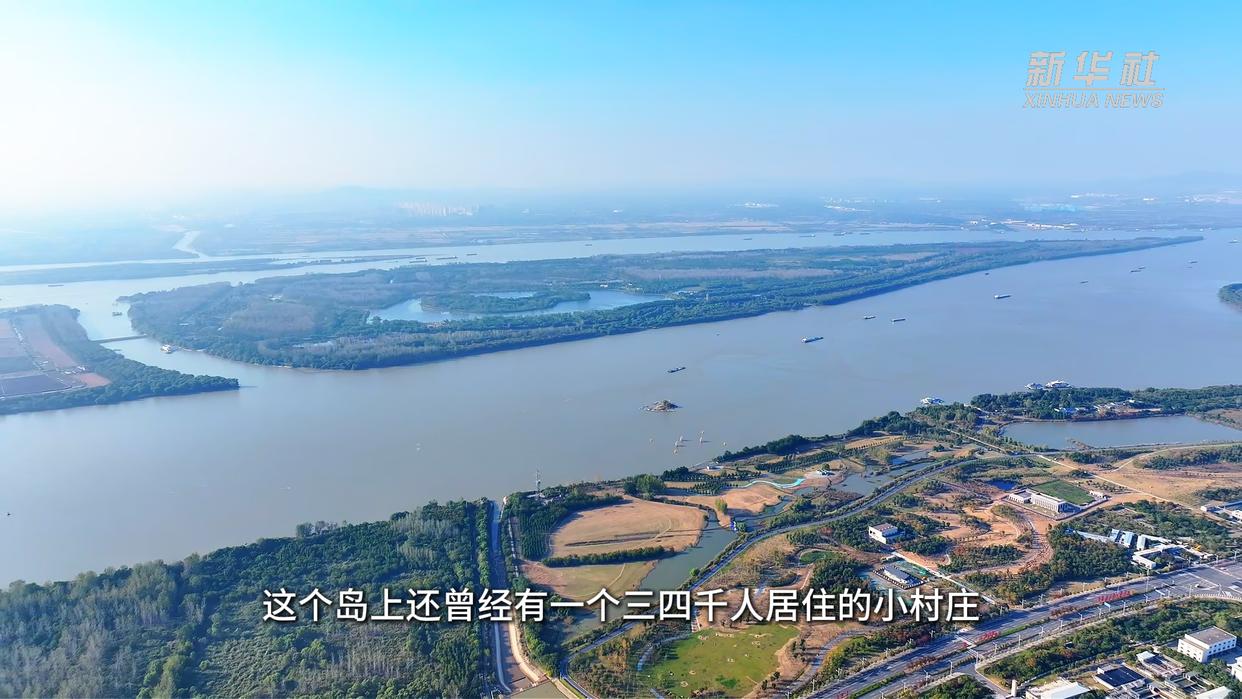
长江大保护十周年|南京江心神秘无人岛
Xin Lang Cai Jing· 2026-01-08 15:54
Group 1 - The core viewpoint of the article highlights the transformation of Xinjiuzhou into an ecological haven, showcasing a balance between human activity and natural wildlife [2][4]. - Xinjiuzhou is now recognized as the only emergency water source located in the heart of the Yangtze River, ensuring safe drinking water for residents in Jiangning District, Nanjing [3]. - The wetland park at Xinjiuzhou embodies the "Yangtze River Protection" strategy, maintaining the ecological integrity of the river and promoting harmony between humans and nature [4].
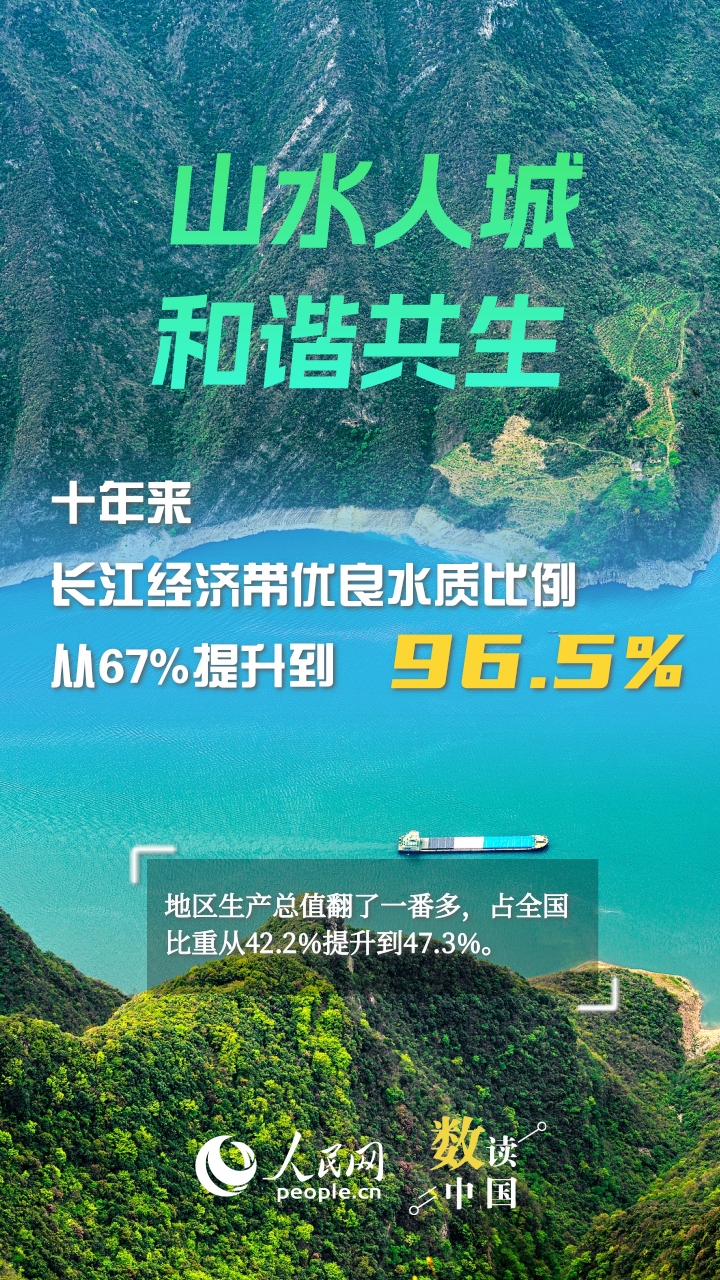
数读中国丨十年护江,铺就山水人城和谐共生幸福路
Ren Min Wang· 2026-01-08 12:48
Core Viewpoint - The article highlights the successful implementation of a ten-year plan for the protection and development of the Yangtze River, emphasizing the harmonious coexistence of nature and urban life along its banks. Group 1: Environmental Protection Efforts - The Yangtze River's water quality has improved significantly, with certain areas seeing enhancements from previously polluted states [4]. - Nearly 10,000 chemical enterprises have been addressed through measures such as closure, modification, relocation, and transformation to tackle the "chemical encirclement of the river" issue [5]. - A total of 1,361 illegal docks have been cleaned up, effectively eliminating black and odorous water bodies in major cities along the river [5]. Group 2: Economic and Infrastructure Development - The Yangtze River has facilitated the construction of high-quality infrastructure, including the China-Europe (Asia) freight trains and the new western land-sea corridor [8]. - The development of nine free trade pilot zones along the river has been promoted to enhance regional economic cooperation [8]. Group 3: Cultural and Social Impact - The Yangtze River has become a symbol of cultural heritage, with archaeological discoveries that have garnered global attention [9]. - The river's scenic beauty and poetic imagery have contributed to its reputation as a stunning natural landmark [9]. Group 4: Water Resource Management - The South-to-North Water Diversion Project has successfully transported over 84 billion cubic meters of water, benefiting approximately 195 million people along the route [12].
大多数公益损害问题诉前解决,武汉检察机关10年来共办理公益诉讼案件8756件
Chang Jiang Ri Bao· 2026-01-08 01:22
Core Insights - The Wuhan People's Procuratorate reported significant achievements in 2025, handling 73,700 cases and receiving recognition for 30 collectives and 49 individuals at the municipal level [1] Group 1: Economic and Business Environment - The Wuhan procuratorial authority processed 7,962 enterprise-related cases as part of the "Service Guarantee Support Point Construction" initiative, contributing to the establishment of a benchmark business environment in the country [2] - A total of 291 cases related to technological innovation were handled, emphasizing the protection of innovation entities and intellectual property rights, with 270 individuals prosecuted for intellectual property crimes [2] Group 2: Social Stability and Security - In 2025, the procuratorial authority arrested 9,494 individuals and prosecuted 14,448, including 132 for organized crime, demonstrating a commitment to maintaining national security and social stability [3] - The implementation of a leniency system for guilty pleas resulted in 87.1% of suspects voluntarily admitting guilt, with a year-on-year decrease of 24.9% in arrest reviews and 18.3% in prosecution reviews [3] Group 3: Public Welfare and Safety - The authority recovered 10.7 million yuan in unpaid wages, reflecting efforts to protect the rights of specific groups, including women and migrant workers [4][5] - A total of 342 individuals were prosecuted for crimes against minors, with a notable decrease in both the number of prosecutions and reviews for such crimes [5] Group 4: Legal Supervision and Public Interest - The Wuhan procuratorial authority handled 11,858 supervision cases, enhancing the oversight of criminal investigations and judicial processes [6] - A total of 995 public interest litigation cases were filed, with most issues resolved before litigation, showcasing the effectiveness of the public interest litigation system [6]
大江奔涌楚天阔 荆楚大地绿意浓
Ren Min Wang· 2026-01-07 01:28
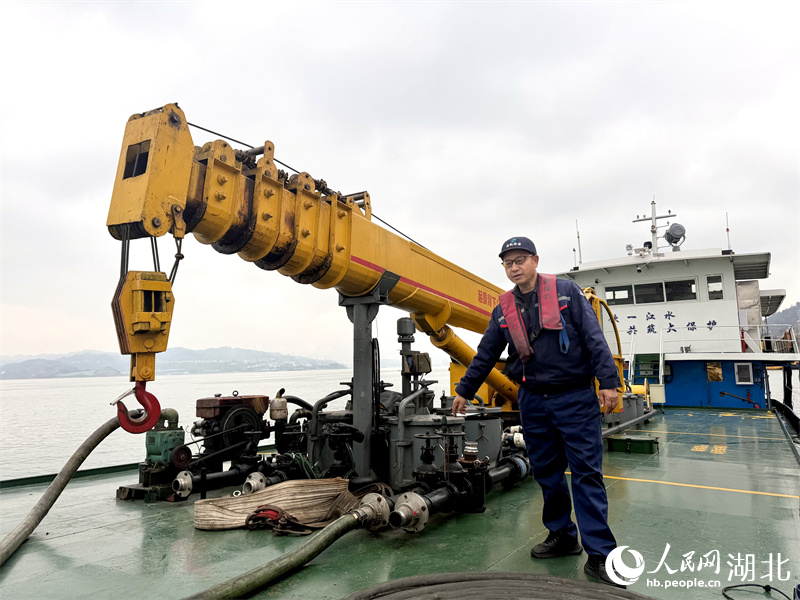
Group 1 - The core viewpoint emphasizes the transformation of Hubei province, particularly in the Yangtze River region, focusing on ecological protection and green development while balancing economic growth [1][10] - The "净小宜" system was launched in November 2019 to manage ship waste disposal effectively, leading to significant improvements in water quality in the Yangtze River section of Yichang [2][4] - The transition of the Xingfa Group from a traditional chemical industry to a leader in new energy and materials showcases the successful shift towards high-end, green development [6][7] Group 2 - The establishment of the Hubei Three Gorges Laboratory in December 2021 aims to integrate innovation resources and address key technological challenges in industrial development [7] - Hubei has created a market for ecological values, pricing clean air and quality water, contributing to the national carbon market's stability and growth [7] - The transformation of urban and rural areas in Hubei, such as the development of parks and ecological corridors, enhances the quality of life for residents and promotes environmental sustainability [8][10]

十年,听长江新“声”
Xin Lang Cai Jing· 2026-01-07 00:40
Group 1 - The core viewpoint of the article highlights the transformative changes in ecological protection and economic development along the Yangtze River over the past decade, showcasing unprecedented vitality in the river [3]. - The research conducted by the Chongqing University Soundscape Research Center, led by Xie Hui, emphasizes the relationship between sound and ecology, capturing the changes in the natural environment and human activities in the Yangtze River basin [1][5]. - Xie Hui aims to use the concept of "soundscape" as a universal language to share the stories of the Yangtze River with the world, reflecting the diversity of the river's ecosystem [5].

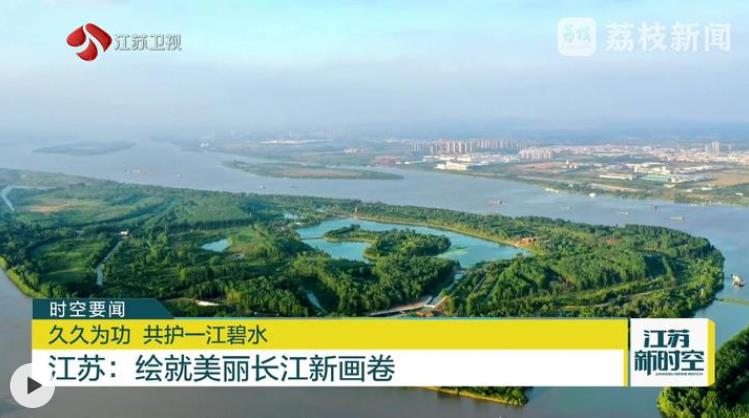
江苏:绘就美丽长江新画卷
Xin Lang Cai Jing· 2026-01-06 16:24
Core Viewpoint - The article emphasizes the importance of ecological protection in the Yangtze River Economic Belt, highlighting the achievements in environmental restoration and sustainable development in Jiangsu province over the past decade [2][11]. Group 1: Ecological Restoration Efforts - Since 2016, Nantong has implemented comprehensive ecological restoration in the Wushan and riverside areas, closing 203 "scattered and polluting" enterprises and cleaning up 162 small boats [6] - The Yangtze River in Jiangsu has seen significant improvements, with water quality maintaining Class II for eight consecutive years and 100% compliance for major tributaries over the past four years [9] - Jiangsu has initiated the "4+1" project for pollution control, identifying and rectifying 16,000 pollution outlets with a completion rate of 98% [8] Group 2: Biodiversity and Community Impact - The number of Yangtze River dolphins in the Nantong section has been monitored at nearly 13,000 instances in 2023, indicating a stable and increasing population [2][4] - Local residents have reported improved environmental conditions, allowing for recreational activities along the river, enhancing community well-being [9] Group 3: Economic and Industrial Transformation - Jiangsu has balanced ecological protection with economic development, transforming industrial zones into ecological areas, such as the removal of 45 chemical enterprises along the Changzhou section [11] - New industries like "Eastern Carbon Valley" and "Innovative Pharmaceutical Valley" have emerged from the ecological transformation efforts [11] Group 4: Future Outlook - Jiangsu aims to continue its ecological initiatives, promoting a harmonious coexistence between nature and urban development, thereby enhancing the prosperity of riverside cities [13]