
防范金融风险

Search documents
多家银行宣布!长期不动账户将被清理
财联社· 2025-10-18 14:05
Core Viewpoint - Multiple banks are cleaning up long-term inactive accounts to enhance financial security and operational efficiency, while also preventing risks such as telecom fraud and money laundering [1][3]. Group 1: Bank Announcements - On October 16, Hubei Yuanan Rural Commercial Bank announced a cleanup of personal bank accounts, including long-term inactive accounts and those with missing or expired identity information [2]. - Various banks have released similar announcements, with criteria for identifying long-term inactive accounts varying across institutions. For instance, Guian Development Village Bank will clean accounts that have had no transactions for a year, excluding interest accruals [2]. - Industrial Bank has adjusted its criteria for long-term inactive accounts from a balance of 100 yuan to 10 yuan, with a requirement of no transactions for 365 days [2]. Group 2: Risk Prevention - The ongoing cleanup of long-term inactive accounts is aimed at strengthening account management and safeguarding customer funds against telecom fraud risks [3]. - Long-term inactive accounts can lead to wasted financial resources and expose consumers to risks of fraud, as sensitive information may be compromised [3]. - The initiative is seen as beneficial for customers, allowing them to better understand their account status and manage their funds effectively [3]. Group 3: Consumer Recommendations - Consumers are advised to regularly review and manage their bank accounts, including timely cancellation of unused cards [4]. - Banks recommend that customers perform at least one transaction on accounts identified as long-term inactive to avoid restrictions [4]. - Customers should verify with their banks if they are unsure whether their accounts fall under the cleanup criteria [4]. Group 4: Security Measures - Banks have assured that during the cleanup process, they will not request sensitive information such as passwords or verification codes through SMS or calls [5]. - Customers are warned against phishing attempts related to account cleanup and should be cautious of unsolicited communications [5].


保障账户与资金安全 多家银行开展长期不动户清理工作
Zhong Guo Zheng Quan Bao· 2025-10-16 23:41
Core Viewpoint - Multiple banks are initiating the cleanup of long-dormant accounts, which includes both personal and corporate accounts, to enhance financial security and operational efficiency [1][3]. Group 1: Bank Announcements - On October 16, Hubei Yuanan Rural Commercial Bank announced a cleanup of personal bank accounts, targeting long-dormant accounts and those with missing or expired identity information [2]. - Other banks, such as Gui'an Development Village Bank, are also implementing similar measures, focusing on accounts that have not had any transactions for over a year [2]. - Industrial Bank has adjusted its criteria for identifying long-dormant accounts, lowering the balance threshold from 100 yuan to 10 yuan and extending the inactivity period from 180 days to 365 days [2]. Group 2: Risk Prevention - The cleanup of long-dormant accounts is seen as a measure to prevent financial risks such as telecom fraud and money laundering, thereby safeguarding customer funds [3]. - Long-dormant accounts can lead to wasted financial resources and increase the risk of fraud, as customers may forget about these accounts, making them vulnerable to unauthorized access [3]. Group 3: Consumer Recommendations - Consumers are advised to regularly review and manage their bank accounts, including closing any that are no longer in use [4]. - Banks recommend that customers engage in at least one transaction to avoid their accounts being classified as long-dormant, which could lead to restrictions on account usage [4]. - Customers should be cautious of any requests for sensitive information during the cleanup process, as banks will not ask for passwords or verification codes through unsolicited communications [4][5].

多家银行开展长期不动户清理工作
Zhong Guo Zheng Quan Bao· 2025-10-16 20:12
Core Viewpoint - Multiple banks are initiating the cleanup of long-term inactive accounts to enhance financial security and operational efficiency while preventing risks such as telecom fraud and money laundering [1][2][3]. Group 1: Bank Announcements - On October 16, Hubei Yuanan Rural Commercial Bank announced a cleanup of personal bank accounts, including long-term inactive accounts and those with missing or expired identity information [1]. - Other banks, such as Gui'an Development Village Bank, are also cleaning up accounts that have not had any transactions for over a year, excluding interest accruals [1]. Group 2: Adjustments in Inactive Account Criteria - Industrial Bank has adjusted its criteria for identifying long-term inactive accounts from a balance of 100 yuan to 10 yuan, with the inactivity period extended from 180 days to 365 days [2]. - The new criteria will be implemented starting October 15, with daily monitoring of accounts that meet the conditions [2]. Group 3: Risk Prevention - The ongoing cleanup of long-term inactive accounts is aimed at strengthening account management and safeguarding customer funds against telecom fraud risks [2][3]. - Long-term inactive accounts can lead to wasted financial resources and increased vulnerability to fraud, as consumers may forget about these accounts and their associated risks [3]. Group 4: Consumer Recommendations - Consumers are advised to regularly review and manage their bank accounts, including closing any long-term inactive accounts [3]. - Banks recommend that customers perform at least one transaction on accounts identified as long-term inactive to avoid restrictions on account usage [4]. Group 5: Security Measures - Banks have assured customers that they will not request sensitive information such as passwords or verification codes during the cleanup process [4]. - Customers can reactivate restricted accounts by visiting bank branches with valid identification or through mobile banking [4].
非凡“十四五” |建设金融强国,他们这样干!
Xin Hua She· 2025-09-23 08:55
Group 1 - The core viewpoint of the news highlights the achievements in China's financial sector during the "14th Five-Year Plan" period, emphasizing deepened financial reforms and the construction of a financial powerhouse [1] - Financial risk prevention and resolution have made significant progress, with tailored reform plans for key regions and the establishment of provincial-level legal entities for rural credit cooperatives [3] - Financial support for the real economy has been strengthened, with a notable decrease in financing platform numbers by over 60% and a reduction in financial debt scale by over 5% compared to the beginning of 2023 [6] Group 2 - The capital market has maintained a market-oriented, legal, and international approach, with long-term funds holding A-shares reaching approximately 21.4 trillion yuan, a 32% increase from the end of the "13th Five-Year Plan" [9] - The foreign exchange market has shown stable operation, with cross-border receipts and payments projected to reach 14 trillion USD in 2024, a 64% increase from 2020 [11] - The financial regulatory system has been solidified, with 171 regulations issued over five years and enhanced supervision of 41 key institutions [21] Group 3 - Financial support for major projects during the "14th Five-Year Plan" has been substantial, with infrastructure loan balances reaching 54.5 trillion yuan, a 62% increase from the "13th Five-Year Plan" [15] - The number of foreign institutions participating in the interbank foreign exchange market has increased, with 703 banks and 115 non-bank institutions involved, including 296 foreign institutions [11] - The total amount of small loans issued to poverty alleviation populations has reached nearly 400 billion yuan [16]
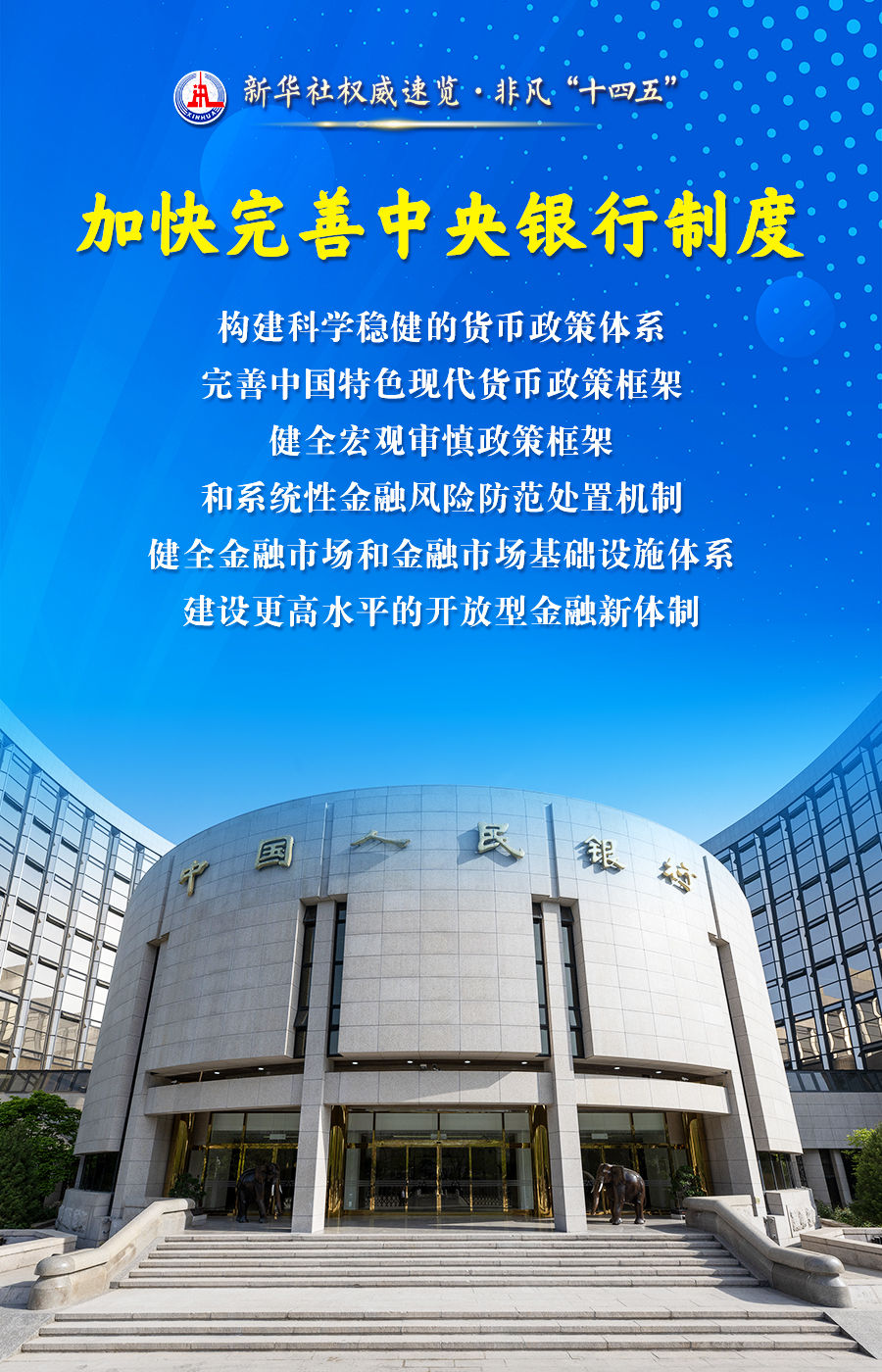
金融监管总局局长李云泽:银行业保险业总资产超500万亿元
Zhong Guo Zheng Quan Bao· 2025-09-23 00:09
Core Insights - The banking and insurance sectors in China have total assets exceeding 500 trillion yuan, with an average annual growth rate of 9% over the past five years, solidifying their position as the largest credit and second-largest insurance market globally [1] - The financial regulatory authority has emphasized high-quality development during the "14th Five-Year Plan" period, enhancing financial services and regulatory frameworks [1] Group 1: Industry Strength and Growth - The comprehensive strength of the industry has significantly improved, with trust, wealth management, and insurance asset management institutions managing nearly 100 trillion yuan, doubling since the end of the "13th Five-Year Plan" [2] - Chinese banks hold six out of the top ten positions in the global top 1,000 banks, with 143 Chinese banks listed [2] - Over the past five years, the banking and insurance sectors have provided an additional 170 trillion yuan in funding to the real economy through various financing methods [2] Group 2: Financial Resource Allocation - The financial regulatory authority has focused on optimizing financial resource allocation, summarized as "increase supply, optimize structure, and fill gaps" [2] - Infrastructure loan balances reached 54.5 trillion yuan, reflecting a 62% increase since the end of the "13th Five-Year Plan" [2] - Loans to high-tech enterprises have reached nearly 19 trillion yuan, with an average annual growth rate exceeding 20% [2] - A mechanism to support financing for small and micro enterprises has been established, resulting in 22 trillion yuan in loans issued [2] Group 3: Risk Management - The primary responsibility of the financial regulatory authority is to prevent and resolve financial risks, with a focus on managing risks in small and medium-sized financial institutions [4] - A tailored approach has been adopted for high-risk institutions, employing strategies such as mergers, online repairs, and market exits [4] - The regulatory authority has actively worked to mitigate risks in the real estate sector and local government debt, establishing a financing coordination mechanism for urban real estate [4] - Loans for "white list" projects have exceeded 7 trillion yuan, supporting the construction and delivery of nearly 2 million housing units [4] Group 4: Regulatory Developments - The revision of the insurance law is being accelerated, with ongoing improvements to regulatory frameworks [5]
银行业保险业总资产超500万亿元
Zhong Guo Zheng Quan Bao· 2025-09-22 20:15
Core Insights - The banking and insurance sectors in China have total assets exceeding 500 trillion yuan, with an average annual growth rate of 9% over the past five years, solidifying its position as the largest credit market and the second-largest insurance market globally [1] Group 1: Industry Strength and Growth - The comprehensive strength of the industry has significantly increased, with trust, wealth management, and insurance asset management institutions managing nearly 100 trillion yuan, doubling since the end of the 13th Five-Year Plan [1] - Chinese banks accounted for 6 out of the top 10 positions in the global top 1000 banks, with 143 Chinese banks listed [1] - The banking and insurance sectors have provided an additional 170 trillion yuan in funding to the real economy through various financing methods over the past five years [1] Group 2: Financial Support and Structural Optimization - Infrastructure loan balances reached 54.5 trillion yuan, a 62% increase compared to the end of the 13th Five-Year Plan [2] - Loans to high-tech enterprises reached nearly 19 trillion yuan, with an average annual growth rate exceeding 20% [2] - A total of 22 trillion yuan in loans has been issued to support small and micro enterprises since last year [2] - Over 1 trillion yuan has been invested in the technology sector through four pilot projects aimed at promoting technological and industrial innovation [2] Group 3: Risk Management and Regulatory Measures - The primary responsibility of the financial regulatory authority is to prevent and resolve financial risks, with a focus on managing risks in small and medium-sized financial institutions [2] - Specific strategies have been implemented to address high-risk institutions, including mergers, online repairs, and market exits [3] - A city-level real estate financing coordination mechanism has been established, with over 7 trillion yuan in loans supporting nearly 20 million housing units [3] - The revision of the insurance law is being accelerated to ensure regulatory frameworks remain up-to-date [3]
中国人民银行行长潘功胜: 坚持支持性货币政策立场 加快完善中央银行制度
Zheng Quan Shi Bao· 2025-09-22 18:03
Group 1 - The People's Bank of China (PBOC) has established a supportive monetary policy stance during the 14th Five-Year Plan period, with a preliminary formation of a modern monetary policy framework with Chinese characteristics [1][3] - Financial system reforms have deepened, significantly enhancing the quality and efficiency of financial services to the real economy, while also making progress in financial openness and risk prevention [1][2] - As of the end of July, foreign institutions and individuals held over 10 trillion yuan in domestic stocks, bonds, and deposits, with panda bond issuance exceeding 1 trillion yuan [1] Group 2 - The number of financing platforms has decreased by over 60% and the scale of financial debt has dropped by over 50% compared to early 2023, indicating a significant reduction in local government financing platform risk levels [2] - The PBOC is exploring monetary policy tools to maintain capital market stability, including the creation of swap facilities and stock repurchase loans [2] - Overall, financial risks are considered manageable, with a robust financial system in place, emphasizing the importance of comprehensive financial regulation as the first line of defense against financial risks [2] Group 3 - The modern monetary policy framework has effectively promoted reasonable growth in financial aggregates, steady decline in financing costs, and optimization of credit structures, while maintaining currency stability [3] - The current monetary policy stance is supportive and moderately accommodative, creating a favorable environment for economic recovery and financial market stability [3] - The PBOC will adjust monetary policy based on macroeconomic data, ensuring ample liquidity and supporting consumption and effective investment to sustain economic recovery [3]

四部门介绍“十四五”时期金融业发展成就 金融体制改革全面深化 顶层设计更加完善
Zheng Quan Ri Bao· 2025-09-22 16:28
Group 1 - The Chinese financial sector has achieved significant accomplishments during the "14th Five-Year Plan" period, with comprehensive reforms and improvements in the financial governance system [1][2] - The People's Bank of China aims to ensure ample liquidity and support economic recovery by utilizing various monetary policy tools, while maintaining the stability of the RMB exchange rate [1][2] - The National Financial Regulatory Administration emphasizes the importance of risk prevention and resolution, successfully reducing the number of high-risk institutions and assets [2] Group 2 - The China Securities Regulatory Commission has focused on enhancing market stability and investor confidence, leading to a steady growth in both the quantity and quality of the capital market [2] - The foreign exchange sector has effectively balanced development and security, maintaining foreign exchange reserves above $3 trillion and improving services to the real economy [3] - Looking ahead to the "15th Five-Year Plan," the foreign exchange management system will be further enhanced to support China's modernization efforts [3]
新华社权威速览·非凡“十四五”丨建设金融强国,他们这样干!
Xin Hua Wang· 2025-09-22 12:39
Core Insights - The "14th Five-Year Plan" emphasizes the deepening of financial system reforms and the construction of a financial powerhouse, with a focus on stable development in capital markets and high-level openness in the foreign exchange sector [1] Financial System Reform - A scientific and robust monetary policy framework is being established, alongside a macro-prudential policy framework and mechanisms for systemic financial risk prevention and resolution [2] - Significant progress has been made in risk prevention and resolution, with over 3,600 illegal shareholders being cleared out and more than 200 companies smoothly delisted during the "14th Five-Year" period [4][8] Support for the Real Economy - Financial support for the real economy has been strengthened, with a reduction in the number of financing platforms by over 60% and a decrease in financial debt scale by over 5% compared to the beginning of 2023 [6] - Infrastructure loan balances reached 54.5 trillion yuan, a 62% increase from the end of the "13th Five-Year Plan" [14] Capital Market Development - By the end of August 2023, various long-term funds held approximately 21.4 trillion yuan in A-share market value, a 32% increase from the end of the "13th Five-Year Plan" [8] - The introduction of policies such as "Science and Technology Innovation Board" and "M&A regulations" aims to enhance marketization and internationalization [8] Foreign Exchange Market - The foreign exchange market has shown stable operation, with cross-border receipts and payments expected to reach 14 trillion USD in 2024, a 64% increase from 2020 [10] - The proportion of the renminbi in cross-border trade has risen from 16% to nearly 30% [10] Financial Regulation - The bond default rate in the exchange market remains low at around 1%, and about 7,000 zombie institutions have been rectified [12] - A comprehensive regulatory system is being established to prevent fraud and improve rules related to share reduction and quantitative trading [12] High-Level Financial Openness - By the end of July, foreign institutions and individuals held over 10 trillion yuan in domestic stocks, bonds, and deposits [20] - The renminbi has become the largest settlement currency for China's external receipts and payments, ranking among the top three trade financing and payment currencies globally [20]
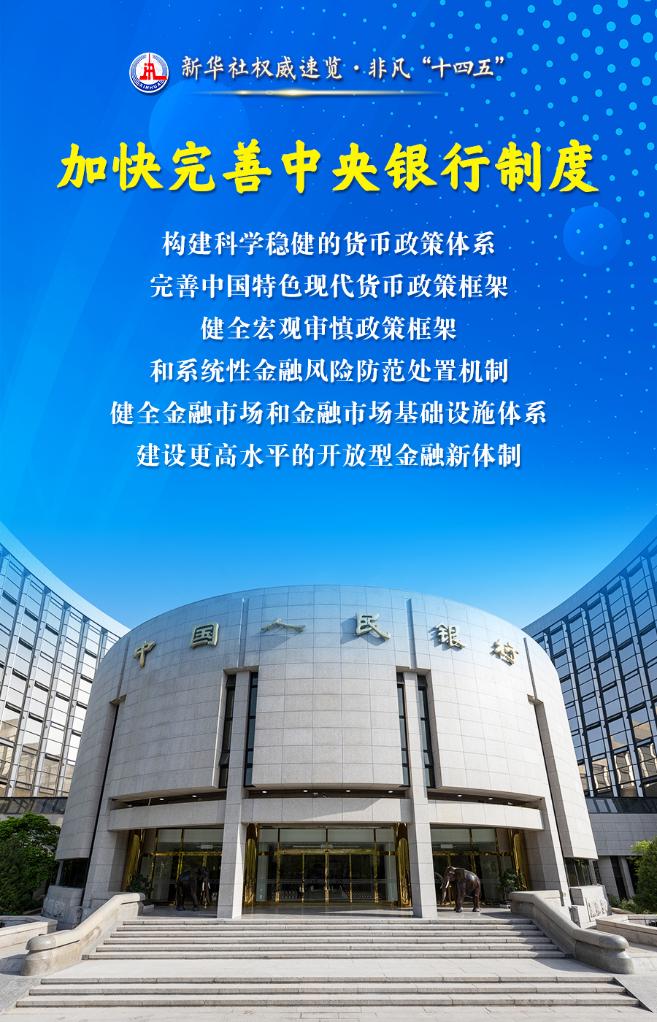
中共交通银行股份有限公司委员会关于二十届中央第三轮巡视整改进展情况的通报
Zhong Yang Ji Wei Guo Jia Jian Wei Wang Zhan· 2025-09-22 10:39
Group 1 - The Central Inspection Team conducted a routine inspection of Bank of Communications from April 15 to July 20, 2024, and provided feedback on October 19, 2024 [1] - The bank's Party Committee has taken political responsibility for the inspection rectification, integrating it with reform and strict governance [2][3] - A rectification leadership group was established to oversee the implementation of corrective measures, focusing on enhancing party building and risk prevention [2][3] Group 2 - The bank is committed to high-quality development by aligning with national financial policies and improving service efficiency [5][6] - The bank has implemented measures to protect consumer rights, including revising seven related regulations to enhance complaint handling [8][34] - The bank aims to strengthen its service to the real economy by improving financial resource allocation and supporting key sectors [9][10][12] Group 3 - The bank has intensified its efforts in credit risk management and is actively addressing risks in key areas [13][14][15] - The bank is focused on preventing corruption in the credit sector and has strengthened oversight mechanisms [21][22] - The bank is committed to enhancing the political responsibility of party governance and has established a comprehensive accountability system [18][19][20] Group 4 - The bank plans to continue its long-term rectification efforts by setting phased timelines and ensuring thorough implementation [32] - The bank emphasizes the importance of political construction and the integration of party leadership in corporate governance [41][42] - The bank aims to consolidate the results of rectification and prevent the recurrence of issues through continuous monitoring and improvement [43]
