
青春经济

Search documents
解锁青春经济的N种方式
Xin Lang Cai Jing· 2026-02-03 20:49
看政府工作报告如何"接住"年轻人的热爱 习。陶轲摄 市民在天府人文艺术图书馆阅读学 省人大代表温雪倩赵奕摄 华西都市报-封面新闻记者赵奕罗石芊杨澜 2月3日上午,省十四届人大五次会议开幕。省长施小琳代表四川省人民政府作政府工作报告。报告提 出,拓展新型消费,发展青春经济。这也是"青春经济"首次被写进四川省政府工作报告。 从"被看见"到"被点亮",一场与青年的"双向奔赴"正在展开。 这意味着,曾经在宏观经济叙事中时而模糊的"青年力量",正逐渐走向舞台中央,从被观察的"他们"转 变为共同执笔的"我们"。这份报告不仅看见了青年的消费活力、创新动能和社交渴望,更意在将这股蓬 勃的青春势能,转化为驱动高质量发展的"优质生产要素"。2月3日,华西都市报、封面新闻记者采访了 省人大代表、省青联委员、成都国际文化艺术中心董事长温雪倩和旁听公民代表、北京大学2025级法学 专业学生杨英睿。 "小确幸"与"大惊喜":当"逛吃跑读"被写进政府文件 "非常惊喜,非常激动!"省两会现场,杨英睿的声音里透着雀跃。这份情绪,源于她在省政府工作报告 中,一眼捕捉到了那个与自己息息相关的词——"青春经济"。 "感觉我们青年人这个群体,越来越被 ...


代表们的疑问和建议 数十家委办局现场“摆摊”解答
Jie Fang Ri Bao· 2026-02-03 01:51
记者 王闲乐 吴頔 顾杰 见习记者 徐心远 宋端仪 昨天16时许,市十六届人大四次会议预备会议结束,参会代表们陆续赶赴现场办理代表意见活动。 数十家部门和单位的工作人员早早等候,积极回应代表们提出的疑问和建议,共同推动解决人民群众关 心关切的问题。 "我一口气跑了4个委办局,都得到了相关负责人的直接答复,效率非常高。"结束咨询后,市人大 代表、上海艾能电力工程有限公司董事长、总经理朱柯丁为市人代会的现场咨询活动点赞。 文旅商体展融合受关注 过去一年,上海持续推动文旅商体展深度融合,有效激发消费活力。代表们都很关心,今年会不会 有更多更好的举措。 "过去一年有900多万人次外籍游客通过上海入境,其中800多万要在上海过夜。未来5年,上海建设 国际航运中心正迎来更大机遇"。在市发改委的咨询台前,市人大代表、上海海阔东岸文化创意产业园 执行董事王芳建议,对标新加坡、东京、纽约、迪拜等世界一流国际机场,上海两大机场应进一步加强 中转业务,不仅服务国内游客出境中转,更要瞄准国际市场。 王芳还提出,上海应进一步打造好"入境第一站"。"在浦东机场建设综合体,让外国游客可以在这 里体验中国特色的吃喝玩乐,展示中国的家电、数码 ...
“青春经济”催生新增长点
Jing Ji Ri Bao· 2026-02-02 22:10
Group 1 - The "Youth Economy" is emerging as a significant force reshaping consumption patterns, driving industrial innovation, and nurturing market ecology, characterized by a deep integration of youth values, lifestyles, and technological literacy [1] - Young consumers are shifting their focus from price-performance ratio to emotional resonance, cultural identity, and value expression, leading to more personalized, experiential, and social consumption behaviors [1] - New consumption trends such as "Guochao" (national trend), blind box economy, and outdoor lifestyle reflect the changing market dynamics driven by the youth demographic [1] Group 2 - The youth demographic, as "digital natives," is actively engaging in new technologies and platforms, transitioning from consumers to "prosumers," and contributing to the digital, smart, and creative economies [2] - The rise of the "slash youth" and freelancers is creating new job opportunities and economic growth points, injecting fresh vitality into economic structure optimization [2] - New professions and consumption scenarios are emerging, with over 20 cities in China adapting to consumption transformation, and more than 60 core business districts actively developing features centered around youth culture [2] Group 3 - To further unleash the potential of the youth economy, it is essential to improve the institutional environment by establishing labor protection, intellectual property rights, and financing support policies that align with new business models [3] - Strengthening the foundational skills of youth, including innovation, financial literacy, and digital skills, is crucial for fostering a conducive environment for entrepreneurship [3] - Creating shared platforms, incubators, and innovation competitions will provide opportunities for youth, especially in small towns and rural areas, to showcase their talents [3]
三个“热词”被写进了政府工作报告
Xin Lang Cai Jing· 2026-01-25 20:20
Group 1 - The core focus is on promoting the synergy between the Huaihai International Expo Center and the Olympic Sports Center in Xuzhou to enhance the development of the exhibition economy, performance economy, and event economy [1][2] - In 2022, Xuzhou hosted 20 specialized exhibitions at the Expo Center, generating over 1.7 billion yuan in transaction volume [1] - The city successfully organized 48 large-scale performances and events, attracting over 1.15 million attendees [1] Group 2 - Xuzhou's strategic location as a transportation hub facilitates the development of the performance, event, and exhibition economies, benefiting surrounding regions [2] - The Expo Center is recognized as a significant venue for exhibitions, with a large scale and comprehensive functions, capable of hosting various types of events [2] - Plans for 2023 include hosting multiple events such as pet exhibitions, national style animation exhibitions, and e-sports competitions to enhance consumer engagement [2]
贵州召开2026年“共青团与人大代表、政协委员面对面”座谈会
Xin Lang Cai Jing· 2026-01-21 15:24
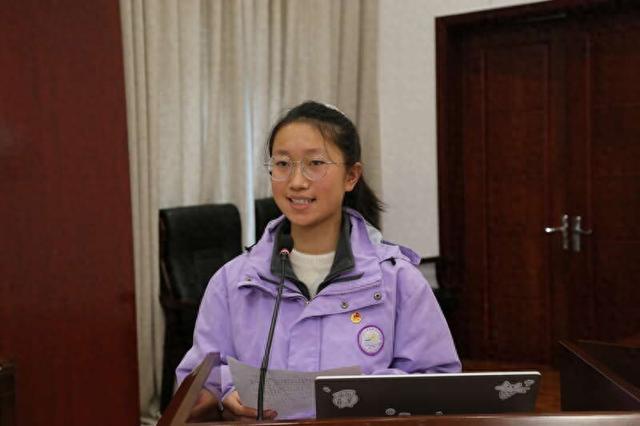
一名中学生在会上分享自己的"小提案"。 专家学者围绕"大力发展'青年经济',服务推动高质量发展"与"培育青少年积极心理品质,增强青少年心 理韧性"主题作了专题介绍并提出针对性建议。贵州省中长期青年发展规划联席会议办公室有关同志介 绍了关于构建贵州省全链条青年发展政策体系的思考与建议。 中国青年报客户端讯(中青报·中青网记者 李雅娟)1月20日,共青团贵州省委举办贵州省2026年"共青 团与人大代表、政协委员面对面"座谈会,会上围绕"强化青少年思想政治引领""推动青年发展融入'十 五五'规划""培育发展'青春经济'"等主题深入研讨。 据悉,"共青团与人大代表、政协委员面对面"活动在贵州已持续开展18年,是推动青年发展政策落地见 效的重要抓手。 会上,来自小学、中学、大学的4位青少年代表分享了"小提案",内容涵盖"丰富校外劳动研学实践""加 强乡村中小学心理健康教育""抵制体育'饭圈化'构建大众体育治理体系""推动少数民族手工艺数字化转 型与青年传承"等。 与会省直相关部门处室负责同志,基层团干部、志愿者、心理咨询师代表,结合各自领域,围绕会议主 题充分交流,提出许多建设性意见。参会的贵州省人大代表、政协委员认真 ...
度小满“青年小店榜样计划”赋能800余创业者 1600万免息贷款点燃城市活力
Zheng Quan Ri Bao Wang· 2026-01-20 11:47
Group 1 - The "Youth Small Shop Model Program" initiated by the China Youth Entrepreneurship and Employment Foundation, in collaboration with Du Xiaoman and local youth federations, has provided skills training, traffic support, and 16 million yuan in interest-free loans to over 800 young entrepreneurs since its launch in early 2022 [1][3] - The program aims to rejuvenate traditional crafts and promote cross-industry integration, injecting vitality into urban areas, with a second phase set to expand to 10 additional cities by 2026 [1][3] - The initiative includes the "Chasing Light Action," which documents the stories of young entrepreneurs and urban landscapes, providing comprehensive traffic boosts to these entrepreneurs [1] Group 2 - In Lishui, the founder of Shao Yin Tang Shui Pu integrates traditional Chinese medicine into beverages, creating a "health + lifestyle" consumption scene, showcasing the diverse aspects of the youth economy [2] - Various entrepreneurs are innovating by merging traditional crafts with modern aesthetics, such as the paper-cutting artist in Zhangjiakou and the snack entrepreneur in Changsha, who aim to elevate traditional products to contemporary markets [2] - The program has established a collaborative entrepreneurial ecosystem through mentorship, training services, and financial empowerment, with cities like Linyi in Shandong becoming national pilot cities for integrating small shop economies with cultural tourism [3]

安徽芜湖出台专项方案支持“青春小店”“青年主理人”成长
Xin Lang Cai Jing· 2025-12-31 15:53
Core Viewpoint - The initiative "Youth Renewal, Small Shops On Stage" aims to stimulate youth economic development in Wuhu City, focusing on supporting "youth small shops" and "youth leaders" to enhance youth consumption and entrepreneurship [1][2]. Group 1: Implementation Plan - The "Implementation Plan" emphasizes the support for "youth small shops" and "youth leaders," with a goal to establish a "Youth Small Shop Alliance" and provide growth guides and Citywalk routes [2]. - The plan includes organizing at least 10 youth economic salons annually, nurturing no less than 100 youth small shops, hosting at least 100 youth markets, and distributing at least 10 million yuan in youth consumption vouchers [1][2]. Group 2: Financial Support and Resources - A "Youth Economic Service Team" will be formed, consisting of entrepreneurial mentors, legal experts, and brand planners, to provide comprehensive support for youth entrepreneurship [2]. - The plan allocates up to 4 million yuan in subsidized loans and rewards to assist young entrepreneurs in realizing their business dreams [2]. Group 3: Economic Development Focus - The initiative aims to develop sectors such as trendy toys, experiential economy, pet economy, and national trend economy, while introducing well-known IP flagship stores and unique trendy shops [2]. - The city plans to integrate traditional crafts like iron painting and fabric dyeing with contemporary trends to foster innovation [2]. Group 4: Youth Development and Quality of Life - The plan addresses long-term youth development by enhancing job opportunities, increasing the supply of talent apartments, and upgrading housing policies [2]. - It aims to improve the consumption environment and establish a green channel for youth consumer rights protection, promoting rational consumption to enhance the sense of gain, happiness, and security for youth living in Wuhu [2].

“超级皖・青春市集”燃动合肥,赛事IP赋能青春经济
Xin Lang Cai Jing· 2025-12-31 15:53
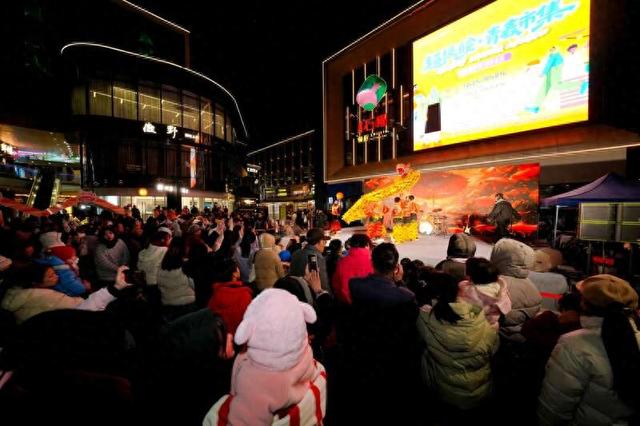
Core Viewpoint - The "Super Anhui Youth Spring Market" is set to open on December 31, 2025, in Hefei, integrating various cultural and technological elements to create a vibrant youth celebration during the New Year holiday [1]. Group 1: Event Overview - The market is organized by the Anhui Provincial Youth Federation and other local youth organizations, leveraging the influence of the "Super Anhui" brand to attract visitors [1]. - The event features 29 themed tents and 35 trendy points, divided into seven distinct thematic areas, showcasing local agricultural products, intangible cultural heritage, and innovative technology [3][5]. Group 2: Thematic Areas - The "Youth Power in Agriculture" exhibition area highlights geographical indication agricultural products and includes a live-streaming sales section to promote local goods [3]. - The "Intangible Cultural Heritage Experience" area presents traditional crafts such as Huizhou wood carving and Xixian embroidery, alongside trendy derivative products created by young designers [3]. - The "Creative Arts" display area features calligraphy activities where youth can write New Year blessings, while the "Technology Interaction" area showcases AI experiences and robotics [5]. Group 3: Community Engagement - The market promotes a "traffic attraction + consumption conversion" model, utilizing special tourism and dining coupons to stimulate the local economy [7]. - Evening performances by local bands and cultural groups, including lion dance and Huangmei opera, create a lively atmosphere, while a youth night school offers various educational activities [7].
上海青年驿站将提质扩容 从200间逐步提升至5000间
Jie Fang Ri Bao· 2025-12-19 01:47
Core Insights - The main concern for youth is development opportunities, while their primary need is for affordable and livable housing [1] Group 1: Youth Housing Initiatives - The "Youth Station" project addresses the transitional housing needs of young people moving to Shanghai for job opportunities, offering free accommodation for up to 3 days at a time, with a maximum of 15 days per year [1] - The plan to enhance and expand the Youth Station aims to increase the number of available units from 200 to 5,000, including services for local university graduates [1] Group 2: Economic Development for Youth - The youth demographic is becoming a significant force in the consumer market, prompting the Shanghai Municipal Commerce Commission to collaborate with the Youth League Committee to implement measures for the innovative development of the "Youth Economy" [1] - The "Youth Economy Empowerment Support Plan" includes five initiatives: the Growth Plan for Main Operators, Trend Brand Innovation Plan, Full Ecosystem Service Plan, Most Popular Space Plan, and Media Promotion Plan, aimed at optimizing the development ecosystem for youth entrepreneurs [1] Group 3: Urban Development for Youth - During the 14th Five-Year Plan period, Shanghai will accelerate the construction of vibrant youth-oriented districts, parks, and communities, planning for 24-hour "Youth Power" units to create more youth-friendly spaces [1]
临平勾勒青年发展新图景
Hang Zhou Ri Bao· 2025-12-11 02:40
Core Insights - The article highlights the launch of the "Youth Economic Empowerment Action" in Linping District, which aims to enhance youth development through various initiatives and programs [1][2] Group 1: Youth Development Initiatives - The "Youth Economic Empowerment Action" includes over 50 vocational skill courses under the "Employment+" initiative, monthly themed markets, and a fund to support the revitalization of "Youth Shops" [1] - The "Lin Yan Return" talent recruitment initiative aims to attract students back to their hometowns, while the "Youth in Rural Areas" initiative focuses on shared prosperity for young people [1] Group 2: Cross-Industry Collaboration - A new cross-industry platform called "Youth Good Market" was established, involving partnerships between the Communist Youth League of Linping District and several educational institutions and commercial entities [2] - This alliance aims to integrate academic resources and youth innovation with commercial spaces, providing practical opportunities for youth outside the classroom [2] Group 3: Volunteer Services - The "Youth Empowerment through Night School" volunteer service initiative was launched, featuring ten service projects in areas such as anti-fraud, arts, and science popularization [2] - The establishment of ten professional service teams indicates a commitment to transforming the knowledge gained in night school into actionable community service [2]