
非物质文化遗产保护

Search documents
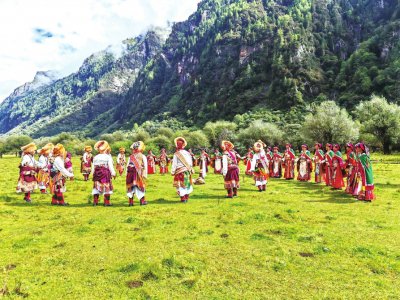
省级非物质文化遗产马尔锅庄:“口传心授”的技艺如今“跳”进书里
Xin Lang Cai Jing· 2025-12-30 18:06
Core Viewpoint - The preservation and transmission of the Malguzhuang, a significant intangible cultural heritage of the Gyarong Tibetan region, face challenges due to generational shifts and the reliance on oral tradition for its continuation [6][7][8]. Group 1: Cultural Heritage and Preservation - Malguzhuang, originating from the 8th century, is recognized as the most complete form of this cultural practice in the Gyarong Tibetan area [6]. - The tradition relies heavily on oral transmission, with many details stored in the memories of older practitioners, leading to concerns about the potential loss of this heritage as the younger generation shows decreasing interest [8][9]. - A team has been formed to document Malguzhuang in written form, combining expertise in local culture and language to ensure accurate representation of its cultural significance [8][9]. Group 2: Documentation Efforts - The documentation process began 16 years ago, with a focus on preserving the intricate details of Malguzhuang through written records, audio, and video [7][8]. - A comprehensive book titled "Malguzhuang" is set to be published in 2024, which will include historical context, types of Malguzhuang, and its relationship with local customs and practices [9][10]. - The team has conducted extensive field research, collecting a vast amount of material, including 173 oral lyrics, which have been translated and annotated for preservation [9][10].

让民族特色在利用中更加鲜亮
Xin Lang Cai Jing· 2025-12-28 19:25
Core Viewpoint - The articles emphasize the importance of preserving and promoting ethnic culture in Guizhou, highlighting the need for innovative development and creative transformation of cultural heritage to strengthen national unity and identity [1][2][3]. Group 1: Cultural Development Strategies - The 20th Central Committee of the Communist Party of China has proposed strategic tasks to stimulate cultural innovation and development, particularly focusing on the integration of minority cultures into the broader Chinese cultural framework [1]. - Guizhou's "Four Major Cultural Projects" include initiatives to promote the transmission and development of ethnic cultures, aiming to enhance the value of diverse cultural heritages [1][2]. Group 2: Festival and Tourism Promotion - The "Minority Festival Support and Promotion Plan" aims to leverage festival culture as a means to showcase and celebrate the rich diversity of ethnic traditions, with events like the "Three March" cultural tourism festival attracting participation from various ethnic groups [2][3]. - Festivals are being developed into immersive tourism projects that connect different regions, enhancing local economies and fostering cultural identity through shared experiences [2][3]. Group 3: Protection of Intangible Cultural Heritage - Guizhou is recognized as a major province for intangible cultural heritage, with initiatives to support the establishment of production-oriented protection bases for ethnic crafts and traditional arts [4][7]. - The approach to heritage protection emphasizes a balance between preservation and development, encouraging community engagement in cultural practices such as the Dong people's choral singing and Miao people's flying songs [4][6]. Group 4: Modernization and Market Integration - There is a focus on bridging traditional ethnic arts with contemporary aesthetics to appeal to younger audiences, integrating cultural elements into modern products and designs [5][6]. - The promotion of ethnic crafts through market-oriented strategies aims to enhance their visibility and economic viability, encouraging the fusion of traditional techniques with modern fashion [7]. Group 5: Collaborative Development and Resource Sharing - The strategy includes fostering collaboration among different ethnic groups and regions to create a synergistic platform for the development of traditional crafts, avoiding competition and promoting a diverse cultural landscape [7]. - Initiatives to establish a comprehensive promotional system for ethnic crafts aim to enhance their influence and ensure sustainable cultural transmission and innovation [7].
大国五年|多彩非遗,匠心续华章古韵焕新声
Xin Hua She· 2025-12-26 02:06
Core Viewpoint - The article emphasizes the significance of intangible cultural heritage (ICH) as a vital part of Chinese traditional culture, showcasing its role in employment generation, rural revitalization, and cultural continuity during the "14th Five-Year Plan" period [1]. Group 1: Cultural Heritage and Employment - China has the world's largest ICH list, with over 12,900 ICH workshops creating jobs for more than 1.2 million people [1][23]. - The integration of ICH with tourism and fashion has become a trend, enhancing cultural experiences in daily life [1][22]. Group 2: Cultural Ecological Protection - There are 276 national and provincial cultural ecological protection zones established, contributing to the preservation of local cultural memories [1][3]. - The government has issued policies and plans to strengthen ICH protection, including the "14th Five-Year Plan for the Protection of Intangible Cultural Heritage" [6]. Group 3: Education and Training - The number of national ICH representatives has reached 942, with extensive training programs implemented across 130 institutions, benefiting over 100,000 participants [11]. - More than 100 universities have established undergraduate programs focused on ICH protection, and over 200 universities are involved in training ICH inheritors [14][15]. Group 4: Cultural Activities and Community Engagement - Traditional customs and festivals, such as the Lantern Festival and Chongyang Festival, enhance the cultural significance of celebrations [8]. - The trend of "traveling with ICH" has gained popularity, with various regions promoting their unique ICH as tourist attractions [25].
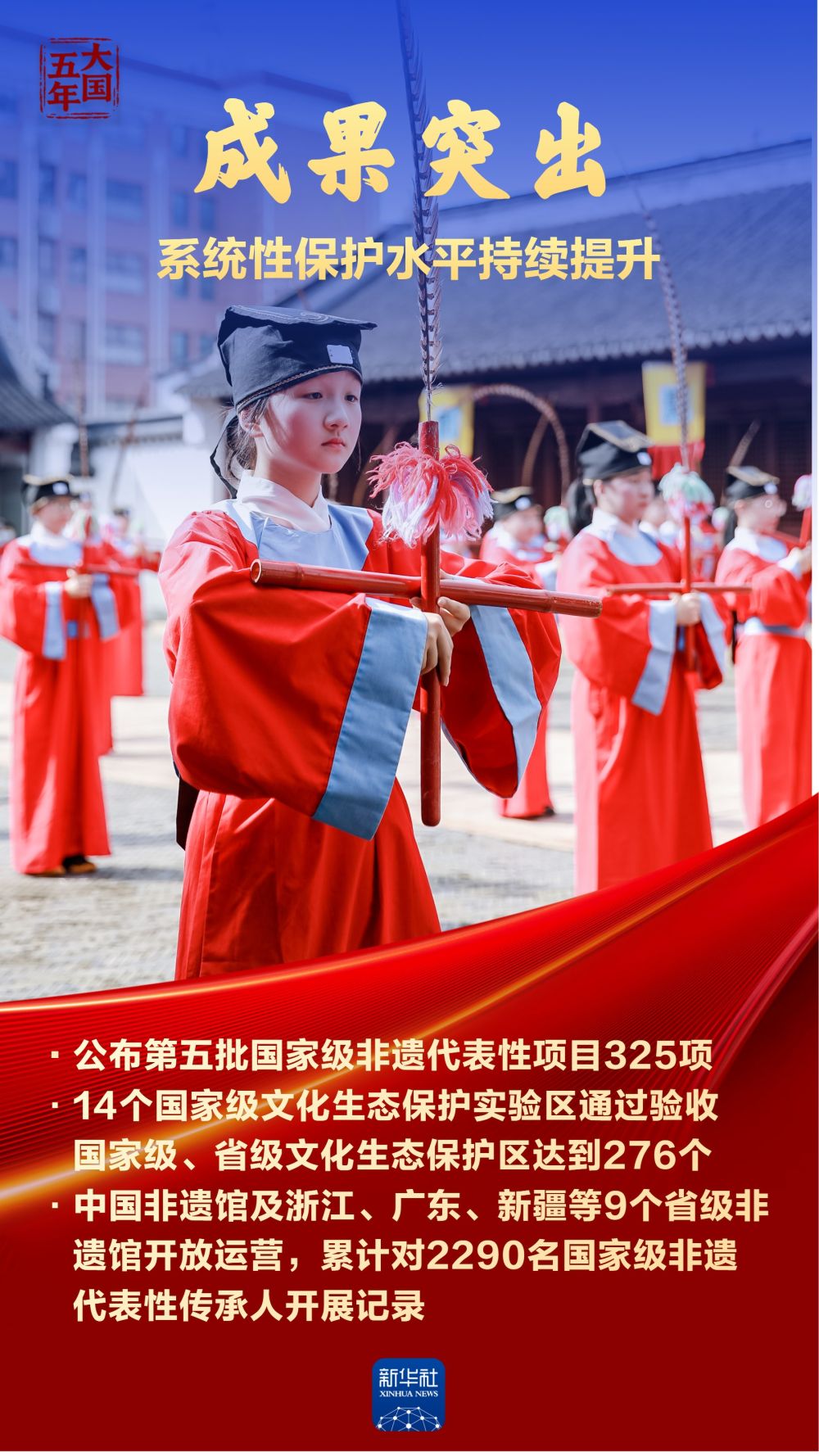
伊玛堪展示活动举行
Xin Lang Cai Jing· 2025-12-24 22:54
Group 1 - The event "Hezhe Style 'Together to Appreciate'" showcased the inclusion of "Hezhe Ethnic Imakan" into the UNESCO Representative List of the Intangible Cultural Heritage of Humanity and the Excellent Protection Practice List [3] - The event focused on cultural display and sharing of protection experiences through various formats, including exhibitions, live performances, and transmission connections, highlighting the achievements in Imakan protection [3] - The launch of the Imakan APP demonstrated the innovative digital display of the "Longjiang Experience" and "Hezhe Practice" in intangible cultural heritage protection [3] Group 2 - The local non-material cultural heritage protection center has established a multi-faceted transmission system through community WeChat classes, the addition of Hezhe language courses in schools, and the creation of teaching materials and dictionaries [4] - The "Double Success" event marks a significant achievement in the protection of intangible cultural heritage in Heilongjiang Province, with the Hezhe ethnic Imakan forming a five-level protection system over 14 years [4] - The number of inheritors has increased from 5 to 121 (with 3 deceased), and the transmission model has expanded to 7 transmission sites and "three towns and two villages," along with nearly 30 inheritors' rescue recordings and the establishment of a database for digital archiving [4]
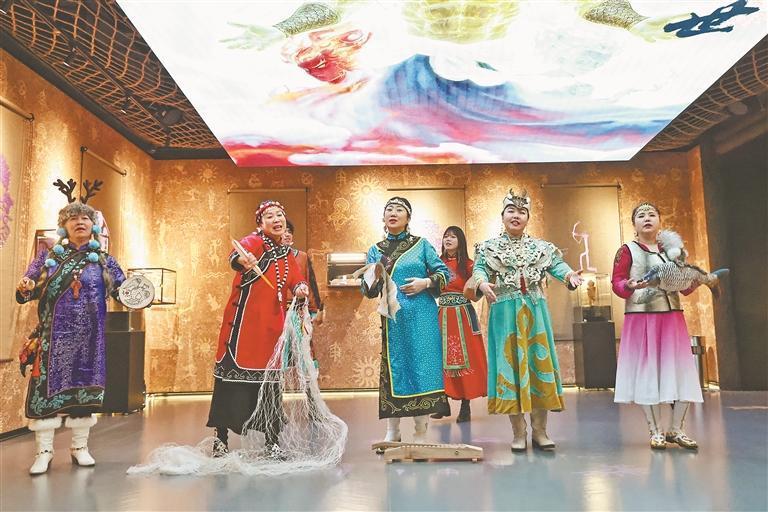
中国首部《非物质文化遗产保护干部必读》藏文版出版发布
Xin Lang Cai Jing· 2025-12-21 05:42
Core Viewpoint - The publication of the Tibetan version of the book "Essential Reading for Cadres on the Protection of Intangible Cultural Heritage" marks a significant step in the theoretical dissemination and practical guidance of intangible cultural heritage (ICH) protection in ethnic regions of China [1][4]. Group 1 - The original work serves as a practical guide for frontline ICH protectors, addressing 161 practical issues related to ICH, combining both theoretical and practical aspects [3]. - The Tibetan translation retains the original eight-chapter structure and includes additional content such as the "Management Measures for Chinese Intangible Cultural Heritage Symbols," enhancing readability and practicality for Tibetan grassroots cadres and ICH inheritors [3][4]. - The translation was undertaken by a well-known Tibetan translator, Tsiren Jianchen, whose academic background and practical experience ensure the accuracy and cultural adaptability of the text [4]. Group 2 - The release event focused on the theme of "Localization of ICH Theory and Cross-Border Dialogue," where representatives from various sectors discussed the integration of cutting-edge ICH protection theories with local practices in Tibet [4]. - As the first systematic professional reading material on ICH protection in Tibet and surrounding provinces, the book aims to promote the creative transformation and innovative development of excellent traditional Chinese culture in ethnic regions [7]. - The publication is expected to enhance the scientific and standardized level of grassroots ICH work, contributing to the deep cultural connotation of the Chinese national community consciousness [7].

景德镇璞慕陶瓷有限公司成立 注册资本100万人民币
Sou Hu Cai Jing· 2025-12-17 03:44
Core Viewpoint - Jingdezhen Pumu Ceramics Co., Ltd. has been established with a registered capital of 1 million RMB, focusing on various ceramic products and related services [1] Company Overview - The legal representative of Jingdezhen Pumu Ceramics Co., Ltd. is Rao Zexi [1] - The company is registered with a capital of 1 million RMB [1] Business Scope - The company engages in the sale of daily ceramic products, non-metallic minerals and products, sanitary ceramic products, and tea sets [1] - It also sells arts and crafts, kitchenware, special ceramic products, and building ceramic products [1] - Additional activities include internet sales (excluding items requiring permits), artificial intelligence software development, and various technical services [1] - The company is involved in cultural heritage protection, organizing cultural and artistic exchange activities, and providing professional design services [1]
教科文组织:67项元素入选联合国非遗名录
Yang Shi Xin Wen· 2025-12-14 06:09
Group 1 - The UNESCO announced that 67 intangible cultural heritage elements were added to its list this year [2] - Among the 67 elements, 11 were included in the urgent need for protection list, 53 in the representative list of the intangible cultural heritage of humanity, and 1 in the list of best safeguarding practices [2] - Two elements were moved from the urgent need for protection list to the representative list due to successful safeguarding measures, including the "Hezhe Ethnic Imakan" which also received recognition in the best safeguarding practices list [2] Group 2 - The theme of this year's reviewed applications highlighted the value of traditional craftsmanship, emphasizing that these practices are based on precise actions and inherited skills, providing sustainable livelihoods for some communities [2] - The UNESCO Intergovernmental Committee for the Safeguarding of the Intangible Cultural Heritage will hold its 21st session in Xiamen, China, in 2026 [2][3]
联合国教科文组织保护非遗政府间委员会第21届常会将于厦门举办
Xin Hua She· 2025-12-12 10:43
联合国教科文组织保护非物质文化遗产政府间委员会是《保护非物质文化遗产公约》的法定机关, 每年举办一次常会,主要职责包括监督公约实施情况,拟定公约操作指南,审议缔约国定期报告,评审 申报列入联合国教科文组织非遗名录、名册项目和国际援助申请等。 正在印度新德里举行的委员会第20届常会11日决定,将中国"赫哲族伊玛堪"从急需保护的非物质文 化遗产名录转入人类非物质文化遗产代表作名录,"'赫哲族伊玛堪'保护计划"选入优秀保护实践名册。 至此,中国列入联合国教科文组织非遗名录、名册项目的总数增加至45项,是"非遗"项目列入总数最多 的国家。 新华社新德里12月12日电(记者伍岳 陈冬书)联合国教科文组织保护非物质文化遗产政府间委员 会第20届常会12日决定,将于2026年11月30日至12月5日在中国厦门举办委员会第21届常会。 ...
十年十项!这些中国项目列入人类非遗代表作名录
Xin Hua She· 2025-12-12 08:22
Core Points - The UNESCO Intergovernmental Committee for the Safeguarding of the Intangible Cultural Heritage has moved China's "Hezhe Ethnic Imakan" from the urgent protection list to the Representative List of the Intangible Cultural Heritage of Humanity, recognizing its successful protection efforts [1][2] - Over the past decade, China has successfully included ten projects in the Representative List of the Intangible Cultural Heritage of Humanity, showcasing the country's commitment to preserving its cultural heritage [2][3] Group 1 - The "Hezhe Ethnic Imakan" is a long-standing oral tradition of the Hezhe people, conveying their history, heroic stories, and cultural practices through narrative in the Hezhe language [2] - Since its inclusion in the urgent protection list in 2011, various stakeholders, including community members, social organizations, and government bodies, have collaborated to enhance the visibility and intergenerational transmission of this heritage [2] - The successful transition of "Hezhe Ethnic Imakan" to the Representative List reflects the effectiveness of China's systematic approach to intangible cultural heritage protection [3] Group 2 - Other projects that have transitioned to the Representative List include "Spring Festival," "Li Ethnic Traditional Weaving Techniques," "Qiang New Year," and "Traditional Construction Techniques of Chinese Wooden Arch Bridges," all of which have shown significant improvement in their preservation efforts [2][3] - The "Spring Festival" embodies the emotional and cultural values of the Chinese people, promoting family harmony and social cohesion, and is recognized for its role in enhancing cultural identity among Chinese communities worldwide [3] - The inclusion of these heritage projects in the Representative List serves as a valuable reference for other countries in their intangible cultural heritage protection efforts [3]
从“急需保护”到“传承有序”:赫哲族伊玛堪的守护与传承之路
Xin Hua Wang· 2025-12-11 23:12
Core Viewpoint - The Huzhe ethnic group's oral tradition, "Imakan," has been successfully transitioned from an urgent protection list to a representative work of human intangible cultural heritage, highlighting the importance of systematic protection and revitalization efforts [1][12]. Group 1: Cultural Heritage Protection - "Imakan" is a narrative art form that embodies the values of heroism, justice, and harmony with nature, serving as a cultural symbol for the Huzhe people [3]. - In the early 21st century, only five individuals could perform "Imakan," prompting a systematic rescue and protection initiative that began in the 1980s [3]. - The establishment of the intangible cultural heritage law in 2011 provided institutional support for the protection of "Imakan" [3]. Group 2: Revitalization Efforts - Currently, over 100 inheritors are actively involved in the revival of "Imakan," with seven training centers fostering its continuation [4]. - Wu Baochen, a key figure in the protection and transmission of "Imakan," has contributed significantly to teaching and developing educational materials [6]. - The establishment of the Tongjiang Intangible Cultural Heritage Festival and the creation of various artistic works have increased public interest in "Imakan" [8]. Group 3: Language and Education - The preservation of the Huzhe language is crucial for the continuation of "Imakan," as there are only about 5,000 Huzhe people, with few fluent speakers [9]. - The introduction of Huzhe language into primary school curricula is a significant step towards ensuring the continuity of cultural heritage [9]. Group 4: Innovation and Modernization - "Imakan" has embraced modern technology, with initiatives like 5G and VR enhancing the cultural experience and integrating it into contemporary life [11]. - Young inheritors are blending traditional "Imakan" with modern music and social media to keep the art form vibrant and relevant [11]. Group 5: Cultural Exchange and Impact - The successful transition of "Imakan" to a representative work of heritage serves as a model for other ethnic groups in China, promoting cultural prosperity and exchange [12][14]. - The experience gained from protecting "Imakan" is expected to enhance the international visibility and appeal of Chinese culture [14].
