八段锦

Search documents
我市社会体育指导员苦练“内功”
Xin Lang Cai Jing· 2026-02-07 21:55
Core Viewpoint - The training program for social sports instructors, coaches, and referees in Tianjin aims to enhance the skills and teaching capabilities of over a hundred qualified social sports instructors, focusing on differentiated teaching methods based on project characteristics [1] Group 1: Training Program Overview - The training lasted for five days and was held at the Olympic Sports Center Giant Star Sports Center [1] - It was co-hosted by the Tianjin Sports Competition and Social Sports Affairs Center and the Tianjin Social Sports Instructors Association [1] - This was the first systematic training of the year, attracting instructors with level one qualifications or above [1] Group 2: Training Content and Methodology - The training emphasized a core approach of "grasping the backbone and digging into details" [1] - For well-known projects like Tai Chi and Ba Duan Jin, coaches from Beijing focused on breaking down action details, teaching essentials, and correction methods through repeated practice and strict assessments [1] - For less popular projects such as fitness Yangko and dance aerobics, the training concentrated on basic movement instruction, including footwork and body coordination [1] Group 3: Objectives and Future Implications - The training aims to build a high-level talent pool of instructors who are not only skilled but also capable of effectively teaching and communicating [1] - The introduction of expert courses is intended to elevate the theoretical and practical quality of guidance services [1] - This initiative is expected to lay a solid foundation for serving community fitness needs and supporting event activities in the future [1]
从五个维度入手识别早期信号
Xin Lang Cai Jing· 2026-02-07 07:22
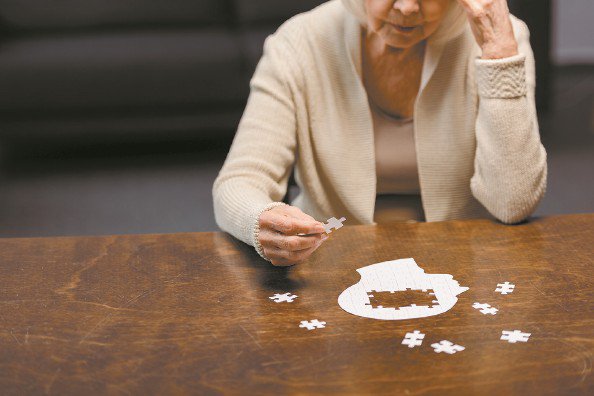
Core Insights - The article highlights the increasing prevalence of Alzheimer's disease in China, with approximately 16.99 million affected individuals in 2021, accounting for nearly 30% of the global cases. Early detection rates remain low, leading to missed intervention opportunities for many families [2]. Group 1: Identification of Alzheimer's Disease - Distinguishing normal aging from early Alzheimer's can be done through five key dimensions: memory content, executive function, spatial orientation, visual-spatial ability, and language/character changes [3][4][6][9]. - Normal forgetfulness involves losing details but retaining the main event, while warning signs include complete memory loss of recent events, indicating potential hippocampal damage [3]. - A decline in the ability to execute familiar multi-step tasks, such as operating a washing machine, may signal executive function impairment linked to frontal and parietal lobe dysfunction [3]. Group 2: Warning Signs and Traditional Chinese Medicine (TCM) Approaches - Significant confusion regarding time and place, such as getting lost in familiar areas, may indicate severe cognitive decline associated with posterior brain function deterioration [4]. - Visual processing issues, like difficulty judging distances or recognizing faces, suggest potential dysfunction in the visual cortex and parietal lobe [6]. - TCM views Alzheimer's as a form of "forgetfulness," attributing it to kidney essence deficiency and suggesting dietary and lifestyle adjustments to improve cognitive health, such as consuming walnuts and practicing Tai Chi [6][7][8][9].

健身练得越杂,越健康
3 6 Ke· 2026-02-07 04:11
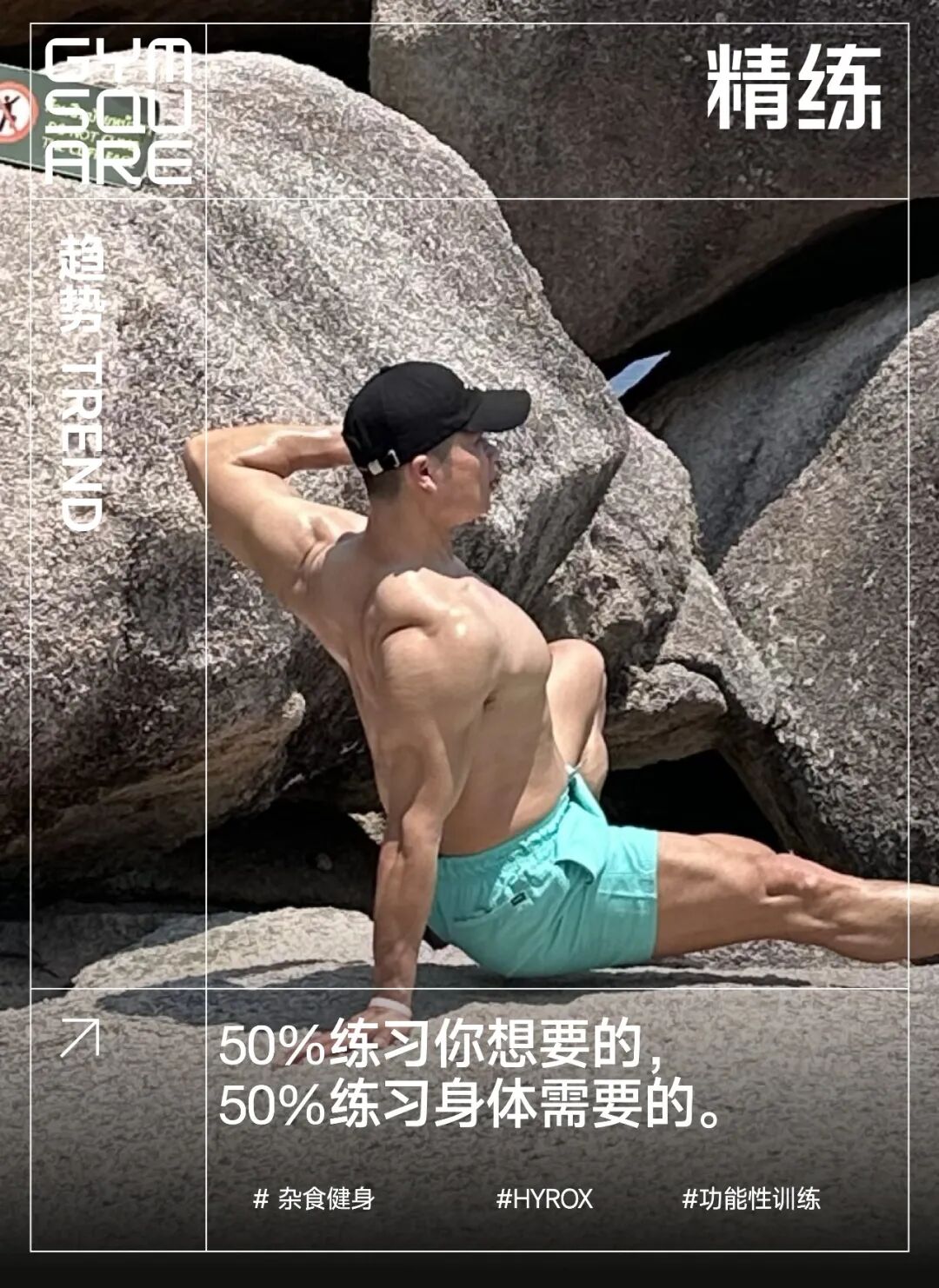
Core Concept - The article discusses the emerging trend of "omnivorous" fitness, where individuals diversify their training routines by incorporating various forms of exercise, moving away from specialized training to a more holistic approach to fitness [2][3][5]. Group 1: Definition and Characteristics of Omnivorous Fitness - Omnivorous fitness encourages practitioners to adopt a variety of training modalities, including strength, endurance, flexibility, coordination, and mental practices, to develop a well-rounded physical capability [3][5]. - This approach contrasts with traditional fitness, which often leads to over-specialization, where individuals focus solely on one type of training, such as weightlifting or running [6][14]. - The core logic of omnivorous fitness is "compatibility rather than coverage," meaning that individuals do not need to master every discipline but should engage in multiple forms of exercise to build a resilient and adaptable body [6][14]. Group 2: Benefits of Omnivorous Fitness - Engaging in diverse training can prevent chronic injuries that arise from repetitive strain and overuse of specific muscle groups, as it promotes a balanced development of the body [14][17]. - A study published in the British Medical Journal found that individuals who participate in a variety of physical activities have a 19% lower risk of premature death compared to those who engage in fewer types of exercise [17]. - The psychological aspect of omnivorous fitness helps prevent burnout by providing continuous novelty and challenges, making workouts more enjoyable and less monotonous [18]. Group 3: Social and Functional Aspects - Omnivorous fitness fosters a sense of community among practitioners, as it encourages shared experiences and collective goals, moving fitness beyond individual pursuits to a social activity [21]. - The trend reflects a shift in how fitness is perceived, with success being measured not just by physical appearance but by functional capabilities in daily life, such as lifting heavy objects or maintaining energy during activities [19][21]. - Events like HYROX and Spartan races exemplify this trend by simulating real-world tasks, thus testing comprehensive physical abilities while also promoting community engagement [21]. Group 4: Practical Steps to Start Omnivorous Fitness - Individuals are encouraged to begin their journey into omnivorous fitness by trying out new activities that pique their interest, rather than adhering to a rigid training plan [22][24]. - The focus should be on rekindling the joy of movement and exploration, allowing for a more intuitive and enjoyable approach to fitness [23][24].
八段锦:我的“活力补给站”
Xin Lang Cai Jing· 2026-02-02 07:45
Core Viewpoint - The implementation of Ba Duan Jin (Eight Pieces of Brocade) has significantly improved the physical and mental well-being of healthcare professionals in cardiology, providing a beneficial practice for both staff and patients [1][2][3]. Group 1: Benefits for Healthcare Professionals - The practice of Ba Duan Jin has alleviated common physical ailments such as back pain and shoulder tension among nursing staff, allowing them to manage stress better during high-pressure situations [1][3]. - Regular practice has led to improved focus and energy levels, enhancing overall work performance and reducing fatigue [2][3]. Group 2: Patient Engagement and Rehabilitation - Ba Duan Jin has been effectively utilized in patient rehabilitation, particularly for elderly patients recovering from heart conditions, helping to ease their concerns about exercise intensity [3]. - The establishment of a "Ba Duan Jin classroom" in the hospital has fostered a collaborative environment where healthcare workers and patients can practice together, share experiences, and improve their health outcomes [3][4]. Group 3: Accessibility and Adaptability - Ba Duan Jin is presented as an accessible form of exercise for busy professionals, requiring minimal time and no special equipment, making it suitable for a wide range of individuals [4]. - The emphasis is on personal adaptation of movements to fit individual capabilities, promoting a non-competitive and supportive atmosphere for practice [4].
中医健身可以这么练
Xin Lang Cai Jing· 2026-01-26 16:55
Core Viewpoint - The article emphasizes the growing popularity of traditional Chinese health preservation practices, such as Tai Chi and Qigong, as part of the "Healthy China 2030" initiative, highlighting their benefits for health and wellness [1][4]. Group 1: Benefits of Traditional Chinese Health Practices - Traditional Chinese health preservation methods are effective in disease prevention, rehabilitation, chronic disease management, and daily wellness, indicating a broad application and international promotion potential [1]. - The principles of these practices are rooted in traditional Chinese medicine, focusing on holistic health through specific movements, breathing techniques, and mental regulation to balance bodily functions [1][2]. Group 2: Recommendations for Practice - It is advised to practice these methods indoors during winter, avoiding extreme weather conditions, and to stop if experiencing prolonged fatigue or pain [3]. - Individualized approaches are recommended, with specific exercises suggested for different body types, such as "Two Hands Hold Up the Sky" for those with Yang deficiency and "Regulate the Spleen and Stomach" for those with damp-heat constitution [4]. Group 3: Target Demographics - Office workers can utilize short breaks for practice, while children and adolescents benefit from engaging in these exercises to improve posture and emotional well-being [4]. - Older adults should consult healthcare professionals before starting, avoiding high-intensity movements, and stopping if they experience adverse symptoms [4].
国家中医药局:已实现全国三级公立中医医院儿科全覆盖
Zhong Guo Xin Wen Wang· 2026-01-26 08:46
Core Insights - The National Administration of Traditional Chinese Medicine has achieved full coverage of pediatric services in all three-tier public traditional Chinese medicine hospitals across the country [1][2] Group 1: Health Promotion and Public Engagement - The National Administration of Traditional Chinese Medicine has integrated traditional Chinese medicine into the Healthy China initiative, promoting diverse health services through government leadership and public participation [1] - Monthly health promotion conferences are organized to disseminate authoritative traditional Chinese medicine knowledge, featuring experts such as academicians and renowned practitioners [1] - Approximately 15 million people have participated in cultural activities promoting traditional Chinese medicine, enhancing public awareness and knowledge [1] Group 2: Targeted Health Services for Specific Demographics - The administration has strengthened pediatric services in traditional Chinese medicine hospitals, achieving nationwide coverage and initiating interventions for issues like myopia, obesity, and scoliosis among children and adolescents [2] - Over 83% of secondary and higher-level public traditional Chinese medicine hospitals have established departments for geriatric care, with 128 pilot elderly health centers launched nationwide [2] - By 2024, services have been provided to 154 million elderly individuals, focusing on traditional Chinese medicine health assessments and guidance [2]
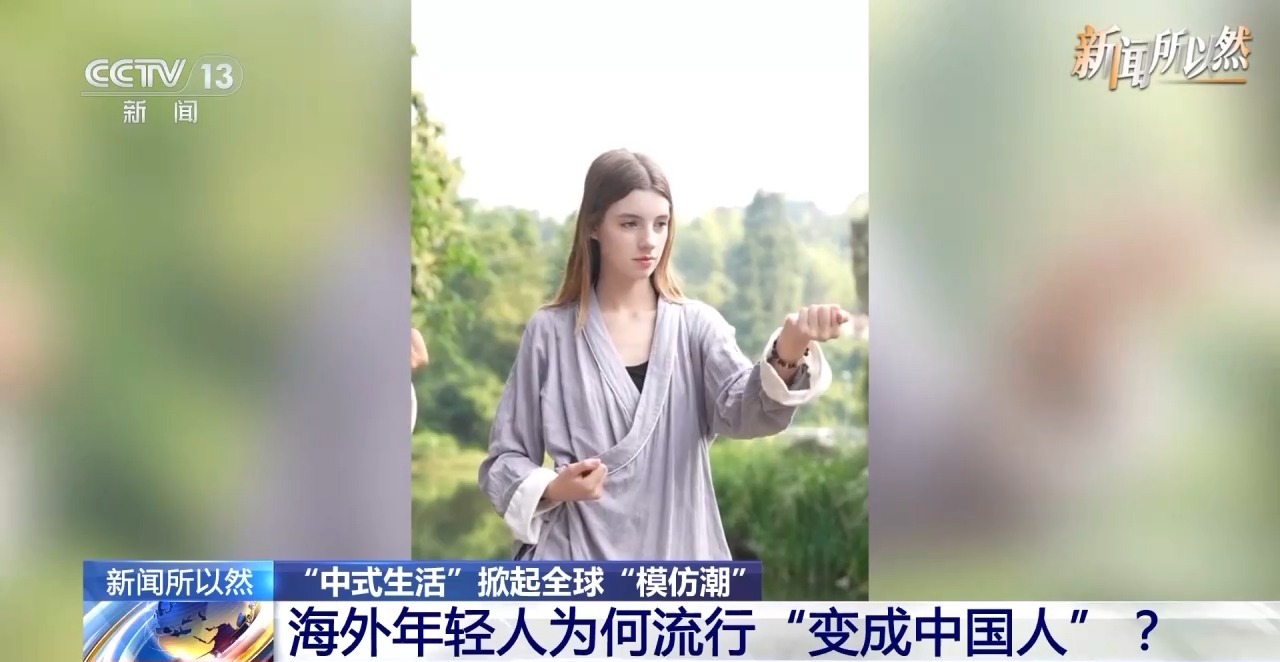
喝热水、泡脚、学中国人过日子,百万外国人“确诊为中国人”!
Zhong Guo Xin Wen Wang· 2026-01-24 07:36
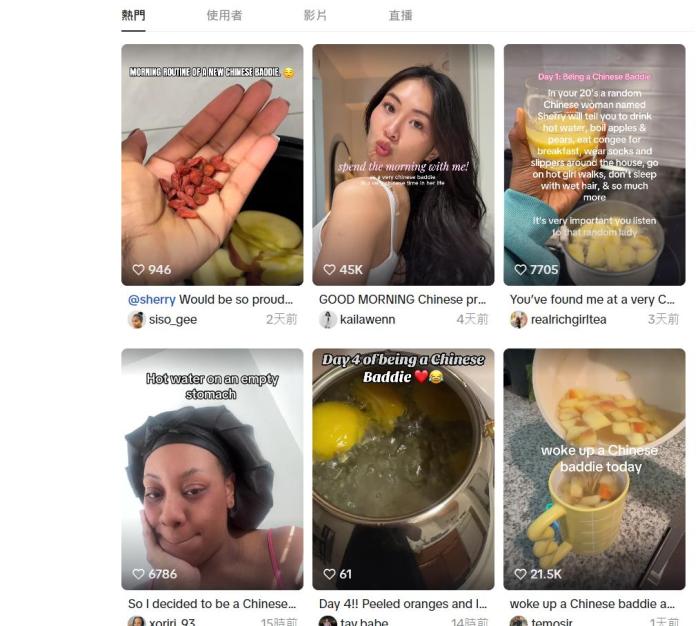
Core Perspective - The trend of "Becoming Chinese" is gaining popularity among foreign netizens, who are embracing Chinese culture and lifestyle practices, leading to a global phenomenon of cultural exchange [1][29]. Group 1: Cultural Adoption - Millions of foreign users are experiencing a "very Chinese time" in their lives, engaging in activities such as drinking warm water, eating Chinese food, and practicing traditional exercises like Ba Duan Jin [1][10]. - The phrase "You met me at a very Chinese time in my life" has become a popular meme, with users associating various activities with this sentiment, such as eating dumplings or noodles [4][10]. - The concept of "Spiritual Chinese" has emerged, where foreign individuals identify with Chinese cultural practices, leading to a humorous yet serious adoption of Chinese lifestyle rules [13][14]. Group 2: Social Media Influence - The hashtag NewChinese and related topics have garnered over 500 million views on TikTok, indicating the widespread engagement with this cultural trend [26]. - Content creators, particularly those of Chinese descent, are leveraging this trend to share aspects of Chinese culture, resulting in millions of views for videos related to Chinese wellness and lifestyle [15][28]. - The trend has evolved from a simple meme to a comprehensive guide for adopting Chinese cultural practices, with users creating lists of activities to incorporate into their daily lives [23][25]. Group 3: Cultural Exchange and Identity - The phenomenon reflects a growing appreciation for Chinese culture globally, with many young people expressing a strong identification with Chinese traditions and philosophies [29]. - The cultural exchange is characterized by a sense of community, where individuals bond over shared practices like drinking warm water and wearing slippers at home [17][30]. - This trend signifies a shift in cultural perception, where the act of "Becoming Chinese" is seen as a positive and inclusive experience, fostering connections across geographical boundaries [28][30].
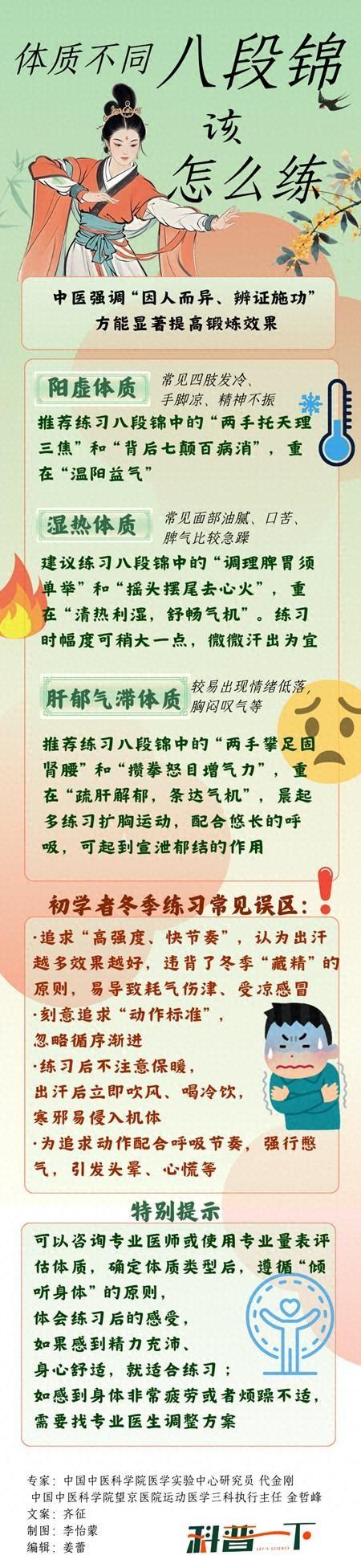
体质不同 八段锦该怎么练
Xin Lang Cai Jing· 2026-01-24 03:08
Group 1 - The article emphasizes the importance of personalized exercise approaches in traditional Chinese medicine, highlighting that different body constitutions require tailored practices to enhance workout effectiveness [1] - For individuals with Yang deficiency, exercises such as "Two Hands Hold Up the Sky" and "Backwards Seven Bounces to Eliminate Illness" from the Ba Duan Jin are recommended, focusing on warming Yang and boosting energy [1] - Those with damp-heat constitution, characterized by oily skin and irritability, should practice "Single Lift to Regulate Spleen and Stomach" and "Shake Head and Tail to Eliminate Heart Fire," aiming to clear heat, eliminate dampness, and promote smooth energy flow [1] Group 2 - Common misconceptions for beginners practicing in winter include pursuing high intensity and fast pace, which contradicts the principle of conserving energy during winter, potentially leading to fatigue and colds [2] - Another mistake is the overemphasis on perfecting movements while neglecting gradual progression, which can hinder effective practice [2] - It is crucial to maintain warmth after exercising, as exposure to cold air or consuming cold drinks immediately after sweating can invite external pathogens into the body [2]
中医养生功法已推广至67个国家和地区
Ren Min Ri Bao· 2026-01-22 19:16
Core Viewpoint - The promotion of traditional Chinese health preservation practices, such as Qigong, has expanded to 67 countries and regions, showcasing the international influence of Chinese culture and health resources [1][2] Group 1: Promotion and Development - The National Sports Administration's Fitness Qigong Management Center has been actively promoting Qigong since its establishment in 2001, developing 13 sets of Qigong fitness methods and providing educational materials and videos [1] - The center has established business institutions and dedicated personnel in 31 provinces and regions, creating 27 provincial associations and 812 county-level associations, along with over 30,000 Qigong practice sites [2] Group 2: Health Benefits and Cultural Impact - Traditional Chinese health preservation methods, including Ba Duan Jin and Wu Qin Xi, are designed to regulate Yin and Yang, promote blood circulation, and play a significant role in disease prevention, rehabilitation, and chronic disease management [1] - The international promotion of these practices has not only enhanced their global influence but also contributed positively to the international impact of Chinese culture [2]
视频丨煮苹果水、练八段锦 外国网友爱上中式养生
Yang Shi Xin Wen Ke Hu Duan· 2026-01-22 09:20
Core Viewpoint - The trend of "Becoming Chinese" is gaining popularity on social media, reflecting a growing interest among foreign youth in adopting aspects of Chinese culture and lifestyle [1][3][5]. Group 1: Social Media Influence - A TikTok video stating "From tomorrow, you will become Chinese" quickly garnered millions of views, with many comments expressing excitement about this cultural shift [3]. - Thousands of foreign users are sharing videos of themselves engaging in traditional Chinese practices such as making tea, cooking porridge, and practicing Qigong [3][5]. Group 2: Cultural Exchange - The phenomenon of "Chinese lifestyle" has sparked a global imitation wave, indicating that people are enjoying an immersive experience rather than seeking to change their nationality [5]. - The perception of China has shifted from traditional symbols like the Great Wall and pandas to everyday practices, highlighting a deeper cultural exchange [7]. Group 3: Changing Narratives - Previously, foreign understanding of China was often shaped by distorted representations in Western media, but now, direct interactions on social platforms allow for a more authentic understanding of Chinese life [7]. - The recent trend is seen as a response to the genuine desire of ordinary people to learn about Chinese culture, following the success of platforms like Xiaohongshu and the increase in foreign tourism [7][9]. Group 4: Economic Context - China's economy is projected to grow by 5% in 2025, contributing to a positive global perception and interest in Chinese culture [9]. - The exchange of culture also reflects a shared aspiration for a better life, with elements of Chinese wisdom appealing to a global audience [9].