RWA(现实世界资产代币化)

Search documents
台北区块链周观察——「破圈」与「等待」
Cai Fu Zai Xian· 2025-09-11 06:59
Group 1: Regulatory Environment - Taiwan's Web3 regulatory process is significantly lagging, with local practitioners estimating a delay of 1 to 2 years compared to other regions [2][3] - The government is shifting from a negative to a neutral stance on Web3 post-2024 elections, with plans to implement a stricter licensing system for virtual asset services [2] - The current "half-transparent" regulatory state has led to a cautious market environment, with major international exchanges like Binance and OKX opting not to participate in local events due to regulatory uncertainties [2][3] Group 2: Market Participation and Public Perception - The number of active cryptocurrency users in Taiwan is low, with public perception largely associating cryptocurrencies with scams, highlighted by a significant money laundering case involving a local exchange [3][4] - As of the end of 2024, Taiwan has approximately 567,000 cryptocurrency holders, ranking 51st globally, which represents about 2.37% of the population [4] - The limited market capacity for compliant exchanges is evident, as they cannot offer derivatives and primarily serve local users, pushing many towards offshore exchanges for higher liquidity [3] Group 3: Community and Cultural Dynamics - The vibrant Web3 community in Taiwan contrasts with the cautious official stance, with numerous grassroots activities and influential KOLs emerging in the space [5][6] - Events like Taipei Blockchain Week (TBW) reflect a more casual and community-oriented approach, with activities designed to engage participants in a fun and relaxed environment [5][6] - The local culture is being integrated into Web3 initiatives, with younger generations seeking innovative ways to connect and engage within the ecosystem [6][8] Group 4: RWA and Investment Opportunities - The concept of Real World Assets (RWA) is gaining traction, with initiatives like the collaboration between Taiwanese banks and blockchain companies to digitize gold, although still in early stages [7] - Projects like MyStonks, which tokenize U.S. stocks, are appealing to Taiwanese investors due to limited direct trading options and high costs associated with stock trading [7] - The overall sentiment in Taiwan's Web3 sector reflects a realistic understanding of its position globally, acknowledging the challenges while maintaining a unique, balanced approach to development [7][8]
当医疗资产遇上“稳定币”:创新叙事还是资本游戏?
Hua Xia Shi Bao· 2025-09-05 08:51
Core Viewpoint - The emergence of "on-chain healthcare" in the Hong Kong stock market is marked by significant investments in digital asset models, particularly through the tokenization of real-world assets (RWA) in the healthcare sector [1][5]. Group 1: Company Actions - Huajian Medical announced a plan to invest HKD 31.42 billion to acquire a 20.31% stake in Guofu Quantum, a financial technology platform, indicating a shift towards digital asset integration in healthcare [1][2]. - The company initiated a digital transformation in July 2024, aiming to tokenize ownership of 3,000 IVD testing devices and further develop an RWA exchange strategy [2]. - Other companies like Meinian Health and Hanyu Pharmaceutical are also exploring RWA models, with Hanyu's stock surging by 19.98% after announcing the tokenization of future revenue rights for its GLP-1 weight loss drug pipeline [3][5]. Group 2: Industry Trends - The RWA concept, which began in 2017, aims to enhance liquidity in traditional financial assets by digitizing them on the blockchain, with applications expanding to various asset classes [4]. - The healthcare industry faces common challenges such as financing difficulties due to long development cycles and high costs, making RWA tokenization an attractive solution to lower investment barriers and attract global capital [5][6]. Group 3: Market Reactions and Challenges - The rapid announcements from multiple healthcare companies have led to a fervent response in the capital markets, with significant stock price increases observed [3][5]. - However, there are concerns regarding the potential for speculative behavior, as some companies may be leveraging the trend without genuine innovation [6]. - Key challenges include regulatory compliance across different jurisdictions, accurate asset valuation, and ensuring liquidity in RWA projects, which are critical for their success [6][7][8].
神秘富豪赵长鹏香港演讲全文流出:详谈稳定币、RWA、DAT、AI等热门赛道
Sou Hu Cai Jing· 2025-09-01 08:43
Group 1: Core Insights on Stablecoins - Stablecoins have evolved from being a volatility "safe haven" to a tool for the globalization of the US dollar, with Binance facilitating around 70% of global stablecoin trading volume [2][5] - The rapid growth of USDT began post-2017, driven by the demand for dollar alternatives among Asian users and the subsequent introduction of BUSD, which reached a market cap of $23 billion by 2023 [4][6] - The US government's changing stance on stablecoins reflects their strategic importance in maintaining the dollar's global dominance, with over $100 billion in USDT being used to purchase US Treasury bonds [6][7] Group 2: Challenges in Real-World Asset Tokenization (RWA) - RWA tokenization faces significant challenges, including liquidity issues, regulatory complexities, and product mechanism flaws [7][9][10] - Non-financial assets struggle with liquidity post-tokenization, leading to a vicious cycle of low trading volume and shallow order books [8] - Regulatory hurdles arise from the classification of tokenized products, complicating compliance across different jurisdictions [9] Group 3: Future of Decentralized Exchanges (DEX) - The future of trading is expected to shift towards decentralized exchanges, which are anticipated to surpass centralized exchanges in scale over the next 10 to 20 years [18][19] - DEXs offer advantages such as high transparency and ease of use, although they currently face challenges in user experience and security [18] - The market for DEXs is still in its early stages, with significant growth potential as the ecosystem matures [19] Group 4: Digital Asset Treasury (DAT) Strategies - DAT strategies aim to bridge traditional investors into the crypto space by packaging digital currencies in a stock-like manner [20][25] - Various operational models exist within DAT, including passive single-asset holding, active trading, multi-asset management, and ecosystem investment [21][22][23][24] - The DAT model allows traditional investors, including state-owned enterprises, to gain exposure to digital currencies without direct purchases [26] Group 5: AI and Web 3.0 Integration - The integration of AI and Web 3.0 is seen as a future trend, with potential for exponential growth in blockchain transaction volumes as AI systems require digital currencies for transactions [27][28] - Current AI applications in Web 3.0 are still in early development stages, lacking practical value, but the potential for significant economic impact exists [28][29] - The funding challenges for AI development may lead to innovative financing solutions through Web 3.0, promoting a more decentralized and open approach [29]
佳士得可用加密货币置房产成RWA新里程碑,XBIT助力把握最新机遇
Sou Hu Cai Jing· 2025-08-20 21:40
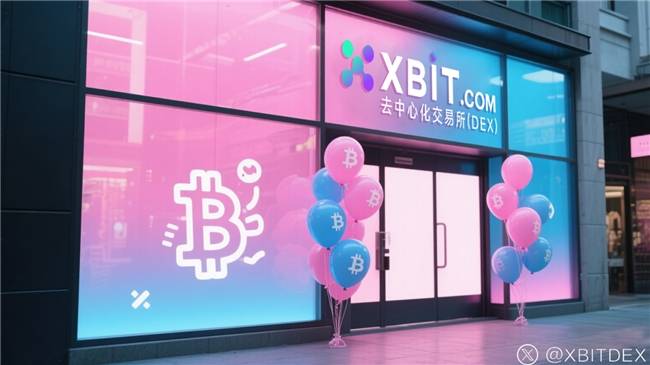
Core Insights - Christie's International Real Estate has established a dedicated department for cryptocurrency real estate transactions, marking a significant step in the integration of cryptocurrency into the real estate market [1][11] - The U.S. real estate market is facing challenges such as high prices and mortgage rates, which limit liquidity, making cryptocurrency transactions increasingly appealing to high-net-worth buyers [3][11] - The rise of Real World Assets (RWA) and supportive policies since 2025 have created favorable conditions for cryptocurrency's entry into real estate [3][11] Cryptocurrency in Real Estate - Christie's has successfully completed multiple luxury real estate transactions using cryptocurrency, indicating a growing trend among affluent buyers [3][11] - The market is witnessing a shift towards tokenization of real estate, allowing fractional ownership and lowering investment barriers for ordinary investors [4] XBIT Decentralized Exchange Platform - XBIT offers comprehensive and accurate market information, aiding investors in understanding potential returns and risks associated with real estate tokenization projects [6][10] - The platform has a rigorous project review mechanism to ensure compliance and authenticity, reducing the risk of exposure to problematic projects [6][10] - XBIT supports trading of various cryptocurrencies and stablecoins, providing efficient and cost-effective services for real estate investments [7][10] Future Outlook - The integration of cryptocurrency and real estate is expected to grow, with XBIT positioned to play a crucial role in this evolving landscape [8][11] - XBIT's focus on user education and data analysis tools will help investors navigate the complexities of the crypto real estate market [10][11]


现金流暴增681%背后的战略转型 是奥雅股份(300949.SZ)一场“轻资产革命”的胜利宣言
智通财经网· 2025-08-19 13:52
Core Viewpoint - The financial report of Aoya Co., Ltd. for the first half of 2025 reveals a paradoxical yet significant transformation, showcasing a decline in revenue but a historic surge in cash flow, indicating a strategic shift within the company [1][6]. Group 1: Financial Performance - Aoya Co., Ltd. achieved a revenue of 197 million yuan in the first half of 2025, while the net cash flow from operating activities turned from a net outflow of over 90 million yuan in the same period last year to a net inflow of 527.6 million yuan, representing a year-on-year growth of 681.71% [1][2]. - The significant cash flow is attributed to the company's transition to the "O+EPC+IP+O" model, moving from a traditional "heavy asset EPC contractor" to a "city value operator" [2]. Group 2: Strategic Transformation - The company has shifted its focus from low-priced real estate landscaping to urban renewal and public landscape projects, aligning with national policy directions emphasizing urban quality improvement [3][6]. - Aoya's two core businesses, landscape design and comprehensive cultural tourism, experienced revenue declines of 41% and 983.3 million yuan respectively, yet maintained strong gross margins, with landscape design achieving a gross margin of 45.87% [3]. Group 3: Cultural Tourism and IP Development - In the cultural tourism sector, the gross margin slightly decreased by 3.9% to 20.96%, but still demonstrated resilience amid industry fluctuations [4]. - The company is advancing its "Luo Jia Natural Exploration Center" and has established JoyKey to focus on independent IP operations and commercialization, marking a strategic shift from a design service provider to a "cultural tourism content operator" [4]. Group 4: Technological Innovation - Aoya is accelerating its investment in strategic emerging fields, particularly in the "AI+IP" dual-engine layout, with its self-developed UrbanFlow model being applied to multiple projects [5]. - The collaboration with Web3 technology company Qiyihuo to explore RWA (Real World Asset tokenization) indicates a commitment to integrating digital assets with physical consumption [5]. Group 5: Future Outlook - The report reflects a combination of revenue reduction and increased cash flow and strategic clarity, positioning Aoya to capitalize on urban renewal, IP operations, and AI innovations [6]. - As national policies prioritize quality housing and urban improvement, Aoya's "O+EPC+IP+O" model is expected to mature, potentially allowing the company to evolve into a creator of valuable urban experiences independent of the real estate cycle [6].
现金流暴增681%背后的战略转型 是奥雅股份一场“轻资产革命”的胜利宣言
智通财经网· 2025-08-19 13:51
Core Viewpoint - The financial report of Aoya Co., Ltd. for the first half of 2025 reveals a significant transformation in its business strategy, marked by a substantial increase in cash flow despite a decline in revenue, indicating a shift from traditional EPC contracting to urban value operation [2][7]. Group 1: Financial Performance - Aoya achieved a revenue of 197 million yuan in the first half of 2025, while the net cash flow from operating activities turned from a net outflow of over 90 million yuan in the same period last year to a net inflow of 527.6 million yuan, representing a year-on-year growth of 681.71% [2]. - The company’s strategic shift has resulted in over 500 million yuan in operating cash flow, which is not a one-time occurrence but a result of its ongoing transformation since 2024 [2][3]. Group 2: Strategic Transformation - Aoya is transitioning from a traditional "heavy asset EPC contractor" to a "city value operator" through its "O+EPC+IP+O" model, which integrates design, general contracting, branding, and operations [2][7]. - The company has successfully implemented innovative approaches in government-led projects, achieving high prepayment ratios through "operational pre-positioning + EPC general contracting + IP integration + long-term operation" [3]. Group 3: Core Business Adjustments - The two core businesses of Aoya, landscape design and comprehensive cultural tourism, experienced revenue declines of 41% and 983.3 million yuan respectively, yet maintained strong gross margins, with landscape design achieving a gross margin of 45.87% [3][5]. - Aoya has strategically chosen to abandon low-priced real estate landscaping in favor of urban renewal and public landscape projects, aligning with the industry's value creation logic [3]. Group 4: Alignment with National Policies - Aoya's strategic choices align with national policy directions, particularly the emphasis on urban renewal and improving living quality as outlined by the Ministry of Housing and Urban-Rural Development [4]. - The company has established deep collaborations with leading real estate firms to create benchmark projects that validate the effectiveness of its "design + operation" approach in enhancing real estate value [4]. Group 5: Cultural Tourism and IP Development - In the cultural tourism sector, Aoya's gross margin slightly decreased to 20.96%, yet it demonstrated resilience amid industry fluctuations, leveraging its brands to build a complete industry chain [5]. - The company is accelerating the nationwide replication of light-asset projects and has established JoyKey to focus on independent IP operation and commercialization, marking its evolution from a design service provider to a content operator in cultural tourism [5]. Group 6: Technological Innovation - Aoya is intensifying its investment in strategic emerging fields, particularly in the "AI + IP" dual-engine layout, with its self-developed UrbanFlow model being widely applied across multiple projects [6]. - The collaboration with Web3 technology company Qiyihuo to explore the tokenization of real-world assets (RWA) indicates a commitment to integrating digital assets with physical consumption [6]. Conclusion - Aoya's mid-2025 report reflects a balance of reductions in revenue and increases in cash flow and strategic clarity, positioning the company to thrive in urban renewal, IP operation, and AI innovation, moving towards becoming a creator of valuable urban experiences rather than relying solely on the real estate cycle [7].
香港首份RWA产业白皮书发布:呼吁建立全流程风险和合规管理体系
Guo Ji Jin Rong Bao· 2025-08-07 14:38
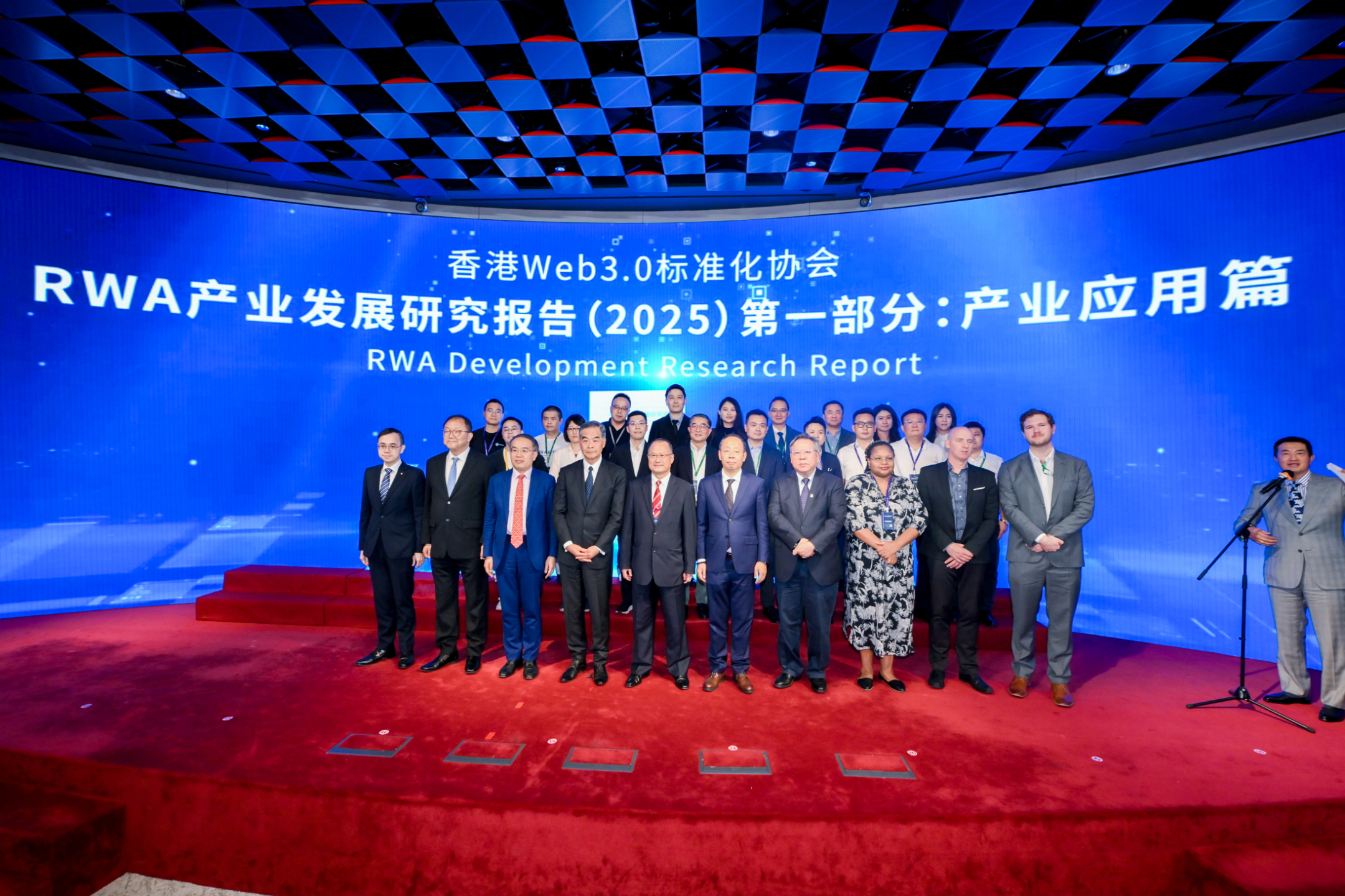
Core Insights - The report titled "RWA Industry Development Research Report: Industry Volume 2025" challenges the overly optimistic view of the "everything can be RWA" narrative, proposing a systematic framework for asset selection [1][4] Group 1: RWA Tokenization Standards - Not all assets are suitable for RWA tokenization; the notion of "everything can be RWA" is deemed a fallacy [4] - Successful assets for large-scale implementation must meet three criteria: value stability, clear legal rights, and verifiable off-chain data [4] Group 2: Current Market Trends - The RWA industry is transitioning from concept validation to practical application, with a total locked value (TVL) of RWA reaching $12.5 billion as of June 2025, a 124% increase from 2024 [5] - Major global banks like Citibank and Standard Chartered are exploring RWA applications in payment settlements, asset management, and cross-border transactions [5] - Ant Group has launched a blockchain platform, Jovay, designed for institutional RWA trading, significantly enhancing throughput and reducing user response time [5] Group 3: Asset Types and Applications - Various asset types are being tokenized, including financial assets like gold and bonds, renewable energy assets like charging stations and photovoltaics, real estate, intangible assets like carbon credits and intellectual property, and computing power assets like GPUs [6] - Renewable energy RWA represents a "Chinese characteristic," showcasing the potential of green finance and real economy financing [6] - Despite exploration in real estate RWA, challenges such as property registration discrepancies and valuation inconsistencies persist [6] Group 4: Regulatory Environment - The rise of RWA is attributed to multiple factors, including the lack of liquidity in traditional assets, advancements in blockchain technology, and changing market demands [7] - Regulatory bodies are adopting a transparent regulatory principle and sandbox testing mechanisms to provide clear compliance pathways for industry innovation [6][7] - Countries are implementing licensing systems to create market barriers while establishing regulatory sandboxes for controlled testing of innovative applications [6][7]
广联科技控股押注汽车领域RWA新赛道
Zheng Quan Ri Bao· 2025-08-04 14:07
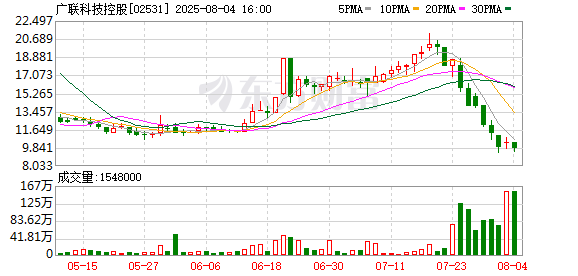
Group 1 - The core viewpoint of the article is that Guanglian Technology Holdings Limited has launched the "Intelligent Body RWA Ecosystem" strategy and secured initial funding of HKD 1 billion through a partnership with High West Capital Partners Limited [2] - RWA refers to the tokenization of real-world assets using blockchain technology, which is expected to facilitate the company's transformation from an "automotive intelligent network operator" to a "digital platform for automotive asset RWA" [2] - The company plans to establish an automotive RWA service platform in Hong Kong, collaborating with digital asset management institutions to integrate a financial ecosystem involving "car owners-vehicles-industry chain assets" [2] Group 2 - Guanglian Technology Holdings intends to extend its services from the intelligent connected vehicle RWA service platform to other intelligent sectors such as robotics and low-altitude economy [2]
21专访|HashKey刘佳:香港有望成为国际数字资产枢纽
2 1 Shi Ji Jing Ji Bao Dao· 2025-07-31 02:49
Core Viewpoint - The implementation of the Hong Kong Stablecoin Regulation on August 1 is expected to significantly impact the market, with a limited number of licenses anticipated to be issued by the Hong Kong Monetary Authority (HKMA) by the end of the year [1][2]. Group 1: Regulatory Framework - The HKMA has established a licensing system for stablecoin issuers, which includes thorough assessments of applicants' financial status, asset management, and business capabilities [8][19]. - The first phase of licensing will involve issuing a single-digit number of licenses, with various payment institutions and well-known internet companies expressing interest in applying [8][19]. Group 2: HashKey Group's Position - HashKey Group, through its subsidiary HashKey Tokenisation, is actively involved in the virtual asset ecosystem, providing tokenization services and has established a comprehensive business model since its inception in 2018 [5][6]. - The company has achieved significant milestones, including covering 90% of licensed brokers in Hong Kong with its Omnibus account service, and has recorded a cumulative trading volume exceeding HKD 30 billion [2][6]. Group 3: Future Outlook - The implementation of the Stablecoin Regulation is expected to foster innovation and regulation in Hong Kong's financial market, positioning the region as a potential international digital asset hub [20][24]. - HashKey Group aims to support the stablecoin ecosystem by enhancing liquidity and facilitating the integration of stablecoins with real-world assets (RWA) [9][18]. - The company is optimistic about achieving financial balance within the year, driven by the rapid growth of the virtual asset industry across Asia and globally [4][6]. Group 4: Stablecoin Applications - Stablecoins are anticipated to play a crucial role in enhancing financial inclusion by providing low-cost, efficient access to financial services, particularly in cross-border payments and everyday transactions [13][15]. - The combination of stablecoins and RWA is expected to optimize asset management efficiency and enhance liquidity in trading, contributing to the digital transformation of financial markets [18]. Group 5: Regulatory Impact - The new regulatory framework is expected to increase market confidence, attracting stablecoin issuers and fintech companies to establish operations in Hong Kong, thereby enriching the local ecosystem [24]. - The regulatory clarity provided by the Stablecoin Regulation is likely to position Hong Kong as a leader in the global stablecoin landscape, offering a model for other jurisdictions [24].

稳定币成5月底以来最强题材,牌照申请日临近行情将如何演绎?
智通财经网· 2025-07-18 02:31
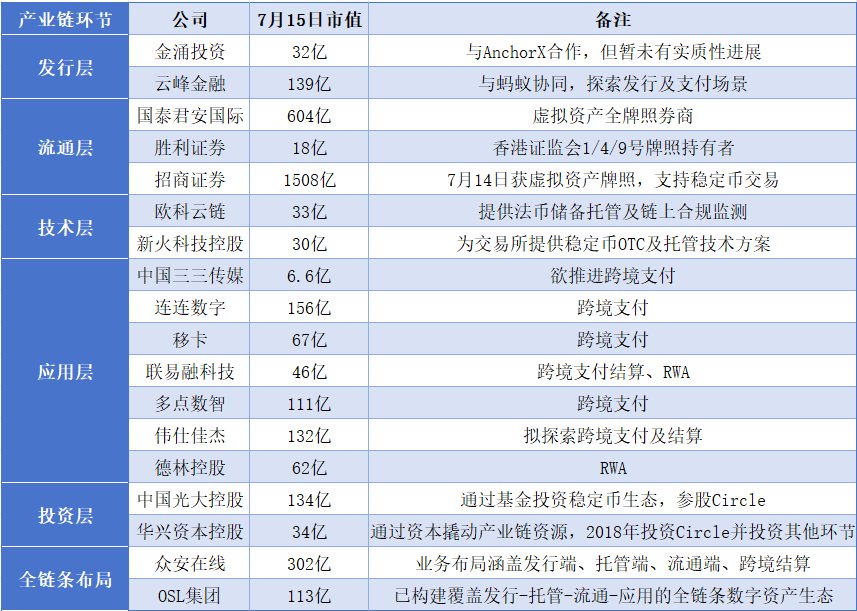
Core Viewpoint - The stablecoin concept has emerged as the largest and most sustained investment theme in the A-share and Hong Kong stock markets since late May 2025, significantly driving up the stock prices of related companies [1][11]. Market Performance - In the A-share market, companies like Hengbao Co. (002104.SZ) and Sifang Jingchuang (300468.SZ) saw increases of over 220% and 180% respectively within 31 and 23 trading days [1]. - In the Hong Kong market, Lianlian Digital (02598) surged by 125% in three trading days, while Guotai Junan International (01788) experienced a nearly 200% increase in the same period [1]. - CIRCLE, listed in the US, achieved a maximum increase of 864.52% within 12 trading days [1]. Stablecoin Industry Chain - The stablecoin industry chain is divided into three main parts: upstream (issuers, reserve asset managers, blockchain infrastructure), midstream (exchanges, market makers), and downstream (applications like cross-border payments and RWA) [1][2]. - Among 18 companies in the Hong Kong market, 7 focus on application layers, primarily in cross-border payments and RWA [2]. Company Valuations - The market capitalization of companies involved in the stablecoin industry varies significantly, with notable players including: - Guotai Junan International: 604 billion - China Everbright Holdings: 134 billion - OSL Group: 113 billion [3]. - Companies like ZhongAn Online and OSL Group have achieved full-chain layouts, covering issuance, custody, circulation, and cross-border settlement [4][5]. Recent Stock Movements - The most significant stock price increases were observed in companies like Jinyong Investment and Guotai Junan International, with increases of 653.77% and 526.55% respectively [7][8]. - However, some companies with high stock price increases may be subject to speculation, as their business developments are still in the planning stages [9]. Regulatory Environment - The upcoming implementation of the Stablecoin Regulation on August 1 is expected to influence the market dynamics, with a focus on the issuance of stablecoin licenses [11][12]. - Approximately 50 to 60 companies have expressed intentions to apply for licenses, with expectations that only 3-4 licenses will be granted initially [11]. Future Market Potential - The global stablecoin market has surpassed $250 billion as of July 2025, with projections suggesting it could reach $3.7 trillion by 2030, reflecting a compound annual growth rate of 35% [14]. - The RWA market, a key area for stablecoin applications, is projected to exceed $16 trillion by 2030, indicating significant growth potential [14].