
共同富裕

Search documents
大道通衢 奔向未来
Xin Lang Cai Jing· 2025-12-26 17:58
Core Insights - The Hangzhou-Qichun High-Speed Railway (杭衢高铁) has officially opened, marking a significant development in regional connectivity and economic integration in the Yangtze River Delta [1][2] - This project is a key initiative in Zhejiang's strategy for coordinated regional development and is part of the "14th Five-Year Plan" aimed at building a common prosperity demonstration zone [1] Group 1: Infrastructure Development - The Hangzhou-Qichun High-Speed Railway spans 205 kilometers and is designed to reshape regional dynamics, enhancing connectivity between Hangzhou and Qichun [1] - The railway employs a "PPP+EPC+construction agency" model, showcasing innovation in construction and management, overcoming technical challenges in a complex geological environment [2] Group 2: Economic Impact - The railway enhances the resilience and flexibility of the transportation network in Qichun, facilitating efficient movement of resources and promoting economic expansion into the central and western regions [2] - It creates a dual-channel for industrial collaboration and cultural tourism between Hangzhou and Qichun, fostering economic synergy and resource sharing [3] Group 3: Social Benefits - The opening of the railway is expected to improve the quality of life for residents by providing better access to employment and services, thus supporting the vision of common prosperity [3] - The project is anticipated to stimulate industrial transformation in Qichun, allowing it to better accommodate the overflow of high-quality industries and tourism resources from Hangzhou [3]
梁言顺在省委专题会议上强调 坚持以人民为中心的发展思想 加大保障和改善民生力度促进城乡居民增收 王清宪参加
Xin Lang Cai Jing· 2025-12-26 14:58
Group 1 - The core viewpoint emphasizes the importance of promoting income growth for urban and rural residents as a key measure for high-quality development and achieving common prosperity [2] - The meeting highlighted the need to enhance the income distribution policy system and improve the sense of gain, happiness, and security among the people [2] - There is a focus on developing county-level industries, supporting the growth of collective economies in villages, and narrowing the income gap between urban and rural areas [2] Group 2 - The government aims to prioritize employment and support the development of service industries, small and medium-sized enterprises, and labor-intensive businesses to stabilize employment for key groups [2] - Measures will be taken to ensure timely distribution of subsidies and assistance funds, as well as to address issues such as overdue payments to enterprises and wage arrears for migrant workers [3] - A special rescue action called "Warm Winter Delivery" will be launched to ensure that the public can enjoy a warm winter and a peaceful festival season [3]
杭衢高铁正式开通:百年“弯道”终取直
Xin Lang Cai Jing· 2025-12-26 11:52
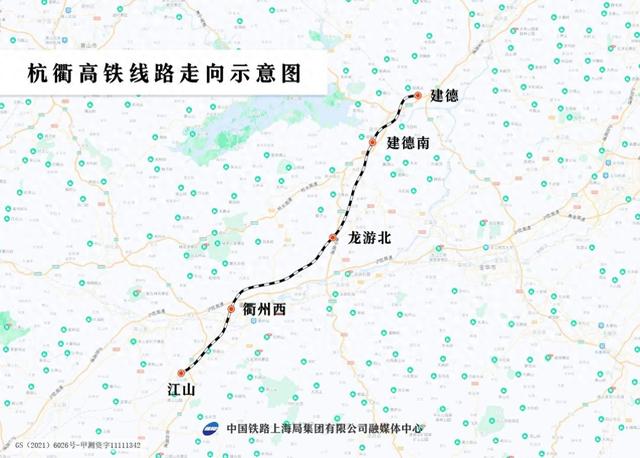
从地图上看,浙江西部多山。一道铁路的"弯",曾在此勾勒了近百年。 01 衢州,浙江的"西大门",坐拥四省通衢之名,却也曾长久陷于交通末梢的现实困境。过去,从杭州前往 衢州,高铁需绕行诸暨、义乌、金华,在地图上画出一个明显的"C"字形弯道。 早在1905年,衢州先贤詹熙等人就曾疾呼修建一条经衢州南下的铁路。从1933年绕行金华的"C"字形杭 江铁路通车,到如今繁忙的沪昆高铁,浙西人民的铁路梦想始终在蜿蜒中前行。 杭衢高铁 线路走向示意图。中铁上海局 供图 12月26日,杭州与衢州间的轨道终于被"拉直"——杭衢高铁正式开通运营。这条设计时速350公里、全 长131公里的高铁新线,将杭州西至衢州西的最快通行时间缩短至约73分钟,也在浙西山水间划下了一 条改写区域格局的"直线"。 当天早上9时26分,智通财经(www.thepaper.cn)记者乘坐首发列车出发,穿越浙西群山,体验"清晨在 衢州吃一碗热气腾腾的'三头一掌',中午在西湖边喝一杯龙井茶"的现实。 首发列车 纪念票。智通财经记者 陆玫 摄 杭衢高铁的意义,首先在于一场彻底的"地理拉直"。它从杭州出发,几乎笔直地向西延伸,直抵衢州。 这不是一次简单的高铁提速 ...

观察者网·观学院直播厅【思想者说】第17期(下):被“优绩主义”困住的中国家长,应该读读“达尔文雀”的故事
Xin Lang Cai Jing· 2025-12-26 05:40
Group 1 - The discussion emphasizes the importance of adapting to the environment rather than a survival of the fittest mentality, highlighting that individuals can find diverse ways to thrive in the same circumstances [2][5] - The concept of "meritocracy" in Chinese culture is explored, tracing its roots back to historical practices of selecting officials based on talent and performance, which has evolved into a modern emphasis on education and achievement [6][9] - The conversation addresses the implications of extreme meritocracy leading to anxiety and competition, suggesting a need for a more collaborative approach to competition that fosters coexistence rather than conflict [10][12] Group 2 - The dialogue illustrates how educational pressures and societal expectations contribute to declining birth rates, indicating that the burden of education is a significant factor affecting family planning decisions [15][16] - The concept of "共同富裕" (common prosperity) is discussed, suggesting that it should focus on creating opportunities for all rather than merely redistributing wealth, emphasizing the importance of investing in human capital [22][26] - The examples from nature, such as the symbiotic relationships in ecosystems, are used to argue for a more cooperative and less competitive approach in society and business, promoting the idea of "only being unique, not the first" [31][32]

探索共同富裕,攀枝花正在实践
Zhong Guo Jing Ji Wang· 2025-12-26 02:29
Group 1 - The core viewpoint of the articles highlights the transformation and development of rural economies in Panzhihua, Sichuan, through initiatives that promote collective prosperity and sustainable industries [1][2][5] - Panzhihua has been designated as China's only municipal-level pilot area for common prosperity, with various measures implemented over the past three years to achieve this goal [1][2] - The "Beautiful Countryside" initiative has successfully revitalized previously underdeveloped areas, such as Zhuangshang Village, leading to significant increases in collective and individual incomes [2][4] Group 2 - Zhuangshang Village's collective economic income is projected to reach 1.08 million yuan by 2024, showcasing the impact of tourism and local development projects [2][4] - The village's per capita income is expected to exceed 30,000 yuan, driven by land transfer fees, employment in the scenic area, and sales of local products [4] - In Mi Yi County, the development of the "Kangyang" (health and wellness) industry has been facilitated by leveraging local natural resources and transforming idle land into productive use [5][7] Group 3 - The "Lianghua" (loquat) industry in Mi Yi County exemplifies a collaborative approach among neighboring villages, enhancing production efficiency and income through joint efforts [9][11] - The establishment of a party alliance among four villages has led to coordinated events like the annual loquat festival, fostering community engagement and mutual support [11] - The income disparity between the wealthiest and poorest villages has decreased significantly, with per capita disposable income in Longhua Village rising from 31,000 yuan in 2022 to 34,000 yuan in 2024 [11]

关于《中共南京市委关于制定南京市国民经济和社会发展第十五个五年规划的建议》的说明
Nan Jing Ri Bao· 2025-12-26 02:20
周红波 同志们: 受市委常委会委托,我就《中共南京市委关于制定南京市国民经济和社会发展第十五个五年规划的 建议》(以下简称《建议》)起草的有关情况向全会作说明。 《建议》稿起草的总体考虑是,坚持以习近平新时代中国特色社会主义思想为指导,深入学习贯彻 党的二十届四中全会精神和习近平总书记对江苏工作重要讲话精神,认真落实省委十四届十次全会部 署,准确把握"十五五"时期经济社会发展的阶段性要求,深入分析面临的机遇和挑战,紧扣南京在全国 全省发展大局中的定位,立足南京市情、顺应群众期盼,对"十五五"时期我市发展作出系统谋划和战略 部署。 在《建议》稿起草过程中,我们注意把握以下几点。一是坚持对标对表。深入贯彻落实习近平总书 记对江苏工作重要讲话精神,体现走在前、做示范、挑大梁、作贡献的省会担当,以实际行动坚定拥 护"两个确立",坚决做到"两个维护"。二是坚持服务大局。主动以南京所能服务国家所需、全省所需, 充分发挥高质量发展区域增长极作用,更好服务国家重大战略实施,更好支撑全省"一中心一基地一枢 纽"建设。三是坚持改革创新。完整准确全面贯彻新发展理念,注重运用改革办法破解发展难题,加快 补短板、强弱项,锻长板、扬优势 ...
帕特里克·奈斯:科学思想引领中国经济赢得未来
Jing Ji Ri Bao· 2025-12-26 00:03
自1997年首次被派往中国,担任比利时驻上海总领事以来,我便与中国结下了深厚的缘分。此后, 在北京担任比利时驻华大使期间,我决定定居中国,并为把中国介绍给世界、把世界介绍给中国尽绵薄 之力。 之所以作出定居中国的决定,一个重要原因是习近平主席的领袖气质以及非凡的智慧,给我留下了 深刻印象。作为一名外交官,我一直坚信,中国将在推动构建人类命运共同体的过程中发挥决定性作 用。人类迫切需要新的发展理念和发展模式,而在这样一位胸怀天下的领导人引领下,崛起的中国完全 有能力在中国式现代化道路上阔步前行。 习近平经济思想内涵丰富,其中一个重要内容是,引领中国建设强大、韧性十足、创新驱动、协同 发展的现代化经济体系。建设现代化经济体系,把有效市场和有为政府结合起来,着眼于国家长远发 展,目标是实现经济效益、社会效益、生态效益多赢。 高质量发展在习近平经济思想中占有十分重要的地位。推动高质量发展,就是要让中国告别单纯追 求增长速度的发展模式,转向可持续、创新驱动的发展。这意味着必须强化科技创新、培育发展新质生 产力、提升先进制造业发展水平,并在更多关键领域实现自主可控。 习近平经济思想还有一个方面的重要内容是统筹发展和安全。 ...
科学思想引领中国经济赢得未来
Jing Ji Ri Bao· 2025-12-25 22:08
Group 1 - The core idea of Xi Jinping's economic thought emphasizes the construction of a modern economic system that is strong, resilient, innovation-driven, and promotes coordinated development, combining effective markets with proactive government intervention for long-term national development [1][2] - High-quality development is a significant focus, shifting from a growth-speed-centric model to a sustainable and innovation-driven approach, which necessitates strengthening technological innovation and enhancing advanced manufacturing capabilities [1][2] - The concept of "green development" is highlighted, positioning ecological civilization as a crucial aspect of development, advocating for the harmony between economic growth and ecological protection [3] Group 2 - Xi Jinping's economic thought stresses the importance of balancing development and security, enhancing macroeconomic regulation, reducing financial risks, and ensuring the safety of industrial and supply chains, which aligns with the new development pattern of dual circulation [2] - The goal of common prosperity aims to ensure that development benefits all people, narrowing disparities and providing equal access to public services and opportunities, reflecting a people-centered development philosophy [2] - The leadership of the Communist Party of China is essential for promoting high-quality development and achieving common prosperity, necessitating the continuous improvement of the socialist market economy system [2][3]
浙江龙游农商银行创新融资模式 支持“土特产富”全链发展
Jin Rong Shi Bao· 2025-12-25 04:18
Core Insights - The article highlights the innovative financing solutions provided by Longyou Rural Commercial Bank to support local agricultural enterprises, particularly in the production of selenium-rich lotus seed liquor [1][2] Group 1: Financial Support Initiatives - Longyou Rural Commercial Bank has introduced inventory pledge loans, providing 5 million yuan in credit to Longyou Yuxi Liquor Co., which faced liquidity issues despite having quality products [1] - The bank has launched a series of credit products, including "Lotus Farmer Credit Loan," offering significant interest rate discounts to support the lotus seed industry [1][2] Group 2: Agricultural Development Strategy - The bank is actively involved in the "土特产富" (Specialty Products Prosperity) initiative, which aims to enhance the quality and pricing of local agricultural products [1] - By the end of November 2025, the bank aims to have a total agricultural loan balance of 13.673 billion yuan, with a focus on supporting village-level collective economic development through the "Happiness Village Loan" program [2] Group 3: Community Engagement and Ecosystem Building - Longyou Rural Commercial Bank has established a regular platform for business and financial interactions, conducting monthly visits to collect dynamic funding needs from local enterprises [1] - The bank's efforts reflect its commitment to serving the local agricultural sector and facilitating the transformation of the lotus seed industry towards professionalization and scaling [1][2]
清远市各级工商联上下联动提升服务民企质效
Xin Lang Cai Jing· 2025-12-24 20:50
(来源:中华工商时报) 转自:中华工商时报 近年来,广东省清远市工商联紧扣"两个健康"工作主题,以党建为引领,以服务为中心,以创新为动 力,强化统筹协调与示范引领,聚焦"百千万工程"、营商环境优化、法治民企建设等重点工作,精准发 力,提升服务质效。 在市工商联的引导下,清远各县(市、区)工商联搭建多元平台,拓展帮扶路径,激发商协会活力,凝 聚民企力量,探索共同富裕新路径,助推区域经济高质量发展。 编者按: ...