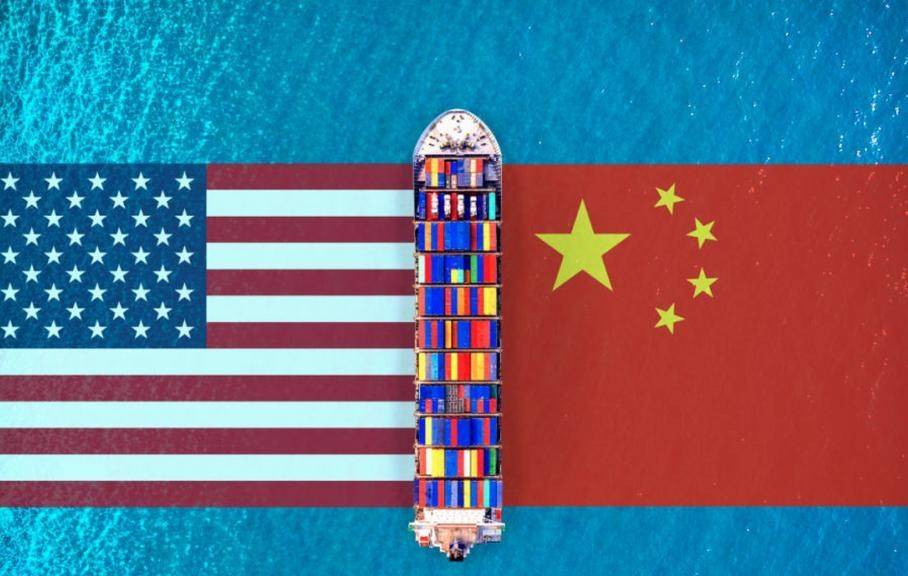
关税战

Search documents
“中国一粒都没买”!大豆滞销,美国农民卖设备维持生计,“对特朗普的忠诚将接受考验”!特朗普满世界找买家,美协会急了:赶紧和中国谈
新浪财经· 2025-10-09 09:48
Core Viewpoint - The U.S. soybean farmers are facing significant challenges due to the cessation of soybean purchases by China since May 2025, leading to a surplus and plummeting prices, which threaten their livelihoods [2][9][12]. Group 1: Impact on U.S. Soybean Farmers - U.S. soybean farmers are experiencing immense difficulties as they are unable to sell their crops, despite record agricultural yields this year [3][11]. - The trade war has led to a drastic reduction in soybean exports, with China previously accounting for over half of U.S. soybean exports, valued at $12.64 billion in 2024 [9][24]. - Farmers are resorting to selling equipment to maintain their livelihoods due to falling soybean prices, with a 30% increase in auctioned agricultural machinery in Iowa [18][12]. Group 2: Government Response and Agricultural Subsidies - The U.S. government had planned to introduce an agricultural subsidy program worth $12 to $13 billion to assist struggling farmers, but this has been delayed due to a government shutdown [14][16]. - The lack of immediate financial support is exacerbating the dire situation for farmers, who describe their current circumstances as the worst they have ever faced [16][18]. Group 3: Market Dynamics and Competition - The U.S. is losing its market share as Brazil and Argentina capitalize on the situation, with Brazil's soybean exports expected to exceed 100 million tons in 2025, surpassing previous records [25][27]. - Brazil has established a dedicated soybean supply chain to increase exports to China, while Argentina has eliminated export taxes, leading to a surge in soybean orders [24][27]. - The shift in Chinese demand towards South American suppliers poses a long-term threat to U.S. soybean farmers, as they struggle to find alternative markets [23][24].


【环球财经】无奈的葡萄——关税战令美国加州葡萄酒业陷入困境
Xin Hua She· 2025-10-09 07:13
Core Viewpoint - The California wine industry is facing significant challenges due to the ongoing trade war initiated by the Trump administration, particularly the tariffs imposed on wine exports to Canada, which is a crucial market for California wineries [1][2]. Impact on Sales and Exports - California wineries have seen a drastic reduction in sales due to Canadian retailers removing American wines from their shelves in response to tariffs, with Canada accounting for approximately 35% of California's wine exports [1][3]. - The inability to sell grapes has led to many vineyards leaving grapes unharvested, resulting in potential economic repercussions for the entire region [3]. Cost Increases and Supply Chain Issues - Tariffs have caused a rise in the cost of raw materials, including glass bottles, corks, and barrels, which are primarily imported from China, Mexico, and Europe, creating additional financial strain on California wine producers [2][3]. - The volatility of tariffs has disrupted supply chain stability, making it difficult for exporters to predict final prices and affecting order planning for distributors [2][3]. Competitive Disadvantages - The U.S. wine industry is already at a competitive disadvantage due to higher production costs compared to wines from countries like Australia, New Zealand, Argentina, and Chile, which have seen increased imports into the U.S. as a result of the trade war [3][4]. - The trade policies intended to improve the competitive position of U.S. wines have instead exacerbated the industry's challenges [3]. Economic Consequences - The agricultural economy in California, particularly in the Central Valley, is heavily reliant on the wine industry, and continued difficulties could lead to broader economic impacts in the region [3][4]. - Despite rising domestic food prices, farmers' incomes have not seen a corresponding increase, highlighting the adverse effects of the trade war on agricultural profitability [4].
通讯丨无奈的葡萄——关税战令美国加州葡萄酒业陷入困境
Xin Hua Wang· 2025-10-09 05:40
Core Insights - The U.S.-Canada trade war has severely impacted the California wine industry, particularly affecting sales and market access in Canada, which is a crucial export market for California wines [1][2] - California wine producers are facing increased costs due to tariffs on imported materials, such as glass bottles and corks, which are essential for wine production [2] - The ongoing trade tensions have led to instability in the supply chain, complicating logistics and pricing for wine exporters [2][3] Industry Impact - Approximately 10% of California's wine is exported, with Canada accounting for about 35% of total exports, making the loss of this market particularly damaging [1] - Many vineyards are experiencing unsold grapes, leading to unharvested crops and potential economic repercussions for the agricultural sector in the region [3] - The trade war has exacerbated the competitive disadvantage of U.S. wines against imports from countries like Australia and New Zealand, which are gaining market share [3][4] Economic Consequences - The California wine industry is facing a dual challenge of rising production costs and declining domestic consumption, further straining profitability [2][3] - The agricultural economy in California is heavily reliant on the wine industry, and continued trade issues could have broader economic implications for the region [3]
关税战打成明牌!中美各走一条道路,美国在等待中的决定?
Sou Hu Cai Jing· 2025-10-09 05:34
Group 1 - The US-China trade friction has entered a new phase of confrontation, with US officials stating that the current tariff levels on Chinese goods are "acceptable," indicating a shift from covert tactics to open strategic competition [1][5] - Since 2018, the US has continuously imposed tariffs, culminating in a significant strategic escalation with a 10% tariff on a wide range of Chinese imports announced in early 2025, marking a transition from temporary measures to a stable policy foundation [3][10] - The US has integrated previous scattered tariff measures into a systematic policy, affecting nearly all industries, from high-tech to consumer goods, demonstrating a comprehensive approach to trade policy [3][10] Group 2 - In September 2025, US trade officials publicly declared that the current 55% tariff on Chinese goods is in a "good state," narrowing the negotiation space and indicating a clear stance on tariff reduction [5][10] - The deadline for a tariff ceasefire is approaching on November 10, 2025, with the potential for tariffs to revert to higher levels if no new agreement is reached, which the US views as a pressure tactic [5][10] Group 3 - China has actively responded to the US tariffs by initiating a dispute request with the World Trade Organization (WTO) in February 2025, indicating a shift from bilateral negotiations to a multilateral framework [7][13] - In April 2025, China imposed additional tariffs on certain US products and criticized the US for unilateralism and protectionism, emphasizing the negative impact of tariffs on global trade rules [9][13] Group 4 - The US has expanded its tariff measures to include heavy-duty truck imports, further broadening the scope of its trade policy to cover various sectors, including basic industries and transportation [12][18] - China's export structure is shifting towards Europe and Southeast Asia, indicating a diversification strategy in response to high tariffs from the US [15][18] Group 5 - The US is experiencing increased import costs and inflation due to higher tariffs, which is suppressing consumer spending, particularly in agriculture and machinery sectors [17][18] - The ongoing trade conflict is evolving into a long-term structural confrontation, with both countries adopting clear and strategic paths in their trade policies [20]
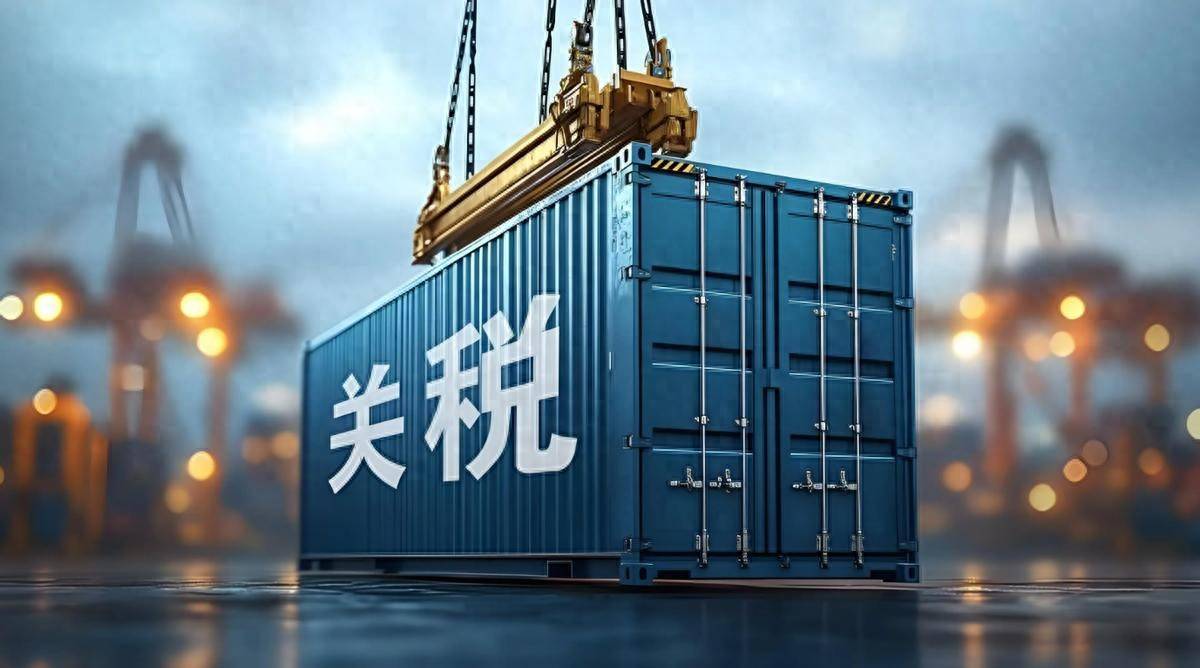
“中国一粒都没买”!大豆滞销,美农民卖设备维持生计,“对特朗普的忠诚将接受考验”!特朗普满世界找买家
Mei Ri Jing Ji Xin Wen· 2025-10-09 05:07
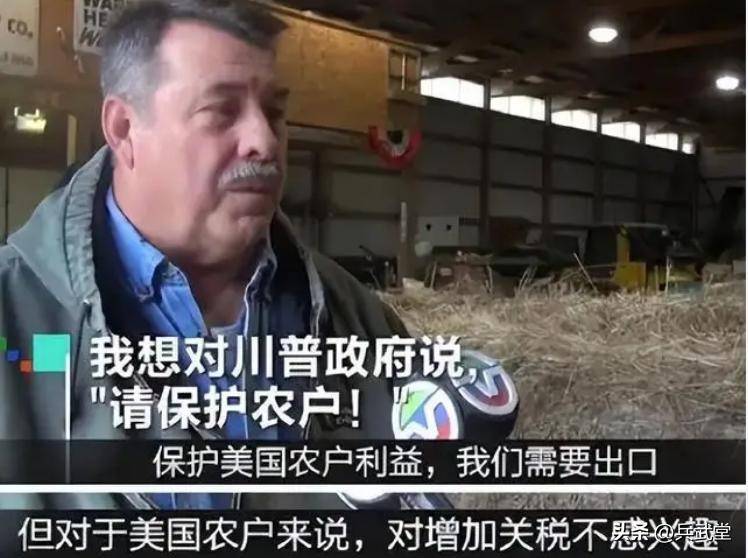
美国媒体报道称,虽然今年农业产量创纪录,但农民可能无处出售农产品,"农民对特朗普(政府)的 忠诚即将接受考验"。英国《金融时报》报道也说,美国今年大豆满仓、但价格下跌,农民难以维持生 计。"美国头号出口农产品的海外销售量骤降,给美农造成'毁灭性'打击。" 美国豆农:受关税战反噬 美国大豆协会称,自5月以来,中国就不再购买美国大豆了。随着美国大豆进入收获季节,因大豆滞销 而面临巨额损失的豆农心急如焚…… 美农村正承受巨大痛苦 眼下,美国大豆已经进入收获季,美国豆农坦言,受关税战的反噬,目前美国农村正陷入巨大困境。 美国农场主 克里斯·古尔德:目前美国农村正承受着巨大痛苦。中国一直是我们大豆的头号买家,我们 很大一部分大豆都销往了中国。然而,当我们(美国)开始扰乱国际贸易后,中国就开始寻找其他供应 来源了。 大豆对于美国农业及农产品出口至关重要。根据美国农业部的数据,2024年大豆以245.8亿美元的出口 额位居美国农产品出口首位,占农产品出口总额的14%。 中国此前是美国大豆的最大买家,2024年购买了价值126.4亿美元的大豆,占美国大豆出口总额一半以 上。美媒称,自2025年5月起,中国再也没有从美国购买过 ...

“中国一粒都没买”!大豆滞销,美国农民卖设备维持生计,“对特朗普的忠诚将接受考验”!特朗普满世界找买家,美协会急了:赶紧和中国谈
Mei Ri Jing Ji Xin Wen· 2025-10-09 04:16
每经编辑|段炼 美国大豆协会称,自5月以来,中国就不再购买美国大豆了。随着美国大豆进入收获季节,因大豆滞销而面临巨额损失的豆农心急如焚…… 美国媒体报道称,虽然今年农业产量创纪录,但农民可能无处出售农产品,"农民对特朗普(政府)的忠诚即将接受考验"。英国《金融时报》报道也说, 美国今年大豆满仓、但价格下跌,农民难以维持生计。"美国头号出口农产品的海外销售量骤降,给美农造成'毁灭性'打击。" 美国豆农:受关税战反噬 美农村正承受巨大痛苦 眼下,美国大豆已经进入收获季,美国豆农坦言,受关税战的反噬,目前美国农村正陷入巨大困境。 美国农场主 克里斯·古尔德:目前美国农村正承受着巨大痛苦。中国一直是我们大豆的头号买家,我们很大一部分大豆都销往了中国。然而,当我们(美 国)开始扰乱国际贸易后,中国就开始寻找其他供应来源了。 大豆对于美国农业及农产品出口至关重要。根据美国农业部的数据,2024年大豆以245.8亿美元的出口额位居美国农产品出口首位,占农产品出口总额的 14%。 中国此前是美国大豆的最大买家,2024年购买了价值126.4亿美元的大豆,占美国大豆出口总额一半以上。美媒称,自2025年5月起,中国再也没有从美 ...

彻底等不到中方订单,特朗普开始另寻出路,连印度都不愿买单
Sou Hu Cai Jing· 2025-10-08 12:13
中国不仅没有购买美国大豆,反手从阿根廷进口了130万吨的大豆。 美国却因为迟迟等不到中国的订单,特朗普只能火急火燎另寻出路,一边给豆农发"补贴"安抚民心,一边全球寻找美国大豆新买家。 然而特朗普的计划却遇到了一个坏消息,不仅补贴止不住"血",就连自己的"小弟"印度都不愿意买单,这次大豆真要砸手里了! 特朗普这个人总是自信满满的觉得一切尽在掌握之中,所以大搞关税战,对中国进行施压,是觉得最终中国会低头。 所以当国内豆农第一次喊话特朗普,表示中国没有像往常一样购入大豆的时候,特朗普不以为意,甚至还在采访中夸夸其谈,称全世界都该买美国的农产 品。 然而随着时间的流逝,美国豆农发现手里依旧没有一个来自中国的订单,显然因为美国的关税操作,中国选择另外寻找新的大豆供应商。 但这可苦了美国的豆农,要知道美国有超过三分之二的出口大豆都是中国收购的,一旦失去了中国市场,美国豆农将会面临大豆积压、农场破产的风险。 美国的农业是美国经济的压舱石,虽然大家只对美国高科技产业更熟悉,但是只有农业才是最稳定的来钱方式。 于是美国豆农几次喊话特朗普,上个月美国大豆协会的主席就已经喊话几次特朗普,直到这次他才意识到"火烧屁股"了。 9月22 ...
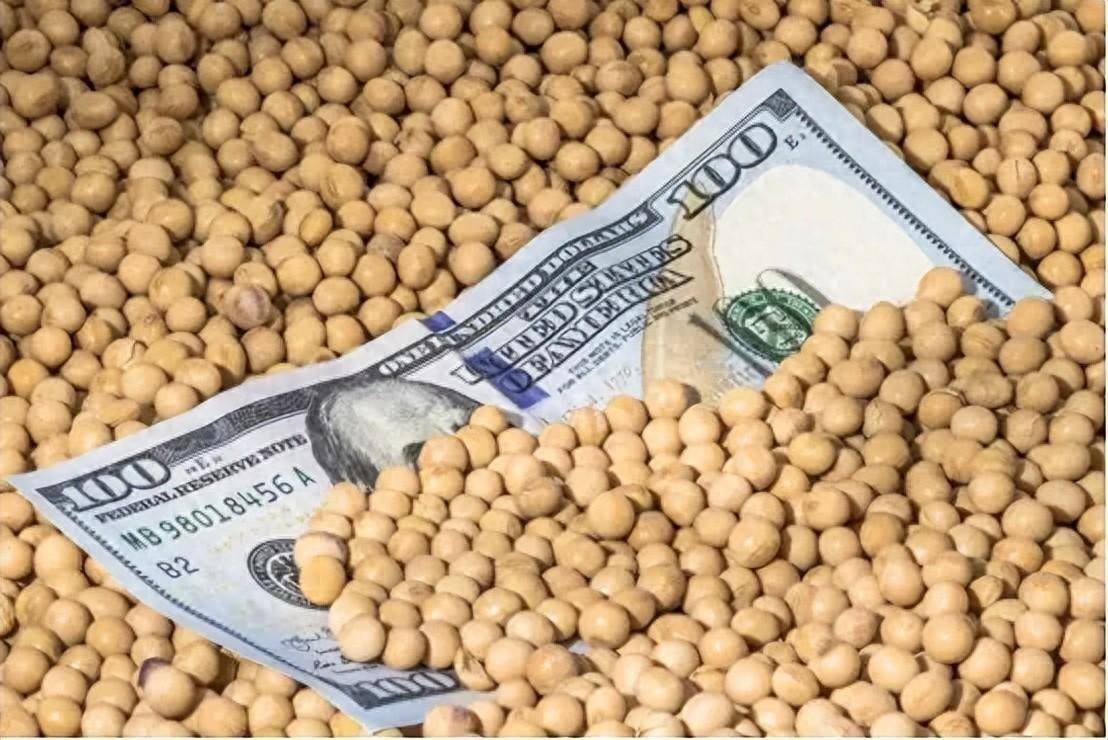
美投票结果已出炉,特朗普又被判“违法”,白宫:美军已开战
Sou Hu Cai Jing· 2025-10-08 11:10
Core Points - The United States is experiencing unprecedented turmoil in 2025, with large-scale riots occurring in various locations including ports, Texas, and Los Angeles due to Trump's policies [1][3] - Trump's administration has intensified its anti-immigration stance, leading to legal challenges and a significant political divide, particularly regarding budget proposals and immigration policies [3][10] Group 1: Domestic Issues - Large-scale riots have erupted in response to job losses among truck workers due to tariffs imposed by Trump, and conflicts in Texas related to military deployment against illegal immigration [1] - The federal government is facing a shutdown due to budget disagreements, with only three Democratic senators supporting Trump's budget proposal, highlighting deepening political divides [3][5][7] - The potential government shutdown could lead to significant disruptions in public services, affecting tourism, hospitality, and restaurant industries [10] Group 2: Immigration Policies - Trump's push for detailed information on foreign students at Harvard reflects a broader anti-immigration agenda, which has faced constitutional challenges [3][10] - The administration's immigration policies are closely tied to budget negotiations, with Democrats seeking healthcare law extensions while Trump insists on budget approval first [8] - Trump's controversial proposal to eliminate birthright citizenship has been ruled unconstitutional, further complicating his immigration agenda [10] Group 3: International Relations - Trump's administration has linked immigration issues to drug trafficking, proposing tariffs on fentanyl and military actions in the Caribbean, which has drawn international criticism [12][14] - Tensions with Venezuela have escalated, with military actions taken against Venezuelan vessels, raising concerns about broader conflicts in the region [12][18]
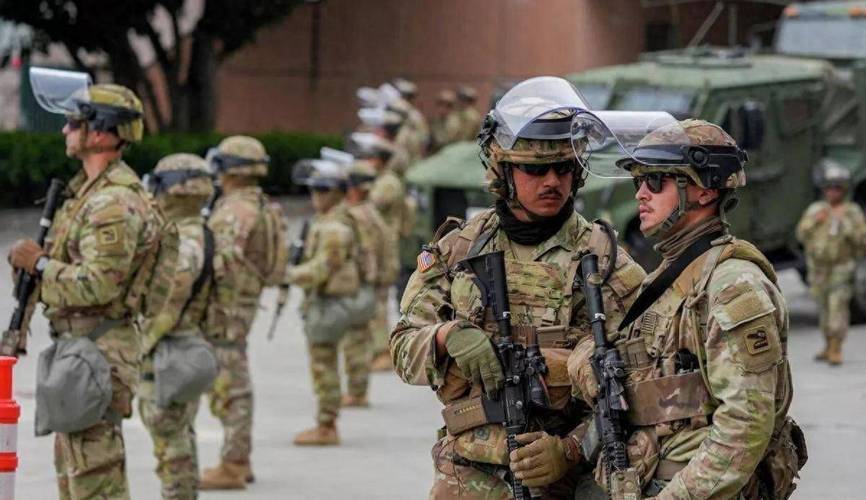
美国遭遇大豆危机?中国停购全球观望,特朗普:准备和中国谈谈
Sou Hu Cai Jing· 2025-10-07 06:00
有一种"战争"虽然没有硝烟,但却造成了极大的破坏力。比如特朗普发动的全球关税战。大家常说"种瓜得瓜,种豆得豆",特朗普对全球做出的种种决策, 最终也会受到相应的回报。今天我们要谈的,就是美国在一场看不见硝烟的大豆"战争"中遭遇的困境。 美国最初对此并不急于反应,因为大豆交易虽然规模庞大,但单笔金额并不算高。比如2017年,美国大豆交易额为370亿美元,交易量为3000万吨。但大豆 的主要生产地区,像艾奥瓦、伊利诺伊、明尼苏达等中西部州,都是特朗普的支持票仓。因此,大豆问题对特朗普来说,不仅是农业问题,更关乎政治支 持。 然而,情况愈发严峻。以往,中国会偶尔减少对美大豆的采购,但并未彻底停购。今年,中国几乎没有购买任何美国大豆,这一"坚决不买"的态度,显然是 针对特朗普关税政策的一次反击。美国大豆期货价格也因此暴跌了40%。全球市场开始担忧美国大豆的前景,导致资本市场反应强烈。农民面临低于生产成 本的价格,9-10美元每蒲式耳,而生产成本是11.03美元,卖得越多亏得越多。 如果美国坚持不改变,其他国家将继续购买南美的大豆,而美国的大豆则可能烂在仓库里。虽然曾经美国在全球农业谈判中占据主导地位,但这次面对中国 ...
拒绝买单!美损失超100亿美元,特朗普急了:想跟中国好好谈
Sou Hu Cai Jing· 2025-10-06 05:48
Core Insights - The cessation of U.S. soybean imports by China marks the first time in 27 years, driven by high tariffs imposed by both countries as part of a trade conflict [1][3] - The U.S. soybean market is facing significant challenges, with zero orders from China this year, which previously accounted for over 50% of U.S. soybean exports valued at $12 billion in 2024 [3][5] - South American countries like Argentina and Brazil are gaining a competitive edge in the Chinese market due to lower tariffs and favorable export policies, further complicating the U.S. position [5][8] Trade Dynamics - The U.S. has relied heavily on China as a primary buyer of soybeans, but the imposition of tariffs has led Chinese buyers to seek alternative suppliers [7] - Trump's strategy to use soybean purchases as leverage for tariff negotiations is proving ineffective, as market dynamics have shifted and new suppliers have emerged [7][9] - The ongoing trade tensions have resulted in a potential increase in tariffs to 145% from the U.S. side and 125% from China, which could lead to a complete trade paralysis [8][9] Market Reactions - The agricultural sector in the U.S. is increasingly vocal about the negative impacts of the trade conflict, with farmers struggling to find buyers for their products [3][5] - The perception of tariffs as a "good status quo" contradicts the need for cooperation and negotiation in trade, highlighting the complexities of the current situation [5][9] - The diversification of supply sources in China is enhancing its bargaining power and stability in the supply chain, which poses a long-term challenge for U.S. agricultural exports [8][9] Political Implications - The political narrative in the U.S. continues to frame the country as a victim of trade practices, which may not resonate with market realities and could hinder long-term support [8][10] - The effectiveness of Trump's approach to leverage tariffs for political gain raises questions about the sustainability of such a strategy, especially for those directly affected like farmers and consumers [10] - The need for actionable solutions rather than political rhetoric is emphasized, as the ongoing trade conflict has real implications for inflation and consumer costs in the U.S. [9][10]