创新

Search documents
打开全要素生产率的“黑箱” 让现有投入“用得更好”
Sou Hu Cai Jing· 2025-11-12 16:54
Core Insights - China's TFP (Total Factor Productivity) level is only 0.37 of that of the United States, indicating significant growth potential [1] - The traditional growth model in China has relied heavily on capital and labor input, but this approach is facing challenges due to diminishing returns and the exhaustion of demographic dividends [1] - A structural shift is necessary for China's economy to transition from input-driven growth to efficiency-driven growth, focusing on improving TFP rather than merely increasing inputs [1] Group 1: Understanding TFP - TFP has long been viewed as a "black box," representing the residual factors contributing to output growth beyond capital and labor, but lacks clarity on its underlying mechanisms [2] - Existing research often measures TFP changes without fully understanding the driving forces behind these changes, limiting the practical applicability of findings [2] Group 2: Components of TFP - TFP can be decomposed into measurable components such as innovation, digitalization, institutional and organizational management, and externalities [3] - Innovation and technological advancement are traditional sources of TFP growth, with an emphasis on the diffusion and absorption of innovations rather than just research outcomes [3] - Digital assets are emerging as new production factors, reshaping production functions and enhancing overall efficiency through improved resource allocation and operational optimization [3] Group 3: Institutional and Organizational Factors - A conducive institutional and organizational management system is essential for fostering innovation and driving TFP growth [4] - Institutional arrangements influence resource allocation efficiency across sectors, with improved management practices potentially increasing output without additional input [4] Group 4: External Effects and Social Responsibility - Traditional TFP measurements often overlook the external effects and social responsibilities that contribute to overall efficiency [5] - Enhancing productivity in one sector can lead to efficiency improvements across supply chains and service networks, suggesting a broader definition of TFP that includes social contributions [5] Group 5: Policy Implications - Establishing a unified TFP data and analysis system is crucial for dynamic assessment and policy evaluation [6] - Expanding the scope of TFP assessments to include social value and externalities can lead to a more comprehensive understanding of efficiency [6] - Policy reforms should focus on improving resource allocation efficiency, with TFP enhancement as a common goal across various sectors [6] Group 6: From Metrics to Management Tools - TFP should transition from a statistical measure to a management tool, allowing policymakers to design targeted incentives for innovation and efficiency improvements [7] - Understanding TFP as a dynamic system connecting macroeconomic policies with micro-level behaviors can enhance China's economic competitiveness [7]
打开全要素生产率的“黑箱”,让现有投入“用得更好”
Di Yi Cai Jing· 2025-11-12 12:45
Group 1 - The core argument emphasizes that the key to future economic growth in China lies in improving Total Factor Productivity (TFP) rather than merely increasing inputs of capital and labor [1] - China's TFP level is only 0.37 of that of the United States, indicating significant growth potential [1] - The traditional growth model based on capital and labor accumulation is facing challenges due to diminishing returns and the exhaustion of factor input growth [1] Group 2 - TFP has long been viewed as a "black box," with its definition and application lacking clarity, often treated as a residual that does not explain the sources of efficiency [2] - Existing research has primarily focused on measuring TFP changes without adequately analyzing the underlying mechanisms driving these changes [2] Group 3 - To understand TFP, it should be decomposed into measurable components such as innovation, digitalization, institutional and organizational management, and externalities [3] - Innovation and technological progress are traditional sources of TFP growth, with an emphasis on the diffusion and absorption of innovation rather than just research outcomes [3] - Digital assets are emerging as new production factors that can enhance TFP by reshaping production functions and improving overall efficiency [3] Group 4 - A conducive institutional and organizational management system is essential for fostering innovation and driving TFP growth [4] - Institutional arrangements determine the efficiency of resource allocation across different sectors and regions, highlighting the importance of management and governance improvements [4] Group 5 - External effects and social responsibility should redefine the boundaries of productivity, as improvements in one sector can enhance overall efficiency across supply chains [5] - Social responsibility costs, often seen as efficiency losses, should be recognized as contributions to systemic stability and sustainability [5] Group 6 - The goal of "opening the black box" is to create a more scientific approach to development and governance, with TFP enhancement serving as a starting point for policy design [6] - A unified TFP data and analysis system is necessary to break down data silos and provide a quantitative basis for policy evaluation [6] Group 7 - Expanding the assessment criteria for TFP to include social value and externalities is crucial for a comprehensive evaluation of efficiency [6] - Policies should focus on improving resource allocation efficiency rather than merely reducing inputs, with TFP as a guiding principle for reforms [6] Group 8 - TFP should transition from a statistical measure to a management tool, allowing policymakers to design targeted incentives for innovation and digitalization efforts [7] - Understanding TFP as a dynamic system connecting macroeconomic policies with micro-level behaviors is essential for enhancing China's economic competitiveness [7]
埃森哲全球副总裁:创新让中国更具全球吸引力丨跨国公司看中国
2 1 Shi Ji Jing Ji Bao Dao· 2025-11-12 12:04
Group 1 - The core viewpoint is that China's innovation culture is deeply integrated into economic development, driving industrial upgrades and creating collaboration opportunities for multinational companies [2] - Glenn Heppell, Accenture's Global Vice President and COO for Asia Pacific, expressed admiration for the innovative power and open framework showcased at the China International Import Expo [2] - Heppell noted that the rapid implementation of new technologies by both local and multinational companies is impressive, highlighting sectors such as renewable energy, artificial intelligence, electric vehicles, and high-end manufacturing [2] Group 2 - Heppell recalled his experiences in Shenzhen over a decade ago, emphasizing the remarkable innovation vitality present at that time, which has now spread across the country [2] - The innovation spirit is seen as a crucial factor in sustaining China's economic growth, with Heppell stating that China is not just discussing innovation but is actively implementing it [2]

证监会最新发声!坚决防止资本市场大起大落、急涨急跌
Shang Hai Zheng Quan Bao· 2025-11-12 06:30
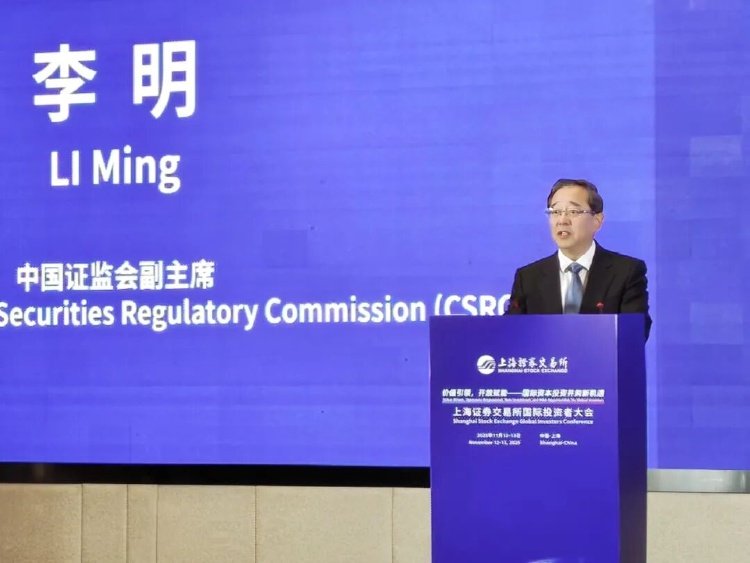
Group 1: Conference Overview - The Shanghai Stock Exchange International Investor Conference commenced on November 12, aiming to create a communication bridge for foreign institutions to engage with domestic regulatory bodies, exchanges, listed companies, and various financial institutions [1] - The theme of this year's conference is "Value Leading, Open Empowerment - New Opportunities for International Capital Investment and Mergers" [1] Group 2: Regulatory Insights - The Vice Chairman of the China Securities Regulatory Commission (CSRC), Li Ming, emphasized the stability and potential of the Chinese economy, stating that the capital market operates smoothly and has a solid foundation [3] - The CSRC plans to deepen comprehensive reforms in investment and financing, enhance the inclusiveness and adaptability of capital market systems, and promote the development of various equity financing methods [3][4] Group 3: Future Outlook - Li Ming projected that the door for foreign investment in China's capital market will continue to open wider, with efforts to improve the Qualified Foreign Institutional Investor (QFII) system and expand cross-border investment products [4] - The Shanghai Municipal Government aims to attract more domestic and foreign institutions to operate in Shanghai, enhancing the quality of financial services to the real economy [6] Group 4: Exchange Development - The Chairman of the Shanghai Stock Exchange, Qiu Yong, highlighted the focus on fostering new productive forces and optimizing key systems such as issuance, refinancing, and mergers to guide capital towards advanced technologies and future industries [9] - Qiu also mentioned the importance of expanding institutional openness and enhancing the international product system to improve global competitiveness [9] Group 5: Investment Trends - Huatai Securities' Liang Hong identified three main lines for China's consumption upgrade: innovation, restructuring, and going global, with a positive outlook on capital investment in high-tech sectors [10][12] - Temasek's China Region Chairman, Wu Yibing, noted the dual drivers of innovation and mergers in China's economic transformation, emphasizing the importance of long-term investment in the evolving market [13]

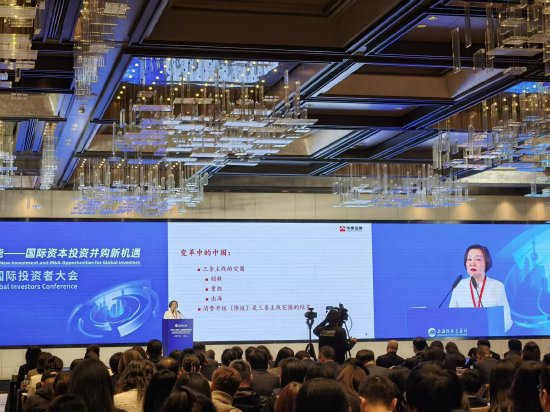
华泰证券梁红:变革中的中国有创新、重组、出海三条主线,2026年各行业盈利增速均将有所回升
Xin Lang Zheng Quan· 2025-11-12 02:27
Group 1 - The Shanghai Stock Exchange International Investor Conference was held on November 12, highlighting three main themes in the current transformation of China: innovation, restructuring, and going global, with consumption upgrade being a result of these themes [1] - Liang Hong, Chairman of Huatai Securities Institutional Business Committee, predicts that the macroeconomic trend in China for 2026 will show nominal growth recovery, particularly in dollar-denominated nominal growth, with productivity improvement becoming a more significant narrative than the downturn in real estate [3] - It is expected that the net profit growth rate for non-financial companies in 2026 will be approximately 13%, with profit growth across various industries anticipated to rebound [3]

外国媒体热议中共二十届四中全会——中国是全球进步的重要贡献者
Ren Min Ri Bao· 2025-11-11 22:41
Core Points - The 20th Central Committee of the Communist Party of China has approved the "15th Five-Year Plan" proposal, which has garnered significant international attention for its focus on high-quality development and long-term strategic planning [1][2][4] Group 1: Economic Development - The "15th Five-Year Plan" emphasizes the importance of domestic circulation and the role of the private economy in driving China's economic growth [2][4] - The plan aims to enhance the quality, sustainability, and inclusiveness of economic growth, shifting focus from mere expansion to quality improvement [3][6] - Strategic emerging industries such as biomanufacturing, brain-computer interfaces, and 6G mobile communication are identified as new growth points for the economy [2][5] Group 2: Innovation and Technology - The plan highlights the necessity of technological self-reliance and innovation as key drivers for economic development, aiming to improve the overall effectiveness of the national innovation system [5][6] - There is a strong emphasis on integrating advanced technologies like artificial intelligence and green manufacturing into the industrial system [5][6] - The plan also calls for a balance between boosting consumption and effective investment, promoting a virtuous cycle between supply and demand [6][7] Group 3: Global Engagement - The "15th Five-Year Plan" is seen as a signal of China's commitment to open up and engage with the global economy, aiming to create new opportunities for international cooperation [7][8] - China's development strategy is expected to contribute positively to global economic stability and growth, reinforcing its role as a key player in the international arena [8][9] - The plan outlines a vision for a "beautiful China," focusing on green transformation and sustainable development [5][7]
中国是全球进步的重要贡献者
Ren Min Ri Bao· 2025-11-11 22:40
Core Insights - The 20th Central Committee of the Communist Party of China has approved the "15th Five-Year Plan" proposal, which has garnered significant international attention for its focus on high-quality development and long-term strategic planning [1][2][3]. Group 1: Economic Development Focus - The "15th Five-Year Plan" emphasizes improving the quality of life for citizens and enhancing domestic economic circulation, highlighting the importance of the private sector in China's economic growth [2][3]. - The plan aims to foster strategic emerging industries such as biomanufacturing, brain-computer interfaces, embodied intelligence, and 6G mobile communication as new economic growth points [2][3]. - The proposal underscores the need for a balanced approach between boosting consumption and effective investment, advocating for a new demand-driven supply model [6][7]. Group 2: Innovation and Technology - The plan prioritizes technological self-reliance and innovation as key drivers for economic development, aiming to enhance the overall effectiveness of the national innovation system [5][6]. - It stresses the integration of advanced technologies like artificial intelligence, green manufacturing, and biotechnology into the industrial framework, promoting collaboration among universities, enterprises, and research institutions [5][6]. - The focus on sustainable and inclusive growth reflects a shift towards quality and sustainability in economic planning [3][4]. Group 3: Global Economic Impact - The "15th Five-Year Plan" is positioned not only to solidify China's development but also to contribute positively to global economic growth, emphasizing high-level openness and cooperation [8]. - The plan signals China's commitment to economic globalization and strengthening South-South cooperation, aiming to enhance confidence and stability in the global economy [8]. - China's achievements during the "14th Five-Year Plan" period are seen as a foundation for leading new global development trends, particularly in logistics, energy, agriculture, education, and science [7][8].
加大在华投资 汲取创新力量——访达能中国、北亚及大洋洲总裁谢伟博(见证·中国机遇)
Ren Min Ri Bao· 2025-11-11 22:40
Core Viewpoint - The article emphasizes the importance of the Chinese market for international companies aiming to become industry leaders, highlighting Danone's commitment to leveraging China's innovation for global market benefits [1]. Investment and Expansion - Danone is increasing its investment in China, enhancing its research and production capabilities. The recent expansion of Danone Nutricia's factory in Wuxi will introduce multiple fully automated sterilization production lines, boosting the production capacity of enteral nutrition products [1]. - The new facility is set to become one of Danone's most advanced production bases globally, improving supply chain resilience and enabling efficient delivery of high-quality products to the global market [1]. Market Strategy - Products manufactured at the Wuxi facility are exported to nearly 30 countries and regions, demonstrating the mission of "rooting in China and benefiting the world" [1]. - The rapid development and scale of the Chinese market allow companies to innovate quickly, obtain feedback, and iterate continuously, which is a key reason for Danone's deep engagement in China [1]. Innovation and Collaboration - Danone has participated in the China International Import Expo for eight consecutive years, introducing nearly a hundred new products to the Chinese market through this platform [1]. - The company is increasingly integrating Chinese innovations, utilizing local AI technology for research and production, and views the expo as a unique window connecting the world [1]. Research and Development - The recent opening of Danone's OneBiome laboratory in Saclay, France, signifies a critical step in innovation and gut health research, with ongoing collaborations with Chinese universities in digital health and gut microbiome fields [1]. - China's active and unique digital ecosystem aids in transforming research outcomes into solutions for consumers, patients, and healthcare professionals [1]. Future Outlook - Danone plans to continue deepening its presence in China, collaborating with local partners to convert innovations and practices from China into products and services that benefit global consumers [1].


聚焦合规专业创新 北京证监局召开2025年辖区公募REITs监管工作会议
Xin Hua Cai Jing· 2025-11-11 08:42
Core Insights - The Beijing public REITs market has shown steady growth since its pilot launch, with significant asset diversity and resilience, making it influential in the city [1] - As of October 2025, Beijing has listed 15 public REITs with a total fundraising scale of 38 billion yuan, covering seven asset types, leading the nation in terms of number of listings, fundraising scale, and asset diversity [1] - The meeting highlighted key issues in the market, including responsibilities of fund managers, operational management capabilities, valuation, and information disclosure [1] Market Development - The meeting emphasized the importance of compliance, professionalism, and innovation for the REITs market in 2025, which is a crucial year for the "14th Five-Year Plan" and the foundation for the "15th Five-Year Plan" [1] - Key focus areas include enhancing compliance awareness, improving operational standards, and fostering innovation to explore new asset types and develop a multi-tiered REITs market system [1] Collaborative Efforts - Market participants are encouraged to build a healthy ecosystem for the REITs market through collaboration and shared responsibility [2] - Fund managers are urged to effectively utilize public REITs to support high-quality economic development in the capital [2] - There is a call for enhanced communication with regulatory bodies to leverage Beijing's geographical and asset advantages for the unique development of its REITs market [2]
开放合作共赢——进博会勾勒全球经济发展蓝图
Xin Hua Wang· 2025-11-11 04:03
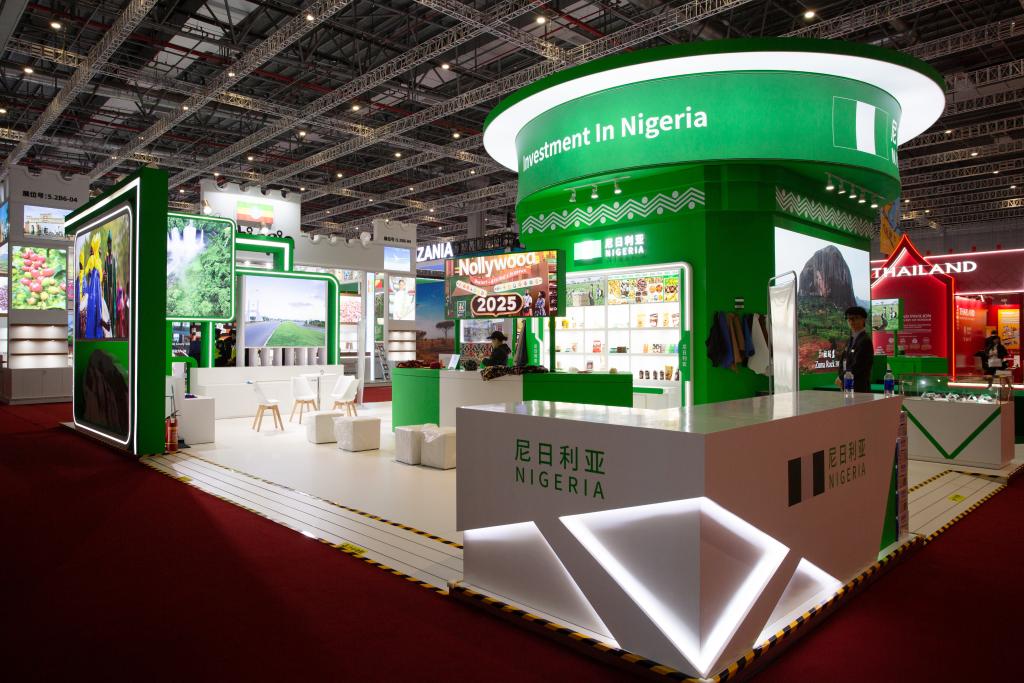
Group 1 - The eighth China International Import Expo (CIIE) was held from November 5 to 10 in Shanghai, with Nigeria as the guest country for the first time, showcasing various local specialties and promoting trade opportunities with China [2][10] - The expo highlighted innovation, sustainability, and openness, featuring over 461 new products, technologies, and services, with an estimated 200 of them being global debuts [5][6] - Philips presented nearly 50 innovative products and solutions across various healthcare sectors, emphasizing its commitment to R&D and manufacturing in China [3][5] Group 2 - The event served as a platform for global cooperation, with participation from 155 countries and regions, reinforcing the importance of multilateral trade [10] - Companies like Medtronic and Schneider Electric showcased their latest innovations, contributing to the expo's reputation as a window for global technological advancements [5][6] - The expo also focused on green and sustainable development, with initiatives like alternative fuel logistics solutions and carbon footprint tracking for participants [6][7]