
产业创新

Search documents
提升创新体系整体效能 陕西产业集群积厚成势
Jing Ji Ri Bao· 2025-12-19 22:25
Group 1 - Shaanxi Province is promoting the integration of education, technology, and talent to build a modern industrial system, achieving breakthroughs in research and development, results transformation, enterprise incubation, and industrial catalysis [1] - The province has implemented three reforms to promote the transformation of scientific and technological achievements, resulting in the transfer and transformation of 46,000 achievements and a doubling of the technical contract transaction volume over three years [1] - Significant projects in research and transformation have been signed recently, including the OLED packaging materials R&D and pilot production base project and the industrial robot R&D and manufacturing project [1] Group 2 - The Secretary of the Shaanxi Provincial Committee emphasizes enhancing innovation capabilities through the construction of the Xi'an regional technology innovation center and accelerating the transformation of scientific achievements through deepening the three reforms [2] - The focus is on strengthening the role of enterprises in innovation, optimizing the innovation ecosystem, and promoting the deep integration of technological innovation and industrial innovation [2] - The province has established 21 national-level industrial clusters and reported a 30.4% increase in private investment in the information transmission, software, and information technology service industries in the first ten months of this year [1]
济宁市科技创新引领高质量发展,赋能现代化产业体系建设
Qi Lu Wan Bao· 2025-12-19 14:26
强赋能,创新能力持续提升 加速研发突破,在全省率先推行企业研发项目备案制,推动企业研发活动项目化、台账化、常态化;实 施无研发人员、无研发机构、无研发活动的"三无"规上工业企业"动态清零",全市研发投入经费连续保 持两位数增长、提高幅度居全省前列。 加快技术攻关,储备筛选一批技术层次高、产业化前景好的项目,实施集中攻坚,同时"揭榜挂帅"省重 大科技创新工程、中央引导资金等项目,今年项目获批的数量、质量再创新高。 齐鲁晚报·齐鲁壹点 褚思雨 党的二十届四中全会将"加快高水平科技自立自强,引领发展新质生产力"作为战略任务进行专章部署, 强调要"推动科技创新和产业创新深度融合"。今年以来,济宁市科技系统锚定"一个万亿、五个倍增"目 标要求,聚焦科技创新引领现代化产业体系建设,综合施策、精准发力,推动科技创新与产业创新深度 融合,科技赋能高质量发展能力显著提升。 育主体,创新活力持续迸发 壮大科技企业队伍,畅通"微成长、小升高、高壮大"梯次链条,分类指导、靶向施策,完善企业全生命 周期培育体系,全市高新技术企业、科技型中小企业量质齐升,正在全力冲刺全年任务目标。强化创新 政策激励,用足用活创新政策,推进科技政策"直达 ...
中铝科学院:以科技创新和产业创新引领稀有稀散金属高质量发展
Xin Lang Cai Jing· 2025-12-19 12:48
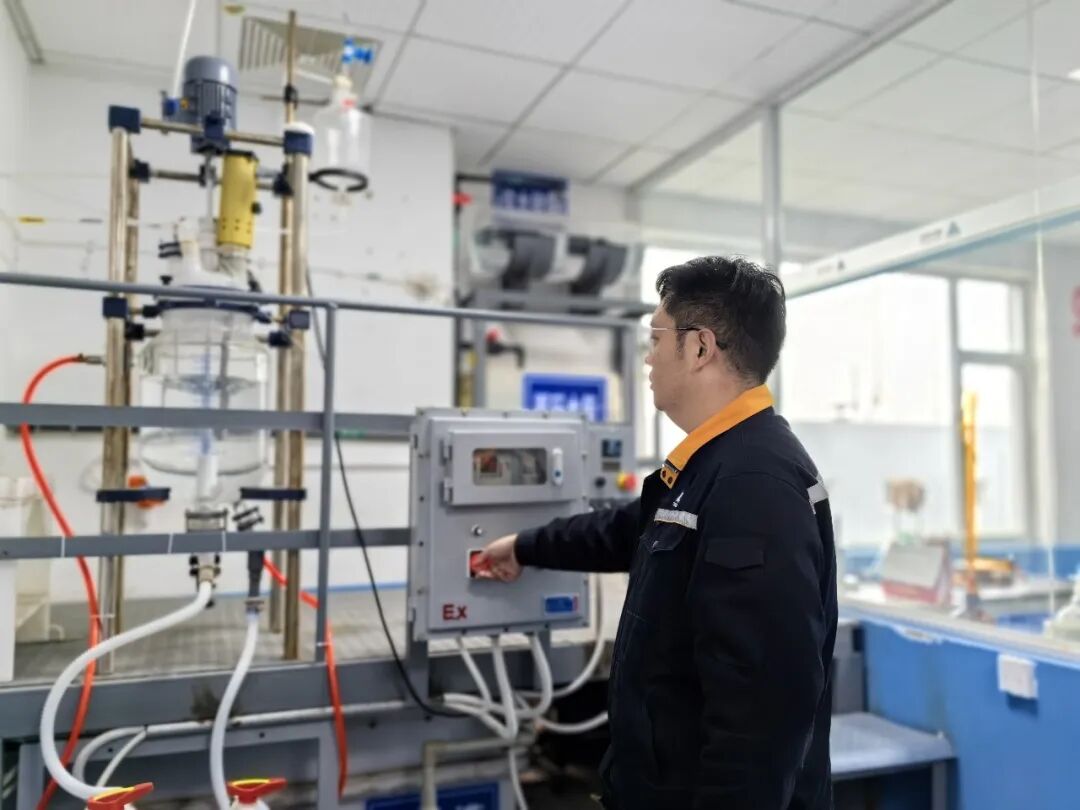
Core Viewpoint - The company is focusing on the development of rare and scattered metals to explore a "second growth curve" in alignment with the strategic path of "dual metals" and "dual materials and productization" [1][8] Group 1: Industry Transformation - The rare and scattered metals industry is expected to undergo four major transformations during the 14th Five-Year Plan: 1. New positioning from a supporting role to a core strategic position in electronic information [3][10] 2. New driving force shifting from resource dependence to technology and talent-driven innovation [3][10] 3. New model transitioning from a linear extraction and export model to a circular economy approach [3][10] 4. New business format evolving from single product transactions to integrated services offering materials, devices, and solutions [3][10] Group 2: Technological Innovation - The company is enhancing technological innovation in the rare and scattered metals sector, developing new materials such as large-size infrared germanium single crystals and high-purity copper target materials [4][11] - A new Future Materials Research Center has been established to focus on overcoming key material technology barriers in various advanced fields [4][11] Group 3: Green and Safe Practices - The company is committed to developing low-carbon, low-energy, and low-emission extraction and recycling technologies for rare and scattered metals [4][11] - New processes have been introduced, such as membrane-molten salt electrochemical preparation of high-purity lithium and low-temperature recycling of waste cathodes [4][11] Group 4: Value Enhancement - The company is planning the development paths for 24 types of rare and scattered metals, aiming to transform from single product transactions to integrated service offerings [5][12] - Successful applications of high-value utilization of germanium have been demonstrated in infrared thermal imaging systems [5][12] Group 5: Collaborative Ecosystem - The company is establishing a deep integration mechanism for industry, academia, and research to meet national strategic and industrial upgrade needs [5][12] - Collaboration with various organizations is being strengthened to accelerate the cultivation of new technologies, products, and industries [5][12] Group 6: Future Direction - The company aims to use technological innovation as a core engine, with green safety as a fundamental baseline and value enhancement as a guiding goal [6][13]

山东省发布重点研发计划项目指南建议通知
Xin Lang Cai Jing· 2025-12-19 12:48
Core Viewpoint - The Shandong Provincial Science and Technology Department is soliciting suggestions for the 2026 Key R&D Plan (Soft Science) project guidelines to enhance the strategic, forward-looking, and targeted nature of the projects, providing intellectual support for decision-making by the Party and government [1][4]. Group 1: Suggested Directions - The project guidelines should align with the spirit of the 20th National Congress of the Communist Party and subsequent plenary sessions, focusing on technology innovation strategies, enterprise innovation, regional innovation, and support for rural revitalization and social development [2][5]. - Emphasis is placed on projects that integrate technological innovation with industrial innovation, support the construction of green, low-carbon, high-quality development pilot zones, and promote ecological protection and high-quality development in the Yellow River basin [2][5]. Group 2: Requirements - Units are required to fill out the "2026 Key R&D Plan (Soft Science) Project Guidelines Suggestion Collection Form" and submit it by January 5, 2026, along with a summary form, both of which must be stamped with the unit's official seal [3][6]. - The electronic version of the suggestion form should follow a specific naming convention for organization and clarity [3][6].
白春礼:企业基础研究决定产业优势的长久性
Cai Jing Wang· 2025-12-19 12:24
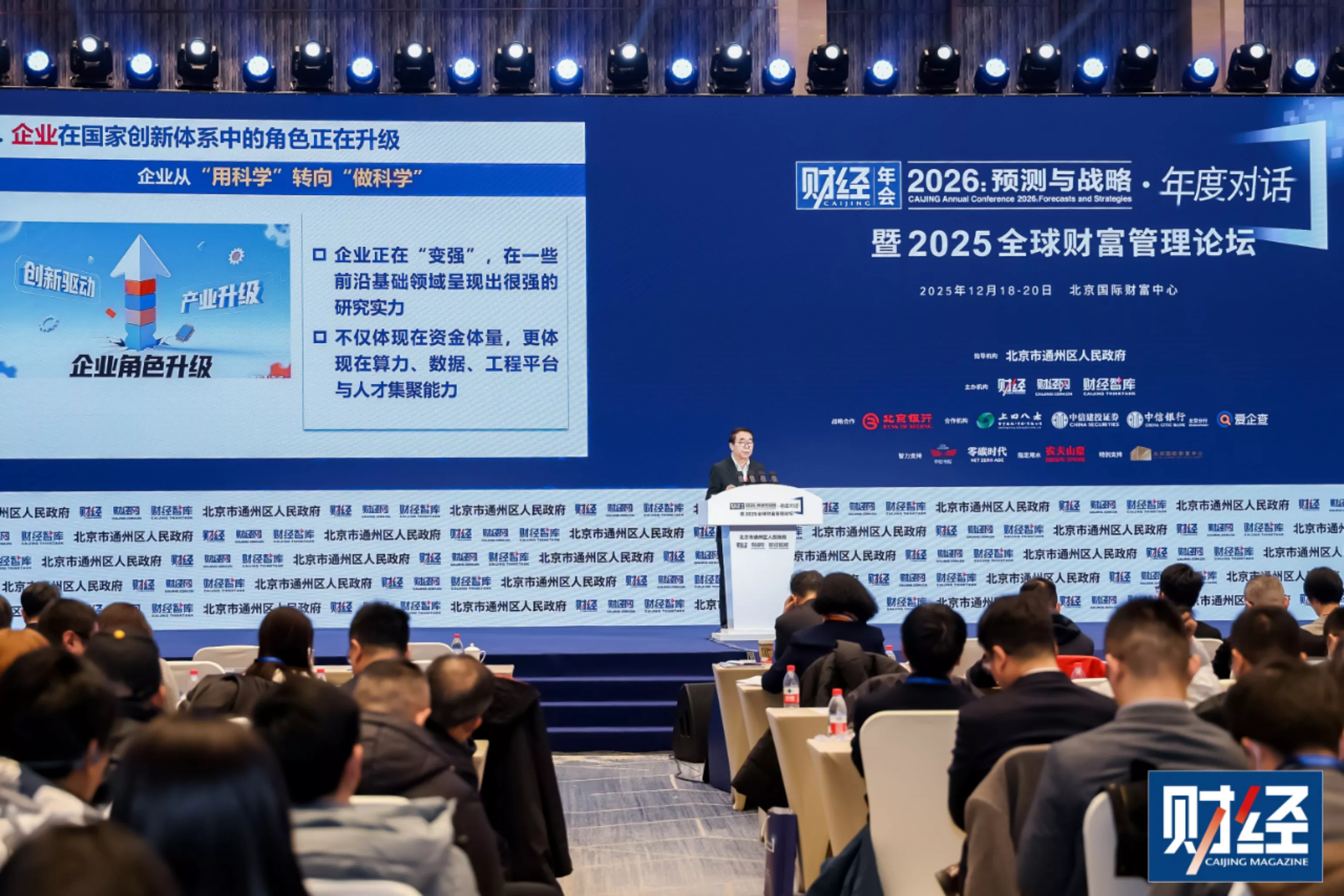
Core Viewpoint - The importance of fundamental research is increasingly recognized as a key driver of national competitiveness and industrial advantages, necessitating a shift in how enterprises approach and invest in this area [4][5][6]. Group 1: Importance of Fundamental Research - Fundamental research is becoming the "first move" in industrial competition and a "source project" for national competitiveness, as international competition shifts focus to foundational theories and key mechanisms [4][8]. - The boundary between technological innovation and industrial innovation is blurring, with shorter cycles for translating fundamental breakthroughs into industrial applications [10][11]. - Enterprises are evolving into primary players in the national innovation system, with increasing capabilities in decision-making, R&D investment, and the commercialization of research outcomes [11][12]. Group 2: Changes in Enterprise Perception and Involvement - Enterprises are beginning to view fundamental research as a "core competitive asset," leading to a more systematic and internalized approach to research [14][15]. - There is a trend towards enterprises making original contributions in fundamental research, as seen in advancements like AlphaFold, which signifies a shift in the role of enterprises from merely applying science to actively shaping scientific inquiry [15][16]. - The resource allocation for fundamental research within enterprises is changing, with significant investments being made in areas like AI and biotechnology, reflecting a commitment to long-term foundational research [16][17]. Group 3: Current Challenges in Fundamental Research - Despite progress, the proportion of funding for fundamental research remains low, with only 6.9% of total R&D expenditure in China allocated to this area, compared to higher percentages in countries like the US and UK [18][19]. - Enterprises are the main executors of R&D but are underinvesting in fundamental research, with only about 1% of their R&D spending directed towards it [18][19]. - There are systemic barriers to enterprise involvement in fundamental research, including unstable expectations, risk-sharing challenges, and insufficient organizational capabilities [19][20]. Group 4: Recommendations for Enhancing Enterprise Involvement - Integrate enterprise fundamental research into national strategic tasks to create stable support and long-term arrangements [21][22]. - Develop effective incentive and risk-sharing mechanisms to encourage long-term investments in fundamental research [22][23]. - Foster collaboration between research institutions and enterprises to build a platform for innovation that addresses key industrial challenges [22][23]. - Reform talent supply and evaluation systems to support enterprises in fundamental research, emphasizing long-term contributions and original breakthroughs [23][24].
今年前三季度长三角一体化示范区两区一县经济社会发展保持较强劲的上升势头
Xin Lang Cai Jing· 2025-12-19 12:13
今年上半年,长三角一体化示范区固定资产投资增速和工业投资增速实现了较快增长,并大幅领先长三 角整体水平,充分说明长三角一体化发展国家战略及示范区建设实施以来,国家战略的红利不断释放, 长三角一体化示范区更高质量一体化发展提速增效,呈现量质齐升的良好态势。据透露,青浦、吴江、 嘉善三个园区均已获省级园区批复,正在积极争创全国首个跨省区国家级高新区。 围绕青浦区打造"长三角创新枢纽""长三角企业入沪第一站""中国古镇入境旅游第一站"的目标,"2025 长三角更高质量一体化发展青浦宣传周"将集中呈现青浦区在国家战略叠加赋能下的发展蝶变。 据悉,自揭牌成立以来,长三角一体化示范区按照总体方案明确的一体化创新试验田的要求,会同青、 吴、嘉三地聚焦生态保护、土地管理、要素流动、公共服务、体制机制等重点领域探索形成了一系列制 度创新成果;探索出了一条跨行政区共商、共建、共管、共享、共赢的新路径,共同打造高效规范、公 平竞争、充分开放的区域一体化市场,到目前为止有61项制度创新成果面向全球公开发布。在制度创新 红利的持续释放下,长三角一体化示范区经济的综合实力不断提升,区域经济总量连续迈上新台阶。 中新网上海12月19日电 ...
湖北化学化工学会青委会完成换届
Zhong Guo Hua Gong Bao· 2025-12-19 03:31
Core Viewpoint - The meeting emphasizes the importance of youth in driving technological and industrial innovation in Hubei's chemical and chemical engineering sector, aiming for high-quality development [1] Group 1: Meeting Highlights - The second committee re-election meeting of the Youth Committee of the Hubei Chemical and Chemical Engineering Society was held at Huazhong University of Science and Technology [1] - Wang Cunwen, the chairman of the society, expressed the hope that young scientific and technological workers will focus on technological and industrial innovation to achieve significant strategic outcomes [1] Group 2: Future Initiatives - Zhao Qiang, the newly elected chairman of the third Youth Committee, outlined four key areas of focus: 1. Deepening academic exchanges to create a high-standard interdisciplinary discussion platform [1] 2. Strengthening technological services to enhance the breadth and depth of school-enterprise connections [1] 3. Promoting science popularization to improve social recognition in the chemical and chemical engineering fields [1] 4. Increasing support for talent development to enhance the growth support system for young talents [1]
走进上市公司——金发科技600143.SH 以“工业骨骼”铸就高质量发展传奇
Quan Jing Wang· 2025-12-19 03:20
Group 1 - The event organized by China Merchants Securities aimed to showcase the achievements and technological innovations of Kingfa Sci & Tech Co., Ltd., a leading modified plastics company, facilitating deep communication between investors and the enterprise [1] - The focus of the event was to explore industrial innovation and connect capital with real value, emphasizing the importance of in-depth research to understand the core competitiveness of companies [2][3] - Kingfa Sci & Tech is positioned as a leader in the new materials sector in China, with a goal to increase overseas revenue to 30% and enhance its global presence [4] Group 2 - The immersive exhibition allowed investors to experience the technological capabilities and market foresight of Kingfa Sci & Tech, showcasing products across four core areas: automotive, low-altitude economy, smart manufacturing, and green environmental protection [5] - Kingfa Sci & Tech has achieved significant technological breakthroughs in modified plastics, with core products showing substantial improvements in key indicators such as heat resistance and biocompatibility, gaining wide market recognition [5] - In the interactive session, the management highlighted the growing demand for modified plastics in the electric vehicle sector, with an average usage of 100 to 120 kg per vehicle, and discussed the company's global production and R&D expansion plans [6] Group 3 - The event successfully provided investors with insights into Kingfa Sci & Tech's technological strength and growth potential, while also helping them grasp the development trends in the new materials industry [7]


陈刚韦韬会见中国科学院院长侯建国共同见证签署新一轮战略合作协议
Guang Xi Ri Bao· 2025-12-19 01:53
Core Viewpoint - The Guangxi Autonomous Region government and the Chinese Academy of Sciences have signed a new strategic cooperation agreement to enhance technological innovation and support economic development in Guangxi [1][2]. Group 1: Strategic Cooperation - The agreement aims to deepen collaboration in artificial intelligence and other scientific research areas, focusing on key industries such as sugarcane, biomedicine, and bauxite mining [1]. - The Chinese Academy of Sciences has expressed commitment to support Guangxi's development and to implement the strategic agreement effectively [2]. Group 2: Economic and Technological Development - Guangxi is focusing on integrating education, technology, and talent development to embrace the era of artificial intelligence and promote high-quality economic growth [1]. - The Chinese Academy of Sciences is working to accelerate the integration of technological and industrial innovation, aiming to provide data and decision support for the development of new productive forces in the Southwest and Beibu Gulf regions [2]. Group 3: Research and Innovation Focus - The cooperation will prioritize breakthroughs in core technologies related to sugarcane variety selection, citrus disease prevention, and the development of key mineral resources [2]. - The strategic partnership is expected to contribute significantly to cultivating new growth drivers and achieving high-level technological self-reliance [2].
促进地方高校毕业生本地化就业
Xin Hua Ri Bao· 2025-12-18 23:37
Group 1 - The core viewpoint emphasizes the importance of talent as a critical resource for technological and industrial innovation, highlighting the need for a strong talent base to support local economic development and competitiveness [1] - The report from the 20th National Congress of the Communist Party of China stresses that education, technology, and talent are foundational and strategic supports for building a modern socialist country [1] - The lack of high-end leading talents is identified as a key factor restricting local industrial structure adjustment and transformation, indicating that a city's development advantage largely depends on its talent resources [1] Group 2 - College graduates are recognized as a vital workforce and a reserve of high-level talent, playing a crucial role in advancing China's modernization efforts, with their employment issues being a significant part of national strategic planning [2] - Local universities aim to cultivate high-quality talent that can stay, be utilized, and remain in the region, thereby contributing to local economic and social development [2] - Promoting the localization of employment for local university graduates is seen as an important pathway for regional economic development and personal career growth [2] Group 3 - Local governments have implemented various policies to enhance employment services for college graduates, responding to the intensified competition for talent among cities [3] - The trend in talent recruitment has shifted towards not only attracting individuals but also fostering industrial growth and innovation [3] Group 4 - Local governments are encouraged to establish a comprehensive policy system to promote local employment for college graduates, focusing on aligning with national strategies for industrial adjustment and upgrading [4] - Efforts should be made to improve employment supply-demand matching using advanced technologies and platforms to provide precise employment services [4] - Policies should be tailored to local conditions to enhance the attractiveness of the region for talent, including financial support and living guarantees [4] Group 5 - Higher education institutions are crucial for nurturing innovative talent and should align their training models with local industrial needs [5] - A mechanism linking recruitment, training, and employment should be established to ensure that educational programs meet the evolving demands of local industries [5] - Collaboration between universities and local enterprises is essential to create customized educational programs and practical training opportunities [5][6]