
城乡融合发展

Search documents
焦点访谈|活力中国调研行 看中国特色城乡融合发展之路的生动实践
Yang Shi Wang· 2025-08-06 13:23
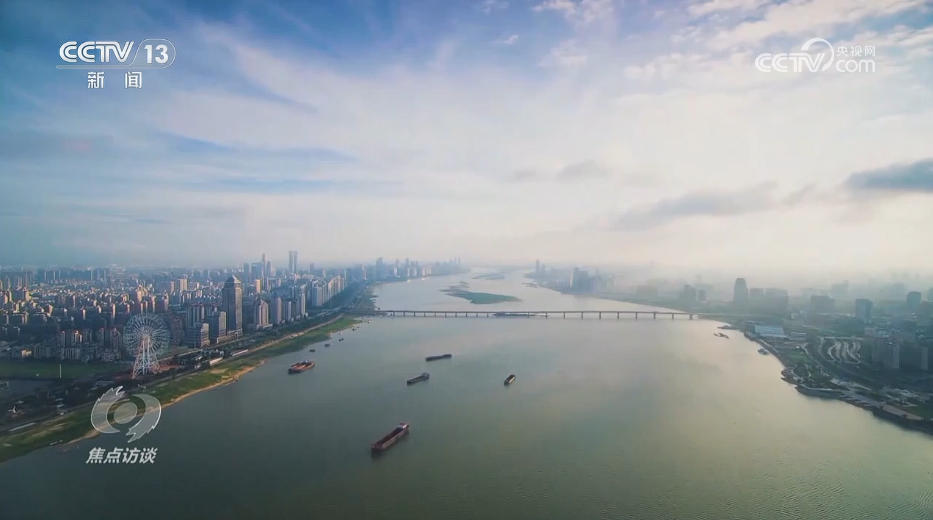
央视网消息(焦点访谈):随着中国经济社会的持续发展,新型城镇化与城乡融合成为推动高质量发展的关键动力。为了深入探讨 这一进程中涌现的新模式、新路径,由中宣部组织的第二批"活力中国调研行"不久前在江西、青海、吉林三省,实地探访了这些地区 在推进新型城镇化建设、促进城乡融合发展以及实现乡村全面振兴方面的积极探索和实践经验。透过江西的绿色崛起,到青海的生 态优先发展战略,再到吉林的老工业基地城乡融合发展,各地正因地制宜地打造宜居宜业的新家园,探索中国特色的城乡融合发展 之路。 2024年,丰城市循环经济产业年工业总产值突破500亿元,带动就业8000余人,新增就业岗位2500个。对于很多新市民来说,就业是 他们能顺利融入城市生活的重要保障,产业的发展带来新的就业机会,也加快推进了农业转移人口市民化,有力促进了城乡融合发 展。 尹弘:"县城是城镇化的重要载体,我们坚持以县城为主要依托,因地制宜发展壮大县域经济,不断提升辐射带动力,更好发挥县城 连接城市、带动乡村作用。城镇化不是简单地吸引人口落户,我们内外兼修提升功能品质,发展城市产业,扩大城市就业,切实保 障好教育、医疗、养老、住房等公共服务,让新市民更好地融入城市 ...

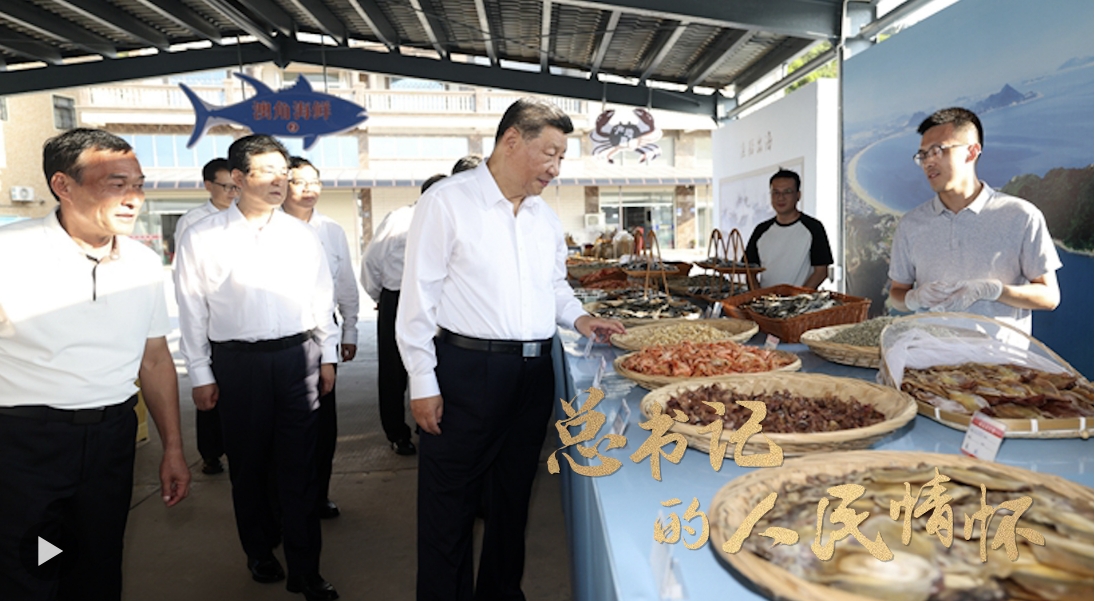
中国式现代化是全体人民共同富裕的现代化
Ren Min Ri Bao· 2025-08-06 00:19
Group 1 - The core message emphasizes the importance of achieving common prosperity for all people as a fundamental goal of the Communist Party of China, which is essential for modernization and the well-being of over 1.4 billion Chinese citizens [1][2][3] - The strategy to achieve common prosperity includes narrowing urban-rural gaps, regional disparities, and income differences as primary objectives [1][2] - The focus on rural modernization is highlighted as a critical and challenging task, with a strategic push for rural revitalization and balanced regional development [2][3] Group 2 - The implementation of policies for income equality and improved living standards is crucial for achieving comprehensive development and common prosperity [3][4] - Recent meetings emphasize the importance of social welfare measures, employment support for key groups, and preventing large-scale poverty [4] - The government is committed to practical actions that enhance the public's sense of gain, happiness, and security, ensuring that common prosperity is not only an economic issue but also a significant political concern [4]
总书记的人民情怀|“中国式现代化是全体人民共同富裕的现代化”
Ren Min Ri Bao· 2025-08-05 13:32
Core Viewpoint - The article emphasizes that "Chinese-style modernization is modernization for the common prosperity of all people," highlighting the importance of achieving common prosperity as a fundamental goal of the Communist Party of China [3][4][5]. Group 1: Common Prosperity - The concept of common prosperity has been a consistent focus for Xi Jinping, with repeated mentions in various political reports and speeches, indicating its significance in the party's agenda [3][4]. - Achieving common prosperity is seen as an essential requirement of socialism with Chinese characteristics and a necessary choice for over 1.4 billion Chinese people moving towards modernization [3][4]. Group 2: Rural Development - The most challenging tasks for promoting common prosperity lie in rural areas, necessitating comprehensive rural revitalization and addressing urban-rural and regional development imbalances [4][5]. - The strategy includes promoting agricultural modernization and ensuring integrated development between urban and rural areas, as outlined in the decisions from the 20th Central Committee [4]. Group 3: Regional Coordination - Reducing regional disparities and achieving coordinated regional development are viewed as essential pathways to common prosperity, with various strategies implemented since the 18th National Congress to enhance economic integration across regions [4][5]. - Xi Jinping has emphasized the importance of ensuring that marginalized areas, particularly border and ethnic regions, are not left behind in the development process [5]. Group 4: Social Welfare and Employment - The government is focused on improving social welfare and employment opportunities for key groups, including college graduates, veterans, and migrant workers, to ensure that the benefits of development are widely shared [5][6]. - Specific measures include enhancing social security systems and preventing large-scale poverty, which are critical to achieving common prosperity [5][6]. Group 5: Practical Implementation - The article highlights tangible initiatives that have improved the lives of citizens, such as cross-province medical insurance settlements benefiting 238 million people and the construction of 1.8 million affordable housing units [6]. - Xi Jinping stresses that achieving common prosperity is not only an economic issue but also a significant political matter related to the party's governance foundation, requiring a gradual and systematic approach to address disparities [6].
“百千万工程” 加力提速!《广州城乡融合发展报告(2025)》发布
Nan Fang Nong Cun Bao· 2025-08-05 01:32
Core Insights - The report titled "Guangzhou Urban-Rural Integration Development Report (2025)" outlines significant advancements in Guangzhou's agricultural sector and proposes a model for urban-rural integration in mega-cities [2][4]. Group 1: Agricultural Development - Guangzhou aims to establish itself as a strong urban agricultural city, achieving growth in multiple agricultural sectors, maintaining its leading position in the province and nationwide [7][8]. - In 2024, Guangzhou expects to see increases in grain production area, yield, and total output, with rural residents' disposable income growing faster than urban residents for 17 consecutive years [8][9]. - The city has implemented innovative financial models to enhance rural resource allocation efficiency and has achieved notable breakthroughs in agricultural innovation [10][11]. Group 2: Industry and Economic Growth - The report indicates that Guangzhou's rural industries have developed a diverse and clustered structure, focusing on seven key sectors, including vegetables and livestock, with a target of creating billion-level specialty industries [15][16]. - By 2023, the area planted with grain crops reached 30.08 thousand hectares, with a production of 151.9 thousand tons, while vegetable planting area was 149.22 thousand hectares, yielding 4.1413 million tons, reflecting a year-on-year growth of 0.6% [16][17]. Group 3: Brand Development and Market Integration - Guangzhou has established a total of 1 national and 8 provincial characteristic agricultural product advantage zones, with 24 national and provincial-level specialty products recognized [20][21]. - The city promotes the collective development of unique agricultural products, leveraging its market advantages to enhance the processing and distribution sectors [24][25]. Group 4: Technological Innovation - The agricultural technology contribution rate in Guangzhou exceeded 75% in 2023, with mechanization levels for major crops reaching 77.8% and over 83.1% for rice [29][30]. - The report highlights advancements in modern breeding technologies and the establishment of leading agricultural enterprises, contributing to the development of a digital agriculture equipment industry [34][36]. Group 5: Urban-Rural Integration and Tourism - The report emphasizes the integration of urban and rural elements, with new models for agricultural tourism and experiences being developed, enhancing the appeal of rural areas [43][53]. - Various development models are being implemented to create unique rural tourism products, combining local resources with modern agricultural practices [55][56]. Group 6: Future Strategies - Guangzhou plans to continue strengthening the "Hundred Million Project" strategy, focusing on key areas to stimulate rural economic development and enhance agricultural production capabilities [66][69].

农发行重庆市分行与北碚区委区政府开展座谈
Zhong Guo Jin Rong Xin Xi Wang· 2025-08-04 08:19
Core Viewpoint - The meeting between Agricultural Development Bank of China (ADBC) Chongqing Branch and Beibei District officials focused on enhancing government-bank cooperation to promote high-quality economic and social development in Beibei [1][2] Group 1: Government-Bank Cooperation - ADBC Chongqing Branch has established a strong cooperative foundation with Beibei District, covering various areas such as food security, urban-rural integration, water conservancy construction, and improving rural living conditions [1] - The bank aims to optimize financial service models to provide precise, efficient, and high-quality policy-based financial support for Beibei's development [1] Group 2: Financial Support and Projects - Since the beginning of the 14th Five-Year Plan, ADBC Chongqing Branch has approved credit of 9.7 billion yuan and disbursed 6.7 billion yuan to Beibei District [2] - Key projects supported include rural revitalization in the Jiangdong area, urban village renovation, integrated urban-rural water supply, and the development of a small and medium-sized enterprise cluster [2] Group 3: Future Financial Strategies - Beibei District plans to implement the "Smart Integration and Benefit Smooth" project, focusing on technology finance, green finance, inclusive finance, pension finance, and digital finance to create a favorable financial ecosystem [2] - The district aims to deepen financial cooperation with ADBC Chongqing Branch to achieve high-quality mutual benefits and promote economic and social development [2]
总书记的人民情怀 | “中国式现代化是全体人民共同富裕的现代化”
Ren Min Ri Bao· 2025-08-04 00:17
Core Points - The article emphasizes the importance of "common prosperity" as a fundamental goal of the Chinese Communist Party, highlighting its significance in the context of modernization and the well-being of all citizens [2][3][4] - It outlines the strategic focus on reducing urban-rural disparities, regional differences, and income gaps as essential steps towards achieving common prosperity [3][4][5] Group 1: Common Prosperity - "Common prosperity" is described as a core value and essential requirement of socialism with Chinese characteristics, representing the inevitable choice for over 1.4 billion Chinese people towards modernization [3] - The article cites various instances where President Xi Jinping has reiterated the commitment to common prosperity, emphasizing that it is a test of the nature of the party and its governance [2][3] Group 2: Urban-Rural Disparities - The article stresses that the most challenging tasks in promoting common prosperity lie in rural areas, with a strategic focus on rural revitalization and addressing urban-rural development imbalances [3][4] - It mentions the necessity of integrated development between urban and rural areas as a requirement for Chinese-style modernization, as highlighted in the decisions made during the 20th Central Committee's third plenary session [3][4] Group 3: Regional Coordination - The article discusses the implementation of various regional coordination strategies since the 18th National Congress, aimed at achieving economic integration across different regions [4] - It highlights the importance of ensuring that marginalized areas, particularly border and ethnic regions, share in the benefits of reform and development as a bottom-line task for common prosperity [4] Group 4: Income and Welfare - The article outlines the need to narrow income gaps and enhance the welfare of citizens as critical components of achieving comprehensive development and common prosperity [4][5] - It emphasizes the government's commitment to improving employment opportunities and social safety nets for key groups, including college graduates, veterans, and migrant workers [5]
“中国式现代化是全体人民共同富裕的现代化”(总书记的人民情怀)
Ren Min Ri Bao· 2025-08-03 22:04
Group 1 - The core message emphasizes the importance of achieving common prosperity for all people as a fundamental goal of the Communist Party of China, which is essential for modernization and the well-being of over 1.4 billion Chinese citizens [1][2][3] - The strategy to achieve common prosperity includes narrowing urban-rural gaps, regional disparities, and income differences as primary objectives [1][2] - The focus on rural modernization is highlighted as a critical and challenging task, with a strategic push for rural revitalization and balanced regional development [2][3] Group 2 - The implementation of policies aimed at reducing income inequality and enhancing the welfare of citizens is crucial for achieving comprehensive development and common prosperity [3][4] - Specific measures include promoting employment for key groups such as college graduates, veterans, and migrant workers, as well as establishing a layered social assistance system [4] - The government is committed to ensuring that no region is left behind in the modernization process, particularly in border and ethnic minority areas [2][3]
陕西:城乡“一盘棋”携手共发展
Shan Xi Ri Bao· 2025-08-02 00:48
Core Insights - Shaanxi province is focusing on reducing regional, urban-rural, and income disparities to enhance the sense of gain, happiness, and security among residents [1][2] Group 1: Industry Development - Dali County has seen a significant increase in winter jujube exports, with 26 companies involved and a total export volume exceeding 1,200 tons to over 10 countries [3][4] - The development of characteristic county economies is crucial for promoting urban-rural integration and rural revitalization, with Dali County leveraging its agricultural resources to boost industries like winter jujube, pork, vegetables, and fisheries [4][6] - The Danfeng County wine industry is thriving, supported by government policies that enhance e-commerce services and logistics, leading to the emergence of live-streaming e-commerce talents and businesses [5][6] Group 2: Infrastructure and Transportation - Shaanxi is enhancing its transportation network, with rural roads totaling 163,000 kilometers, ensuring 100% access to public transport in towns and villages, which facilitates the development of local industries and increases farmers' incomes [10][11] - The establishment of the Xi'an Urban-Rural Integration Factor Trading Market is promoting the circulation of rural resources through market mechanisms, covering various transactions including idle rural housing and land use rights [10][11] Group 3: Social Development and Urbanization - The province is improving the quality of life for migrant workers by reforming the household registration system and enhancing public services, which allows them to settle and integrate into urban areas [13][14] - Shaanxi aims to create 503 provincial-level demonstration villages by 2024, with significant improvements in rural infrastructure and public services, including water supply and sanitation [14]
全市经济社会发展取得开创性进展
Qi Lu Wan Bao· 2025-07-30 06:20
Core Viewpoint - The article highlights the achievements and progress made by Liaocheng in implementing the "14th Five-Year Plan," showcasing significant advancements in economic and social development over the past five years [1] Economic and Social Development - Liaocheng has exceeded expectations in nine key indicators, including fixed asset investment growth and the ratio of R&D expenditure to GDP, while 13 other indicators, such as GDP and fiscal revenue growth, have met expectations [1] - The city has adopted a "6293" work approach, leading to groundbreaking progress and transformative changes in building a modern socialist city [1] Industrial Structure Optimization - Since the beginning of the "14th Five-Year Plan," Liaocheng has added 651 high-tech enterprises and 1,092 technology-based SMEs, ranking third in the province for R&D investment for three consecutive years [2] - The city has established 12 high-standard industrial chains and created three national-level industrial clusters, significantly enhancing industrial development capabilities [2] Effective Demand Expansion - Over 3,900 key projects have been implemented, with major infrastructure developments such as the approval of Liaocheng Airport and the opening of the Jizheng High-speed Railway [3] - Continuous investment in transportation infrastructure has exceeded 10 billion annually for four years, stimulating domestic demand through various economic initiatives [3] Reform and Opening Up - Liaocheng has optimized its business environment, with three new companies listed, bringing the total to seven [4] - The city has deepened cooperation with regions like Beijing and made significant strides in logistics efficiency through the establishment of the Luwest International Land Port [4] Green and Low-Carbon Transition - The city has implemented a three-year action plan for green and low-carbon development, successfully creating a national circular economy demonstration city [5] - Renewable energy projects have expanded, with a 30% share of installed capacity from new energy and a significant reduction in energy consumption per unit of GDP [5] Urban-Rural Integration Development - The establishment of new districts and urban renewal projects has improved the city's infrastructure and aesthetics, earning the title of "National Civilized City" [6] - High-standard farmland construction and rural revitalization initiatives have been prioritized, leading to increased agricultural productivity and brand recognition [6] Enhancing Public Welfare - The city has prioritized public welfare, with over 70% of expenditures directed towards social services, including education and healthcare [7] - Significant investments in educational infrastructure and healthcare services have improved access and quality for residents, enhancing overall community well-being [7]
以农文旅融合助力海南城乡融合发展
Hai Nan Ri Bao· 2025-07-30 00:57
Core Viewpoint - The integration of agriculture, culture, and tourism ("Agriculture-Culture-Tourism" or "农文旅") is highlighted as a crucial strategy for developing a modern rural industry system and promoting urban-rural integration, emphasizing deep industrial fusion rather than mere combination [1] Development Status - Hainan possesses unique advantages for the development of "Agriculture-Culture-Tourism" due to its excellent ecological environment, high forest coverage, and distinctive climate [2] - The province is actively promoting urban-rural integration by leveraging its rural resources, such as scenic landscapes and cultural heritage, through leisure agriculture and rural tourism [2] - Examples include the Rose Valley in Sanya, which combines flower tourism with agricultural experiences, and various cities in Hainan exploring different models of "Agriculture-Culture-Tourism" integration [2] Existing Challenges - There are shortcomings in the cultural development and utilization within rural tourism, with many areas lacking deep cultural exploration and planning [3] - The integration of agriculture, culture, and tourism is not sufficiently tight, with many rural tourism activities still focused on natural sightseeing rather than cultural experiences [3] - Infrastructure issues persist, leading to congestion during peak tourist seasons and inadequate public transport options [3] Recommendations - It is suggested to enhance the cultural narrative of Hainan's rural tourism by integrating local cultural elements into tourism experiences, making culture a core aspect of rural tourism branding [4] - A comprehensive approach is recommended, combining land planning, tourism planning, and local cultural elements to foster a cohesive rural tourism culture [4] - Emphasis on the importance of cultural branding in rural tourism, with suggestions for integrating "Agriculture-Culture-Tourism" into training programs for local officials [4] - Specific strategies include incorporating Hainan's cultural characteristics into various aspects of tourism, such as local cuisine, accommodations, and entertainment [5][6] - Infrastructure improvements should be aligned with tourist traffic patterns to support the growth of rural tourism [6]