生态文明建设

Search documents
财政部发布重磅报告!
Jin Rong Shi Bao· 2025-11-10 03:25
Core Viewpoint - The Ministry of Finance has released the "2025 Mid-Year Report on China's Fiscal Policy Execution," indicating a recovery in fiscal revenue and an increase in expenditure to support key areas of the economy [1] Group 1: Fiscal Revenue and Expenditure - Fiscal revenue is recovering, with tax revenue gradually increasing [1] - National general public budget expenditure reached 14.13 trillion yuan, a growth of 3.4% [1] - Central government transfers to local governments amounted to 9.29 trillion yuan, accounting for 89.8% of the annual budget [1] Group 2: Domestic Demand and Consumption - Fiscal policy focuses on boosting consumption, with 300 billion yuan in special bonds allocated for consumer upgrades [2] - The "old for new" program has driven sales of 1.6 trillion yuan in related categories [2] - Emphasis on improving social security to enhance consumer capacity and willingness [2] Group 3: Strategic Development and Innovation - Central government technology expenditure for 2025 is set at 398.12 billion yuan, a 10% increase from the previous year [3] - Support for high-quality development in key manufacturing industries and rural revitalization efforts [3] - Initiatives to promote regional coordinated development and ecological protection [3] Group 4: Social Welfare and Employment - Policies to stabilize and expand employment through tax reductions and subsidies [4] - Increased funding for public health services and social security measures [4] - Implementation of a childcare subsidy system and improvements in elderly care services [4] Group 5: Risk Management - Measures to mitigate risks in key areas, including a focus on local government debt management [5] - High-pressure regulatory stance to curb new hidden debts [5] - Support for the real estate market to stabilize [5] Group 6: Fiscal Management and Reform - Comprehensive reforms in the fiscal and tax system to enhance budget management [6] - Emphasis on scientific fiscal management and strict oversight of financial resources [6] - Plans for higher quality fiscal policy implementation and macroeconomic regulation [6] Group 7: Future Directions - Continued implementation of proactive fiscal policies to ensure effective fund utilization [7] - Support for employment stability and foreign trade [7] - Focus on nurturing new growth drivers and improving living standards [7] - Ongoing efforts to prevent and resolve financial risks [7] - Enhancement of fiscal governance effectiveness [7]
信息量很大!财政部发布重磅报告
中国基金报· 2025-11-07 16:14
Core Viewpoint - The article emphasizes the proactive fiscal policies and measures taken by the Chinese government to stimulate domestic demand, enhance employment, and ensure high-quality economic development amidst a complex external environment [2][3][4]. Group 1: Economic Policies and Measures - The government is focusing on expanding domestic demand, particularly through consumption incentives such as a special bond of 300 billion yuan to support the replacement of old consumer goods, which has already driven sales of 1.6 trillion yuan in the first half of the year [3][10]. - Effective investment is being promoted through the issuance of special bonds and government investments in key sectors, with a focus on improving infrastructure and logistics [3][11]. - The fiscal policy is increasingly collaborative with other policies to stabilize employment, businesses, and market expectations, contributing to a sustained economic recovery [2][4]. Group 2: Fiscal Performance - In the first half of the year, the national general public budget revenue was 11.56 trillion yuan, a slight decrease of 0.3% year-on-year, but tax revenues showed signs of recovery with a 1.2% decline [7][8]. - The general public budget expenditure reached 14.13 trillion yuan, an increase of 3.4%, with significant growth in social security and employment expenditures by 9.2% [8][9]. Group 3: Employment and Social Welfare - The government has allocated 667.4 billion yuan in employment support funds, leading to the creation of 6.95 million new urban jobs in the first half of the year, achieving 58% of the annual target [18][19]. - Education funding has increased, with a budget of 2.15 trillion yuan for education, reflecting a 5.9% year-on-year growth, aimed at improving educational resources and quality [20][21]. Group 4: Technological and Industrial Development - The central government has allocated 39.81 billion yuan for technology funding, marking a 10% increase from the previous year, focusing on basic and applied research [4][15]. - Support for manufacturing technology upgrades is being emphasized, with industrial investment growth of 10.3% and manufacturing investment growth of 7.5% in the first half of the year [13][14]. Group 5: Environmental and Ecological Initiatives - The government is actively implementing pollution prevention measures, with 340 billion yuan allocated for air pollution control and 267 billion yuan for water pollution prevention [28][29]. - A total of 50.5 billion yuan has been designated for ecosystem protection and restoration, supporting various environmental initiatives [30][31].

财政部:积极培育新兴产业和未来产业 持续推动制造业转型升级
智通财经网· 2025-11-07 10:56
Core Viewpoint - The report emphasizes the acceleration of new growth momentum in China's economy through enhanced fiscal policies, support for innovation, and investment in key industries, while ensuring the stability of employment and market expectations [1][3]. Group 1: Fiscal Policy and Economic Growth - The fiscal policy is increasingly proactive, focusing on stabilizing employment, businesses, and market expectations, while promoting economic recovery [3][4]. - A total of 300 billion yuan in special bonds is allocated to support the replacement of consumer goods, which is expected to stimulate significant retail sales [4][15]. - The central government plans to increase its technology funding to 398.12 billion yuan in 2025, a 10% increase from the previous year, focusing on core technology and strategic industries [5][21]. Group 2: Investment and Consumption - The government aims to enhance domestic demand by boosting consumption and effective investment, with a focus on key sectors and weak links [13][16]. - The issuance of special bonds has accelerated, with 5.55 billion yuan issued in the first half of the year, completing 42.7% of the annual target [16]. - The manufacturing sector is expected to see a 10.3% increase in industrial investment, driven by government support for technological upgrades [17]. Group 3: Employment and Social Welfare - The central government allocated 667.4 billion yuan for employment support, with 6.95 million new urban jobs created in the first half of the year [27][28]. - Education spending increased by 5.9% to 2.15 trillion yuan, with a focus on improving quality and access to education [29][30]. - Basic public health service funding reached 804.35 billion yuan, enhancing health management and disease prevention efforts [32][33]. Group 4: Risk Management and Financial Stability - The government is implementing measures to mitigate financial risks, including the management of local government debt and the promotion of real estate market stability [7][9]. - A comprehensive approach to fiscal management is being adopted, including reforms in tax systems and budget execution to ensure effective use of resources [7][12]. Group 5: Innovation and Technology - The report highlights the importance of integrating technological innovation with industrial development, with a focus on enhancing research capabilities and supporting key technology projects [20][21]. - Funding for basic research is set to increase by 12.1%, emphasizing the need for original innovation and support for research institutions [21][22]. Group 6: Environmental and Social Development - The government is committed to ecological protection and sustainable development, with significant funding allocated for pollution control and ecosystem restoration [38][39]. - Social welfare programs are being expanded, with increased support for vulnerable populations and efforts to improve living standards [34][35].
财政部,重磅发布
21世纪经济报道· 2025-11-07 10:12
Core Viewpoint - The Ministry of Finance emphasizes the implementation of a more proactive fiscal policy to stimulate domestic demand, enhance consumption, and support key industries, while ensuring effective budget execution and financial safety [1][3]. Group 1: Fiscal Policy Implementation - The Ministry of Finance plans to utilize a more proactive fiscal policy, focusing on improving the efficiency of fund usage and ensuring financial security [1][3]. - A special bond of 300 billion yuan will be issued to support the replacement of consumer goods, which is expected to boost sales by 1.6 trillion yuan in the first half of the year [4][10]. - The government aims to enhance local government special bonds and long-term special treasury bonds to encourage private investment and expand public services [1][4]. Group 2: Economic Recovery and Growth - The fiscal policy aims to stabilize employment, businesses, and market expectations, contributing to a sustained economic recovery [3][4]. - In the first half of 2025, the general public budget revenue was 11.56 trillion yuan, with tax revenue showing signs of recovery, particularly in key sectors like manufacturing and modern services [7][8]. - The total public budget expenditure reached 14.13 trillion yuan, marking a 3.4% increase, with significant allocations for social security, education, and healthcare [9][10]. Group 3: Consumer Demand and Investment - The government is implementing measures to boost consumer demand, including expanding the scope of subsidies for consumer goods and enhancing social security to increase consumption capacity [10][11]. - The issuance of special bonds and government investments in infrastructure and key industries is expected to drive effective investment and stimulate economic activity [11][12]. - The central government has allocated 295.5 billion yuan for transportation infrastructure projects, aiming to improve logistics efficiency [12][13]. Group 4: Technological and Industrial Innovation - The central government plans to increase funding for scientific research and technological innovation, with a budget of 398.12 billion yuan for 2025, reflecting a 10% increase from the previous year [5][15]. - Support for key manufacturing industries and technological upgrades is prioritized to enhance industrial transformation and upgrade production capabilities [13][15]. - The government is also focusing on fostering innovation in small and medium-sized enterprises through various financial incentives and support programs [16][17]. Group 5: Social Welfare and Employment - The government is committed to improving social welfare, with a focus on employment support, education funding, and healthcare services, ensuring that basic needs are met [18][19]. - In the first half of 2025, 667.4 billion yuan was allocated for employment support, contributing to the creation of 6.95 million new jobs [19][20]. - Education funding increased by 5.9% to 2.15 trillion yuan, with specific initiatives aimed at enhancing early childhood and vocational education [20][21]. Group 6: Environmental Protection and Sustainability - The government is actively promoting ecological civilization and environmental protection, with significant funding allocated for pollution control and ecosystem restoration [27][28]. - A total of 340 billion yuan has been designated for air pollution prevention, while 267 billion yuan is allocated for water pollution control [27][28]. - The implementation of carbon neutrality goals is supported through various initiatives, including the promotion of clean energy and sustainable practices [29][30].
山西晋中市“十四五”生态建设与水利发展成果丰硕 谱写高质量发展新篇章
Zhong Guo Fa Zhan Wang· 2025-11-07 08:26
Core Viewpoint - The news highlights the significant achievements of Jinzhong City in ecological civilization construction and water management during the "14th Five-Year Plan" period, emphasizing the commitment to high-quality development through environmental protection and sustainable practices [2][6]. Ecological Civilization Construction - The "14th Five-Year" period marks a milestone for Jinzhong City in ecological civilization and environmental protection, with a focus on improving environmental quality [2]. - The city has implemented the concept of "Green Water and Green Mountains are Golden Mountains and Silver Mountains," leading to substantial improvements in air quality, with a comprehensive air quality index of 3.53, a 29.4% improvement from the end of the "13th Five-Year" period, and PM2.5 concentration reaching 28 micrograms per cubic meter, the lowest in history [3]. - Water quality has also improved significantly, with the national examination site at Wangzhuang Bridge South achieving stable Class IV water quality, and the rate of exceeding pollution indicators in the Fen River basin decreasing by 21.4 percentage points compared to the end of the "13th Five-Year" period [3]. - The city has maintained a 100% safety utilization rate for contaminated arable land and key construction land, and has created national and provincial ecological civilization demonstration zones [3]. Water Management Achievements - The water management system has made significant progress, with the water conservancy system receiving the title of "National Advanced Collective" [4]. - Jinzhong City has secured 4.252 billion yuan in provincial and above funding, leveraging 1.9 billion yuan in social capital, and is expected to complete water conservancy investments of 14.85 billion yuan, a 19% increase from the "13th Five-Year" period [5]. - Key water conservancy projects include the construction of 213 major projects, five new reservoirs, and the management of 917 kilometers of river channels [5]. - The city has enhanced its flood disaster prevention capabilities through a three-year action plan, completing 57 river management projects and reinforcing 15 reservoirs [5]. - Water resource conservation has improved, with water consumption per unit of GDP decreasing by 28.28% compared to 2020, and the area of over-extraction reduced by 48% [5]. Overall Impact - Jinzhong City is committed to an ecological priority and green development path, aiming for a sustainable and high-quality living environment, which is becoming a growth point for the happiness of its residents [6].
竞争中练就真本事 新能源产业锻造硬核实力
Ren Min Wang· 2025-11-07 07:38
Core Viewpoint - During the "14th Five-Year Plan" period, China has integrated the requirements of green development into all aspects of economic and social development, promoting both development and protection simultaneously [1][5] Group 1: Green Development Achievements - The new energy industry has significantly contributed to global climate change response and green energy transition, with China maintaining the world's largest production and sales of new energy vehicles for ten consecutive years [2][3] - Wind and solar power exports during the "14th Five-Year Plan" period have cumulatively reduced global carbon emissions by approximately 4.1 billion tons [2] - As of August this year, China's total installed capacity for wind and solar power has surpassed 1.69 billion kilowatts, which is over three times that at the end of the "13th Five-Year Plan" [2] Group 2: Policy and Structural Changes - The establishment of the world's largest and most complete new energy industrial chain has been a crucial foundation for this development [3] - A new round of energy-saving and carbon reduction actions has been initiated, with over 6,400 national-level green factories cultivated, demonstrating significant energy-saving and carbon reduction effects [3] - The implementation of ecological protection measures, such as the ecological protection red line and pollution discharge permit systems, has created a robust institutional framework for environmental protection [4] Group 3: Economic Transformation and Future Goals - The construction of a green, low-carbon, and circular economic system is seen as the key to balancing development and protection [4] - The share of non-fossil energy consumption is projected to rise to 19.8% by 2024, while coal consumption continues to decline, indicating the effectiveness of the green transition [4]
共享美丽中国建设的“绿色密码”(和音)
Ren Min Ri Bao· 2025-11-06 22:11
Core Viewpoint - China is committed to accelerating the formation of a new pattern for building a beautiful China, focusing on green development as a key aspect of modernization and international cooperation [1][4][5] Group 1: Green Development Strategy - The 20th Central Committee of the Communist Party of China emphasizes a comprehensive green transformation of economic and social development, with the term "green" appearing 20 times in the proposals for the 15th Five-Year Plan [1][4] - During the 14th Five-Year period, China maintained a strategic focus on ecological civilization, leading to continuous improvements in environmental quality and showcasing its green development model to the world [2][4] Group 2: Achievements in Environmental Protection - China's forest coverage has increased to over 25%, and the proportion of days with good air quality remains around 87%, establishing the largest and fastest-growing renewable energy system globally [3] - The number of new energy vehicles in China is projected to grow more than fivefold by 2024 compared to the end of the 13th Five-Year Plan, with a charging station coverage rate of 98.4% in highway service areas [3] Group 3: International Cooperation and Climate Action - China actively promotes ecological civilization concepts and engages in global environmental governance, collaborating with over 100 countries on green energy projects and mobilizing over 177 billion yuan in project funding to support developing countries in addressing climate change [4] - The upcoming 15th Five-Year Plan aims for significant progress in building a beautiful China, with a focus on carbon peak and carbon neutrality, while enhancing green development momentum [4]
共享美丽中国建设的“绿色密码”——读懂中国的确定性④(和音)
Ren Min Ri Bao· 2025-11-06 21:57
Core Viewpoint - China is committed to accelerating the formation of a new pattern for building a beautiful China, emphasizing green development as a key aspect of modernization and international cooperation [1][4][5] Group 1: Green Development Initiatives - The term "green" appears 20 times in the proposals for the 15th Five-Year Plan, highlighting China's commitment to green transformation [1] - During the 14th Five-Year period, China has made significant progress in ecological civilization, with successful projects like the comprehensive management of 8.6 million acres of the Mu Us Desert [2] - China's forest coverage has increased to over 25%, and the proportion of days with good air quality remains around 87% [3] Group 2: International Cooperation and Climate Action - China actively participates in global environmental governance and has announced new national contributions to combat climate change, collaborating with over 100 countries on green energy projects [4] - The country has mobilized over 177 billion yuan in project funding to support developing nations in addressing climate change [4] - China's planning emphasizes international cooperation and green development, providing opportunities for countries seeking inclusive and sustainable development paths [4]
李强签署国务院令
证券时报· 2025-11-06 09:24
Core Viewpoint - The article discusses the newly announced "Ecological Environment Monitoring Regulations" aimed at enhancing ecological monitoring capabilities and ensuring data quality to support ecological civilization and high-quality economic development [1][2]. Summary by Sections Overall Requirements - The ecological environment monitoring work should adhere to national policies and decisions, emphasizing legal, scientific, and honest monitoring while establishing a modernized monitoring system to improve automation, digitization, and intelligence [1]. Strengthening Public Monitoring - A well-organized ecological environment monitoring network will be established based on reasonable layout, comprehensive functions, and shared resources. This includes unified planning for monitoring stations and enhanced supervision of pollution sources and ecological risks [1][2]. Regulating Self-Monitoring - Self-monitoring must follow relevant standards and protocols, including the installation of video monitoring at key points and the use of compliant monitoring equipment. A data quality management system must be established to prevent data falsification [2]. Regulating Technical Service Institutions - Technical service institutions are required to have appropriate facilities and capabilities, maintain independence in monitoring services, and ensure traceability of all business activities [2]. Strengthening Supervision and Management - The article emphasizes the need for a management service platform for ecological monitoring, enhancing oversight and establishing a credit evaluation system for monitoring activities [2]. Strict Accountability - The regulations impose strict legal responsibilities for using non-compliant monitoring equipment and falsifying data, ensuring accountability for violations [2].

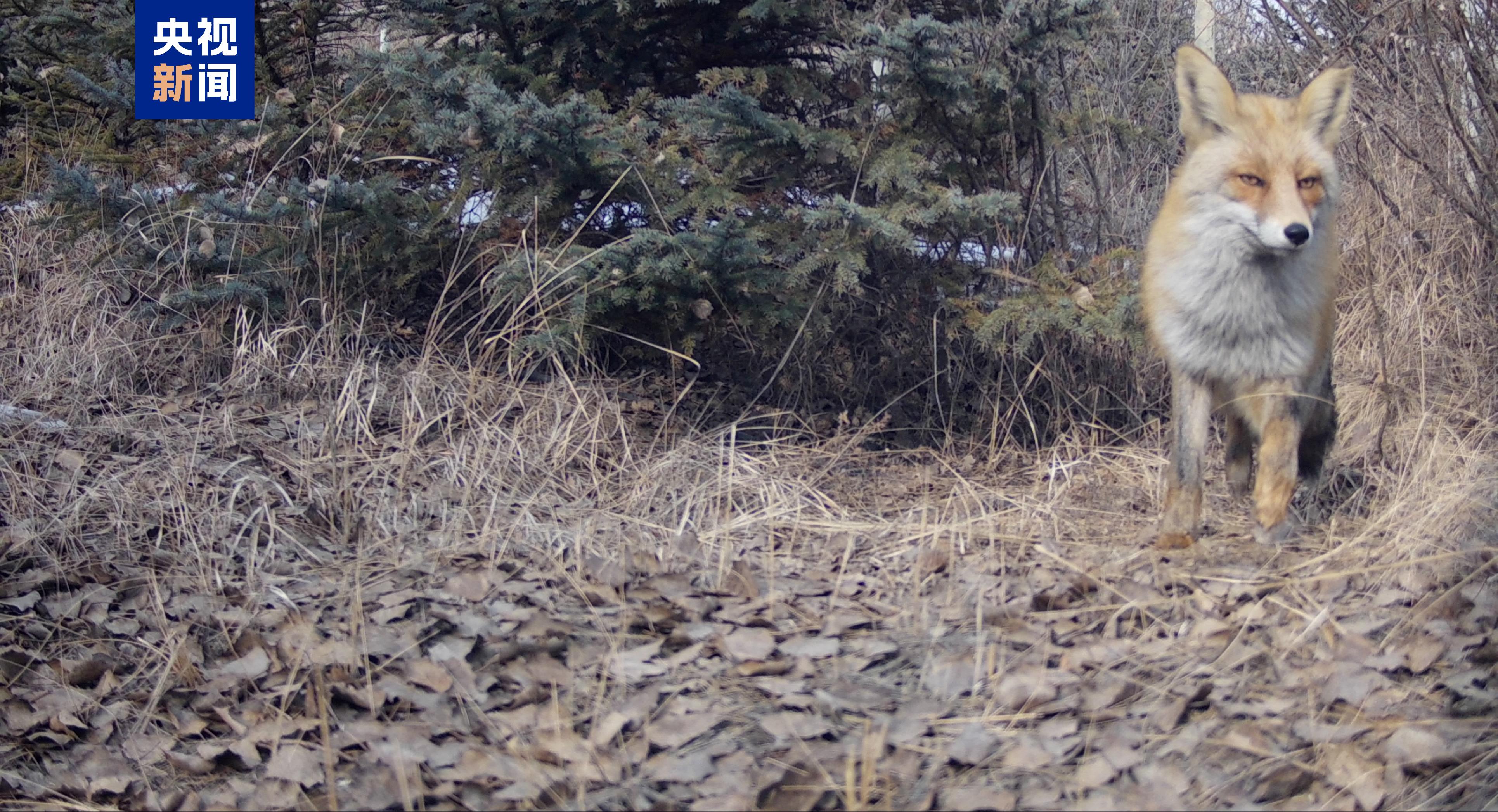
60种国家重点保护动物在册!西宁摸清野生动物“家底”
Yang Shi Xin Wen· 2025-11-06 03:45
Core Insights - The survey conducted in Xining, Qinghai, identified a total of 269 species of terrestrial wild vertebrates, including 60 species of nationally protected wildlife [3][5] - The survey revealed 10 species of first-class national protected wildlife, including the Chinese merganser and the black stork, along with 50 species of second-class protected wildlife [3][5] - The investigation also recorded 34 species of provincially protected animals, primarily birds, and assessed the habitats of wild animals in the region [5][8] Summary by Categories - **Wildlife Diversity**: The survey documented 269 species of terrestrial wild vertebrates in Xining, with 60 being nationally protected, including 10 first-class and 50 second-class protected species [3][5] - **Survey Methodology**: The investigation, which began in 2024 and lasted for one year, focused on the four districts of Xining to gather comprehensive data on the population and distribution of key protected species [5] - **Data Contribution**: This survey enhances the foundational database for animal species diversity in Xining, providing essential data support and scientific basis for biodiversity conservation and management [8]