
零碳园区

Search documents
三晋焕新,绿动未来
中国能源报· 2025-09-27 01:06
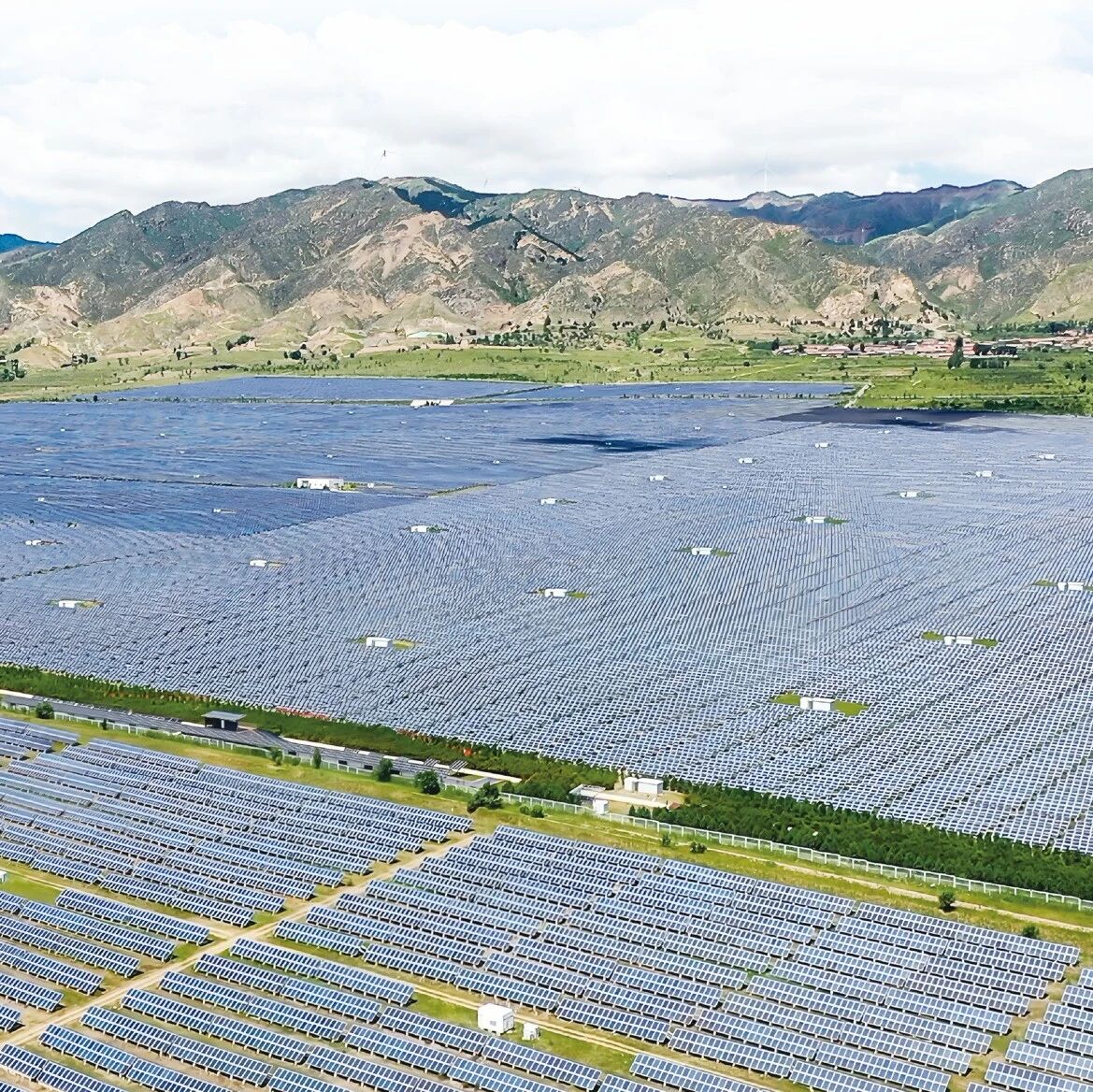
从"黑色依赖"走向"绿色多元",借"电"焕新、以"绿"致远。在这里,绿电赋能园区不仅是政策引领下的战略抓手,更是山西主动破 题"双碳"目标、推动产业与能源深度融合的生动实践。园区不再是机器的集合、厂房的叠加,而是绿电穿梭、能碳协同的智慧生命 体。它们以绿为脉,因绿而兴,成为山西直面全球绿色浪潮、实现产业跃升的重要载体。 大同经开区绿电园区 在大同,绿电不再是遥远的概念,而是触手可及的竞争力。这里瞄准欧盟市场,打造电池产业链"绿色样板间",以"绿电直连+增量配 电"双引擎,确保绿电至少占有"半壁江山"。 在电力输配上,园区首先消纳绿电,冗余绿电反输增量配电网区域内其他负荷消纳,国网为绿电园区提供兜底保障作用,在具备"绿 色"和"零碳"属性的同时,也确保电力供应安全稳定。同时,园区电力碳排放因子为0.322kgCO 2 / kWh,远低于日韩,甚至低于德国 等欧洲传统工业强国,显著增强企业国际竞争力。园区也正在申报国际级零碳园区,打造国家零碳示范标杆。目前园区220千伏变电站 已开工建设,风电光伏项目正在开展土地选址工作。 未来,园区通过绿电直连满足欧盟绿电认证要求,将打造"新能源+出口产业"深度融合的标杆,为高 ...

北京绿色产业博览会构筑未来城市样板
Bei Jing Ri Bao Ke Hu Duan· 2025-09-25 13:38
Core Insights - The 2025 Beijing Green Industry Expo has officially opened, showcasing Beijing's commitment to becoming an international benchmark city for green economy development [1] - The expo features 78 participating institutions and companies, covering an area of approximately 12,000 square meters, with three main thematic areas: Green Development Lounge, Zero Carbon Park Solutions Pavilion, and "Perceiving Green" Interactive Experience Zone [1] Group 1: Green Development Initiatives - The Green Development Lounge highlights the achievements and practices of various districts in green development, including smart green buildings, efficient green transportation, and safe green energy [1] - Beijing's urban sub-center aims to establish a national green development demonstration zone, focusing on comprehensive energy and carbon emission evaluations and achieving 100% green electricity coverage in key areas [1] Group 2: Zero Carbon Park Solutions - The Zero Carbon Park Solutions Pavilion features 10 selected units that integrate low-carbon and zero-carbon development applications, showcasing advanced technologies such as digital twin energy management and distributed renewable energy [2] - The pavilion is supported by 32 ecological partners from the International Green Economy Association, emphasizing the unique characteristics of zero-carbon park development in Beijing and the Beijing-Tianjin-Hebei region [2] Group 3: Green Trading and Services - The Beijing Green Exchange announced the establishment of the National Green Technology Trading Center, which was approved by the National Development and Reform Commission [3] - The center aims to enhance the platform's functions and professional advantages, contributing to the realization of new value in green elements for the urban sub-center [3]
“十四五”以来云南绿色能源产业产值突破4000亿元
Zhong Guo Xin Wen Wang· 2025-09-25 00:54
Core Viewpoint - Yunnan Province is significantly advancing its green energy sector, with over 60 million kilowatts of new green energy capacity added since the start of the 14th Five-Year Plan, contributing to a total capacity of 150 million kilowatts and an industry output value exceeding 400 billion yuan [1] Group 1: Green Energy Development - Yunnan has a total potential for green energy development of 200 million kilowatts, accounting for approximately 20% of the national total [1] - The province's green electricity generation and installed capacity exceed 90%, with non-fossil energy making up 46% of primary energy consumption, ranking among the top in the country [1] - The green aluminum and silicon photovoltaic industries have each surpassed 100 billion yuan in output value, while the new energy battery industry is rapidly emerging [1] Group 2: Energy Collaboration and Environmental Impact - Yunnan has sent over 2 trillion kilowatt-hours of electricity through the "West-to-East Power Transmission" project, saving 665 million tons of standard coal and reducing carbon dioxide emissions by 1.73 billion tons [2] - The province is accelerating the construction of the "Green Aluminum Valley" and has initiated the establishment of 15 provincial-level zero-carbon parks, with 136 national-level green factories and 10 green industrial parks created [2] - The level of industrial greening in Yunnan has significantly improved, supported by the continuous expansion of the "green electricity + advanced manufacturing" advantage [2]
海口国家高新区打造零碳园区,凳子上可无线充电
2 1 Shi Ji Jing Ji Bao Dao· 2025-09-24 08:28
Core Viewpoint - The article highlights the integration of green and low-carbon concepts in the construction and operation of the Haikou National High-tech Zone, showcasing innovative energy solutions and sustainable practices [1] Group 1: Green Initiatives - The Haikou National High-tech Zone incorporates rainwater recycling facilities to conserve water [1] - The park features widespread use of clean energy, particularly solar power, with solar tiles illuminating streetlights at night [1] - The park aims to achieve approximately 20% of its total energy consumption from clean energy sources after completion [1] Group 2: Economic Impact - The integration of green low-carbon principles is expected to reduce carbon tariffs for exporting companies [1] - The collaboration with Datang Group is intended to enhance the overall green and low-carbon performance of the park [1] Group 3: Innovative Design - Some benches in the park are made from extracted rocks, and certain benches are equipped with solar-powered wireless chargers for mobile devices [1]

洪堡零碳论坛主席、中国国际碳中和经济研究院院长蒋庆哲:中国零碳园区正处于“政策落地、实操推进”的关键期
Zhong Guo Jing Ji Wang· 2025-09-24 06:06
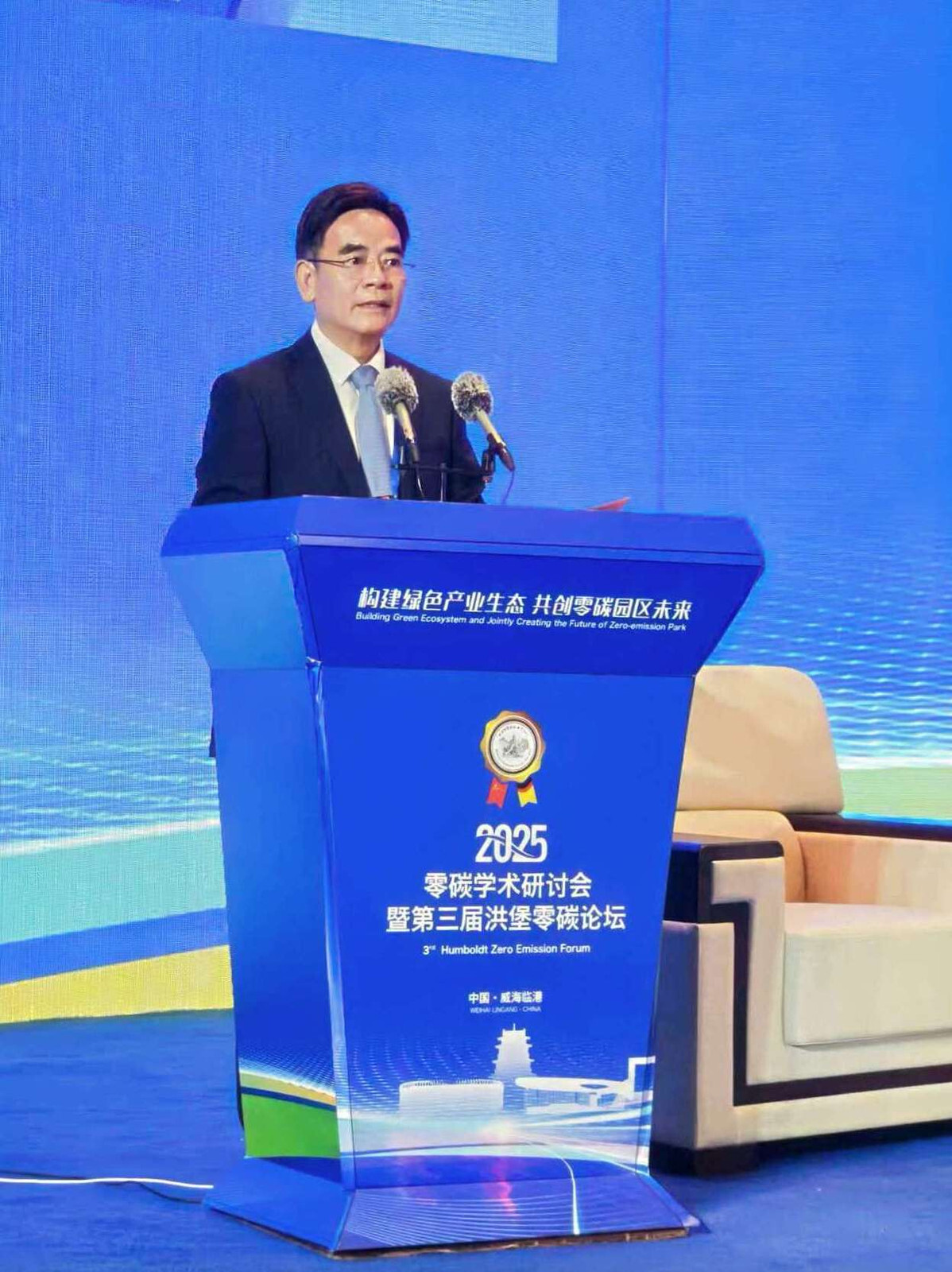
9月21日,以"构建绿色产业生态 共创零碳园区未来"为主题的2025零碳学术研讨会暨第三届洪堡零 碳论坛在山东威海举行。洪堡零碳论坛主席、中国国际碳中和经济研究院院长蒋庆哲在接受记者采访时 表示,当前中国零碳园区正处于"政策落地、实操推进"的关键阶段,在政策支持与技术创新的双重驱动 下稳步发展,但同时也面临诸多挑战,需通过系统性路径破解难题,未来有望形成 "东西部相互引领, 各类园区梯次跟进"的发展格局,为全球零碳转型贡献中国方案。 零碳园区是指通过规划、设计、技术、管理等方式,使园区内生产生活活动产生的二氧化碳排放降 至"近零"水平,并具备进一步达到"净零"条件的园区。 "从政策演进与实践进展来看,我国园区零碳发展经历了'早期探索—孕育发展—重点推进'的阶段 性演进过程。"蒋庆哲向记者表示,在国家层面先后推出生态工业示范园区、循环化改造示范园、低 碳、绿色工业园区及绿色产业示范基地等多类试点,进而从"小切口"协同降碳减污,到系统治理全面铺 开。 关键政策节点的密集落地,标志着这一阶段的到来:2024年中央经济工作会议首次提出"建立一批 零碳园区",2025年3月政府工作报告提出,"建立一批零碳园区、零碳工厂 ...
两部委明确工业园区高质量发展路径
Zheng Quan Shi Bao· 2025-09-23 18:07
Core Insights - The Ministry of Industry and Information Technology and the National Development and Reform Commission jointly released the "Guidelines for High-Quality Development of Industrial Parks," aiming to shift from rapid quantitative growth to effective qualitative improvement [1][2] - The guidelines focus on five major directions: specialization, intensification, digitalization, greening, and standardization, outlining 19 development orientations [1][3] Group 1: Industrial Development - The guidelines emphasize the need for industrial parks to focus on core industries, limiting to no more than three to avoid low-level repetitive construction [2] - It promotes industrial chain clustering and the transformation and upgrading of traditional industries [2] Group 2: Space Governance - Initiatives like "industrial buildings" and "land intensive use" provide new ideas for expanding development space, with examples from Shanghai and Shenzhen showing significant increases in land value [2] - The "industrial buildings" model can increase the floor area ratio from 1.0 to over 3.0, addressing land resource constraints [2] Group 3: Innovation and Green Development - The guidelines call for the establishment of high-level innovation carriers and talent cultivation mechanisms to promote resource sharing [2] - It also emphasizes the need for renewable energy infrastructure, such as rooftop photovoltaics and decentralized wind power, to support the transition to "zero carbon" [2] Group 4: Open Cooperation - Future development directions include enhancing open cooperation, facilitating industrial transfer, and strengthening international industrial and technological collaboration [3] - The Ministry of Industry and Information Technology and the National Development and Reform Commission will promote typical case studies and establish standards to ensure the successful implementation of the guidelines [3]
两部门,最新发布!
Zheng Quan Shi Bao Wang· 2025-09-23 13:04
Core Insights - The Ministry of Industry and Information Technology and the National Development and Reform Commission jointly released the "Guidelines for High-Quality Development of Industrial Parks," focusing on five key directions: specialization, intensification, digitalization, greening, and standardization [1][2] - The guidelines aim to shift industrial parks from rapid quantitative growth to effective qualitative improvement, addressing existing development bottlenecks and aligning with the requirements of new-type industrialization [1][3] Group 1: Industrial Development Focus - The guidelines emphasize that industrial parks should concentrate on no more than three leading industries to avoid low-level repetitive construction and promote industrial chain clustering [2] - The approach encourages traditional industries to upgrade and transform, ensuring that industrial development is aligned with local resource and environmental conditions [2] Group 2: Space Governance and Utilization - Initiatives such as "industrial buildings" and "land intensive utilization" are proposed to expand development space, with examples from cities like Shanghai and Shenzhen demonstrating significant increases in land value through high-rise industrial buildings [2] - The guidelines aim to address land resource constraints by promoting innovative space utilization strategies [2] Group 3: Innovation and Green Development - The guidelines call for the establishment of high-level innovation platforms and talent cultivation mechanisms to facilitate resource sharing and innovation [2] - A focus on green development includes accelerating the deployment of renewable energy infrastructure, such as rooftop solar and decentralized wind power, to support the transition to "zero carbon" industrial parks [2] Group 4: Cooperation and Implementation - Enhancing open cooperation, facilitating industrial transfer, and strengthening international collaboration are identified as future development directions for industrial parks [3] - The Ministry of Industry and Information Technology and the National Development and Reform Commission will promote typical case studies, establish standards, and support local authorities in policy research and operational monitoring to ensure the successful implementation of the guidelines [3]
两部门,最新发布!
券商中国· 2025-09-23 12:54
Core Viewpoint - The release of the "Guidelines for High-Quality Development of Industrial Parks" aims to shift the focus of industrial parks from rapid quantitative growth to effective qualitative improvement, providing actionable directions for development [1][2]. Group 1: Key Directions for Development - The guidelines emphasize five major directions: specialization, intensification, digitalization, greening, and standardization, with 19 specific development orientations outlined [1][2]. - Industrial parks are encouraged to focus on no more than three leading industries to avoid low-level repetitive construction and to promote industrial chain clustering for traditional industry upgrades [2][3]. Group 2: Challenges and Solutions - Current challenges include unclear leading industries, prominent homogeneous competition, insufficient land utilization, lagging digital transformation, and lack of green low-carbon facilities [2][3]. - The guidelines propose innovative solutions such as "industrial buildings" to increase land use efficiency, exemplified by cities like Shanghai and Shenzhen, where building height increases have significantly raised land value [3]. Group 3: Innovation and Green Development - The guidelines call for the establishment of high-level innovation platforms and talent cultivation mechanisms, as well as the acceleration of renewable energy infrastructure like rooftop photovoltaics and decentralized wind power [3]. - Successful examples of zero-carbon transformation in industrial parks, such as those in Suzhou and Yiliang, demonstrate the potential for deep integration of industry and energy systems to reduce carbon intensity [3]. Group 4: Implementation and Support - To ensure the successful implementation of the guidelines, the Ministry of Industry and Information Technology and the National Development and Reform Commission will strengthen guidance, promote typical cases, and develop standards [4][5]. - The two departments will also enhance policy research and support for local industrial park development, facilitating project cooperation and industry organization [5].

《零碳园区建设技术导则》征集团标起草单位
中国能源报· 2025-09-23 01:04
Core Viewpoint - The construction of zero-carbon industrial parks is essential for achieving carbon neutrality goals, enhancing industrial competitiveness, and fostering new green development momentum. A comprehensive and operable standard system is needed to guide the planning, construction, operation, and evaluation of these parks [2][3]. Group 1: Standard Development - The China Development Zone Association has initiated the project for the "Technical Guidelines for Zero-Carbon Park Construction" to fill the current standard gap in the zero-carbon park sector [2][6]. - A standard drafting committee will be established, including representatives from key industry enterprises and experts to ensure the guidelines are scientifically and practically sound [3][6]. Group 2: Objectives and Benefits - The initiative aims to implement the requirements of the "National Standardization Development Outline" issued by the Central Committee of the Communist Party of China and the State Council, thereby enhancing the standardization capabilities of market entities [7]. - It will increase the voice of enterprises, enhance industry competitiveness, and provide standardized references for government policy-making [7]. - The guidelines will support the development of zero-carbon parks and assist participating enterprises in obtaining relevant certifications and financial subsidies [7]. Group 3: Participation Requirements - Enterprises must not have experienced significant safety, environmental, or quality incidents in the past three years to qualify for participation in the standard drafting [8]. - Participating units should have industry representation and a high level of manufacturing and research capabilities, as well as a commitment to standardization efforts [8]. Group 4: Rights and Obligations of Participants - Participants will have the right to be recognized in the standard's preface and will enjoy priority in future revisions of the standard if it is converted into a national standard [9]. - Obligations include cooperating with the China Development Zone Association in various stages of the standard's development and providing accurate and objective information during the drafting process [10].

解码零碳园区绿色未来:2025零碳学术研讨会暨第三届洪堡零碳论坛举行
Zhong Guo Jing Ji Wang· 2025-09-22 11:33
Group 1: Core Concept - The forum focused on building a green industrial ecosystem and creating a zero-carbon future for industrial parks, emphasizing the importance of international dialogue and collaboration in achieving carbon neutrality goals [1][5][10] Group 2: Zero-Carbon Park Definition and Importance - A zero-carbon park is defined as a modern industrial park that achieves net-zero greenhouse gas emissions through the systematic replacement of fossil fuels with renewable energy, energy efficiency improvements, resource recycling, and carbon removal [2][3] - China has approximately 80,000 industrial parks, contributing 30% of the national GDP and 31% of industrial carbon emissions, highlighting the need for energy-saving and pollution-reducing transformations [3][4] Group 3: Multi-Stakeholder Collaboration - The construction of zero-carbon parks requires collaboration among various stakeholders, including government, enterprises, service providers, and financial institutions, to establish clear responsibilities and optimize resource allocation [4][7] - The forum emphasized the necessity of a multi-dimensional approach involving government support, market mechanisms, and technological innovation to achieve zero-carbon goals [6][7] Group 4: Innovative Achievements and Frameworks - The forum announced five innovative achievements in the zero-carbon field, including the release of the first white paper on zero-carbon parks and the establishment of a zero-carbon industry fund with an initial scale of 3 billion yuan [8][9] - A comprehensive framework was proposed to support the development of zero-carbon parks, focusing on policy, technology, finance, talent, and international cooperation [8][9] Group 5: Pathways to Implementation - A four-step approach was suggested for advancing zero-carbon park construction, which includes establishing a carbon accounting system, transitioning to green electricity, optimizing industrial structure, and planning for economic and ecological benefits [9][10] - The forum highlighted the importance of transforming theoretical frameworks into practical applications to provide replicable models for cities and enterprises aiming for zero-carbon development [10][11]