多边主义

Search documents
李强同加拿大总理卡尼会谈
Xin Lang Cai Jing· 2026-01-15 11:53
新华社北京1月15日电(记者董雪、陆君钰)国务院总理李强1月15日下午在北京人民大会堂同来华进行 正式访问的加拿大总理卡尼举行会谈。 李强表示,在双方共同努力下,中加关系实现转圜,受到两国各界普遍欢迎。中加关系保持健康稳定发 展,符合两国的共同利益。习近平主席将同总理先生举行会晤,为推动两国关系稳定向好进一步指明方 向。站在新的起点上,中方愿同加方坚持战略伙伴定位,加强对话沟通,增进政治互信,尊重彼此核心 利益,求同存异、聚同化异,不断拓展务实合作,为两国发展增添更多动力。 李强指出,中加经济互补性强,两国合作具有很强内生动力和广阔空间。中方愿同加方加强发展战略对 接,继续恢复和推进各领域各层级交往,用好两国政府间经贸、科技、农业等对话机制,促进双边贸易 稳定增长,提升贸易便利化水平,深化清洁能源、数字技术、现代农业、航空航天、先进制造、金融等 领域合作,培育更多新的经济增长点。中方欢迎更多加拿大企业来华投资,希望加方为赴加投资的中国 企业提供公平、非歧视的营商环境。双方要继续积极支持教育、文化、旅游、体育、青年、地方等领域 交流合作,便利人员往来,传承深化两国民间的友好感情。中方愿同加方加强在联合国、世贸组 ...
欧洲议会党团主席会议谴责特朗普政府涉格陵兰岛言论
Xin Hua She· 2026-01-15 10:22
新华社布鲁塞尔1月15日电(记者张兆卿)欧洲议会党团主席会议14日发表声明,强调坚定支持多边主 义和以规则为基础的国际秩序,支持丹麦及格陵兰岛主权和领土完整,并谴责美国特朗普政府有关格陵 兰岛的相关言论。 ...
联合国秘书长:“77国集团和中国”是多边主义的坚实支柱
Xin Hua She· 2026-01-15 06:11
当天,伊拉克将"77国集团和中国"主席国正式移交给乌拉圭。 77国集团成立于1964年,是由发展中国家组成的政府间国际组织,旨在加强团结合作以加快发展中 国家经济社会发展进程。中国一贯支持该组织正义主张和合理要求。自20世纪90年代以来,中国同77国 集团关系在原有基础上有了较大发展,通过"77国集团和中国"这一机制开展协调与合作。 新华社联合国1月14日电(记者潘云召)联合国秘书长古特雷斯14日在"77国集团和中国"主席国交 接仪式上发表讲话时表示,在全球冲突加剧、国际合作面临压力的情况下,坚持多边主义非常重 要,"77国集团和中国"是多边主义的坚实支柱。 古特雷斯说,新年伊始,全球冲突加剧、不平等扩大、债务高企、信任不断流失,国际合作面临压 力。这一切都表明坚持多边主义的重要性。他表示,"77国集团和中国"是多边主义的坚实支柱,不断展 现团结与力量。 第80届联合国大会主席贝尔伯克表示,多边体系和联合国正承受着前所未有的压力,各国比以往任 何时候都更需要捍卫联合国宪章。"77国集团和中国"为此发挥着关键作用。 ...
欧盟委员会主席:格陵兰岛归属只能由丹麦内部自行决定
Yang Shi Xin Wen Ke Hu Duan· 2026-01-15 03:22
Group 1 - The President of the European Commission, Ursula von der Leyen, stated that the sovereignty of Greenland can only be determined internally by Denmark [1] - The European Parliament's leaders issued a joint statement supporting multilateralism and asserting that any attempts to undermine Denmark's sovereignty and territorial integrity violate international law and the UN Charter [3] - The European Parliament condemned the U.S. government's remarks regarding Greenland and called for the European Commission and the European Council to implement concrete measures to support Denmark [3] Group 2 - A group of 23 European Parliament members sent a letter to the Parliament President, suggesting that if the U.S. continues to threaten control over Greenland, the Parliament should freeze discussions and votes on the EU-U.S. trade agreement [3] - The European Parliament is currently debating the cancellation of most import tariffs on U.S. goods and maintaining zero tariffs on U.S. lobsters, with a vote scheduled for January 26-27 [3] - Concerns were raised that approving the trade agreement while the U.S. asserts claims over Greenland could be seen as encouragement of U.S. actions [3]

欧洲多国将向格陵兰岛派遣军事人员
证券时报· 2026-01-15 00:17
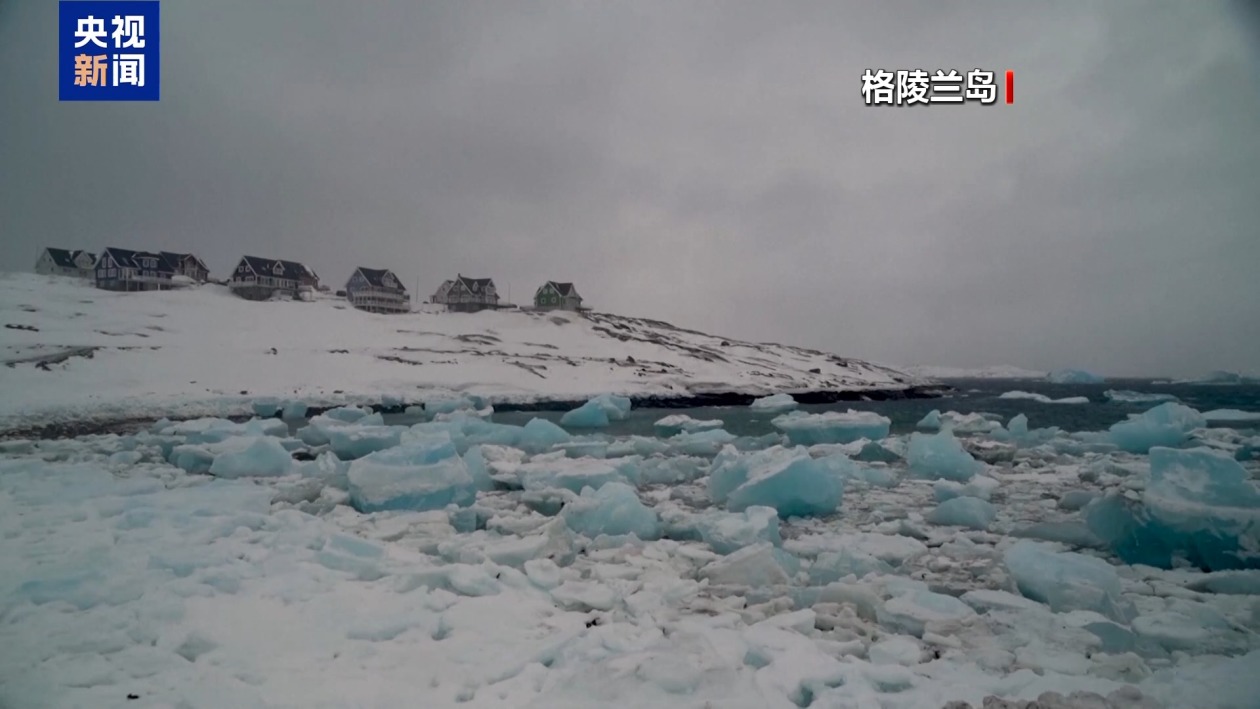
最新消息。 德国国防部当地时间1月14日晚表示,应丹麦要求,德国将于1月15日向格陵兰岛派遣13名士兵,作为与欧洲其他国家联合开展的一项考察任务。德国国防 部称,该任务旨在探索可能采取的军事措施,以加强该地区的安全保障。 当天,法国军方表示,法国将与欧洲多国伙伴共同参与在格陵兰岛开展的一项军事任务,以支持丹麦维护当地安全。 当天早些时候,瑞典和挪威也宣布将向格陵兰岛派遣军事人员。 格陵兰岛位于北美洲东北方,是世界第一大岛,也是丹麦自治领地,有高度自治权,国防和外交事务由丹麦政府掌管。美国目前在格陵兰岛设有一处军事 基地。美国总统特朗普2025年上任以来多次扬言要得到格陵兰岛,并声称不排除动用武力的可能性。对此,丹麦等欧洲国家强烈反对。 欧洲议会谴责特朗普政府涉格陵兰岛言论 当地时间1月14日,欧洲议会发表声明表示,支持多边主义和基于规则的国际秩序,支持格陵兰岛和丹麦,明确谴责美国总统特朗普就格陵兰岛发表的言 论。 声明表示,欧洲议会坚定支持多边主义和基于规则的国际秩序。任何破坏丹麦和格陵兰岛主权及领土完整的企图都违反了国际法和《联合国宪章》。声明 强调关于丹麦和格陵兰岛的决定完全属于丹麦和格陵兰岛,并应该依据 ...

“21世纪社会主义”理论创始人迪特里希接受《环球时报》专访:全球治理倡议是对人类更美好世界的严肃贡献
Huan Qiu Shi Bao· 2026-01-14 22:51
在迪特里希看来,所有全球治理解决方案在当下国际关系的现实环境中都无法一蹴而就,需要通过持续 的对话与务实合作加以推进。不过,他对记者说:"一件事情是明确的:各国人民普遍期望一个新的全 球共同家园——一个能够保障和平、尊严与自主发展的国际体系。在这一背景下,中国提出的一系列全 球倡议为国际社会提供了新的可能性,为探索更加公平、可持续的全球治理模式注入了重要动力。" 迪特里希认为,中国提出的四大全球倡议共同构成了一个面向21世纪国际体系的整体性构想。它们是中 国为世界提供的典型的"公共产品",也体现出中国在参与全球治理过程中一贯强调的稳健性、连续性与 规划能力。 "联合国是目前最广泛、最具代表性、最包容的全球平台,适合作为现有国际秩序改革的起点。以联合 国为基础开展开放式谈判具有现实意义,也能最大程度地推动多边主义。"迪特里希表示。不过,他也 提到,在当前国际体系中,部分国家和集团仍倾向于小圈子或阵营化的合作模式,它们的政府和决策精 英更倾向于根据自身利益、国家间力量平衡或国内权力关系来推动自身议程,并把全球通行的原则排在 次要位置。这会给推动多边合作和克服全球治理障碍的进程带来复杂性和挑战。 迪特里希举例说:" ...
欧洲议会谴责特朗普政府涉格陵兰岛言论
Yang Shi Xin Wen· 2026-01-14 21:56
Core Viewpoint - The European Parliament supports multilateralism and a rules-based international order, condemning U.S. President Trump's remarks regarding Greenland as a violation of international law and Denmark's sovereignty [1] Group 1: Support for Multilateralism - The European Parliament firmly supports multilateralism and a rules-based international order [1] - Any attempts to undermine Denmark and Greenland's sovereignty and territorial integrity are deemed violations of international law and the UN Charter [1] Group 2: Condemnation of U.S. Remarks - The European Parliament explicitly condemns the statements made by the Trump administration regarding Greenland, labeling them as a blatant challenge to international law and the principles of the UN Charter [1] - Such remarks are considered "unacceptable" and threaten the sovereignty and territorial integrity of NATO allies [1] Group 3: Call for Action - The European Parliament urges the European Commission and the European Council to develop specific and actionable support measures for Greenland and Denmark, in accordance with EU principles and laws, international law, and NATO Charter [1] Group 4: Context of Greenland - Greenland, located northeast of North America, is the world's largest island and an autonomous territory of Denmark, with significant self-governance [1] - The Danish government manages defense and foreign affairs, while the U.S. currently operates a military base in Greenland [1] - President Trump has repeatedly expressed interest in acquiring Greenland since taking office in 2025, even suggesting the possibility of using force, which has faced strong opposition from Denmark and other European nations [1]
全球化红利与保守转向:门罗主义背后的价格与数量博弈
付鹏的财经世界· 2026-01-14 12:51
Group 1 - The article discusses the benefits of multilateralism and globalization, emphasizing the multiplication effect of price and quantity, where a leading entity can set favorable prices while expanding market size through cooperation [3][4][5] - It highlights the ideal scenario where multilateralism enhances economies of scale, allowing dominant countries to maintain high marginal profits and achieve absolute gains while fostering relative prosperity for followers [5][6] - The article also addresses the challenges posed by technological spillovers and productivity diffusion, which can erode the core advantages of leading countries, leading to increased competition and potential internal conflicts [6][10] Group 2 - The concept of Monroe Doctrine-like strategies is introduced, suggesting that protectionism can be a rational response to maintain price stability by sacrificing some market quantity [9][10] - The article reflects on the shift towards a conservative path in the U.S., characterized by economic protectionism and a focus on core strengths, while still benefiting from technological advancements that drive productivity [14][15] - It concludes that the future of globalization lies in finding a dynamic balance between price and quantity, openness and protection, as well as sharing and monopolization [15]

以色列宣布“退群”,步美国后尘为哪般?
Xin Lang Cai Jing· 2026-01-14 11:24
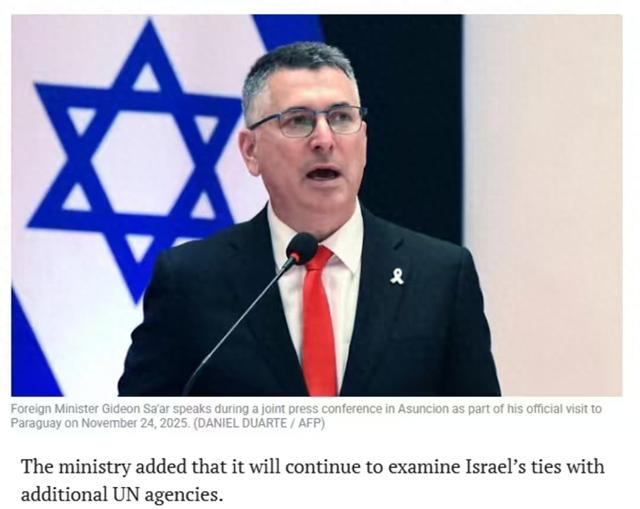
转自:北京日报客户端 当地时间13日,以色列外交部长萨尔宣布,以色列决定退出多个联合国机构及相关组织。以方称,这些 机构存在"反以色列偏见"等问题。 以色列退出的机构包括联合国秘书长儿童与武装冲突问题特别代表办公室、联合国妇女署、联合国贸易 和发展会议、联合国西亚经济社会委员会、联合国文明联盟、联合国能源机制以及全球移民与发展论 坛。 《以色列 时报》网站报道截图 此前,美国总统特朗普签署备忘录,指示美国退出31个联合国实体和35个非联合国组织,合计66个国际 组织。李子昕认为,如果以色列效仿美国进行大规模"退群",必然既有收益也有代价,但很显然代价非 常高昂。 以色列外交部称,将继续审查与其他联合国机构的合作关系,并在未来作出进一步决定。 中国国际问题研究院助理研究员李子昕: 以色列这一选择带有"捡软柿子捏"的倾向:一方面,这些机构多属联合国下属的咨询性或倡议性 组织,不具备安理会或国际法院那样的强制力,退出成本较低;另一方面,它们高度依赖道德权 威与舆论影响力,以色列的退出行动可以直接削弱这些机构报告的可信度,并将国际视线转移至 所谓的"机构偏见"上,从而规避实质性问责。 以色列外交部明确表示将继续审查与 ...
伊朗得到中国声援,特朗普当即调转枪口:对华加关税,马上执行!
Sou Hu Cai Jing· 2026-01-14 07:19
然而,就在中国对伊朗展开支持的时候,特朗普却再度高调出击。他在1月12日宣布对伊朗的商业伙伴加征25%关税,这一政策表面上是针对伊朗,实际 上,特朗普的真实意图无疑是要威逼伊朗的最大贸易伙伴——中国。 最近,关于伊朗的局势引起了国际社会的广泛关注,而中国在此期间的表态与行动则令人深思。在全球经济和地缘政治的复杂背景下,伊朗的动荡并不仅仅 是一个局部危机,它反映出更深层次的经济困境和大国博弈。与此同时,特朗普再次将目光投向中国,试图通过关税威胁来牵制这一世界大国。这一系列事 件不仅会影响中东地区的稳定,也可能重塑国际关系的格局。 伊朗内乱自去年12月28日开始,迅速蔓延至全国,造成了111名安全人员的丧生。根本原因在于经济的崩溃。2025年,伊朗的通胀率竟然飙升到了48.6%, 食品价格上涨超过70%。对于普通民众来说,每月的收入仅有百余美元,连基本生活都无法维持。这样的经济压力,让整个社会的矛盾激化,抗议与骚乱随 之而来。 而这些问题的背后,是美国及其西方盟友对伊朗实施的多轮制裁,整体经济环境的恶化使得中产阶级也无法继续维持原有水平。此外,内部的政治斗争也加 剧了这种动荡。改革派总统佩泽希齐扬与保守派之间的冲 ...