
农业农村现代化

Search documents
全国政协委员建言献策——为农业农村现代化贡献智慧力量
Ren Min Ri Bao· 2025-11-27 01:53
Core Viewpoint - The modernization of agriculture and rural areas is crucial for the overall progress of China's modernization, with a focus on addressing the "three rural issues" as a priority for the Communist Party [1][2]. Group 1: Agricultural Development Strategies - The 2025 Central Document No. 1 emphasizes the need for localized development of new agricultural productivity and the implementation of seed industry revitalization actions [2]. - There is a call for a unified national seed industry data sharing platform to enhance collaboration among research, enterprises, and policies [2]. - Recommendations include establishing a mechanism for the protection of research results and ensuring a positive environment for innovation [2]. Group 2: Macro Control and Stability - Suggestions include strengthening macroeconomic control to maintain stability in the production and market of essential agricultural products [3]. - The establishment of a comprehensive coordination body for straw utilization is proposed to enhance collaboration across various governmental departments [3]. - Legislative efforts are recommended to ensure rural water supply is included in urban water supply regulations [3]. Group 3: Technological Innovation in Agriculture - The need for accelerated agricultural technological innovation is highlighted, with a focus on integrating artificial intelligence into agricultural practices [4]. - Recommendations include building a comprehensive innovation system for agricultural AI and enhancing talent development in this field [4]. - There is a call for strategic adjustments and collaborations among national laboratories, research institutions, and leading enterprises in agriculture [4][5]. Group 4: Rural Revitalization and Employment - The transformation of labor mobility patterns indicates a shift towards local employment, which is seen as an opportunity for rural revitalization and common prosperity [6]. - A high-quality employment support system for rural labor is proposed, focusing on local job creation and industry development [6]. - The development of rural industries and innovative business models is encouraged to enhance farmers' income and ensure food supply [6]. Group 5: Brand Development and Environmental Quality - The establishment of a top-tier brand cultivation system for regional agricultural products is suggested to enhance market recognition [7]. - Recommendations include promoting the use of biological fertilizers and pesticides to improve agricultural practices and environmental quality [7].
全国政协委员建言献策——为农业农村现代化贡献智慧力量(议政)
Ren Min Ri Bao· 2025-11-26 22:18
Core Viewpoint - The modernization of agriculture and rural areas is crucial for achieving China's overall modernization, with a focus on addressing the "three rural issues" as a priority for the Communist Party [1][2]. Group 1: Agricultural Development Strategies - The 2025 Central Document No. 1 emphasizes the need for localized development of new agricultural productivity and the implementation of seed industry revitalization actions [2]. - There is a call for a unified national seed industry data sharing platform to enhance collaboration among research, enterprises, and policies [2]. - Recommendations include establishing a comprehensive mechanism for the utilization of agricultural waste and improving the coordination of various agricultural policies [3]. Group 2: Technological Innovation in Agriculture - The importance of accelerating agricultural technological innovation is highlighted, with a focus on integrating artificial intelligence into agricultural practices [4]. - Suggestions include building a comprehensive innovation system for agricultural AI and enhancing the talent pool for agricultural innovation [4]. - There is a need for increased investment in agricultural technology, with specific metrics proposed for improvement [5]. Group 3: Rural Revitalization and Employment - The transformation of labor mobility patterns in rural areas is noted, with a significant number of migrant workers seeking employment closer to home [6]. - Recommendations include creating a support system for high-quality employment in rural areas, focusing on industry support and capacity building [6]. - The development of rural industries and innovative business models is essential for increasing farmers' income and ensuring food supply [6]. Group 4: Brand Development and Environmental Quality - The establishment of regional agricultural product brands is encouraged to enhance market recognition and support industry upgrades [7]. - There is a focus on improving rural ecological quality and living environments as a reflection of rural revitalization efforts [7].
“十四五”期间销售总额年均增长8.6% 供销合作社交出五年“成绩单”
Zhong Guo Xin Wen Wang· 2025-11-26 13:44
Core Insights - The China National Supply and Marketing Cooperative has reported an average annual sales growth of 8.6% during the 14th Five-Year Plan period, indicating stable economic performance and positive trends in the cooperative's operations [1][3]. Group 1: Achievements and Developments - The cooperative has established a robust service system, with over 1,400 enterprises generating more than 100 million yuan in revenue, including 29 enterprises exceeding 1 billion yuan, an increase of 15 since 2020 [1]. - A national agricultural material supply platform has been created to ensure food security, with emergency supply plans and annual meetings to support farmers' fertilizer needs [3]. - The cooperative has enhanced its agricultural social services, addressing key issues in agricultural production and expanding service areas through innovative mechanisms [3]. Group 2: Agricultural and Resource Management - The cooperative has developed a comprehensive recycling system, establishing 46,000 recycling stations and over 600 sorting centers, with standardized stations totaling 4,000, handling approximately 31% of the national waste electrical appliance dismantling [4]. - The cooperative has successfully facilitated consumption assistance and industry support, achieving a transaction volume of 57.2 billion yuan through the "832 platform" over five years [4]. - The establishment of the China Cotton and Yarn Trading Center has been initiated to promote the healthy development of the cotton industry [4].

【学习贯彻四中全会精神在基层】广西:端稳国家“糖罐子” 甘肃:推动现代农业提质增效
Yang Shi Wang· 2025-11-26 12:09
Group 1: Agricultural Modernization and Rural Revitalization - The 20th Central Committee's Fourth Plenary Session emphasizes accelerating agricultural modernization and promoting comprehensive rural revitalization [1] - Guangxi and Gansu are actively implementing the spirit of the plenary session to enhance agricultural production capacity and quality [1] Group 2: Guangxi Sugar Industry - Guangxi is currently in the sugarcane harvest season, with a stable planting area of over 11 million acres and a sugar production of around 6 million tons, making it China's largest sugarcane planting base [2] - The sugar industry in Guangxi is evolving from simple sugar production to a diversified model that includes comprehensive utilization and deep processing, with over 30 by-products developed from sugarcane waste [2] - Future plans for Guangxi's sugar industry include transitioning towards high-end, green, and intelligent development [2] Group 3: Gansu Agricultural Development - In Gansu, the introduction of new herbal harvesting machines has significantly improved efficiency, reducing the time to harvest one acre of medicinal herbs to about one hour [3] - Gansu has invested 367 million yuan in agricultural machinery innovation during the 14th Five-Year Plan, resulting in over a hundred new agricultural machinery products [3] - The mechanization rate in Gansu's hilly areas has reached 67%, with plans to develop modern cold and drought-resistant specialty agriculture and cultivate competitive agricultural brands [4]
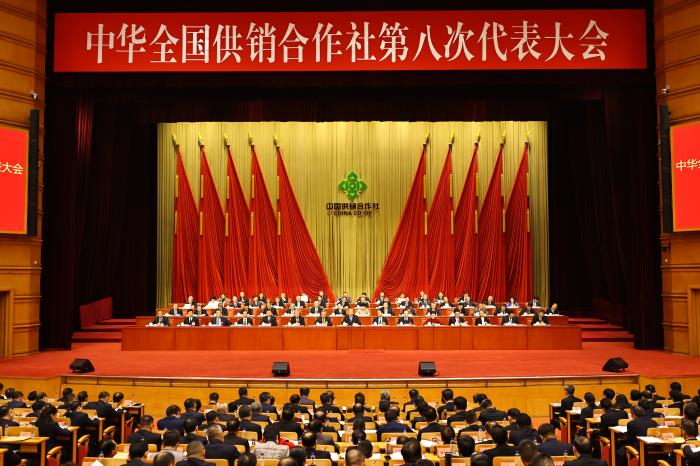
中华全国供销合作社第八次代表大会召开
Ren Min Ri Bao· 2025-11-24 22:31
Core Points - The conference of the All-China Federation of Supply and Marketing Cooperatives emphasized the importance of implementing Xi Jinping's directives and the resolutions from the 20th Central Committee, focusing on the development of supply and marketing cooperatives [1] - Liu Guozhong highlighted the contributions of the supply and marketing cooperative system in ensuring national food security, consolidating poverty alleviation achievements, and promoting urban-rural integration since the last representative conference [1] - The "14th Five-Year Plan" period presents higher demands and broader opportunities for the modernization of agriculture and rural areas, necessitating enhanced service capabilities for farmers [1] Group 1 - The conference was attended by key officials, including the Vice Chairman of the National People's Congress and the Vice Chairman of the National Committee of the Chinese People's Political Consultative Conference [2] Group 2 - Liu Guozhong called for strengthening the Party's leadership and ensuring the fundamental purpose of serving farmers, while promoting comprehensive reforms and self-improvement within the cooperatives [1]
中华全国供销合作社第八次代表大会召开 刘国中出席会议并讲话
Xin Hua She· 2025-11-24 12:02
Core Points - The National Cooperative Federation of China held its eighth representative conference, emphasizing the importance of implementing Xi Jinping's directives on cooperative work and the resolutions from the 20th Central Committee [1] - Liu Guozhong highlighted the contributions of the cooperative system in ensuring national food security, consolidating poverty alleviation achievements, and promoting urban-rural integration [1] Group 1 - The conference focused on deepening comprehensive reforms to enhance vitality and promote high-quality development in the cooperative sector [1] - Liu Guozhong called for adherence to the Party's leadership and emphasized the need to improve services for farmers, aligning with the goal of building an agricultural powerhouse [1] - The "14th Five-Year Plan" period presents higher demands and broader opportunities for agricultural modernization and rural revitalization [1] Group 2 - The cooperative system has effectively utilized its unique advantages and played a significant role in various national initiatives since the seventh representative conference [1] - There is a call for problem-oriented approaches and tailored guidance to ensure the depth and effectiveness of reforms [1] - Strengthening organizational leadership and increasing policy support are essential for creating a favorable environment for the development of cooperatives [1]
龙井“茶园议事厅”民主协商开花结果
Hang Zhou Ri Bao· 2025-11-24 01:57
Core Points - The "Tea Garden Consultation Hall" in the core production area of West Lake Longjing tea has become a platform for implementing the spirit of the 20th Central Committee of the Communist Party, focusing on agricultural modernization and enhancing production capacity [1] - The dual leadership of the Party and innovative mechanisms like the "1525" consultation model have been established to integrate grassroots governance with industry development and cultural construction [1] - The village has actively engaged in democratic discussions to address local issues such as irrigation and tourism, fostering community involvement in governance [1] - The "Tea Garden Consultation Hall" has hosted various community service activities, enhancing governance efficiency and community engagement [1] Industry Development - The village committees, tea farmers, and business representatives are collaborating to develop a blueprint for the tea village, including the introduction of smart agricultural technologies and the promotion of tea culture tourism [2] - Measures to deepen the integration of tea and cultural tourism are being discussed to enhance the overall development of the tea industry [2]
迈向农业农村现代化新征程 片区化推进乡村振兴再深化
Da Zhong Ri Bao· 2025-11-24 01:01
Core Insights - The article highlights the successful implementation of regional cooperation in agricultural production and marketing in Shandong, exemplified by the collaboration of vegetable cooperatives in Shouguang and the development of a rural revitalization route in Weihai [1][2]. Group 1: Regional Cooperation and Market Integration - Shouguang's vegetable cooperatives have unified standards, branding, and sales, significantly enhancing their market bargaining power [1]. - The "Golden Route" in Weihai connects 56 unique areas and over 900 villages, facilitating resource flow and industrial integration, demonstrating the importance of infrastructure in rural development [1]. Group 2: Policy and Strategic Framework - Shandong's government is committed to deepening regional construction as part of its rural revitalization strategy, transitioning from pilot projects to comprehensive implementation [4][5]. - The province aims to address existing challenges in rural areas, such as weak industries and low collective economic income, through systematic regional development [5]. Group 3: Agricultural Modernization and Population Trends - By 2024, Shandong's urbanization rate is projected to reach 66.48%, with plans to increase it to around 75% by 2035, indicating a significant rural-to-urban migration [6]. - The evolving landscape of rural areas necessitates the integration of geographically adjacent and resource-complementary villages into development communities [6]. Group 4: Systematic and Comprehensive Approach - The article emphasizes the need for a systematic approach to regional development, focusing on optimizing spatial structure, enhancing functional organization, and promoting integrated governance [10][11]. - Prioritizing projects based on local conditions and ensuring a tailored approach to regional development is crucial for effective implementation [11]. Group 5: Innovation and Market Dynamics - The establishment of integrated systems for resource allocation and collaboration among villages is essential for maximizing development potential [12]. - Market mechanisms should be leveraged to activate resources and drive structural adjustments, ensuring efficient resource allocation within regions [13][14]. Group 6: Collaborative Efforts and Community Engagement - Successful rural revitalization requires the collective effort of various stakeholders, with a strong emphasis on leadership from local party officials [17]. - Engaging farmers in the decision-making process and respecting their needs and rights are vital for fostering community involvement and ensuring sustainable development [18]. Group 7: External Partnerships and Resource Mobilization - The integration of external resources and expertise is necessary for overcoming challenges such as funding shortages and lack of professional skills in rural areas [20][21]. - Establishing connections between local resources and external factors can activate rural development and enhance the effectiveness of revitalization efforts [21].
天津2025年农村公路民心工程全面收官
Zhong Guo Xin Wen Wang· 2025-11-21 07:33
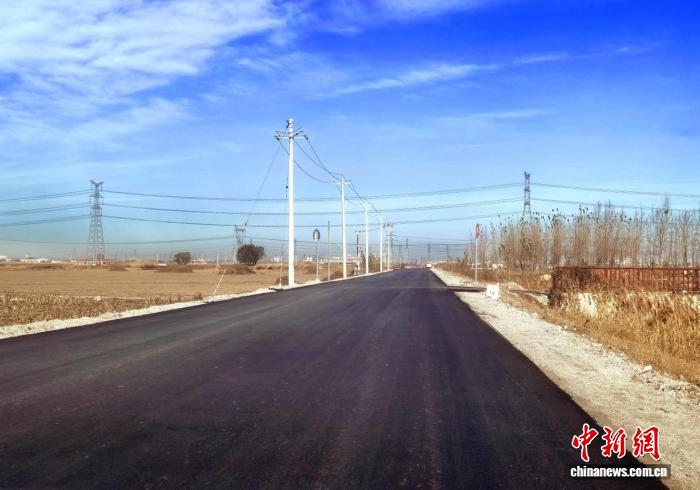
天津2025年农村公路民心工程全面收官 中新网天津11月21日电 (记者 王君妍)记者从天津市交通运输委获悉,随着静海区梁台路最后一平米沥 青铺设完成,天津市2025年农村公路民心工程项目全面完工。 作为连接天津与河北廊坊的省际要道,静海区梁台路曾因路面坑洼、裂缝遍布,长期制约着区域经济交 流与周边居民出行。如今,这条道路已焕然一新——平整宽阔的崭新路面,过往车辆通行顺畅平稳。梁 台路的提升改造完成,也标志着这一覆盖10个涉农区、62个乡镇、208个村庄,惠及约85万群众的民生 项目较原计划提前1个多月完成,为乡村振兴注入交通动能。 据了解,2025年农村公路民心工程在计划制定之初,便以周边村民出行需求和当地产业发展为第一原 则,因地制宜启动改造项目:蓟州区水毁修复应急项目并入民心工程,急群众之所急,优先实施并加快 项目进度,6月底前完工通车,解决了这件百姓身边的大事、急事;将农村公路易积水地道纳入民心工 程,解决了静海区杨家园、张官屯等2座铁路地道的汛期积水问题,切实消除群众出行安全隐患;在京 沪高速王庆坨服务区改造中首次建设了通服务区的农村公路,周边村民上高速和享受服务区业态更加方 便;在静海区、津南区部 ...
苏州农业推介会亮相深圳
Su Zhou Ri Bao· 2025-11-21 00:35
Core Insights - The Suzhou Agricultural Promotion Conference was held in Shenzhen, focusing on high-quality agricultural development in super-large cities [1] - Suzhou is recognized as the first pilot city for smart agriculture reform in China, showcasing significant achievements in agricultural modernization [1] Agricultural Achievements - Suzhou's comprehensive mechanization rate for major grain crops has reached 99%, with an agricultural technology progress contribution rate of 74.6%, the highest in the province [1] - Notable agricultural brands from Suzhou, such as "Suzhou Rice," "Suzhou Qian Shi," "Yangcheng Lake Crab," and "Dongting Mountain Biluochun," have been included in the China Agricultural Brand Directory [1] Future Goals - Suzhou aims to achieve a higher level of agricultural modernization by 2027, targeting an agricultural technology progress contribution rate of over 78% and the cultivation of 130 high-tech enterprises in the agricultural sector [1]