
农机装备

Search documents
新农机让农民“慧”种地
Xin Lang Cai Jing· 2026-02-27 22:32
Group 1 - The core viewpoint emphasizes the acceleration of high-end intelligent agricultural machinery development and application, highlighting the importance of advanced agricultural equipment technology for ensuring stable grain production and supporting the construction of a strong agricultural nation [1] - Agricultural mechanization in China has achieved a historic leap, with a comprehensive mechanization rate of over 73% for crop farming, indicating a significant transformation from quantity expansion to quality and efficiency [1] - The industry is undergoing profound changes, with a focus on intelligence and digitalization, as technologies like Beidou navigation, drone plant protection, and smart irrigation move from demonstration to large-scale application [1] Group 2 - China's agricultural machinery industry is characterized by a diverse and innovative approach, adapting to various geographical conditions and catering to both large-scale and smallholder farmers [2] - The development of agricultural machinery technology must adhere to a problem-oriented and systematic planning approach, implementing precise and effective policy combinations to ensure that more small farmers can access new agricultural machinery [2] - There is a need to strengthen national strategic technological forces, focusing on weak links such as high-power engines and intelligent control chips, while also addressing application challenges in hilly areas [3] Group 3 - The optimization of agricultural machinery purchase and application subsidy policies is essential, along with increased support for intelligent and green agricultural machinery [3] - Establishing high-standard intelligent agricultural machinery application demonstration zones in major grain-producing areas and specialty zones can drive technological iteration through scale demand [3] - Encouraging leading enterprises to form innovation alliances and fostering a cluster development pattern that integrates large, medium, and small enterprises is crucial for enhancing the innovation ecosystem [3]
开局即冲刺!潍坊市坊子区开展重点项目攻坚突破年行动
Qi Lu Wan Bao· 2026-02-26 08:48
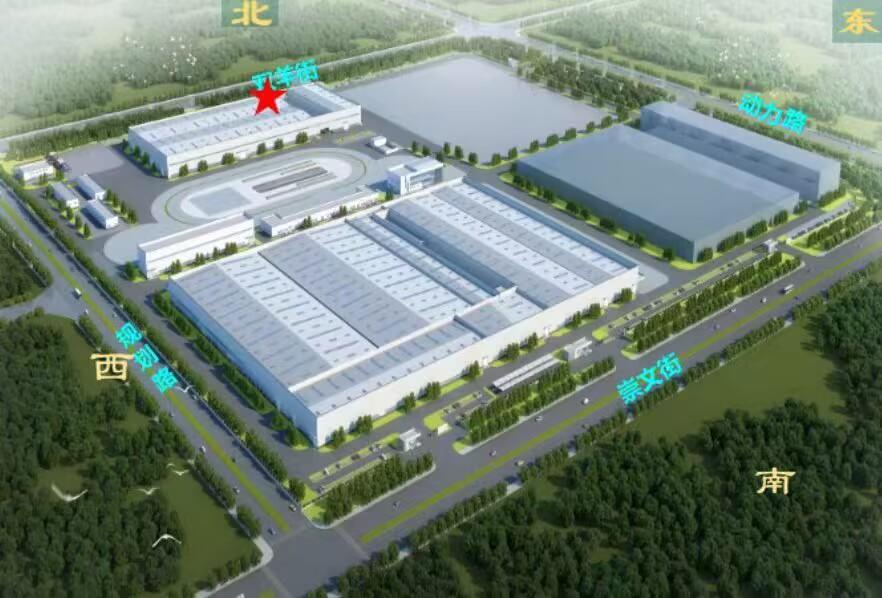
Group 1 - The 2026 Weifang City Work Mobilization Conference was held, emphasizing the importance of taking action and striving for progress in the first year of the 14th Five-Year Plan [1] - The Fangzi District is implementing the conference spirit by focusing on key projects, addressing bottlenecks, and ensuring smooth project execution with a proactive approach [1][5] - The Weichai Lovol Smart Agriculture Large Harvest Machinery High-end Manufacturing Base project has a total investment of 2.15 billion yuan and is a key project for the Ministry of Industry and Information Technology, aiming to establish a world-class production and testing base for high-end intelligent agricultural machinery [3] Group 2 - Fangzi District is launching a "Key Project Breakthrough Year" initiative in 2026, targeting the development of three main industries: smart agricultural machinery, high-end equipment, and the metaverse, while also nurturing various other industries [5] - The district plans to support key enterprises like Rongtai Technology and Fuyuan Turbocharger in expanding and upgrading their operations, alongside advancing several significant projects in the metaverse and health technology sectors [5][7] - A robust business environment is being established to support project development, including a dedicated service team to assist throughout the project lifecycle, ensuring efficient handling of planning, permits, and construction [7]

教育部:动态调整专业设置,重点增设低空经济、人工智能、高端装备、城市更新、民生紧缺等领域新专业
Jin Rong Jie· 2026-02-12 02:24
Core Viewpoint - The Ministry of Education has released opinions on deepening the reform of key elements in vocational education, emphasizing the need for dynamic adjustments in professional settings and the introduction of new majors in emerging fields such as low-altitude economy, artificial intelligence, and high-end equipment [1] Group 1: Professional Adjustments - The reform includes the addition of new majors in critical areas and the elimination or upgrading of existing ones to better align with industry needs [1] - Specific fields targeted for new major development include low-altitude economy, artificial intelligence, high-end equipment, urban renewal, and areas with a shortage of skilled labor [1] Group 2: Curriculum Design - The initiative calls for a scientific design of course combinations and the establishment of a curriculum list for new and upgraded courses, along with a capability map for courses [1] - There is a focus on enhancing ideological education and general education courses, as well as diversifying textbook formats and developing urgently needed teaching materials [1] Group 3: Teacher Development - The plan includes a detailed teacher capability list and the establishment of a dual-flow mechanism for teachers and industry talent [1] - This aims to facilitate the movement of educators between educational institutions and enterprises, enhancing the practical relevance of vocational training [1] Group 4: Industry-Education Integration - The construction of internship and training bases through various collaborative methods, such as enterprise commissioning and school-enterprise joint construction, is emphasized [1] - The initiative will promote a "high-skilled talent cluster training plan" focusing on major strategies and key areas, leveraging the strengths of industry, enterprises, and educational institutions [1] Group 5: Pilot Programs - Six advanced manufacturing sectors with significant talent shortages have been selected as pilot areas, including new energy vehicles, advanced rail transit equipment, aerospace equipment, high-end CNC machine tools, robotics, and agricultural machinery [1]
破解困局 建湖县近湖街道研讨会为传统产业注入“智慧芯”
Xin Lang Cai Jing· 2026-02-07 20:47
Core Insights - The seminar titled "Smart Farming and Future Cultivation" focused on the development of agricultural machinery and engineering machinery industries, gathering 16 growing enterprises from the local area along with experts and representatives to discuss industry upgrades and future development plans [1] Group 1: Industry Overview - Agricultural machinery and engineering machinery have been traditional industries in the region since the 1980s, with agricultural machinery covering the entire production chain from parts to complete machines [1] - The engineering machinery parts industry primarily supports major domestic companies like XCMG, Zoomlion, and SANY, but faces challenges such as low product added value and a lack of influential leading enterprises [1] Group 2: Future Development Strategies - Companies are focusing on technological advancements in areas like automation and new energy sources to meet market demands, with plans for cross-border e-commerce to expand international market access [2] - Experts emphasized the need for local agricultural machinery to leverage traditional and cluster advantages to capture new market opportunities, advocating for the development of key technologies such as clean energy power and remote control systems [2] Group 3: Innovation and Collaboration - The local government aims to enhance the innovation capabilities of enterprises and promote the transformation of innovative results, creating an industrial ecosystem characterized by leading enterprises, supporting clusters, and collaborative efforts [2] - A dedicated platform for cross-border e-commerce is being established to facilitate resource integration among local companies, encouraging collective efforts to enhance competitiveness in the global market [2]
促进乳制品消费 强化生猪产能综合调控 农业农村部最新部署
Zhong Guo Zheng Quan Bao· 2026-02-06 05:01
Core Viewpoint - The Ministry of Agriculture and Rural Affairs has released implementation opinions to ensure the modernization of agriculture and rural areas, focusing on stabilizing grain production and enhancing agricultural technology and enterprise development [1][3]. Group 1: Grain Production and Livestock Management - The plan aims to implement a new round of actions to increase grain production capacity by 1 billion jin, ensuring stable grain output at around 1.4 trillion jin [2][3]. - Comprehensive regulation of pig production capacity will be strengthened, including annual production registration for major pig farming enterprises [3]. - Support for the dairy industry will be enhanced, promoting integrated development of breeding and processing, and expanding the scope of student milk consumption [3]. Group 2: Agricultural Technology Innovation - The implementation opinions emphasize enhancing agricultural technology innovation efficiency, promoting the integration of technology and industry [5][6]. - Major projects in biological breeding and key agricultural research plans will be advanced to achieve significant original results in core seed sources and key agricultural machinery [6][7]. - A large-scale application of new agricultural technologies and products will be promoted, with a focus on grassroots agricultural technology promotion [6]. Group 3: Smart Agriculture Development - The plan includes actions for high-quality development of agricultural machinery, promoting the research and application of advanced and renewable energy agricultural machinery [9]. - The development of smart agriculture will be prioritized, utilizing AI, drones, IoT, and robotics to enhance agricultural practices [9]. - Establishment of smart agriculture technology centers and a comprehensive agricultural data platform will be pursued to support innovation [9]. Group 4: Strengthening Agricultural Enterprises - The implementation opinions propose the cultivation of competitive agricultural leading enterprises and the creation of a comprehensive agricultural product industry chain [11]. - A national key leading enterprise recognition program will be conducted, along with an agricultural entrepreneur cultivation plan [11]. - The plan aims to enhance agricultural brand development, promoting high-quality regional public brands and agricultural specialty brands [11].
中央一号文件释放重要信号:实施常态化精准帮扶 因地制宜发展农业新质生产力
Jin Rong Shi Bao· 2026-02-06 01:04
Core Viewpoint - The "Opinions" issued by the Central Committee and the State Council emphasize the importance of stabilizing grain and oil production, promoting agricultural modernization, and implementing regular precise assistance to ensure rural revitalization and farmers' income growth [1][2][3]. Group 1: Agricultural Production Capacity and Quality - The "Opinions" aim to stabilize grain production at around 1.4 trillion jin, emphasizing the integration of production capacity, ecological sustainability, and income growth [2]. - The focus is on optimizing agricultural production structure and enhancing grain quality, with projects to improve grain circulation efficiency [2]. - The agricultural development strategy includes increasing the area of high-standard farmland to 75.68 million mu by 2025 and achieving a mechanization rate of 76.7% for crop farming [5][6]. Group 2: Regular Precise Assistance - By the end of 2025, over 7 million monitoring objects will be identified for assistance, with a focus on preventing poverty and promoting stable employment for over 32 million former poverty-stricken laborers [3][4]. - The transition to regular precise assistance marks a shift from temporary measures to a sustainable system that integrates financial and resource policies into rural revitalization [3][4]. Group 3: Farmers' Income Growth - The "Opinions" highlight the goal of increasing farmers' disposable income to 24,456 yuan by 2025, reflecting a 6% real growth compared to the previous year [7]. - Measures to promote income growth include enhancing the quality and efficiency of rural industries and supporting employment stability for migrant workers [8]. - The strategy includes expanding rural consumption through new business models and improving service levels, which is expected to stimulate significant consumer spending [8].
躬耕田野,用科技铺就强农路
Xin Lang Cai Jing· 2026-02-05 22:20
Group 1 - The core focus of the provincial government is to enhance the comprehensive benefits and competitiveness of agriculture, emphasizing high-quality agricultural development paths [1] - The introduction of technology in agriculture is transforming traditional practices, as seen in the case of the Xiaolongxia (small crayfish) farming in Luguo community, which has evolved from traditional agriculture to a high-tech industry demonstration base [1] - The development of new agricultural varieties and technologies, such as the "Sunongyan No. 1" grass variety, is expected to significantly improve yield and quality, with projected yields exceeding 15 tons per acre [1] Group 2 - The garlic industry is shifting from reliance on experience and manual labor to a focus on technology and data, with mechanization rates expected to rise significantly by 2024 [2] - The agricultural machinery industry in Jiangsu is experiencing growth, but challenges such as innovation bottlenecks and ineffective results transformation still hinder development [2] - There is a call for enhanced support for agricultural technology enterprises, including better financing options and increased investment in research and promotion funding [3]
“新农具”有新机遇! 无人机、机器人首次写入中央一号文件
Xin Hua She· 2026-02-03 11:56
Group 1 - The 2026 Central Document emphasizes the expansion of applications for drones, IoT, and robotics in agriculture, marking the first inclusion of drones and robots in this key policy document [1] - The integration of rapidly advancing information and AI technologies with agricultural production is highlighted, showcasing drones and agricultural robots as effective tools that can replace labor-intensive tasks [1] - The mechanization rate for crop farming has reached 76.7%, with over 300,000 agricultural drones in operation, covering more than 460 million acres annually, indicating significant advancements in agricultural modernization [1] Group 2 - The intelligent picking robot developed by Qiaogeli Technology is designed to autonomously identify ripe fruits using a multi-sensor fusion system, which includes laser radar and machine vision [2] - The company aims to replicate its technology across various crops, including tomatoes and strawberries, and is optimistic about reducing R&D costs and market entry barriers for agricultural robots [2] - DJI has been applying drone technology in agriculture since 2012, with over 600,000 units sold globally and significant operational metrics in China, reflecting the growing acceptance and recognition of drones in the agricultural sector [3] Group 3 - The mention of drones in the Central Document is seen as a strong endorsement of their value in agriculture, providing momentum for future industry development [3] - The "14th Five-Year Plan" period is identified as a critical phase for the acceleration of new productive forces, with an expectation for more innovative agricultural tools to emerge [3]

2026年中央一号文件,全文来了
21世纪经济报道· 2026-02-03 10:42
Core Viewpoint - The article emphasizes the importance of agricultural and rural modernization as a foundation for China's overall modernization, highlighting the need for comprehensive rural revitalization and the establishment of a strong agricultural nation during the 14th and 15th Five-Year Plans [2]. Group 1: Enhancing Agricultural Production Capacity and Quality - The target for grain production is to stabilize at around 1.4 trillion jin, with a focus on improving production efficiency through integrated actions in land, seeds, machinery, and methods [3]. - The "vegetable basket" industry will be enhanced by promoting diversified food supply systems and stabilizing livestock production, particularly in pigs and dairy [3]. - There will be a strong emphasis on protecting arable land and improving its quality, with strict management and planning to prevent illegal land use and ensure sustainable agricultural practices [4]. Group 2: Implementing Regular Precision Assistance - A regular assistance policy system will be established to enhance the "three guarantees" and ensure drinking water safety, preventing large-scale poverty [7]. - Monitoring and assistance will be improved for identifying and responding to poverty risks, ensuring timely interventions [8]. - Employment assistance will be optimized, focusing on developing competitive industries and supporting job creation for vulnerable populations [8]. Group 3: Promoting Stable Income Growth for Farmers - Policies will be strengthened to protect and incentivize farmers' engagement in agriculture, including price supports and insurance mechanisms [10]. - The development of county-level industries will be prioritized, focusing on integrating technology, quality, and branding in agriculture [11]. - Support for migrant workers will be enhanced through skills training and job matching, ensuring stable employment opportunities [12]. Group 4: Advancing Rural Infrastructure and Public Services - Rural infrastructure will be improved, including water supply, electricity, and transportation, to enhance living conditions and public service accessibility [14]. - Educational and healthcare services will be strengthened, ensuring quality and accessibility in rural areas [15]. - Environmental protection and rural beautification efforts will be prioritized, focusing on waste management and sustainable agricultural practices [16]. Group 5: Strengthening Leadership and Governance in Rural Areas - The article calls for a robust leadership structure to oversee rural revitalization, emphasizing the role of party organizations in coordinating efforts [22]. - There will be a focus on improving the effectiveness of rural governance and enhancing the capabilities of local leaders [23]. - Mechanisms will be established to ensure accountability and transparency in rural development initiatives [23].

丹阳皇塘镇全力绘就产业强镇新图景
Xin Lang Cai Jing· 2026-01-27 22:08
Group 1 - Rongjia Precision is a high-tech enterprise focusing on automotive parts and high-end agricultural machinery components, emphasizing independent innovation and digital transformation [1] - The company has invested over 300 million yuan in industrial upgrades, aiming to achieve an annual production of 200,000 plug-in hybrid gearboxes and 200 sets of die-casting molds, with an expected efficiency increase of over 30% [1] - The potato harvester project developed by Rongjia has broken the foreign technological monopoly in the field and filled a domestic gap [1] Group 2 - Huangtang Town adheres to the "project-oriented" philosophy, focusing on industrial chain investment attraction and developing a "recruitment map" for leading industries [2] - The town aims to promote high-quality agricultural development by focusing on the construction of the intelligent agricultural machinery industry chain [2] - Jiangsu Guangcheng Machinery Technology Co., a specialized intelligent agricultural machinery enterprise, reported sales exceeding 7 million yuan last year, highlighting the growth of the agricultural machinery sector [2] Group 3 - The development of Guangcheng Machinery reflects a growing, collaborative agricultural machinery industry ecosystem in Huangtang Town, with many companies focusing on niche markets and continuous technological innovation [3] - Several small and medium-sized agricultural machinery companies are accelerating growth, contributing to the chain development of the agricultural machinery industry in Huangtang Town [3] - Huangtang Town's leadership emphasizes practical measures and innovative thinking to promote high-quality industrial development and regional coordination [3]