反洗钱

Search documents
2025年BVI公司最新申报新规及公司注册与维护详解
Xin Lang Cai Jing· 2025-05-26 05:05
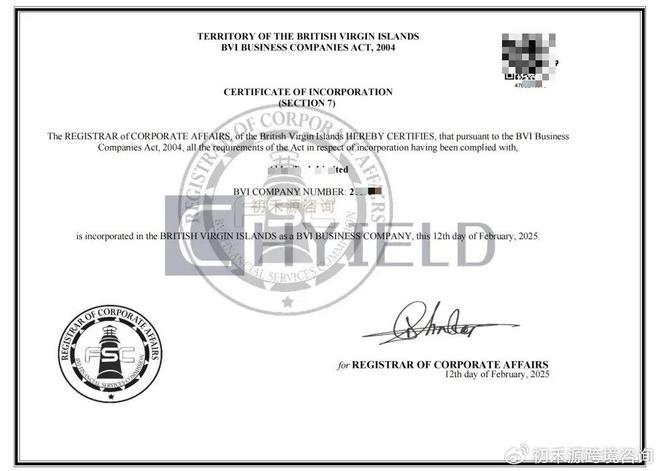
Core Points - The BVI government has implemented new regulations effective January 2, 2025, aimed at enhancing transparency and compliance in the international financial center [1] - Companies are required to maintain detailed records of their shareholder registers and beneficial ownership information to combat money laundering and tax evasion [1] Group 1: Shareholder Register Requirements - Companies existing before January 2, 2025, must submit their shareholder register by June 30, 2025 [3] - New BVI companies must submit their shareholder register within 30 days of registration, and any changes in shareholder information must be updated within 30 days [3] - Exemptions from the shareholder register requirement apply to companies listed on recognized stock exchanges, certain investment funds, and incubator or approved funds [4][5] Group 2: Beneficial Ownership Information - Companies must submit beneficial ownership information to the registry, with the same deadlines as the shareholder register [6][7] - The definition of a beneficial owner includes individuals who own or control 10% or more of the shares or voting rights of a company [8] - Exemptions for beneficial ownership information submission are similar to those for the shareholder register, including companies listed on recognized exchanges and certain fund types [10] Group 3: Penalties for Non-Compliance - Companies that fail to submit the required shareholder register and beneficial ownership information by the deadlines will face fines starting at $600 for the first three months, increasing to $800 for the next three months, and potential deregistration thereafter [11]

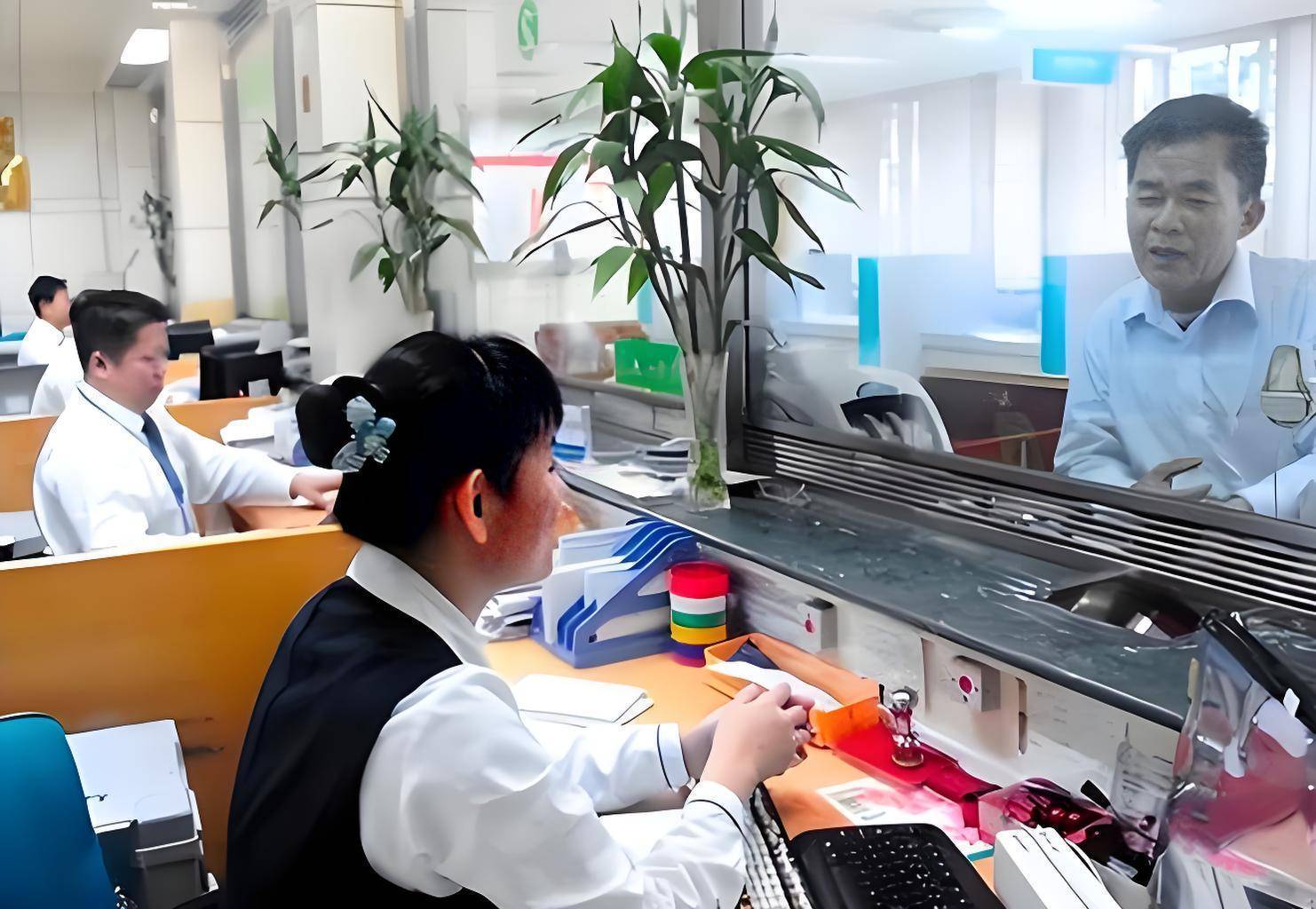
银行取款出现新变化,6月开始执行了,存款超过十万一定要注意
Sou Hu Cai Jing· 2025-05-24 15:50
Core Viewpoint - The People's Bank of China and the China Banking and Insurance Regulatory Commission have introduced new regulations to strengthen the management of large cash withdrawals, effective June 1, 2025, aimed at preventing money laundering and ensuring the security of the financial system [2][13]. Group 1: Changes in Cash Withdrawal Procedures - The new regulations extend the advance notice required for cash withdrawals exceeding 100,000 RMB from one day to at least three working days, allowing banks sufficient time to verify customer identity and transaction purpose [5][9]. - Customers must now provide information on the intended use of the funds, such as for purchasing a house, car, or home renovations [5][9]. Group 2: Enhanced Identity Verification - In addition to valid identification, banks will implement biometric technologies such as facial recognition and voice recognition to prevent unauthorized withdrawals [7][9]. - Approximately 87% of bank branches in China are equipped with facial recognition technology, and 43% have initiated voice recognition systems [7]. Group 3: Monitoring of Large Fund Transfers - A "fund monitoring period" of one week will be imposed on customers who transfer large amounts (over 100,000 RMB) from other banks and then attempt to withdraw large cash amounts shortly thereafter, aimed at preventing money laundering [9]. Group 4: Stricter Management of Foreign Currency Withdrawals - The threshold for large foreign currency withdrawals has been lowered from 10,000 USD (approximately 70,000 RMB) to an equivalent of 50,000 RMB, reflecting increased management in the current complex international financial environment [9]. Group 5: Recommendations for Customers - Customers are advised to plan their cash needs carefully, as less than 1% of individual clients have a cash requirement exceeding 100,000 RMB in a single transaction [11]. - Electronic transfers are recommended for significant payments, such as down payments for homes or car purchases, to avoid the complications of large cash withdrawals [11]. - In urgent situations requiring immediate cash access, banks have established a green channel for expedited processing upon presentation of relevant documentation [13].
【反洗钱宣传短剧】保护自己 远离洗钱
天天基金网· 2025-05-23 12:20
Group 1 - The article highlights the significance of May 15, 2025, as the sixteenth National Public Security Organs' Day for Combating and Preventing Economic Crimes, emphasizing the need for public awareness regarding money laundering risks [1] - The People's Bank of China Shanghai Headquarters, in collaboration with the Shanghai Economic Crime Investigation Team and China Merchants Bank Shanghai Branch, produced an anti-money laundering promotional short film to educate citizens [1] - The initiative aims to remind the public to guard their finances and stay away from money laundering crimes [1]

反洗钱宣传短剧|保护自己 远离洗钱
野村东方国际证券· 2025-05-23 10:07
Group 1 - The article highlights the significance of May 15, 2025, as the 16th National Public Security Organs' Day for Combating and Preventing Economic Crimes, emphasizing the importance of public awareness regarding money laundering risks [1] - The People's Bank of China Shanghai Headquarters, in collaboration with the Shanghai Economic Crime Investigation Team and China Merchants Bank Shanghai Branch, produced an anti-money laundering promotional short film to educate citizens [1]

洗不白的钱,逃不掉的罪
天天基金网· 2025-05-22 10:25
Core Viewpoint - Financial security is a crucial component of national security, and recent years have seen heightened emphasis on anti-money laundering efforts by the Chinese government, particularly under the leadership of Xi Jinping [1][16]. Group 1: Causes and Methods of Money Laundering - The fundamental motive behind money laundering is to legitimize illegal gains, which are closely linked to upstream crimes such as drug trafficking, organized crime, financial crimes, and corruption [1][4][5]. - Money laundering activities often involve various methods to obscure the source and nature of illegal funds, thereby evading regulatory scrutiny and legal penalties [5]. Group 2: Legal Framework and Enforcement - The 2021 amendment to the Criminal Law expanded the scope of money laundering offenses, including "self-laundering," which significantly impacts the conviction and sentencing of money laundering crimes [2][16]. - In 2024, the Supreme Court and the Supreme Procuratorate jointly issued clarifications on the legal standards applicable to money laundering cases, addressing the needs of judicial practice [2][16]. Group 3: Case Studies and Real-Life Examples - A case study involving a woman named Lily illustrates how individuals can become entangled in money laundering activities, leading to significant legal consequences. She was implicated in laundering 5.8 million yuan for a drug dealer [6][7]. - Another case highlights a woman named Hongye, who was involved in laundering funds from an illegal fundraising scheme, ultimately leading to her conviction for money laundering [13][15]. Group 4: Increasing Enforcement Efforts - Since the Supreme Procuratorate's 2020 initiative to enhance anti-money laundering efforts, there has been a notable increase in prosecutions, with 3,032 individuals charged in 2024, representing over 20 times the number of prosecutions in 2019 [7]. - The implementation of the "one case, dual investigation" mechanism has strengthened the ability of prosecutorial bodies to identify and prosecute money laundering offenses alongside related crimes [7][11]. Group 5: Collaborative Efforts and Mechanisms - Various departments have established collaborative mechanisms to enhance the effectiveness of anti-money laundering efforts, including joint actions by the People's Bank of China and the Ministry of Public Security [11][16]. - Regional cooperation among prosecutorial bodies and financial institutions has been emphasized to address challenges in handling money laundering cases [11].

工商银行威海分行积极参与反洗钱线上答题活动共筑金融安全防线
Qi Lu Wan Bao· 2025-05-20 21:45
Group 1 - The core viewpoint of the news is that the Industrial and Commercial Bank of China (ICBC) Weihai Branch is actively promoting anti-money laundering awareness among its employees through an online quiz activity, in response to the new Anti-Money Laundering Law [1][2] - The bank has mobilized its branches and professional departments to emphasize the importance of anti-money laundering work and encourage employee participation in the quiz [1] - The initial phase of the activity involved employees participating during their spare time, with promotional materials such as posters and QR codes displayed in 35 branches, and the use of LED screens to remind customers to participate [1] Group 2 - To expand the reach of the anti-money laundering quiz, the bank organized outreach efforts to communities, enterprises, and schools, enhancing participation [2] - The bank also utilized online channels, encouraging employees to share quiz information through social media and customer groups to broaden the promotional coverage [2] - Moving forward, ICBC Weihai Branch aims to continue its anti-money laundering efforts by diversifying promotional methods to educate the public and enhance risk awareness [2]

守护燕赵大地金融安全 华夏银行石家庄分行反洗钱宣传在行动
Zhong Guo Jin Rong Xin Xi Wang· 2025-05-20 06:35
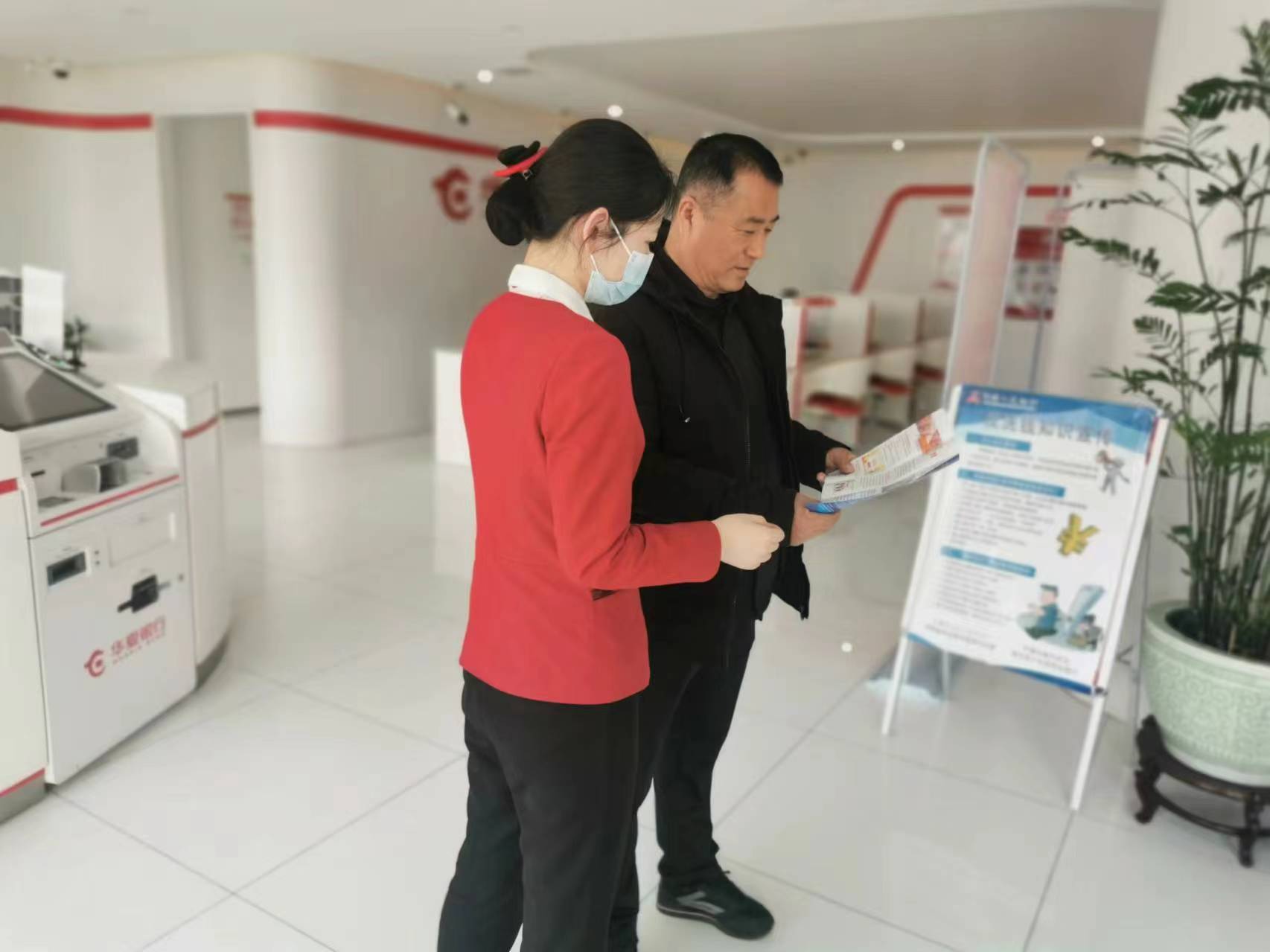
精准覆盖,构建反洗钱传播桥梁 华夏银行石家庄分行以"3•15"金融消费者权益保护日、"金融知识普及月"等关键时间节点为契机,积极构建反洗钱宣传桥梁,深入社区、企业、学校、农 村、商圈等地开展"五进"宣传活动,切实做到精准覆盖。针对不同群体,量身定制宣传内容。一是走进社区着重关注老年群体,讲解防范电信诈骗、非法集 资等违法犯罪技巧,提示他们增强防范意识,守好"钱袋子"。二是赴企业开展面对面反洗钱宣讲,讲解账户管理规范、受益所有人备案要求以及单位反洗钱 义务等内容,重点强化律师事务所、房产中介机构等特定非金融机构反洗钱义务履行意识,避免因管理疏忽成为洗钱犯罪的"帮凶"。三是联合辖区高校开展 反洗钱知识普及活动,深入讲解洗钱、非法金融放贷、出租出借银行卡等违法犯罪行为的危害,引导他们自觉远离非法金融活动,营造安全、健康的校园金 融环境。四是面向县域、农村地区群众,开展通俗易懂的反洗钱知识普及,帮助农民朋友增强风险防范意识。五是聚焦商圈、商业综合体等人员密集区域, 加强反洗钱宣传与业务推动的有机融合,面向商户开展合规经营教育,面向消费者普及洗钱风险防范知识。通过宣传活动的扎实开展,切实将反洗钱知识送 到了群众身边,进 ...

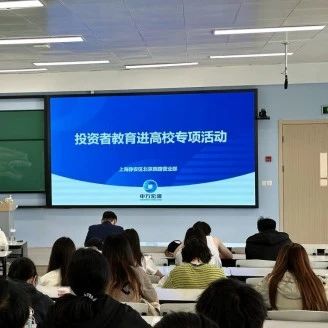
5·15专栏丨申万宏源证券开展5·15“投教进百校”活动—走进上海对外经贸大学
申万宏源证券上海北京西路营业部· 2025-05-19 01:57
Core Viewpoint - The article emphasizes the importance of financial education for university students, particularly in the context of protecting them from illegal investment activities and enhancing their financial literacy [2][4]. Group 1: Financial Education Initiatives - The Shanghai Jing'an District branch of Shenwan Hongyuan Securities organized a financial education event at Shanghai University of International Business and Economics, attracting nearly 200 students [2]. - The event aimed to integrate financial knowledge into the national education system and improve the financial literacy and risk awareness of the youth [2]. Group 2: Awareness of Illegal Activities - The branch focused on raising awareness about various illegal financial activities, including fraudulent stock recommendations, illegal fund transfers, and unauthorized trading services [4]. - Students were warned about the prevalence of scams that claim to offer "insider information" or "expert recommendations," which can lead inexperienced individuals to financial losses [4]. Group 3: Risk Prevention and Personal Security - The article highlights the importance of verifying the qualifications of investment advisory firms through regulatory websites and emphasizes the need for students to enhance their risk identification and prevention capabilities [4]. - It also stresses the significance of protecting personal information online, advising students not to share sensitive data on unknown websites or apps [4]. Group 4: Long-term Investment Philosophy - The branch commits to ongoing financial education efforts to promote rational, value-based, and long-term investment philosophies among investors [5]. - The article encourages students to adopt a resilient mindset in safeguarding national security and personal financial safety [6].
反洗钱|宣传短剧:保护自己 远离洗钱
中泰证券资管· 2025-05-16 09:19
2025年5月15日是第十六个全国公安机关打击和防范经济犯罪宣传日。中国人民银行上海总部联合上海市 公安局经侦总队、招商银行上海分行共同制作了反洗钱宣传短剧,提醒广大市民朋友防范洗钱风险,远离 洗钱犯罪,守护好自己的"钱袋子"。 来源:中国人民银行上海总部 持有人新福利! 参与投票本季心动好书,即可抽 超千元的墨水屏阅读器、姜诚同款阅读支架、读书 月卡、实体书 等悦读好礼,扫码即可直达 ...

5月支付机构百万级罚单频出,严监管升级!
Bei Jing Shang Bao· 2025-05-14 10:19
Core Viewpoint - The recent penalties imposed on payment institutions in China highlight the ongoing strict regulatory environment in the payment industry, emphasizing compliance and accountability for both institutions and their management [2][3][7]. Summary by Category Regulatory Actions - On May 9, the Shenzhen branch of the People's Bank of China announced penalties totaling 3.72 million yuan against Shenzhen Kuaiyitong Payment Co., Ltd. and SF Hengtong Payment Co., Ltd. for various violations [2]. - Kuaiyitong was fined approximately 3.52 million yuan for multiple infractions, including failure to comply with merchant management and customer identity verification regulations [2]. - SF Hengtong Payment was fined 210,000 yuan, marking its first penalty from the central bank [2]. Compliance Issues - The penalties reflect significant compliance failures, particularly in anti-money laundering practices, such as not fulfilling customer identity verification obligations and failing to report large or suspicious transactions [3][7]. - The regulatory focus on anti-money laundering and merchant management indicates a tightening of oversight in the payment sector [7]. Industry Trends - Following the penalties in Shenzhen, the Jiangsu branch of the People's Bank of China also issued fines to four payment companies for violations related to prepaid card management and merchant management [3][4]. - The trend of substantial fines, including a notable case where Shanghai Dianyin Information Technology Co., Ltd. was fined 5.71 million yuan, suggests that regulatory scrutiny is intensifying [6][7]. Recommendations for Compliance - Industry experts recommend that payment institutions enhance their compliance frameworks, including establishing comprehensive merchant management systems and improving identity verification processes [7]. - The use of big data and AI technology is suggested to bolster the identification of suspicious transactions and to ensure consumer rights protection [7].