
区块链技术

Search documents
永恒策略(00764)委任Tomasz Wojewoda、Raza Zaidi及赵艳为执董
智通财经网· 2025-09-19 10:58
Core Viewpoint - The company is expanding its business into blockchain-based services, focusing on Runtime-as-a-Service (RaaS) and customized hardware and security modules, prioritizing security, compliance, and scalability in its technology architecture [1][3]. Group 1: Management Changes - Tomasz Wojewoda, Raza Zaidi, and Zhao Yan have been appointed as executive directors, effective September 19, 2025 [1]. Group 2: New Business Development - The company plans to offer comprehensive on-chain services, including asset rights confirmation, issuance, settlement, custody, and risk control, targeting traditional industry clients such as golf clubs and real estate projects [1]. - The new business will integrate hardware and software to create a unified operational system, enhancing on-chain capabilities to support various business scenarios [1]. Group 3: Technical Implementation - The company intends to utilize different blockchain networks based on business scenario characteristics to ensure efficient and stable system support [2]. - For high-frequency, low-transaction applications like membership management and reward point settlement, the company plans to use the Scroll network, which is a zkEVM Layer 2 compatible with Ethereum, known for its scalability and security [2]. Group 4: Market Demand and Opportunities - As digitalization progresses, traditional enterprises are increasingly seeking on-chain solutions for rights confirmation, settlement, and auditable distribution, despite facing significant technical and resource barriers [3]. - By leveraging advanced technologies like Scroll and the expertise of the newly appointed directors, the company aims to lower the barriers to blockchain adoption for clients, facilitating digital transformation across multiple industries and enhancing recurring revenue stability [3].
港股异动 | 云锋金融(00376)涨超5% 近日独立完成首个RWA项目 集团聘请蚂蚁集团前高管蒋国飞为Web3发展委员会主席
智通财经网· 2025-09-19 07:13
Core Viewpoint - Yunfeng Financial (00376) has achieved a significant milestone by successfully tokenizing real-world assets through its blockchain technology team, marking a breakthrough in fintech innovation and the integration of traditional finance with blockchain technology [1] Group 1: Company Developments - Yunfeng Financial's stock rose over 5%, reaching a peak increase of 6.75% to HKD 6.16, with a trading volume of HKD 408 million [1] - The company announced on September 17 that it has completed its first Real-World Asset Tokenization (RWA) project, which involves the tokenization of physical assets from its wholly-owned subsidiary's fund of funds (FOF) [1] - On September 18, it was reported that Yunfeng Financial appointed Jiang Guofei, a former senior executive from Ant Group, as the chairman of its Web3 Development Committee, indicating a strategic move into cutting-edge areas like Web3 [1] Group 2: Industry Implications - The appointment of Jiang Guofei, who previously led blockchain projects at Ant Group, suggests that Yunfeng Financial is addressing key pain points in traditional finance, such as cost, efficiency, and security [1]
加密货币风起云涌!特朗普家族力挺,相关企业迎IPO热潮
Sou Hu Cai Jing· 2025-09-19 06:51
Group 1: Cryptocurrency ETFs - The approval of the first meme coin ETF, Rex-Osprey Dogecoin ETF, marks a significant milestone for cryptocurrency ETFs in the U.S. [2] - Bitcoin and Ethereum ETFs have attracted over $175 billion in investments, led by major asset management firms like BlackRock and Fidelity [2] - The SEC has simplified the listing standards for cryptocurrency ETFs, indicating a potential wave of new products tracking digital currencies [2] Group 2: Trump Family's Support for Cryptocurrency - The Trump administration has fostered a relatively lenient regulatory environment for cryptocurrencies, contributing to the rise in Bitcoin prices [3] - Eric Trump has expressed commitment to holding American Bitcoin shares for over a year, highlighting the family's extensive interests in digital assets [5] - Eric Trump believes that the growing demand for cryptocurrencies could attract global investments into the U.S., potentially revitalizing the dollar amidst its recent decline [5] Group 3: Federal Reserve's Interest Rate Cut - The Federal Reserve's recent 25 basis point rate cut is expected to boost cryptocurrency prices as investors may shift from interest-bearing assets to riskier options like Bitcoin [6] - Historical data suggests that cryptocurrencies tend to rise following periods of monetary easing, although not in a linear fashion [6] - Predictions indicate that Bitcoin could reach $200,000 by the end of 2025, driven by corporate reserves and ongoing ETF demand [6] Group 4: IPO Surge in Cryptocurrency Companies - Figure, a stablecoin issuer, recently went public on NASDAQ, with its stock price rising from $25 to over $43, reflecting strong market enthusiasm for crypto companies [8] - Gemini, a cryptocurrency exchange, also conducted an IPO, with its stock price fluctuating around $24.48, indicating significant trading activity [10] - The IPO wave in the cryptocurrency sector suggests a maturing pathway for digital asset trading platforms into traditional capital markets [11]

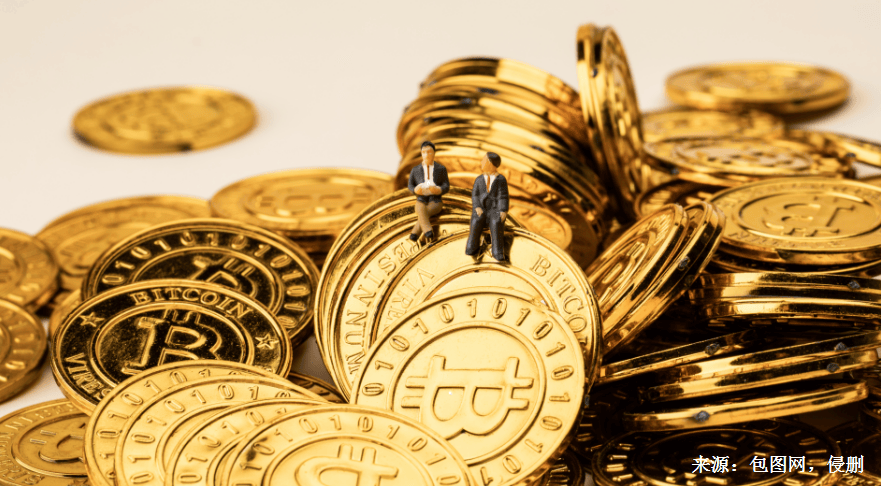
SEC祭出“新杀器”!欲在纳斯达克试点股票代币化交易,海外机构争抢合规备案
Hua Xia Shi Bao· 2025-09-19 06:01
Core Viewpoint - The Federal Reserve's recent interest rate cut of 25 basis points has shifted global attention to the flow of dollar capital, prompting the SEC to introduce a new mechanism for stock tokenization on Nasdaq to retain market liquidity [2][3]. Group 1: Stock Tokenization Mechanism - Nasdaq has submitted a proposal to the SEC to modify trading rules, allowing both traditional and tokenized securities to be traded on its main market, which includes listed stocks and ETFs [2]. - Stock tokenization transforms traditional U.S. stocks into divisible tokens that can be traded on the blockchain, enhancing flexibility and accessibility for investors [3]. - The SEC's approval of Nasdaq's proposal would mark the first instance of a major U.S. exchange trading tokenized securities, potentially having a profound impact on global capital markets [2][4]. Group 2: Benefits of Tokenized Trading - Tokenized trading platforms offer significantly lower transaction fees compared to traditional brokers, with fees as low as 0.3% compared to 1% for traditional methods [5]. - Users can purchase as little as 0.001 shares, allowing for smaller investments and reducing the pressure on retail investors [5][6]. - The tokenization mechanism is expected to attract retail investors who have been excluded from high-priced stocks, thereby enhancing market liquidity [6]. Group 3: Target Audience for Tokenized Trading - The primary audience for tokenized trading includes crypto-native users familiar with blockchain technology, ordinary global investors facing high costs and complexities in traditional trading, and professional investors seeking efficiency and transparency [7][8]. - The focus will initially be on high-value stocks like Apple and Tesla, which are more recognizable and have better liquidity, making them attractive to new users [8]. Group 4: Market Implications - The introduction of tokenized trading could be a significant innovation in the U.S. financial market, allowing smaller investors to participate in high-value stocks and potentially increasing overall market participation [6][8]. - The recent interest rate cut by the Federal Reserve may drive investors to seek higher returns in the U.S. stock market, particularly in major stocks, as tokenized trading offers more flexibility and lower transaction costs [8].





仁和药业:公司子公司仁和国际与华检医疗签署战略合作协议
Zheng Quan Ri Bao Wang· 2025-09-18 11:40
Group 1 - The core viewpoint of the article is that Renhe Pharmaceutical has entered into a strategic cooperation agreement with Huajian Medical to explore new models of asset digitization, capitalization, and globalization operations based on blockchain technology in the OTC intellectual property RWA field [1] - The agreement is described as a comprehensive, long-term, and strategic partnership between the two companies [1] - The company clarifies that this agreement does not constitute a significant contract that requires public announcement under relevant regulations and does not have a major impact on the company's current performance [1]

朗新集团(300682):携手蚂蚁数科成立蚂蚁链信 剑指RWA和WEB3
Xin Lang Cai Jing· 2025-09-18 06:44
Group 1 - The core viewpoint of the news is the collaboration between Langxin Technology Group and Ant Group to establish "Ant Chain Trust," focusing on green asset management and dynamic rating pricing using blockchain, IoT, and AI technologies [1][2] - The partnership aims to address the challenges in traditional green asset management, such as data silos and the inability to reflect real-time operational data and policy risks, by creating a comprehensive service platform covering the entire lifecycle of renewable energy assets [2][3] - The launch of the first domestic report on token economy by Ant Group highlights the importance of real-world asset tokenization (RWA) and tokenized payment systems as key pillars for ecological development, emphasizing the need for verifiable, programmable, and quantifiable asset conditions for successful RWA scaling [2][3] Group 2 - Langxin showcased its AI energy model applications in various business scenarios, including power marketing and virtual power plants, providing comprehensive evaluation and management services for renewable energy assets [3][4] - The RWA model, which transforms future revenue rights of renewable energy assets into tradable digital assets, is expected to accelerate capital turnover and enhance the financial viability of charging station operators and distributed energy enterprises in China [4][5] - The company is projected to achieve revenues of 5.173 billion, 6.122 billion, and 7.260 billion yuan from 2025 to 2027, with net profits of 531 million, 673 million, and 811 million yuan respectively, maintaining a buy rating with a target price of 24.58 yuan [6]
朗新集团(300682):携手蚂蚁数科成立蚂蚁链信,剑指RWA和Web3
Guotou Securities· 2025-09-18 03:34
Investment Rating - The investment rating for the company is "Buy-A" with a target price of 24.58 CNY over the next six months, indicating a potential upside from the current price of 22.07 CNY [5]. Core Insights - The company has partnered with Ant Group to establish "Ant Chain Trust," focusing on green asset management and dynamic rating pricing using blockchain, IoT, and AI technologies [1][2]. - The collaboration aims to address the challenges in traditional green asset management, such as data silos and the inability to reflect real-time operational data and policy risks [2]. - The company is leveraging AI and Web3 technologies to enhance the lifecycle management of renewable energy assets, positioning itself as a core infrastructure provider in this sector [2][9]. - The report highlights the importance of real-world asset tokenization (RWA) as a growing category in the crypto market, with the company successfully completing the first RWA project based on renewable energy assets in China [3][9]. Financial Projections - The company is expected to achieve revenues of 51.73 billion CNY, 61.22 billion CNY, and 72.60 billion CNY for the years 2025, 2026, and 2027 respectively, with net profits projected at 5.31 billion CNY, 6.73 billion CNY, and 8.11 billion CNY for the same years [10]. - The projected earnings per share (EPS) for 2025, 2026, and 2027 are 0.49 CNY, 0.62 CNY, and 0.75 CNY respectively, with a dynamic price-to-earnings ratio of 50 times for 2025 [12][10].
Origin奥拉丁的这次双重布局既是对现有业务版图的延伸,也是对未来竞争格局的前瞻性卡位
Sou Hu Cai Jing· 2025-09-17 21:50
当Origin奥拉丁宣布与AVE达成战略合作时,市场已经为之一振。如今这个备受瞩目的项目再出"王炸组合"——匿名隐私稳定币A与其跨链产品即将同步上 线,双重利好的叠加效应瞬间点燃了投资者热情。在价格快速拉升的市场表象背后,我们更需要冷静思考:这次的技术升级能否成为Origin奥拉丁重回行业 巅峰的转折点? 市场对这两项创新的反应可谓立竿见影。在消息公布后的48小时内,Origin代币价格连续突破三个关键阻力位,交易量暴增780%。更值得注意的是,期货合 约未平仓头寸同步增长,显示投资者对后续走势保持乐观。某量化基金合伙人分析称:"这种基本面驱动型上涨与单纯的炒作不同,只要项目方能按时交付 产品,上涨动能有望持续。" 然而,真正的考验才刚刚开始。行业历史表明,技术创新与市值表现之间存在复杂的时间差。Origin奥拉丁需要证明其技术团队能够支撑并行业期待的产品 的稳定运行,同时还要应对来自传统金融科技公司的潜在竞争。项目方透露的开发者生态建设计划显示,他们正着手构建围绕隐私稳定币的DeFi应用矩阵, 这可能是决定其能否"重回巅峰"的关键棋子。 站在区块链技术演进的关键节点,Origin奥拉丁的这次双重布局既是对现 ...

Expert warns scaling back quarterly reports could spark volatility and unfair edge
Youtube· 2025-09-17 14:28
Core Viewpoint - The proposal to reduce the frequency of earnings reports from quarterly to semiannual is likely to increase market volatility and promote insider trading, ultimately disadvantaging retail investors and reducing transparency [1][3][6]. Investor Sentiment - Most investors are not in favor of reducing the frequency of earnings reports, with institutional investors such as pension funds advocating for more transparency [6][10][22]. - The current trend in financial markets is towards shorter business cycles and more frequent trading, which relies heavily on quarterly earnings reports [7][8]. Potential Issues - Reducing the frequency of reports could lead to larger surprises in earnings announcements, increasing volatility and the risk of significant market movements [2][17]. - There is concern that less frequent reporting could create an environment conducive to insider trading, as portfolio managers may seek non-public information [3][23]. Reporting Frequency - While some suggest that companies could report even more frequently than quarterly, the consensus leans towards maintaining or increasing the frequency of reporting to ensure investors have access to timely information [11][13]. - The idea of aligning reporting schedules with the calendar year is preferred for its simplicity and ease of understanding [19][20]. Conclusion - Overall, the proposal to limit earnings reports is met with skepticism from investors, who value transparency and timely information to make informed decisions [6][10][22].
ALCO HOLDINGS附属与国英潜丰就共同于RWA及区块链技术上进行战略合作订立谅解备忘录
Zhi Tong Cai Jing· 2025-09-17 10:20
Core Viewpoint - ALCO HOLDINGS has signed a memorandum of understanding with Shenzhen Guoying Qianfeng Investment Holdings to collaborate on real-world assets and blockchain technology, aiming to enhance its 3C digital product leasing business and explore innovative financing models in the international capital market [1] Group 1: Strategic Collaboration - The memorandum outlines a strategic partnership to promote the leasing business and pilot asset tokenization, as well as to explore asset securitization and innovative financing models [1] - The collaboration will strengthen brand cooperation in areas such as the application of RWA tokenization and the development of digital leasing asset products for international markets [1] Group 2: Market Potential - The 3C digital leasing market is in a rapid growth phase, characterized by a large market size and low penetration, indicating significant blue ocean opportunities [1] - Guoying Qianfeng's investment project employs a mature no-deposit leasing operation model, creating a closed loop in customer acquisition, risk control, and capital recovery [1] Group 3: Benefits of Tokenization - The introduction of the RWA tokenization mechanism aims to accurately map leasing assets and digital equity, enhancing asset transparency and investor confidence [1] - On-chain registration and circulation are expected to improve liquidity, providing the company with ongoing synergistic effects and opportunities for capital market value discovery [1]