
金融科技创新

Search documents
工商银行取得密钥更新方法专利
Sou Hu Cai Jing· 2026-02-03 07:00
Group 1 - The core point of the article is that the Industrial and Commercial Bank of China (ICBC) has obtained a patent for a key update method, system, computer device, and computer storage medium, with the patent announcement number CN116015656B and an application date of February 2023 [1] Group 2 - ICBC was established in 1985 and is located in Beijing, primarily engaged in monetary financial services [1] - The registered capital of ICBC is approximately 35.64 billion RMB [1] - According to data analysis, ICBC has invested in 28 companies, participated in 5,000 bidding projects, has 969 trademark information entries, and holds 5,000 patent information entries, along with 79 administrative licenses [1]

先锋金融、网信案现状:600亿兑付窟窿待填
Xin Lang Cai Jing· 2025-12-30 03:38
Core Insights - The rise and fall of the Pioneer Financial and Wangxin case exemplifies the collapse of China's internet finance bubble, highlighting the transition from a peak valuation of hundreds of billions to a situation with over 60 billion yuan in funds awaiting redemption [1][9] Group 1: History and Expansion - Pioneer Financial's story began in 2003 with the establishment of the United Entrepreneurship Guarantee Group by Zhang Zhenxin, which laid the foundation for its financial empire [2][11] - The company expanded through innovative internet finance strategies, launching the core platform "Wangxin Wealth Management" in 2013, which attracted massive public funds with high-yield products [2][12] - At its peak, Pioneer Financial controlled hundreds of companies across various sectors, including third-party payments, P2P lending, and public funds, creating a seemingly comprehensive financial service ecosystem [2][11] Group 2: Crisis Timeline - The collapse of Pioneer Financial was a gradual process marked by key events, including the 2019 scandal involving the misappropriation of 1.495 billion yuan in reserve funds and the subsequent operational halt of Pioneer Payment [4][13] - Zhang Zhenxin's death in September 2019 led to chaos in debt management, and by 2020, the company was forming crisis management teams to address the fallout [4][13] - By 2023, the court ruled on the fundraising fraud case, sentencing several executives to life imprisonment, and by June 2025, Pioneer Payment's business license was revoked, initiating asset liquidation [5][13] Group 3: Current Situation - As of November 2020, Wangxin Wealth Management had only repaid approximately 1.04 billion yuan, leaving 64.85 billion yuan in outstanding principal, indicating a redemption rate of less than 2% [14][15] - Pioneer Payment has been stripped of its business license and is facing multiple enforcement actions totaling 239 million yuan, with core listed companies having delisted or entered liquidation [14][15] - The judicial process is ongoing, with Wangxin Wealth Management officially under criminal investigation as of April 2025, which is crucial for future recovery efforts [15][16] Group 4: Industry Insights - The Pioneer Financial and Wangxin case serves as a cautionary tale for investors, emphasizing that high returns often conceal high risks, particularly under the guise of "financial innovation" [7][16] - The industry must prioritize compliance over aggressive growth strategies, moving away from a model that prioritizes scale at the expense of regulatory adherence [7][17] - Regulatory bodies are urged to implement more robust oversight mechanisms to prevent similar occurrences, addressing regulatory gaps that allowed Pioneer Financial to exploit the system [7][17]
陈浩濂:港府正积极研究代币化债券发行及交易框架 推动引入代币化技术应用
智通财经网· 2025-12-19 03:09
Core Viewpoint - The "Web5 Ecosystem" summit held in Hong Kong highlighted the government's active exploration of legal and regulatory frameworks for tokenized bond issuance and trading, aiming to enhance Hong Kong's position as an international financial center [1] Group 1: Government Initiatives - The Hong Kong government is researching the legal and regulatory framework for tokenized bond issuance and trading [1] - The government aims to optimize institutional arrangements to promote the application of tokenization technology in the bond market [1] - The Financial Secretary's office emphasizes that tokenization can improve the efficiency, transparency, and liquidity of financial products [1] Group 2: Financial Innovations - The Hong Kong Monetary Authority is advancing several digital currency and tokenization projects, including encouraging commercial banks to explore tokenized deposits [1] - There is a focus on facilitating the tokenization of real-world assets (RWA) to inject innovation into the financial market [1] Group 3: Market Outlook - Attendees at the summit believe that with a clearer policy environment and maturing technology, tokenized finance and digital assets are expected to become significant growth engines for Hong Kong's financial market [1] - The developments are anticipated to provide global investors with more diversified investment options [1]
第十六届“工行杯”全国大学生金融科技创新大赛总决赛圆满落幕
Sou Hu Wang· 2025-12-09 03:38
Group 1 - The 16th "ICBC Cup" National College Student Financial Technology Innovation Competition concluded successfully, showcasing the innovative capabilities of 13 elite teams selected from over 69,000 participants and 21,000 creative works [1][3] - The competition focused on two main themes: "Tech Trends (Playing with AI)" and "Future Banking (Diverse Innovations)", emphasizing the integration of cutting-edge technology with banking services [3] - The innovative solutions presented by the teams addressed key financial issues and incorporated advanced technologies such as AI models and neural networks, demonstrating a deep understanding of the financial sector's needs [3][9] Group 2 - The final awards were announced, with 13 teams receiving national special awards and first prizes for their forward-thinking ideas and solid proposals [4] - The top projects included an intelligent due diligence platform based on BERT, an ESG intelligent certification platform, and a smart risk control platform for agricultural loans, among others [6][8] - Winners will receive cash prizes of 20,000 yuan for special awards and 10,000 yuan for first prizes, along with valuable internship opportunities at ICBC, facilitating their transition from innovation to practical application [8][9] Group 3 - The successful hosting of the competition not only identified a pool of talented individuals for the financial industry but also stimulated societal interest in financial technology innovation [9] - The "ICBC Cup" aims to continue serving as a source of financial technology innovation and a nurturing ground for young talent, contributing to the construction of a strong financial nation [9]

中国证监会主席吴清:奋力打造一流投资银行和投资机构
Qi Huo Ri Bao Wang· 2025-12-07 16:51
Core Viewpoint - The speech by Wu Qing emphasizes the mission and responsibilities of the securities industry during the "14th Five-Year Plan" period, focusing on high-quality development and the need for the industry to adapt to the evolving economic landscape [1][2][3]. Group 1: Mission and Responsibilities - The securities industry must strengthen its mission in serving the real economy and the development of new productive forces [1]. - There is a need to enhance services for investors and assist in optimizing the allocation of residents' assets [1]. - The industry should accelerate the construction of a strong financial nation and promote high-level institutional openness [1]. Group 2: Business Structure and Innovation - The industry is urged to optimize its business structure and innovate financial products based on the needs of real enterprises and industrial development [2]. - There is a focus on enhancing the precision and adaptability of product services in response to changes in financial service demands from enterprises [2]. - The importance of protecting investors' rights and maintaining market order is highlighted, with a call for value investment practices [2]. Group 3: Technological Innovation and Market Adaptation - The securities industry is at the forefront of the market economy and must innovate financial products and services while managing risks [3]. - Financial technology innovations, such as AI, big data, and blockchain, are transforming the financial market ecosystem, and the industry should actively explore these technologies [3]. - There is an emphasis on resource integration and the use of mergers and acquisitions to create influential leading institutions in the industry [3].
吴清的一次重要讲话!明确这些改革方向 十大重点梳理
Zhong Jin Zai Xian· 2025-12-07 02:40
Core Viewpoint - The speech by Wu Qing, Chairman of the China Securities Regulatory Commission (CSRC), emphasizes the responsibility of the financial sector in national development and outlines a path for the high-quality development of the securities industry, focusing on the concept of "functionality" as a key approach [2][4]. Group 1: Regulatory Policies - The CSRC will implement differentiated supervision, easing capital and leverage restrictions for high-quality institutions while optimizing risk control indicators to enhance capital utilization efficiency [4][10]. - The regulatory approach will vary for different types of institutions: easing restrictions for high-quality firms, guiding smaller firms to focus on niche markets, and supporting foreign institutions in integrating into the Chinese capital market [10][11]. Group 2: Industry Responsibilities - The securities industry must strengthen its mission in four areas: serving the real economy, optimizing asset allocation for residents, contributing to the construction of a financial power, and promoting high-level institutional openness [5]. - Firms are encouraged to align their services with diverse investor needs, focusing on long-term and value investments [5]. Group 3: Market Fundamentals - Investor confidence and market resilience have improved, with the total market capitalization of A-shares exceeding 100 trillion yuan, reflecting both quantitative growth and qualitative enhancement [6]. - The total assets of 107 securities firms reached 14.5 trillion yuan, with net assets growing over 40% in four years [6]. Group 4: Mergers and Acquisitions - The mergers among leading brokerages, such as the merger of Guotai Junan and Haitong, have shown initial success, indicating a shift towards differentiated development among smaller firms [7][9]. Group 5: Reputation Management - The industry must prioritize reputation management and cultural development, addressing past issues of misconduct and enhancing public trust through effective communication and storytelling [12]. Group 6: Investor Protection - There is a strong emphasis on binding the interests of securities firms with those of investors, promoting a core evaluation system centered on investor returns [13]. Group 7: Internationalization and Cross-Border Finance - The industry is encouraged to enhance its cross-border financial services and to leverage international experiences to better integrate into the global market [14]. Group 8: Compliance and Risk Management - The importance of compliance and risk management is highlighted, with a focus on preventing illegal arbitrage and maintaining market order [15][17]. Group 9: Financial Technology Innovation - The industry is urged to embrace financial technology innovations while ensuring that regulatory frameworks are in place to manage associated risks [18]. Group 10: Risk Resilience - The industry must enhance its risk management capabilities to navigate complex challenges, ensuring the stability of the financial system [19].
吴清的一次重要讲话,明确这些改革方向
Feng Huang Wang· 2025-12-06 15:17
Core Viewpoint - The speech by Wu Qing, Chairman of the China Securities Regulatory Commission (CSRC), emphasizes the responsibility of the financial sector in national development and outlines a path for high-quality development in the securities industry, focusing on the concept of "functionality" as a key driver [3][4]. Group 1: Regulatory Policies - The CSRC will implement differentiated supervision, easing restrictions on capital and leverage for high-quality institutions while optimizing risk control indicators to enhance capital utilization efficiency [4]. - The approach includes supporting small and foreign brokerages through differentiated evaluation and business access, promoting specialized development [4][9]. Group 2: Industry Responsibilities - The securities industry is tasked with four major responsibilities during the 14th Five-Year Plan: serving the real economy, optimizing asset allocation for residents, contributing to the construction of a financial powerhouse, and promoting high-level institutional openness [5]. - Securities firms are encouraged to align their services with diverse investor needs, focusing on long-term and value investments [5]. Group 3: Market Fundamentals - Investor confidence and expectations have improved, with the A-share market showing resilience and risk management capabilities, achieving a total market value exceeding 100 trillion yuan [6]. - The total assets of 107 securities firms reached 14.5 trillion yuan, with net assets growing over 60% in four years [6]. Group 4: Mergers and Acquisitions - The industry has seen successful mergers, such as the merger of Guotai Junan and Haitong, which has begun to yield positive results [7]. - Leading firms are increasingly taking on a guiding role, while smaller firms are focusing on niche markets to differentiate themselves [7][8]. Group 5: Reputation Management - The industry must prioritize reputation management and cultural development, addressing past issues of misconduct among professionals [10]. - Firms are encouraged to integrate corporate culture and values into brand building and actively manage public perception through new media [10]. Group 6: Investor Protection - There is a strong emphasis on protecting investors' interests, with a focus on maintaining market order and promoting value investment principles [11]. - The industry is urged to develop a core evaluation system centered on investor returns and to transition from service-oriented to profit-sharing models [11]. Group 7: Internationalization and Cross-Border Finance - The industry should enhance its cross-border financial services and promote internationalization, particularly along the Belt and Road Initiative [12][13]. - Foreign firms are encouraged to leverage their parent company's strengths to integrate into the Chinese capital market [13]. Group 8: Compliance and Risk Management - The importance of compliance and risk management is highlighted, with a focus on preventing illegal arbitrage and maintaining trading order [14]. - Firms are urged to strengthen governance and risk management practices to mitigate potential risks in various business areas [14]. Group 9: Financial Technology Innovation - The industry is encouraged to embrace financial technology innovations while ensuring regulatory oversight to prevent risks from unregulated innovations [15]. - The CSRC will facilitate innovation pilot programs and enhance monitoring mechanisms for new financial activities [15]. Group 10: Risk Resilience - The industry is tasked with addressing risks in asset management and stock pledges, ensuring financial stability [16]. - Firms are encouraged to enhance their professional capabilities and improve their service offerings in IPOs and mergers [16].
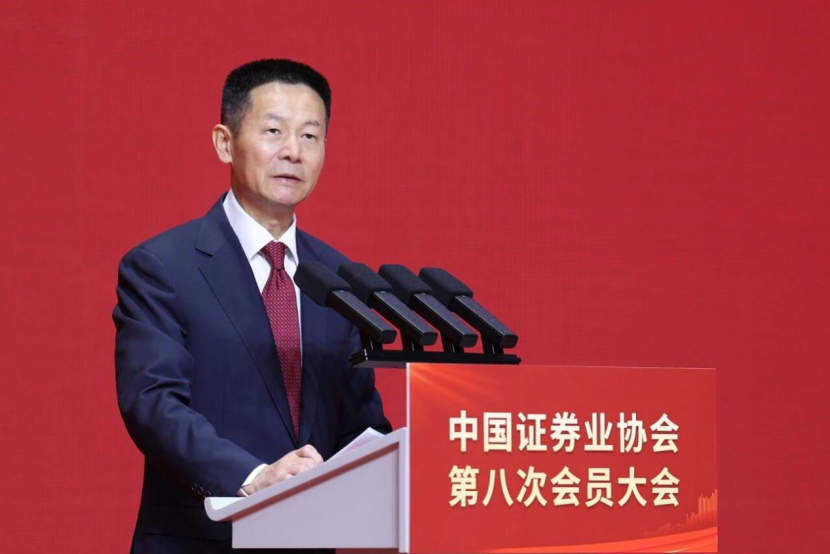
吴清讲话刷屏朋友圈,七大重点明确证券业发展方向
Sou Hu Cai Jing· 2025-12-06 15:04
Core Viewpoint - The speech by Wu Qing at the China Securities Association's eighth member conference emphasizes the high-quality development of the securities industry, outlining seven key points that define the future direction of the sector [4]. Group 1: Capital and Regulatory Environment - The capital space and leverage restrictions will be moderately relaxed for high-quality institutions, optimizing risk control indicators and enhancing capital utilization efficiency [4]. - Differentiated regulation will be explored for small and medium-sized brokerages and foreign brokerages in terms of classification evaluation and business access [4]. Group 2: Industry Responsibilities and Market Performance - The industry is tasked with four major responsibilities during the 14th Five-Year Plan period, including better service to the real economy, enhancing investor services, contributing to the construction of a financial powerhouse, and promoting high-level institutional openness [4]. - The A-share market has shown resilience, with a total market value exceeding 100 trillion yuan, and the total assets of 107 securities companies reaching 14.5 trillion yuan, with net assets growing over 40% in four years [4][5]. Group 3: Mergers and Acquisitions - The mergers among leading brokerages have shown initial success, with notable cases like the Guotai Junan and Haitong merger achieving a "1+1>2" effect [5]. - Smaller institutions are focusing on niche markets to differentiate themselves from larger firms, while foreign institutions are accelerating their domestic business expansion [5]. Group 4: Reputation and Cultural Management - The industry must prioritize reputation management and cultural development, addressing past issues of extravagance among some professionals that have harmed the industry's image [6]. - Companies are encouraged to integrate cultural values into their development strategies and enhance brand building through effective public relations [6]. Group 5: Investor Protection and Risk Management - Strengthening investor protection is crucial, with a focus on maintaining market order and promoting value investment principles [6]. - The industry should enhance risk prevention in key areas such as margin trading and private asset management, ensuring compliance and liquidity [6]. Group 6: Financial Technology Innovation - Financial technology innovation is essential for the industry's evolution, with a focus on AI, big data, and blockchain applications [7]. - The regulatory framework will be improved to monitor and manage risks associated with financial innovations, particularly in emerging sectors like cryptocurrency [7].
吴清重要讲话!明确这些改革方向
财联社· 2025-12-06 13:14
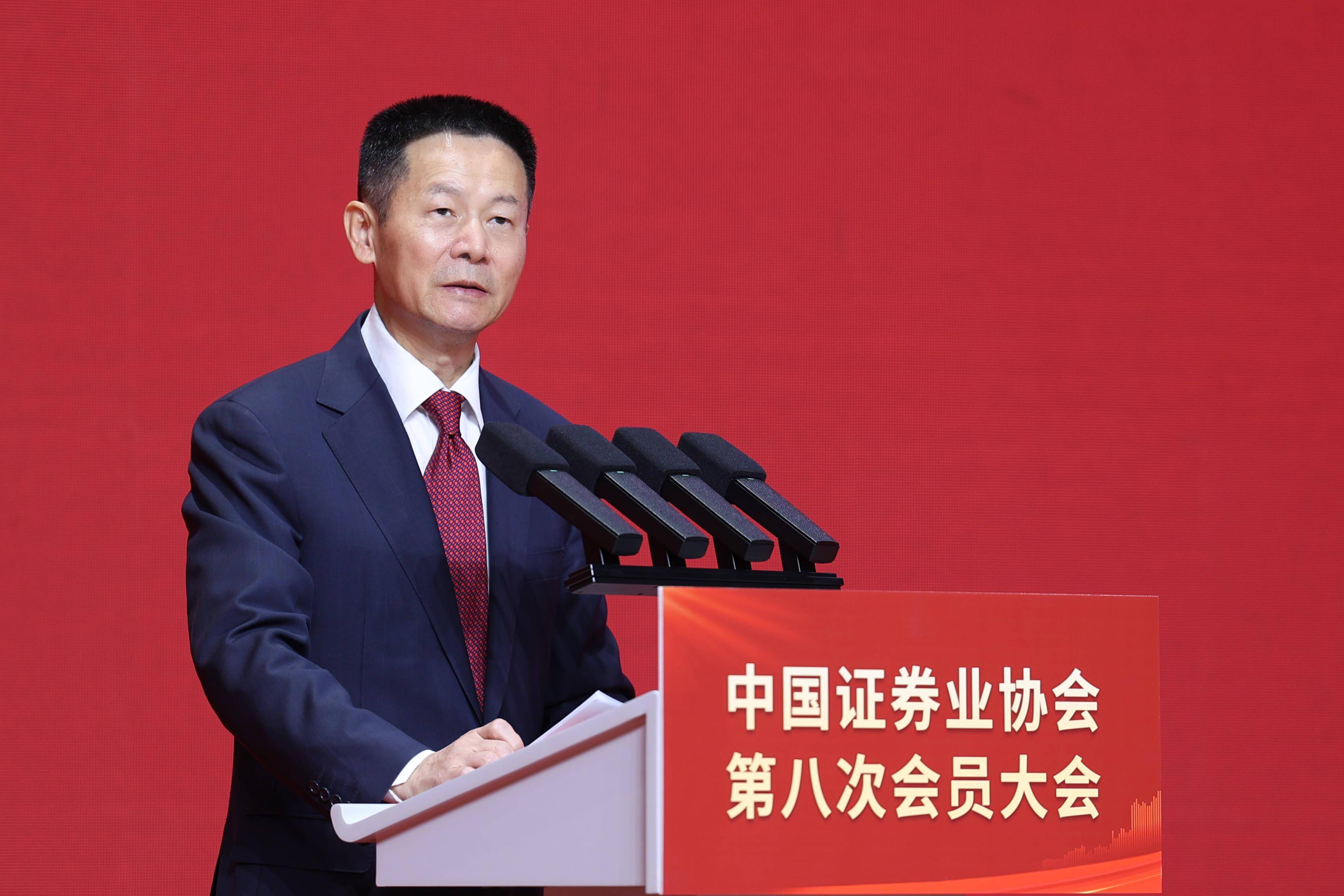
Core Viewpoint - The speech by the Chairman of the China Securities Regulatory Commission (CSRC), Wu Qing, emphasizes the responsibility of the financial sector in national development, highlighting the importance of "functionality" as a key approach for the securities industry to fulfill its mission and support high-quality capital market development [3][4]. Group 1: Regulatory Policies - The CSRC will focus on differentiated regulation, providing appropriate "relaxation" for high-quality institutions, optimizing risk control indicators, and moderately opening up capital space and leverage limits to enhance capital utilization efficiency [5][11]. - The regulatory approach will vary for different types of institutions: high-quality institutions will receive support to expand their capabilities, while small and medium-sized firms will be guided to focus on niche markets to avoid homogenized competition [11][12]. Group 2: Industry Development - The A-share market has shown significant improvement in investor confidence and resilience, with a total market value exceeding 100 trillion yuan and a 26% increase in the number of investors to over 240 million [8]. - Mergers and acquisitions among leading securities firms have begun to yield positive results, with notable cases like the merger of Guotai Junan and Haitong Securities demonstrating the effectiveness of consolidation [9]. Group 3: Institutional Responsibilities - Securities firms are urged to enhance their core competencies and market leadership while focusing on risk management and compliance [7][10]. - Institutions must shift from price competition to value competition, leveraging their unique advantages to create a more efficient resource allocation within the industry [10]. Group 4: Investor Protection - There is a strong emphasis on binding the interests of securities firms with those of investors, promoting a core evaluation system centered on investor returns, and transitioning from "channel services" to "shared profits" in brokerage and advisory services [15][14]. Group 5: Internationalization and Compliance - The industry is encouraged to enhance its cross-border financial services capabilities and to adopt international best practices while ensuring compliance and risk management [16][17]. - Financial technology innovation is highlighted as a key area for development, with a focus on avoiding regulatory gaps that could lead to uncontrolled risks [18]. Group 6: Risk Management - The industry must prioritize risk management, particularly in high-risk areas such as asset management and stock pledges, to maintain financial stability [19]. - Institutions are called to strengthen their governance and compliance frameworks to prevent illegal arbitrage and maintain orderly trading [17]. Group 7: Role of Industry Associations - The role of the China Securities Association is emphasized, with a call for it to enhance its governance and member engagement to support the high-quality development of the securities industry [20].
吴清发声!奋力打造一流投资银行和投资机构,国泰海通合并初步实现“1+1>2”
Sou Hu Cai Jing· 2025-12-06 11:58
Core Viewpoint - The Chinese securities industry is urged to focus on high-quality development, enhancing service capabilities, and fostering a robust investment banking environment during the "14th Five-Year Plan" period, emphasizing the importance of serving the real economy and protecting investor rights [1][2][3]. Group 1: Industry Development Goals - The industry is transitioning from a focus on scale and profit to prioritizing functionality and high-quality development, with an emphasis on serving the real economy [2][3]. - There is a call for the industry to enhance its service capabilities, particularly in IPOs and mergers and acquisitions, while also improving wealth management services and cross-border financial services [3][5]. - The importance of innovation in financial products and services is highlighted, with a focus on integrating technologies like AI, big data, and blockchain to foster high-quality development [4][6]. Group 2: Compliance and Risk Management - Compliance and risk management are deemed essential for the survival of industry institutions, with a need for improved governance and transaction management to protect investors and maintain market order [6][7]. - The industry is encouraged to strengthen its risk prevention measures, particularly in high-risk areas such as margin trading and private asset management [6]. Group 3: Cultural and Structural Improvements - The need for a strong industry culture is emphasized, advocating for long-termism and reputation management to enhance the industry's image and attract talent [7]. - The restructuring of firms, such as the merger of Guotai Junan and Haitong, is seen as a positive step towards optimizing industry structure and achieving greater efficiency [7].
