
单边主义

Search documents
特朗普二进宫:本想逆风翻盘,却无意间拨下美国散架最后的楔子。
Sou Hu Cai Jing· 2025-09-25 03:55
Group 1 - The article discusses the challenges faced by Trump's administration, highlighting a shift in international dynamics that undermines previously effective political strategies [1][3] - The initial strategy to leverage the Russia-Ukraine conflict backfired, showcasing a lack of understanding of the complexities involved in international relations [3] - The trade war with China has resulted in minimal benefits, with American consumers bearing an additional cost of over $50 billion due to tariffs, indicating a self-defeating policy approach [5] Group 2 - Trump's declining confidence is reflected in his public demeanor, suggesting a struggle to manage the complexities of governance [8] - The U.S. has faced diplomatic isolation, evidenced by its unique opposition vote in a UN resolution regarding the Israel-Palestine issue, leading to a historic low in international credibility [10] - The handling of the COVID-19 pandemic has been criticized, with over one million deaths attributed to a dismissive approach towards scientific guidance [12] Group 3 - Economic policies, such as continuous interest rate cuts, have led to a soaring national debt exceeding $34 trillion, raising concerns about long-term sustainability [12] - The U.S. military spending accounts for 40% of global expenditures, yet its relative military advantage is declining, indicating a strategic dilemma [12] - The article warns that unilateralism and zero-sum thinking in international relations may ultimately harm the U.S., advocating for cooperation and mutual respect as the path to enduring prosperity [12]

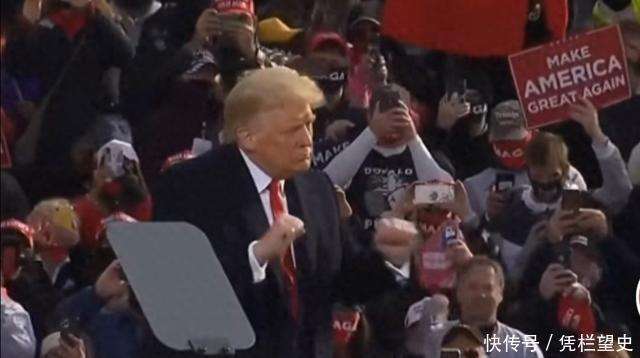
特朗普收到两个噩耗,中方连抛3820亿美债,日本投下“金融核弹”
Sou Hu Cai Jing· 2025-09-25 03:24
Core Insights - The recent announcements from the Federal Reserve regarding interest rate cuts and significant actions from the Trump administration have created a volatile environment in international financial markets [1][2] - China's reduction of U.S. Treasury holdings has reached $382 billion, with a notable $53.7 billion decrease over the past four months, indicating growing concerns over the credibility of the U.S. dollar [1][2] - Japan's unexpected decision to sell ETFs and J-REITs is seen as a major shift that could impact the Federal Reserve's monetary policy decisions [2] Group 1 - China's continuous reduction of U.S. Treasury bonds reflects a broader trend of diminishing confidence in the U.S. dollar, exacerbated by the erratic policies of the Trump administration [1][2] - The U.S. economy is showing signs of weakness, transitioning from aggressive interest rate hikes to a rate-cutting cycle, which may diminish its ability to extract global wealth [2] - Japan's actions, as the largest foreign holder of U.S. debt, could destabilize the U.S. financial system, especially as it faces severe inflationary pressures [2] Group 2 - The prolonged gap between the third and fourth rounds of U.S.-China trade negotiations suggests a sense of urgency from the Trump administration to reach an agreement, yet the lack of breakthroughs indicates a complex negotiation landscape [3] - The current geopolitical dynamics highlight a shift away from unilateralism and hegemonic strategies, as the U.S. may need to adopt a more pragmatic approach towards China [3]
商务部:高度重视中资企业在美发展 坚定维护中企正当权益
Jing Ji Guan Cha Bao· 2025-09-25 02:19
王文涛表示,两国元首战略引领为中美经贸关系发展指明了原则和方向,前期双方经过多轮经贸磋商达 成了一系列重要共识成果,有力推动两国经贸关系回稳。在美中资企业克服困难,取得发展成绩,殊为 不易。当前全球贸易格局和规则正遭受单边主义、保护主义的严重冲击。希望企业把握形势,积极应 对,重视多元布局和合规经营,在不确定性中寻求确定性,既要抱团出海,也要抱团取暖,通力协作, 反对内卷外化。 经济观察网讯 据央视新闻报道,9月23日,商务部部长王文涛在美国纽约召开部分在美中资企业圆桌 会。金融、物流、跨境电商、石化、电信、轨道交通、汽车零部件、新能源、医药等领域的十多家在美 中资企业及美国中国总商会负责人参加会议,介绍在美业务情况,并就维护企业利益、拓展务实合作等 提出具体诉求和建议。 (原标题:商务部:高度重视中资企业在美发展 坚定维护中企正当权益) ...
敢招惹中国试试?中方警告不到24小时,日本拒绝对华加税,用3个字向特朗普解释
Sou Hu Cai Jing· 2025-09-25 00:48
Core Viewpoint - The Trump administration is attempting to pressure China and India to sever energy ties with Russia through trade measures, proposing tariffs of 50%-100% on imports from Russia, which has sparked significant international discussion, particularly from Japan [1][3]. Group 1: Japan's Response - Japan's Finance Minister, Katsunobu Kato, firmly stated that Japan cannot accept the U.S. proposal to impose tariffs on China, highlighting Japan's deep economic ties with Russia and the potential impact on its energy supply and economic interests [1][6]. - Kato's response reflects Japan's strategic choice amid complex international dynamics, indicating a rejection of U.S. unilateralism and showcasing Japan's independence and pragmatism in global economic matters [3][6]. Group 2: Economic Implications - The U.S. strategy aims to leverage economic pressure to compel China and India to cut energy cooperation with Russia, thereby intensifying economic sanctions against Russia in the context of the Ukraine conflict [3][4]. - However, the proposed economic sanctions could inadvertently harm U.S. allies, particularly European nations that maintain energy partnerships with Russia, complicating the global economic landscape [4]. Group 3: Japan's Economic Interests - Japan's significant economic relationship with China, as its largest trading partner, means that supporting U.S. tariffs could severely impact Japanese companies' competitiveness and operational costs [6]. - Japan's energy cooperation with Russia, although limited, remains crucial for its energy security, with key projects like Sakhalin-2 and Arctic LNG 2 being vital for Japan's energy supply stability [6]. Group 4: Broader International Reactions - China's Foreign Ministry has condemned the U.S. pressure tactics, asserting that it will take necessary measures to protect its legitimate economic interests, emphasizing the need for fairness and cooperation in the global economic order [9].
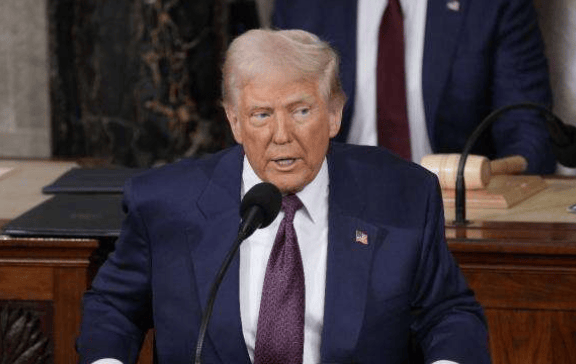
王文涛召开部分在美中资企业圆桌会
券商中国· 2025-09-24 15:13
Core Viewpoint - The meeting held by Wang Wentao, Minister of Commerce, in New York emphasized the importance of maintaining and expanding practical cooperation between Chinese enterprises in the U.S. and their American counterparts, amidst challenges posed by unilateralism and protectionism [1] Group 1: Meeting Overview - The roundtable included representatives from over ten Chinese enterprises in the U.S. across various sectors such as finance, logistics, cross-border e-commerce, petrochemicals, telecommunications, rail transit, auto parts, new energy, and pharmaceuticals [1] - Wang Wentao highlighted the strategic guidance from the leaders of both countries, which has clarified the principles and direction for the development of Sino-U.S. economic and trade relations [1] Group 2: Challenges and Recommendations - The current global trade landscape is facing severe impacts from unilateralism and protectionism, necessitating that enterprises adapt to the situation and focus on diversified layouts and compliant operations [1] - Companies are encouraged to seek certainty amid uncertainty, collaborate closely, and oppose internal competition and external pressures [1] Group 3: Government Support - The Ministry of Commerce is committed to stabilizing Sino-U.S. economic and trade cooperation and safeguarding the legitimate rights and interests of Chinese enterprises [1] - Efforts will be made to create a favorable environment for mutual cooperation between enterprises from both countries [1]
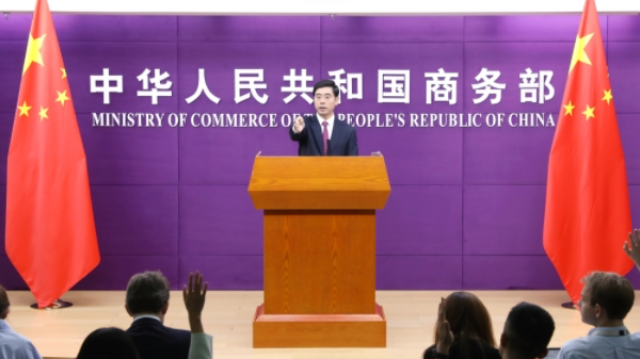
“坚定维护中国企业正当权益” 商务部在纽约召开部分在美中资企业圆桌会
Di Yi Cai Jing· 2025-09-24 15:09
Group 1 - The Ministry of Commerce of China held a roundtable meeting in New York with Chinese enterprises in the U.S., discussing business conditions and cooperation proposals in various sectors including finance, logistics, and new energy [1] - Wang Wentao emphasized the importance of the strategic guidance from the leaders of both countries for the development of Sino-U.S. economic and trade relations, highlighting previous agreements that have helped stabilize these relations [1] - The meeting addressed the challenges posed by unilateralism and protectionism in the global trade landscape, urging companies to adapt and seek certainty amid uncertainties [1] Group 2 - Recent talks between China and the U.S. in Madrid focused on economic issues, including the TikTok situation, with both sides reaching a basic framework consensus on cooperation to resolve these issues and reduce investment barriers [3][4] - The Chinese government reiterated its stance against politicizing economic and technological issues, emphasizing the need for a fair business environment for Chinese companies operating in the U.S. [3][4] - The discussions included a commitment to provide an open, fair, and non-discriminatory business environment for Chinese enterprises, which is crucial for the stability and sustainability of Sino-U.S. economic relations [4]
“坚定维护中国企业正当权益”,商务部在纽约召开部分在美中资企业圆桌会
Di Yi Cai Jing· 2025-09-24 15:03
Group 1 - The Chinese Ministry of Commerce emphasizes the need for an open, fair, just, and non-discriminatory business environment for Chinese companies, including TikTok, to operate in the U.S. [1][4] - Wang Wentao, the Minister of Commerce, highlighted the importance of strategic guidance from the leaders of both countries for the development of Sino-U.S. economic and trade relations, noting that previous negotiations have led to significant consensus [1][4] - The Ministry of Commerce is committed to stabilizing Sino-U.S. economic cooperation and protecting the legitimate rights and interests of Chinese enterprises in the U.S. [1][4] Group 2 - Recent talks between China and the U.S. in Madrid focused on resolving issues related to TikTok and reducing investment barriers, resulting in a basic framework consensus [3][4] - The Chinese government opposes the politicization of technology and economic issues and insists on maintaining principles and fairness in negotiations regarding TikTok [3][4] - The Chinese government supports enterprises in conducting equal commercial negotiations based on market principles and will approve matters related to TikTok's technology exports and intellectual property rights [3][4]
商务部:高度重视中资企业在美发展 将努力稳定中美经贸合作
智通财经网· 2025-09-24 14:08
王文涛指出,商务部高度重视中资企业在美发展,将按照中央决策部署,努力稳定中美经贸合作,坚定 维护中国企业正当权益,为两国企业互利合作营造良好环境。 本文编选自:商务部官网;智通财经编辑:陈筱亦。 智通财经APP获悉,据商务部官网发布,9月23日,商务部部长王文涛在美国纽约召开部分在美中资企 业圆桌会。金融、物流、跨境电商、石化、电信、轨道交通、汽车零部件、新能源、医药等领域的十多 家在美中资企业及美国中国总商会负责人参加会议,介绍在美业务情况,并就维护企业利益、拓展务实 合作等提出具体诉求和建议。 王文涛表示,两国元首战略引领为中美经贸关系发展指明了原则和方向,前期双方经过多轮经贸磋商达 成了一系列重要共识成果,有力推动两国经贸关系回稳。在美中资企业克服困难,取得发展成绩,殊为 不易。当前全球贸易格局和规则正遭受单边主义、保护主义的严重冲击。希望企业把握形势,积极应 对,重视多元布局和合规经营,在不确定性中寻求确定性,既要抱团出海,也要抱团取暖,通力协作, 反对内卷外化。 ...
(经济观察)以行动捍卫多边贸易 中国作出重要承诺
Zhong Guo Xin Wen Wang· 2025-09-24 10:13
(经济观察)以行动捍卫多边贸易 中国作出重要承诺 中新社北京9月24日电 (记者 尹倩芸)当地时间9月23日,中国国务院总理李强在纽约出席第80届联合国 大会相关活动时宣布,中国作为负责任的发展中大国,在世贸组织当前和未来谈判中将不寻求新的特殊 和差别待遇。 此间学者认为,这一郑重承诺不仅是中国坚定支持多边主义的实质性举措,也是对维护以世界贸易组织 为核心的多边贸易体制的重要贡献。 特殊和差别待遇反映在世贸组织各项协定之中,是发展中成员的重要制度性权利,也是多边贸易体制的 重要基础。自2001年以发展中成员身份加入世贸组织以来,中国在合理行使该权利的同时,始终积极承 担与自身发展水平相适应的义务。 中国商务部国际贸易谈判代表兼副部长李成钢提到,中方在享受特殊和差别待遇的同时,积极参与多边 贸易谈判,结合自身发展水平和能力,自主务实处理具体议题谈判中涉及的特殊和差别待遇问题,为达 成多项世贸组织谈判成果、促进全球贸易更自由更便利作出重要贡献。 从对所有建交的最不发达国家100%税目产品实施零关税,到对53个非洲建交国实施100%税目产品零关 税举措,对外经济贸易大学国际经贸学院教授崔凡称,作为最大的发展中国家, ...
魏建国:全球治理“大厦”年久失修,中国主张“修缮”美国却欲推翻
Feng Huang Wang Cai Jing· 2025-09-24 06:29
Group 1 - The forum "Phoenix Bay Area Financial Forum 2025" was held in Guangzhou, focusing on the theme "New Pattern, New Path" to explore development opportunities and challenges in the changing global landscape [1] - Wei Jianguo, former Vice Minister of Commerce, emphasized the need to repair and enhance the existing global governance system, which has been in place since World War II, rather than completely overturning it [3] - Wei highlighted the contrasting approaches of China and the United States towards international cooperation, with China advocating for mutual respect and win-win cooperation, while the U.S. adopts unilateralism and prioritizes its own interests [3] Group 2 - The upcoming Canton Fair is expected to attract more countries and enterprises, showcasing China's market openness and appeal, particularly benefiting small and medium-sized enterprises [4] - Wei noted that the Canton Fair has served as a vital platform for international trade and cooperation, reflecting China's commitment to mutual benefit and win-win principles [4]
