
经济胁迫

Search documents
英研究所刊文:反经济胁迫,英国不能单打独斗
Huan Qiu Shi Bao· 2026-02-02 22:40
Group 1 - The article highlights the increasing trend of economic coercion by major powers, particularly the United States, which is using tariffs and sanctions as geopolitical tools, indicating a shift away from traditional trade rules [1][2] - The U.S. plans to impose a 10% tariff on goods from eight countries, including the UK, starting February 1, with the rate increasing to 25% by June 1, contingent on negotiations regarding the purchase of Greenland [2] - The UK's current strategies are deemed insufficient to counter the U.S. tariff threats, particularly in light of the economic pressures stemming from Brexit [2] Group 2 - The UK is encouraged to establish a robust anti-coercion framework, taking inspiration from the EU's Anti-Coercion Instrument (ACI), which outlines various countermeasures against economic coercion beyond traditional trade responses [3] - The UK has implemented the National Security and Investment Act to block foreign investments in 17 strategic sectors, but there are gaps in the current policy that need addressing to prevent certain investments from evading scrutiny [4] - Strengthening cooperation with the EU is essential for the UK to diversify and manage critical supply chains, especially as many current initiatives are led by the G7 or the U.S. [5] Group 3 - The article concludes that while a nominal agreement on Greenland may be reached, the underlying threat of economic coercion remains a significant risk, necessitating urgent action from the UK to strengthen relationships with other nations, particularly EU countries [6]
铝:震荡偏强,氧化铝:逢高沽空,铸造铝合金:跟随电解铝
Guo Tai Jun An Qi Huo· 2026-01-29 03:02
Report Industry Investment Rating - Aluminum: Oscillating with a bullish bias [1] - Alumina: Sell on rallies [1] - Cast aluminum alloy: Follow the trend of electrolytic aluminum [1] Core Viewpoints - The report provides a comprehensive update on the fundamentals of aluminum, alumina, and cast aluminum alloy, including price, volume, inventory, and cost data [1]. - It also presents the trend strength of aluminum, alumina, and aluminum alloy, with aluminum and aluminum alloy having a trend strength of 1, and alumina having a trend strength of 0 [3]. Summary by Related Catalogs Futures Market - **Aluminum**: The closing price of the Shanghai aluminum main contract was 25,640, up 1,335 from the previous day. The LME aluminum 3M closing price was 3,264, up 51. The trading volume of the Shanghai aluminum main contract was 937,111, and the open interest was 362,833 [1]. - **Alumina**: The closing price of the Shanghai alumina main contract was 2,811, up 77. The trading volume was 873,641, and the open interest was 466,716 [1]. - **Aluminum Alloy**: The closing price of the aluminum alloy main contract was 23,785, up 730. The trading volume was 23,390, and the open interest was 8,845 [1]. Spot Market - **Aluminum**: The domestic aluminum ingot social inventory was 796,000 tons, unchanged from the previous day. The LME aluminum ingot inventory was 500,000 tons, down 2,300 tons [1]. - **Alumina**: The domestic average alumina price was 2,648, down 1. The Australian alumina FOB price was $308 per ton, unchanged [1]. - **Aluminum Alloy**: The price of Baotai ADC12 was 23,700, up 200. The three - place inventory totaled 41,545, down 155 [1]. Other Information - **Comprehensive News**: Ray Dalio warns that the US is on the verge of the "collapse of the existing order" in the "debt big cycle". The tension between the US and Canada has escalated, which may pose challenges to the US - Mexico - Canada trade agreement review negotiations [3]. - **Trend Strength**: The trend strength of aluminum and aluminum alloy is 1, and the trend strength of alumina is 0 [3].
准备收网?特朗普通告全世界:税率加到200%!首个牺牲国已浮现
Sou Hu Cai Jing· 2026-01-23 08:26
Core Viewpoint - The current international economic situation is complex and filled with uncertainties, as highlighted during the recent Davos Forum, where calls for free trade and the rejection of unilateralism were emphasized [1] Group 1: Economic Coercion and Its Impacts - Economic coercion has emerged as a tactic for achieving political objectives, which poses significant risks to global supply chains and economic stability [3] - The U.S. has imposed a 200% tariff on French wine, directly targeting France's political stance and demonstrating the intertwining of economic and political actions [3][4] - France's wine and champagne exports, valued at €4.5 billion annually, are crucial to its economy, and the sudden tariffs will severely impact related industries and employment [4] Group 2: U.S.-France Relations and European Unity - The U.S. is using economic measures to send political warnings to Europe, with tariffs ranging from 10% to 25% being applied to other European nations as well [5] - French President Macron has condemned U.S. policies, warning of potential impacts on NATO and the Western alliance, while considering alliances with other nations to counteract U.S. actions [5] - Internal divisions within Europe, exemplified by Germany's quick withdrawal from Greenland, weaken collective support for France, which may benefit U.S. interests [4][9] Group 3: Broader Economic Consequences - The escalating U.S.-France tensions have led to significant market reactions, including a 2.1% drop in the S&P 500 and increased gold prices, indicating rising investor anxiety [7] - The burden of U.S. tariffs primarily falls on American consumers and importers, leading to domestic dissatisfaction and complicating the economic landscape [7] - The initial conflict stemmed from Trump's proposal to purchase Greenland, which, after failing, triggered a series of economic retaliations, highlighting the interconnectedness of political and economic strategies [9][11] Group 4: Future Outlook - The ongoing tensions between Europe and the U.S. may evolve into a broader trade conflict, further destabilizing global financial markets [11] - The situation underscores the need for cooperation and trust among nations to prevent greater economic damage in an increasingly complex international landscape [11]

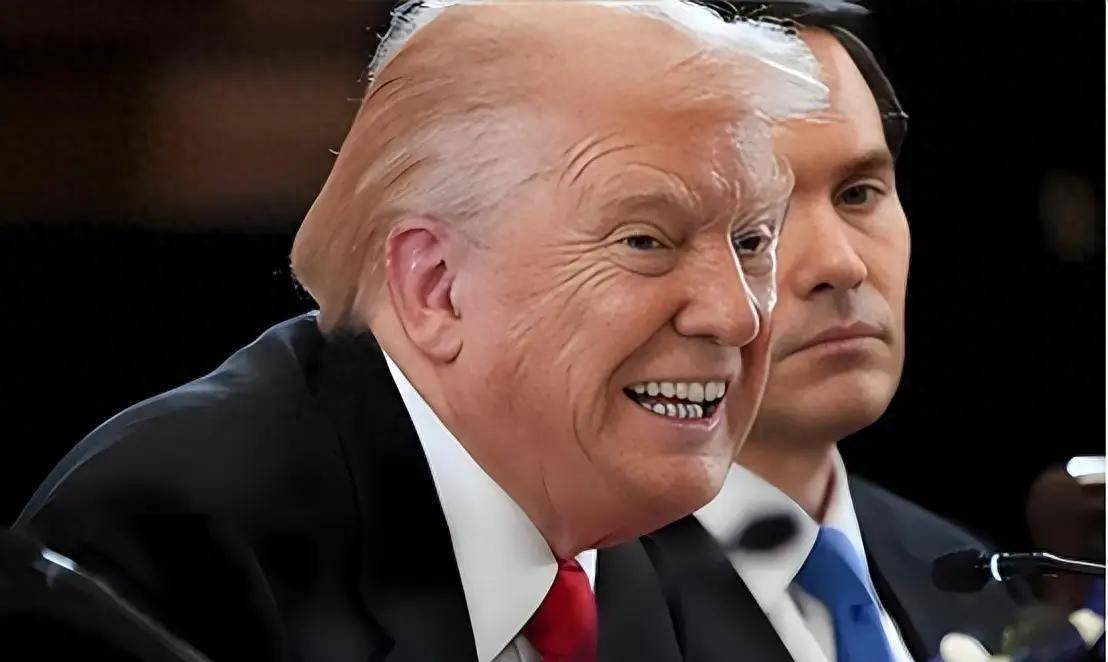
加拿大总理发言时“暗指”特朗普“搞经济胁迫”
Xin Jing Bao· 2026-01-21 10:17
Core Viewpoint - Canadian Prime Minister Carney stated that the old world order "will not return," reaffirming Canada's support for Greenland, Denmark, and NATO [1] Group 1: Political Context - Carney expressed concerns that powerful nations are using economic coercion to achieve their objectives [1] - Although he did not directly name Trump, some of his remarks appeared to target the former president [1] Group 2: Geopolitical Implications - Greenland, an autonomous territory of Denmark, currently hosts a U.S. military base [1] - Trump has repeatedly claimed he wants to annex Greenland since taking office in 2025, and has often referred to Canada as the 51st state of the U.S. [1]
【环球财经】德国工商界批评美国再次威胁对欧洲国家加征关税
Xin Hua She· 2026-01-20 06:48
Core Viewpoint - The article highlights the criticism from major German industry associations regarding the U.S. government's threat to impose tariffs on European countries, which they believe will exacerbate tensions in transatlantic trade relations and harm both European industries and the U.S. economy [1][2]. Group 1: Industry Reactions - German industry associations are calling for a strong response from the EU, including the possibility of retaliatory tariffs to counter U.S. pressure [1]. - The President of the German Industrial Association, Peter Leibinger, stated that additional tariffs would harm both European businesses and the U.S. economy, emphasizing the need for international cooperation [1]. - The General Manager of the German Chamber of Commerce, Helena Melnikova, expressed that the U.S. tariffs cast a shadow over the normalization of U.S.-EU trade relations and stressed the importance of global cooperation rather than new trade barriers [2]. Group 2: Specific Industry Concerns - The German Mechanical Engineering Industry Association described the U.S. actions as "extortion," warning that concessions from the EU would only encourage further unreasonable demands from the U.S. [2]. - The impact of U.S. tariffs is particularly severe on the European machinery sector, which faces tariffs as high as 50% on many products, significantly more than other industries [2]. - The CEO of the German Electronics and Digital Industry Association, Wolfgang Weber, criticized the U.S. for using tariffs as a means to achieve its goals, stating that Europe can no longer tolerate such behavior [2].
谈判未果,27国反制美国失败,中方掷地有声,对特朗普提了个要求
Sou Hu Cai Jing· 2026-01-20 05:08
Group 1 - The core issue revolves around the EU's response to President Trump's threat of imposing tariffs on eight European countries, which has led to a lack of consensus among EU member states on countermeasures [1][3] - The proposed countermeasures include a list of tariffs amounting to €93 billion, but these remain in the planning stage and are not expected to be implemented until after February 6 [1][5] - The meeting highlighted a divide between hawkish members advocating for strong retaliation and doves favoring dialogue, resulting in a situation where the EU's verbal condemnation of the U.S. did not translate into decisive action [3][5] Group 2 - China's response to the situation emphasized adherence to international law and norms, criticizing the U.S. for using economic pressure as a geopolitical tool [5][7] - The ongoing negotiations reflect a complex interplay of geopolitical interests, with the U.S. focusing on Greenland's strategic value while Europe remains hesitant to confront the U.S. due to its reliance on American security [5][7] - The incident illustrates the fragility of ally relationships when economic measures are employed as geopolitical weapons, raising concerns about future negotiations on various contentious issues [7]
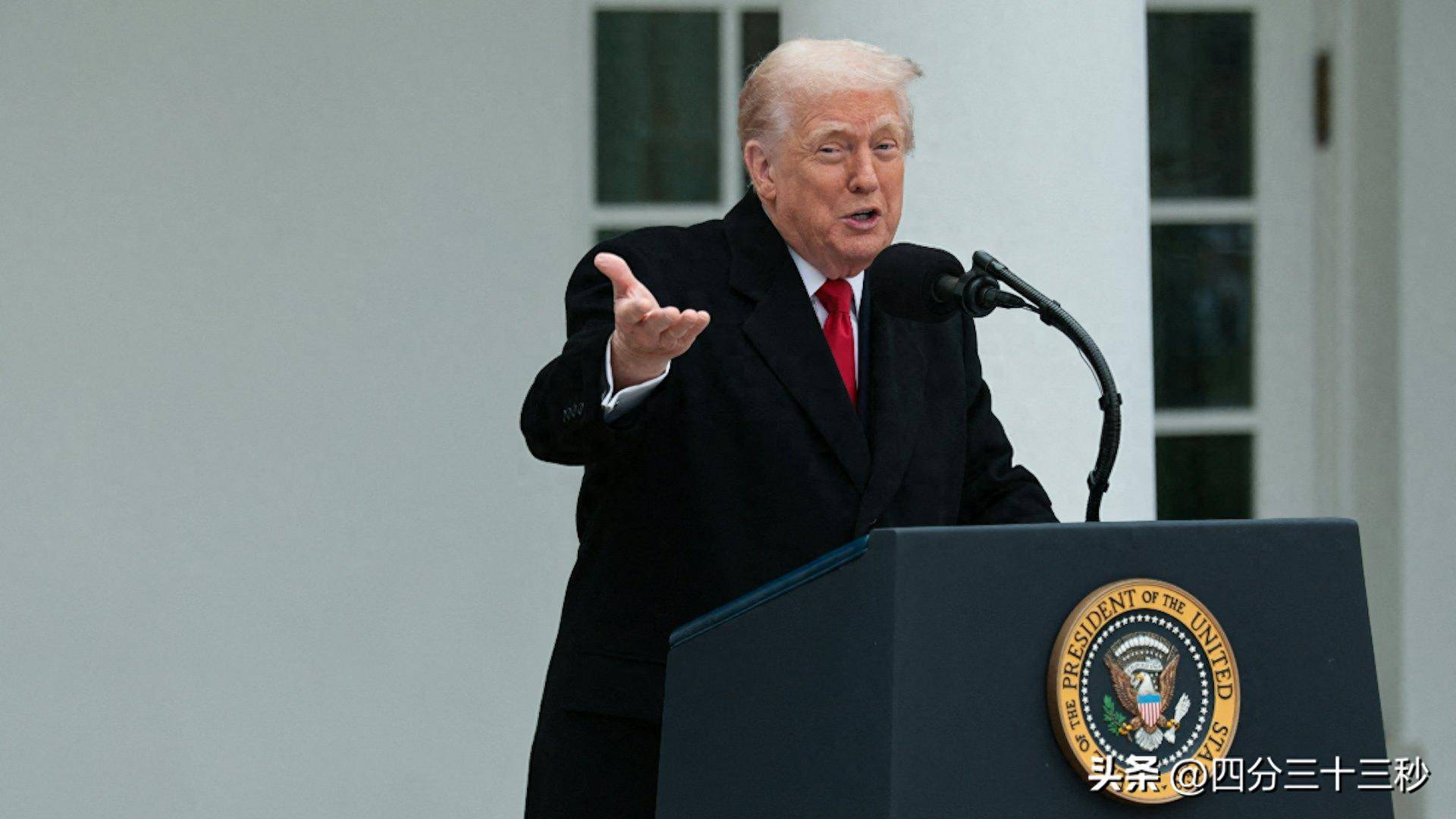
格陵兰“局势推演”:不“牺牲”丹麦主权的交易方案?可能性越来越小
Hua Er Jie Jian Wen· 2026-01-20 01:54
Core Viewpoint - The likelihood of reaching an agreement regarding Greenland that satisfies Trump's strategic goals while respecting Danish and Greenlandic sovereignty is rapidly decreasing [1] Group 1: Geopolitical Dynamics - The Greenland issue is evolving from a diplomatic negotiation to a high-intensity geopolitical confrontation centered on tariffs, security, and institutional boundaries [1] - Trump's potential push for a significant shift in the Greenland situation before the midterm elections in November indicates that the coming months will be a critical window [1] Group 2: Economic Pressure and Negotiation Changes - The negotiation logic has shifted from diplomatic pressure to economic coercion, with tariffs being explicitly used as a core tool to alter European decision-making incentives [2] - The imposition of tariffs on goods from NATO member countries that provide military or security resources to Greenland signifies a broader strategy to reassess the costs of European security cooperation [2] Group 3: Sovereignty and Compromise Challenges - The concept of a "transaction without sacrificing sovereignty" is increasingly seen as structurally failing, moving away from being a baseline scenario to a diminishing realistic option [3] Group 4: Historical Precedents and Concerns - Historical examples of U.S. territorial expansion illustrate a consistent pattern of economic pressure leading to political intervention, raising concerns about similar tactics being employed in the current context [4][6] Group 5: U.S. Military and Strategic Objectives - Trump's objectives have shifted from "participation" to "control," seeking not just greater usage rights but a long-term control that undermines European influence and excludes Russia [5] - The negotiation has been framed in a binary manner, with the term "complete purchase" negating any middle ground, making compromises appear insufficient [5] Group 6: European Response and Options - The EU has publicly stated its commitment to maintaining Danish and Greenlandic sovereignty, but there is a significant gap between statements and actual execution [8] - While the EU theoretically has various tools to respond if an acceptable agreement is not reached, the real challenge lies in its unity, political will, and capacity to withstand a full economic confrontation with the U.S. [8] Group 7: Institutional Implications - If the U.S. were to take military action in Greenland, Europe would likely be unable to respond with equivalent military force, leading to a reassessment of its security dependence on the U.S. and the foundational structures of NATO [9] - The essence of the Greenland issue has shifted from a negotiation of tactics to a pressure test concerning sovereignty, control, and institutional boundaries, indicating that the geopolitical risks are becoming a structural variable that needs to be priced in [9]
【摩根看世界】劫持安世:华盛顿主导了一场“一箭双雕”的阳谋
Guan Cha Zhe Wang· 2025-11-04 06:50
Core Points - The ongoing conflict between ASML China and the Dutch government highlights a significant shift in the geopolitical landscape regarding technology and trust [1][10] - The Dutch government invoked a 72-year-old law to take control of ASML, citing national security concerns, which has raised alarms about the predictability of Western markets [1][5][10] Company Overview - ASML was founded in 2017 and is headquartered in Nijmegen, Netherlands, producing semiconductors for various sectors including automotive and consumer electronics, employing over 14,000 people globally [3] - The company was acquired by China's Wingtech Technology for approximately $3.6 billion in 2018, making it one of the few large chip manufacturers in Europe under Chinese control [3] Legal and Regulatory Context - The Dutch government applied the "Goods Availability Act" to ASML, a law originally designed for wartime resource management, indicating a redefinition of what constitutes critical infrastructure [5][6] - This law allows the government to intervene in private companies when the availability of key products is at risk, now extending to the semiconductor industry [5][6] Geopolitical Implications - The actions taken by the Dutch government are closely coordinated with Washington, indicating a broader strategy to control advanced technology and its production locations [6][7] - The political environment has shifted from efficiency to security, impacting global manufacturing, particularly in the automotive sector [7][9] Economic Consequences - China's response to the Dutch decision includes restrictions on low-end and automotive-grade chip exports to Europe, affecting ASML's operations and the broader supply chain [9][10] - The situation has led to significant operational challenges for ASML, with its factories in China unable to ship products and European management under government oversight [9][10] Broader Trends - The ASML case illustrates a structural transformation in global trade, where the free flow of capital and technology is increasingly influenced by political considerations [10][11] - The incident signifies a new threshold in China-Europe relations, with both sides facing heightened anxieties over technological dependencies and market access [10][11]


德国总理默茨:断供安世芯片是不可接受的!
是说芯语· 2025-10-26 00:41
Group 1 - The core message from the article highlights Germany's precarious situation regarding its automotive industry, which is heavily reliant on ASML's semiconductor supply, and the tension with China over chip supply issues [1][3][5] - Germany's automotive sector is facing a "perfect storm" due to the potential disruption in semiconductor supply, with approximately one-third of companies in the industry exclusively dependent on ASML for their chips [5][7] - The German government has expressed its concerns to China regarding the blockade of ASML semiconductor exports, emphasizing the deep reliance on Chinese components [7] Group 2 - The article discusses the broader European context, where European actions against Chinese companies are framed as expressions of "legal sovereignty," while China's retaliatory measures are labeled as "economic coercion" [5] - The narrative suggests that European internal actions, even if they harm foreign enterprises, are categorized as "internal affairs," whereas China's defensive actions are viewed as "external challenges" [5] - The urgency in Germany's response is underscored by the potential for significant production halts in the automotive sector, with experts indicating that finding alternative suppliers could take several months to quarters [3][5]
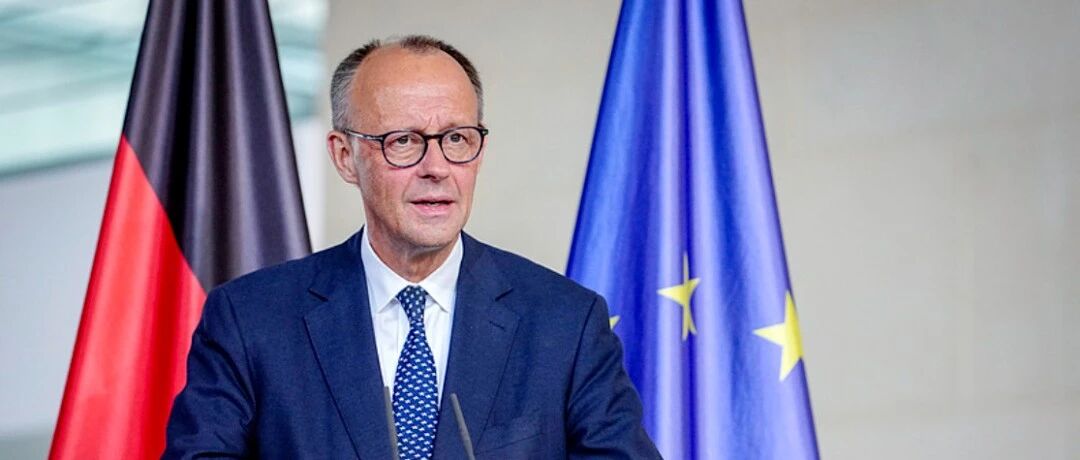
中国一招出手,欧洲慌了!欧盟紧急开会:已准备核武级制裁
Sou Hu Cai Jing· 2025-10-25 18:10
Core Viewpoint - China's recent regulation on rare earth exports has triggered significant concern in Europe, highlighting the continent's dependency on Chinese rare earth elements for various critical technologies and industries [1][3]. Group 1: European Concerns - Rare earth elements are essential for the production of electric vehicles, wind turbines, and advanced military technology, making them vital for Europe's future [3]. - China processes over 80% of the world's rare earths, meaning that even if raw materials are sourced from other countries, they must be refined in China [3]. - The new export regulation requires any product containing Chinese rare earth elements to obtain a permit, raising fears in Europe about potential production halts [1][3]. Group 2: EU's Response - French President Macron labeled China's actions as "economic coercion" and proposed activating the EU's "Anti-Coercion Instrument," which could impose tariffs on Chinese goods and restrict Chinese companies from participating in EU government contracts [5]. - Despite the threats, the Anti-Coercion Instrument has never been used since its introduction in 2023, indicating the potential for mutual harm in such actions [5][7]. Group 3: China's Position - China's Ministry of Commerce stated that the new regulations are part of a lawful export control system aimed at enhancing global supply chain security, not an attempt to target any specific country [9]. - China emphasized that it would expedite approval for export applications from European companies to minimize disruption to normal business operations [9]. Group 4: Future Considerations for Europe - The underlying issue for Europe is its heavy reliance on China for rare earth processing, despite claims of seeking supply chain diversification [9]. - Europe lacks its own rare earth processing facilities and recycling systems, which has led to vulnerability when faced with China's regulatory changes [9]. - Instead of focusing on sanctions against China, Europe should consider developing its own mining and processing capabilities, as well as improving recycling efforts for rare earth materials [9][11].
