气候变化

Search documents
【特稿】研究:南极地区海底甲烷渗出速度惊人
Xin Hua She· 2025-10-11 08:40
Core Insights - A recent study published in the journal Nature Communications reveals that methane is leaking from the seabed in Antarctica at an alarming rate, with over 40 new methane seep points discovered in the Ross Sea region [1][2] - The research team, comprising members from various institutions, utilized acoustic sensors and remote vehicles to sample depths ranging from 5 to 240 meters, indicating a fundamental change in methane release mechanisms in the area [1] Group 1: Methane Emissions - Methane, a potent greenhouse gas, has been found to be released from the seabed, potentially exacerbating global warming trends, as it absorbs heat at approximately 80 times the rate of carbon dioxide in the first 20 years after entering the atmosphere [2] - The study highlights that the previously rare occurrence of methane seepage in Antarctica is now becoming more common, raising concerns about its implications for climate change models [2] Group 2: Research Implications - Researchers plan to return to Antarctica for further investigation to assess the relationship between the increased methane seepage and climate change, as well as its impact on marine life [2] - The study also notes a significant increase in atmospheric methane levels over the past decade, with a persistent gap between measured increases and known methane sources, indicating an unknown factor contributing to this rise [2]
上海今夏已持续152天居历史第四,未来三天还可能刷新另一项记录
Xin Lang Cai Jing· 2025-10-10 10:56
今日(10月10日),上海各区都重回30℃以上,市区徐家汇站最高气温达32.2℃,伴着蓝天和烈阳,体 感炎热,与秋意浓浓的北方地区形成鲜明对比。根据徐家汇站数据统计,上海常年平均夏季长度约为 134天,史上最长夏季为2021年的162天。今年夏季已达152天,跻身历史第四高位。根据目前预报来 看,进入历史前三位毫无悬念。通常进入十月中旬,徐家汇站日最高气温很少超过30℃。1872年建站以 来,仅有11天达到或超过30℃,其中1985年10月12日极端最高气温曾达31.7℃。在副热带高压控制下, 上海本周六到下周一最高气温可达33-34℃,或连续刷新10月中旬同期气温最高纪录。 ...
中国贸促会会长任鸿斌会见国际商会主席菲利普·瓦兰
Zheng Quan Shi Bao Wang· 2025-10-10 07:10
Core Points - The meeting between the President of China Council for the Promotion of International Trade, Ren Hongbin, and the President of the International Chamber of Commerce, Philippe Varan, focused on maintaining the multilateral trade system, promoting trade digitization, and addressing climate change issues [1] Group 1 - The discussion emphasized the importance of safeguarding the multilateral trade system [1] - The parties explored strategies for enhancing trade digitization [1] - Climate change was identified as a critical area for cooperation [1]
天气变化如何重塑小麦生产格局?
Qi Huo Ri Bao· 2025-10-09 07:08
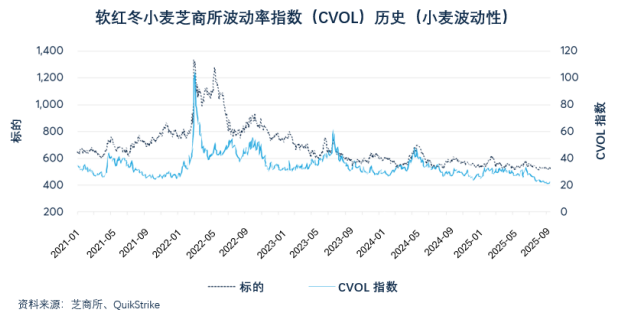
Core Insights - The global wheat production is projected to reach a record high of 808.6 million tons in the 2025/2026 crop year, with significant regional disparities in production outcomes [1] - Wheat consumption is also expected to hit a historical peak, particularly driven by increased imports from China and other Asian countries due to weather impacts on local production [1] Production Outlook - The USDA forecasts that major wheat-producing countries like China, India, the EU, Russia, and Argentina will achieve high yields, while others may face declines due to drought [1] - The area suitable for wheat cultivation is expected to expand significantly due to rising temperatures, with Canada potentially adding 1.85 million square kilometers of arable land [4] Price Volatility - Wheat prices have experienced significant fluctuations, particularly influenced by geopolitical events such as the Russia-Ukraine conflict, which saw prices peak at $1,209 per ton in early 2022 [2] - Current market conditions indicate that despite a general downward trend, prices remain volatile due to ongoing weather uncertainties affecting production [2] Climate Impact - Rising temperatures may enhance wheat yields in some regions but could also negatively impact crop quality and growth cycles if temperatures exceed optimal ranges [6] - Extreme weather events have already disrupted production in key areas, such as Argentina and Russia, highlighting the vulnerability of wheat supply chains [6] Technological Adaptation - Agricultural technology plays a crucial role in developing climate-resilient wheat varieties, with gene editing and transgenic crops potentially transforming supply dynamics [7] - Countries are adopting various measures to enhance food security, including China's goal to increase grain production by 50 million tons by 2030 [7] Economic Pressures - Short-term production costs are constraining wheat output in some regions, leading to reduced profitability for farmers, particularly in Russia and the U.S. [8] - The U.S. wheat prices have fallen to a five-year low, prompting some farmers to switch to more profitable crops like soybeans and corn [8] Future Considerations - The interplay of rising temperatures and increased CO2 levels may expand suitable wheat-growing areas and enhance yields, but farmers must adapt through resilient practices [9] - The ongoing threat of extreme weather events suggests that wheat prices will likely continue to experience volatility in the future [9]

欧盟监测机构:全球经历有记录以来第三热九月
Zhong Guo Xin Wen Wang· 2025-10-09 07:01
欧盟监测机构:全球经历有记录以来第三热九月 中新网北京10月9日电 欧盟气候监测机构哥白尼气候变化服务局9日称,2025年9月全球气温为有记录以 来同月的第三高,仅比同月最高温低0.27摄氏度。 哥白尼气候变化服务局9日发布的报告显示,2025年9月全球平均地表气温为16.11摄氏度,比2023年和 2024年同月全球平均地表气温分别低0.27摄氏度和0.07摄氏度,但仍较工业化前(1850年至1900年)平均 水平高出1.47摄氏度。 本文为转载内容,授权事宜请联系原著作权人 中新经纬版权所有,未经书面授权,任何单位及个人不得转载、摘编或以其它方式使用。 关注中新经纬微信公众号(微信搜索"中新经纬"或"jwview"),看更多精彩财经资讯。 哥白尼气候变化服务局上个月发布的监测报告显示,2025年8月全球平均地表气温达16.6摄氏度,较工 业化前(1850年至1900年)平均水平高出1.29摄氏度,也达到有记录以来同月的第三高。(完) 来源:中国新闻网 编辑:徐世明 广告等商务合作,请点击这里 报告显示,2025年9月全球海洋表面平均温度为20.72摄氏度,北太平洋大部分海域的海表温度显著高于 同期平均水平 ...
气温偏高助推韩国食物中毒病例激增
Xin Hua She· 2025-10-06 08:33
Group 1 - The number of food poisoning cases in South Korea from January to August this year has exceeded the total for the entire previous year, with 7,884 cases reported, an increase of 260 cases compared to last year [1] - Norovirus is the leading cause of food poisoning cases, accounting for nearly 30% of the total, followed by Salmonella at approximately 10% [1] Group 2 - Educational institutions with collective dining facilities, such as daycare centers, kindergartens, and primary and secondary schools, have seen a significant increase in food poisoning cases, with 810 cases reported in daycare centers, over 17 times last year's total [2] - The report indicates that for every 1 degree Celsius increase in temperature, Salmonella infection cases increase by about 47% [2] - Experts attribute the surge in food poisoning cases to climate change and the resulting heatwaves, urging the government to implement comprehensive food safety measures [2]

仅次于前两年 今年南极海冰范围冬季峰值为第三低
Xin Hua Wang· 2025-10-01 08:39
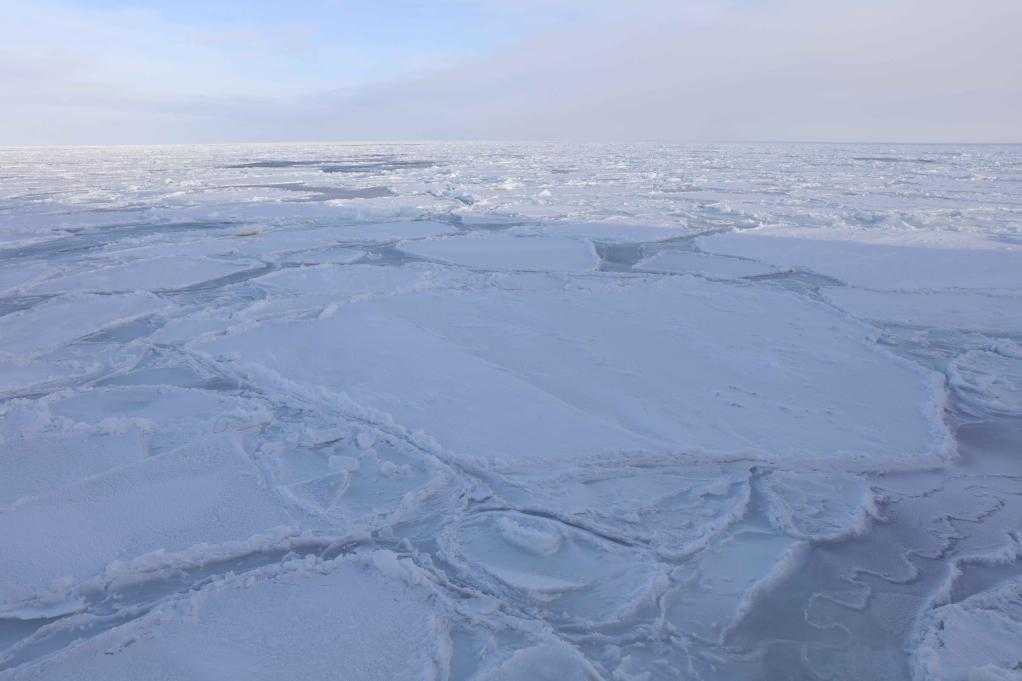
Core Insights - The Antarctic sea ice extent reached a winter peak of 17.81 million square kilometers on September 17, 2023, which is significantly lower than the normal levels observed in previous years [2] - This year's peak is only slightly above the levels recorded in 2023 and 2024, marking it as the third lowest since satellite observations began [1][2] - The trend of declining Antarctic sea ice extent has been noted since August 2016, with most years showing a downward trajectory, potentially linked to warming ocean surface temperatures [2] Summary by Sections - **Current Sea Ice Extent**: The Antarctic sea ice extent peaked at 17.81 million square kilometers, which is far below the normal levels [2] - **Historical Context**: The lowest recorded winter peak was in 2023 at 16.96 million square kilometers, indicating a concerning trend in sea ice reduction [2] - **Climate Change Impact**: The reduction in sea ice is believed to diminish Antarctica's ability to reflect sunlight, potentially exacerbating global warming [2]
【微特稿】仅次于前两年 今年南极海冰范围冬季峰值为第三低
Xin Hua She· 2025-10-01 06:41
Core Insights - The Antarctic sea ice extent reached its winter peak on September 17 at 17.81 million square kilometers, which is significantly lower than the normal levels and only slightly above the levels recorded in 2023 and 2024, marking the third lowest since satellite observations began [1][1][1] - The previous record low for winter sea ice extent was in 2023, at 16.96 million square kilometers, indicating a concerning trend in Antarctic sea ice reduction [1][1][1] - The long-term stability of Antarctic sea ice has shifted since August 2016, with most years showing a declining trend, potentially linked to warming ocean surface temperatures [1][1][1] Industry Implications - The reduction in Antarctic sea ice reflects broader climate change impacts, which may affect global weather patterns and marine ecosystems [1][1][1] - The diminishing sea ice reduces Antarctica's ability to reflect sunlight, potentially exacerbating global warming trends [1][1][1] - Ongoing monitoring and research are essential to understand the implications of these changes for climate policy and environmental management [1][1][1]
第80届联大一般性辩论闭幕
Zhong Guo Xin Wen Wang· 2025-09-30 06:24
Group 1 - The 80th United Nations General Assembly (UNGA) concluded with representatives from 189 member states discussing major issues such as peace and security, sustainable development, artificial intelligence, climate change, and UN reform [1][2] - The theme of this year's general debate was "Together for Peace, Development, and Human Rights: 80 Years On, Continuing the Journey" [2] - A significant focus was placed on the urgent need for political progress in the Israeli-Palestinian conflict, emphasizing the importance of converting diplomatic breakthroughs into concrete actions to support the two-state solution [2] Group 2 - The assembly featured speeches from notable figures, including Canada's Foreign Minister Anand and North Korea's Deputy Foreign Minister Kim Son-kyung, highlighting the importance of multilateralism and the principles of fairness and sovereignty [1] - The assembly also included high-level meetings on sustainable development goals, a climate summit, and discussions on global governance of artificial intelligence [2] - The UNGA serves as a primary platform for deliberation, oversight, and review among all member states, transitioning into a phase of discussing and reviewing agenda items following the general debate [2]
打工人的续命水,快要喝不起了?
虎嗅APP· 2025-09-29 13:19
Core Viewpoint - The article discusses the impact of climate change on coffee production, highlighting the rising prices of coffee beans and the shift in farming practices in Yunnan, China, where farmers are increasingly growing coffee instead of traditional crops due to higher profitability [2][16]. Group 1: Coffee Price Dynamics - Coffee prices have surged, with the procurement price for fresh coffee fruit in Yunnan increasing from 3-5 yuan per pound to around 11 yuan, nearly tripling within a year [2]. - The price of raw coffee beans has also risen significantly, with some reports indicating prices reaching 80-100 yuan per kilogram, compared to 35-40 yuan in previous years [16]. Group 2: Climate Change Effects - Climate change is causing a reduction in the suitable growing areas for Arabica coffee, which is highly sensitive to temperature and rainfall changes [4][9]. - The production of Arabica coffee is expected to decline as climate conditions become less favorable, with predictions indicating that by 2050, suitable areas for coffee cultivation could decrease by about 50% [21][22]. Group 3: Coffee Production Challenges - The coffee cultivation process is lengthy, taking at least 5 years from seed to fruit-bearing, with optimal production occurring between 10-15 years [6]. - Factors such as excessive rainfall and drought are increasingly affecting coffee maturity and yield, leading to challenges in production [7][9]. Group 4: Pest and Disease Impact - Climate change is exacerbating pest issues, with the coffee borer beetle becoming more prevalent due to rising temperatures, leading to significant economic losses for coffee producers [9][11]. - The increased prevalence of pests and diseases is raising the cost of coffee production, further straining smallholder farmers who already operate on thin margins [19]. Group 5: Consumer Impact - Consumers may face higher prices for coffee as producers and companies pass on the increased costs associated with climate change and production challenges [19]. - Despite rising coffee bean prices, many consumers continue to purchase coffee at lower prices due to the relatively small proportion of coffee bean costs in the overall price of coffee products [16][18]. Group 6: Future of Coffee Production - The coffee industry is exploring the cultivation of more resilient coffee varieties that can withstand climate challenges, such as the Excelsa coffee variety, which is gaining attention for its drought and pest resistance [22][23]. - Companies are beginning to recognize the importance of sustainable practices to mitigate climate risks, with some, like Starbucks, committing to ethical sourcing and sustainable supply chains [24].