
小麦种植

Search documents
600吨种子,6000公顷耕地:喀麦隆小麦复兴计划提速
Shang Wu Bu Wang Zhan· 2026-02-10 16:01
Core Viewpoint - Cameroon is advancing towards becoming a key wheat production area in the Central African Economic and Monetary Community (CEMAC) with a strategic plan to enhance local wheat production and reduce dependency on imports [1][2] Group 1: Wheat Production Strategy - The wheat harvesting initiative was officially launched on January 23, with a target to collect 600 tons of seed after five months of pre-seeding [1] - This strategic reserve will enable the cultivation of 6,000 hectares of land in the next season, marking a significant step towards large-scale production of certified seeds [1] - The initiative aligns with an import substitution policy aimed at avoiding the expenditure of billions on imported products that Cameroon is capable of producing [1] Group 2: Financial Investment and Modernization - A total of 10.3 billion CFA francs (approximately 19 million USD) has been invested in the policy over five years, showing early signs of recovery in the sector [1] - Over the past three years, the agricultural base has produced more than 1,000 tons of seeds, indicating progress in local production capabilities [1] - An investment of 3 billion CFA francs (approximately 5.4 million USD) has been allocated for the modernization of the agricultural base [1] Group 3: Private Sector Involvement - The African Institute of Agricultural Research and Development (IRAD) is calling for private sector participation in building the value chain, with a flagship project to establish a small local processing plant [1] - The processing plant will be equipped with a quality control laboratory aimed at continuously reducing Cameroon’s dependence on imported flour [1] Group 4: Seed Development and Testing - Cameroon has developed approximately 50 varieties of wheat seeds, which are currently being trialed on about 300 hectares of land in Wassand [2] - The goal is to fully control the wheat value chain in the coming years, thereby eliminating the annual expenditure of 250 billion CFA francs (approximately 452 million USD) on imports [2]
多措并举应对寒潮低温天气 各地保障蔬菜生产守护百姓“菜篮子”
Yang Shi Wang· 2026-01-20 02:57
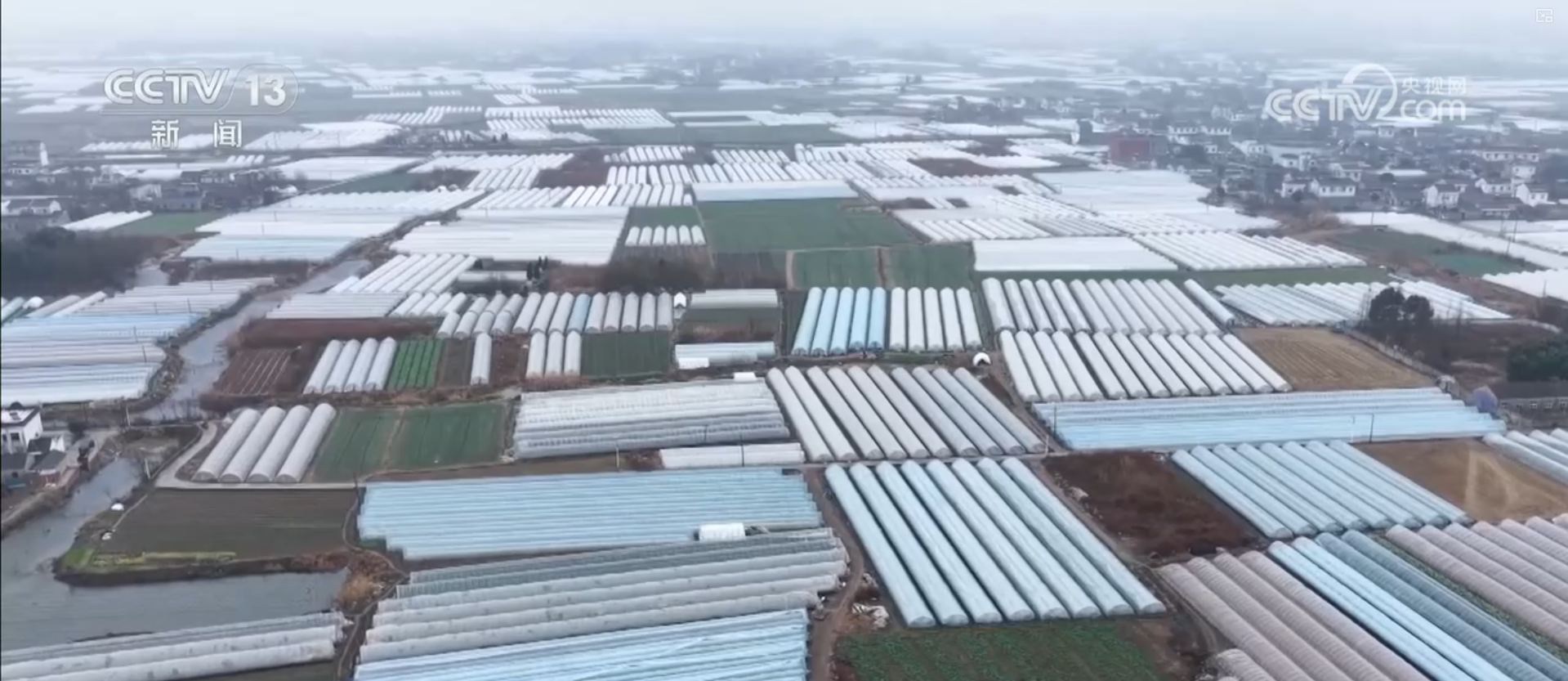
Group 1 - The core message highlights the proactive measures taken by various regions in Anhui and Jiangsu to ensure the supply of vegetables amid a cold wave, including strengthening greenhouses and increasing market stock [1][4][5] - In Anhui's He County, local agricultural departments organized farmers to reinforce greenhouse facilities and provided guidance on winter vegetable production to mitigate the impact of cold weather [4] - In Jiangsu's Nanjing, measures were implemented to ensure sufficient supply of seasonal and durable vegetables, with a reserve of 3,000 tons of various vegetables, primarily durable types, to stabilize quality during extreme weather [6][10] Group 2 - The agricultural sector is actively managing the impact of snow and low temperatures on crops, with experts advising farmers on preventing frost damage to wheat and providing tailored management plans [15][18] - In Heze, agricultural experts are monitoring wheat growth and advising on the application of fertilizers to promote healthy growth despite potential frost risks [15] - The overall assessment indicates that the recent snow and rain are more beneficial than harmful for wheat crops, with specific recommendations for managing different frost damage levels [15][18]

津巴布韦2025年冬季小麦产量创历史新高
Shang Wu Bu Wang Zhan· 2025-11-03 17:03
Core Insights - Zimbabwe's winter wheat production in 2025 reached a record high of 578,059 tons, exceeding the annual demand of 360,000 tons [1] - This achievement confirms the improvement in Zimbabwe's agricultural and food self-sufficiency, making it one of only two countries in Africa, alongside Ethiopia, to be fully self-sufficient in wheat [1] - The increase in production is attributed to expanded irrigation areas, input subsidies, and support for mechanization projects [1] Production and Area Expansion - The area planted with wheat in 2025 reached 122,566 hectares, representing a 511% increase compared to 2019 [1] - The government is exploring regional export opportunities while providing wheat to flour mills to stabilize the market, with only a small amount of high-protein wheat imported to meet specific needs [1] Regional Significance - The Food and Agriculture Organization of the United Nations highlighted that this achievement is particularly rare in the sub-Saharan African region [1]
天气变化如何重塑小麦生产格局?
Qi Huo Ri Bao· 2025-10-09 07:08
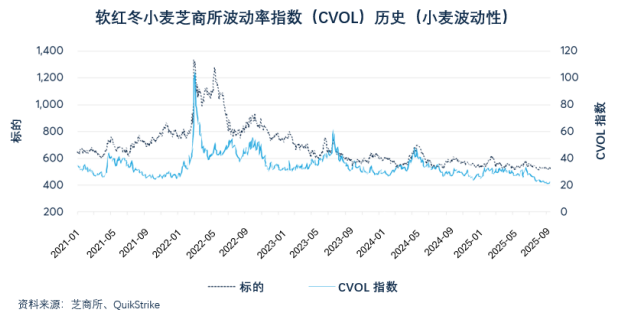
Core Insights - The global wheat production is projected to reach a record high of 808.6 million tons in the 2025/2026 crop year, with significant regional disparities in production outcomes [1] - Wheat consumption is also expected to hit a historical peak, particularly driven by increased imports from China and other Asian countries due to weather impacts on local production [1] Production Outlook - The USDA forecasts that major wheat-producing countries like China, India, the EU, Russia, and Argentina will achieve high yields, while others may face declines due to drought [1] - The area suitable for wheat cultivation is expected to expand significantly due to rising temperatures, with Canada potentially adding 1.85 million square kilometers of arable land [4] Price Volatility - Wheat prices have experienced significant fluctuations, particularly influenced by geopolitical events such as the Russia-Ukraine conflict, which saw prices peak at $1,209 per ton in early 2022 [2] - Current market conditions indicate that despite a general downward trend, prices remain volatile due to ongoing weather uncertainties affecting production [2] Climate Impact - Rising temperatures may enhance wheat yields in some regions but could also negatively impact crop quality and growth cycles if temperatures exceed optimal ranges [6] - Extreme weather events have already disrupted production in key areas, such as Argentina and Russia, highlighting the vulnerability of wheat supply chains [6] Technological Adaptation - Agricultural technology plays a crucial role in developing climate-resilient wheat varieties, with gene editing and transgenic crops potentially transforming supply dynamics [7] - Countries are adopting various measures to enhance food security, including China's goal to increase grain production by 50 million tons by 2030 [7] Economic Pressures - Short-term production costs are constraining wheat output in some regions, leading to reduced profitability for farmers, particularly in Russia and the U.S. [8] - The U.S. wheat prices have fallen to a five-year low, prompting some farmers to switch to more profitable crops like soybeans and corn [8] Future Considerations - The interplay of rising temperatures and increased CO2 levels may expand suitable wheat-growing areas and enhance yields, but farmers must adapt through resilient practices [9] - The ongoing threat of extreme weather events suggests that wheat prices will likely continue to experience volatility in the future [9]
阿曼扩大优良品种小麦种植
Shang Wu Bu Wang Zhan· 2025-09-05 02:50
Core Viewpoint - The initiative by the Oman Ministry of Agriculture, Fisheries, and Water Resources aims to enhance wheat production and sustainability for farmers and investors in Oman [1] Group 1: Project Overview - The project is strategic, focusing on increasing agricultural yield and productivity [1] - It consists of three main phases: procurement of modern wheat planting and harvesting equipment, training farmers on the use of harvesters and mechanical seeders, and annual procurement of high-quality wheat seeds [1] - The initiative includes selecting key farmers and providing free wheat harvesting services [1] Group 2: Support for Farmers - The Ministry encourages farmers to cultivate wheat by providing high-yield seed varieties, harvesters, and packaging materials [1] - Additional support includes consulting, technical assistance, and on-site support for farmers [1]
让国产优质麦种得好、卖得好、用得好
Jing Ji Ri Bao· 2025-07-02 22:05
Core Viewpoint - The domestic high-quality specialty wheat is gaining traction in the market due to increased support for breeding and promotion, leading to a significant reduction in imports and a shift towards local procurement by enterprises [1][2][4] Group 1: Industry Developments - The government has implemented quality grain projects and seed industry revitalization actions, enhancing support for the breeding and promotion of domestic high-quality wheat varieties [1][2] - Precision agricultural technology has been integrated to significantly improve the yield and quality stability of high-quality wheat, with some varieties comparable to imported ones [2][3] - The domestic wheat import volume dropped to 1.61 million tons from January to May this year, a decrease of 80.1% year-on-year, creating market space for domestic high-quality wheat [2] Group 2: Market Dynamics - The demand for high-quality specialty wheat is rising due to consumption upgrades and the refined development of the food industry, with different wheat types catering to various food products [1][2] - The domestic high-quality specialty wheat has become dominant in the medium-gluten wheat market, with increasing market share in high-end strong-gluten and weak-gluten wheat segments [2] Group 3: Challenges and Recommendations - Despite improvements, domestic high-quality specialty wheat still faces challenges in key indicators like gluten strength and stability compared to imported high-end varieties [3] - There is a lack of collaboration in the supply chain, with some flour processing enterprises still relying on imports, leading to underutilization of the market value of high-quality wheat [3] - To enhance market recognition and sustainable development, it is essential to cultivate high-yield, resilient new varieties and support contract farming with insurance mechanisms to ensure stable income for farmers [3][4]
河北沧州“黄骅旱碱麦”进京推介,与北京采购商现场达成合作
Xin Jing Bao· 2025-04-25 10:21
Core Insights - The event held on April 25 in Cangzhou, Hebei, promoted the Huanghua drought-resistant wheat brand, with 13 companies participating and 5 partnerships established with quality buyers from Beijing [1][2] - The unique qualities and production history of the drought-resistant wheat, which thrives in saline-alkali soil, were highlighted during the event [1] Group 1: Industry Overview - Huanghua drought-resistant wheat has over 2,600 years of cultivation history, with previous yields as low as 50 kilograms per mu due to saline-alkali land [2] - Recent agricultural advancements, including improved irrigation and organic fertilization, have led to the development of local varieties such as "Jiemai 19" and "Cangmai 6002," resulting in a significant increase in yield [2] Group 2: Production and Market Demand - In 2024, over 800,000 mu of Huanghua drought-resistant wheat achieved an average yield of 240 kilograms per mu, totaling over 190,000 tons, marking increases in yield, area, and total production [2] - The wheat has a high flour extraction rate of approximately 76% and is classified as high-gluten wheat, which is in high demand in the traditional noodle market of Beijing [2]