
利益输送

Search documents
定增减持迷局|天地在线募资与实控人巨额减持并行 业绩承压寻求外延并购
Xin Lang Zheng Quan· 2025-09-29 13:28
Group 1 - The company is conducting a private placement to raise no more than 174 million yuan at a price of 12.58 yuan per share while simultaneously facing employee stock platforms reducing their holdings at an average price of approximately 18 yuan per share, raising concerns about potential profit transfer [1][2] - The reduction in holdings by the employee stock platforms is attributed to the personal financial needs of the employees, with shares originating from pre-IPO holdings and capital reserve conversions [1][2] - The company is pursuing a significant asset acquisition, planning to purchase 100% equity of Jiato Group for a transaction price of 290 million yuan while also raising matching funds not exceeding 174 million yuan [1][3] Group 2 - The capital operations have drawn market attention due to the disparity between the high selling price of the employee stock platforms and the lower private placement price [2] - The reduction occurred nearly a year after the disclosure of the private placement plan, with the selling price significantly higher than the placement price, raising further market skepticism [2] - The actual controller of the company, Xin Yian, has been involved in a share transfer agreement, transferring 12.3686 million shares, representing 6.97% of the total share capital, for a price of 200 million yuan [2] Group 3 - The company's main business focuses on providing digital marketing services and intelligent comprehensive services based on customer needs [3] - The company's financial performance post-IPO has been disappointing, with revenue declining from 4.061 billion yuan in 2021 to 1.338 billion yuan in 2024, and net profit turning from a profit of 54.098 million yuan in 2021 to a loss of 67.5439 million yuan in 2024 [3] - In the first half of 2025, the company reported revenue of 655 million yuan, a year-on-year decrease of 9.86%, and a net loss of 33.4356 million yuan, a 49.41% year-on-year decline [3]

成都:全面摸底市属国企干部职工经商办企情况
Sou Hu Cai Jing· 2025-09-21 21:59
Core Insights - Chengdu is addressing issues of state-owned enterprises (SOEs) engaging in illegal business activities and the associated systemic risks and regulatory loopholes [1][4] Group 1: Regulatory Actions - A working group has been established by the Chengdu Municipal Commission for Discipline Inspection, State-owned Assets Supervision and Administration Commission, and Audit Bureau to conduct a comprehensive investigation into the business activities of SOE staff [1][4] - The scope of the investigation has expanded from key leaders to include the majority of management personnel, covering all staff with management responsibilities in state-owned and controlled enterprises [4] Group 2: Findings and Statistics - As of now, 84,800 individuals have been investigated, resulting in 3,928 personnel receiving various forms of disciplinary action, 60 problem clues being transferred, and 30 cases involving 30 individuals being filed [1][5] - The case of Li Chaolin, former deputy general manager of Chengdu Industrial Investment Group, was highlighted as a significant example of corruption, involving illegal business activities and bribery [3] Group 3: Risk Management and Prevention - Chengdu is utilizing a "Smart State-owned Assets" big data supervision platform to establish monitoring models that analyze and identify irregular employment behaviors among SOE employees [5] - The Chengdu Municipal Commission for Discipline Inspection has issued recommendations to improve regulatory frameworks and mechanisms to prevent illegal business activities within the SOE sector [5]

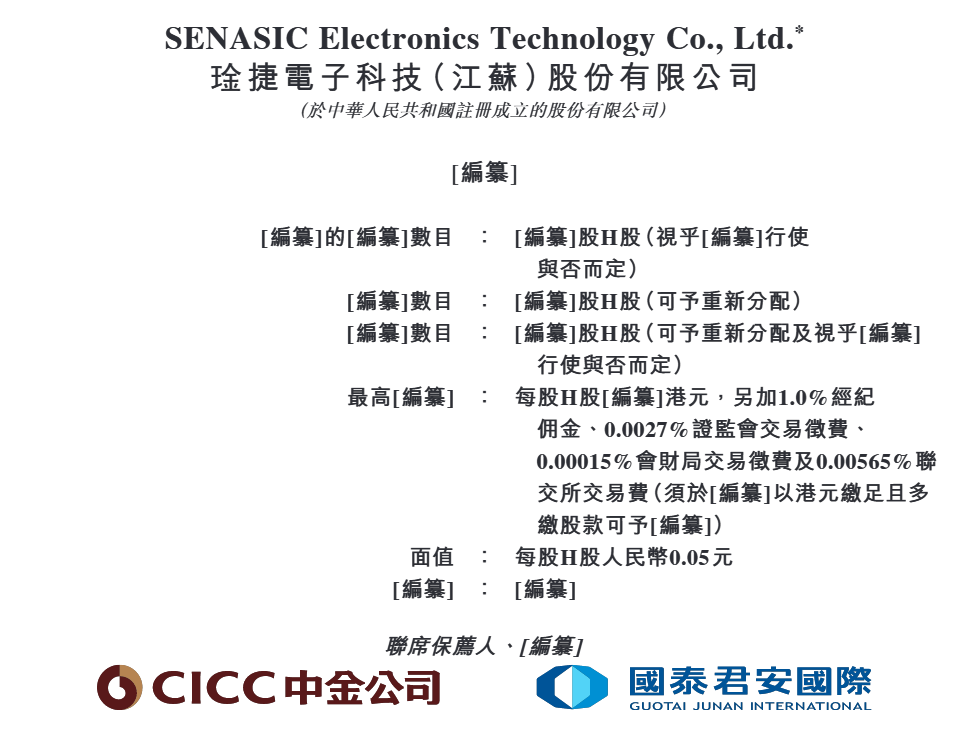
琻捷电子港股IPO:高溢价收购次年即全额计提商誉减值 交易对方为间接股东是否涉嫌利益输送甚至误导性陈述?
Xin Lang Zheng Quan· 2025-09-19 03:46
Core Viewpoint - The company, Panjie Electronics, has submitted its listing application to the Hong Kong Stock Exchange, aiming to raise capital despite ongoing losses and a complex acquisition history that raises concerns about potential related-party transactions and misleading statements [2][3][20]. Financial Performance - Panjie Electronics has experienced rapid revenue growth over the past three years, with revenues increasing from 104 million to 348 million, representing a compound annual growth rate (CAGR) of 83%. However, the company has not achieved profitability, with cumulative losses exceeding 1 billion [10]. - The net losses for the years 2022 to 2024 were -205 million, -356 million, and -351 million, respectively, with a loss of -143 million reported for the first half of 2025, marking a 10.53% increase in losses compared to the previous year [10][11]. Acquisition Details - In 2022, Panjie Electronics made a high-premium acquisition of 100% of Juxun Semiconductor for 126 million, which was followed by a full goodwill impairment of 76.136 million the next year. The acquisition price reflected a staggering 743.13% increase in valuation compared to a previous transaction involving the same asset [11][21]. - The acquisition involved multiple parties, including related entities, raising questions about potential conflicts of interest and whether the transactions should have been classified as related-party transactions [20][16]. Investor Interest and Valuation - Panjie Electronics has completed eight rounds of financing, raising over 1 billion, with a post-money valuation of approximately 3.635 billion, a 133.6-fold increase since its angel round [4]. - Notable investors include prominent venture capital and private equity firms, as well as strategic investments from major industry players such as CATL and Geely Capital [4][10]. Corporate Governance - The board of directors consists of nine members, including four executive directors. The company is led by Li Mengxiong as chairman and CEO, and Li Shuguang as executive director and vice president [6][10]. - The company currently has no controlling shareholder, with the two founders and their entities holding approximately 32.25% of the voting rights, making them the largest shareholder group [4].
虞书欣家族财富,麻烦缠身
盐财经· 2025-09-14 10:07
Core Viewpoint - The article discusses the controversy surrounding actress Yu Shuxin and her family's business dealings, particularly focusing on the partnership between her father's company and a state-owned enterprise, raising questions about transparency and potential conflicts of interest [4][11][31]. Group 1: Business Background - Yu Shuxin's father, Yu Pijie, is the actual controller of Xinyu City Huashang Mining Co., Ltd., which was established in 2007 with a registered capital of 2 million yuan [4][5]. - Huashang Mining partnered with Xinyu Steel Group, a major state-owned enterprise, to form Xinyu Xingu Mining Co., Ltd., which became a key supplier for Xinyu Steel [5][12]. - The transaction volume between Xingu Mining and Xinyu Steel surged from 18 million yuan in 2009 to over 630 million yuan in 2013, totaling over 1.5 billion yuan in five years [5][16]. Group 2: Controversy and Allegations - Allegations arose questioning whether Yu Pijie gained undue benefits through his company's dealings with state-owned enterprises, particularly regarding the lack of transparency in the partnership [5][17]. - The partnership raised eyebrows due to the small size of Huashang Mining compared to the scale of Xinyu Steel, leading to speculation about the legitimacy of the business relationship [13][15]. - Yu Pijie has publicly stated that Huashang Mining acted solely as a financial investor and that all transactions were conducted through public bidding [17][24]. Group 3: Financial Implications - In 2010, Xinyu Steel provided 210 million yuan in funding to Xingu Mining, which raised concerns about the nature of the financial relationship between the two companies [22][24]. - By 2013, Xingu Mining had utilized 740 million yuan of Xinyu Steel's funds, which was not adequately explained, leading to further scrutiny [24][27]. - The financial strain on Xinyu Steel was evident, with a debt ratio of 74.53% in 2013, highlighting the potential risks associated with the partnership [26][27]. Group 4: Public and Regulatory Response - The controversy has sparked a broader discussion about the transparency of celebrity wealth accumulation and the implications for public interest [31][34]. - Xinyu Steel has acknowledged the public's concerns and stated that they are addressing the situation, indicating potential regulatory scrutiny [34][35]. - The ongoing investigation into the matter reflects the public's demand for accountability and clarity regarding the relationships between private enterprises and state-owned companies [31][35].


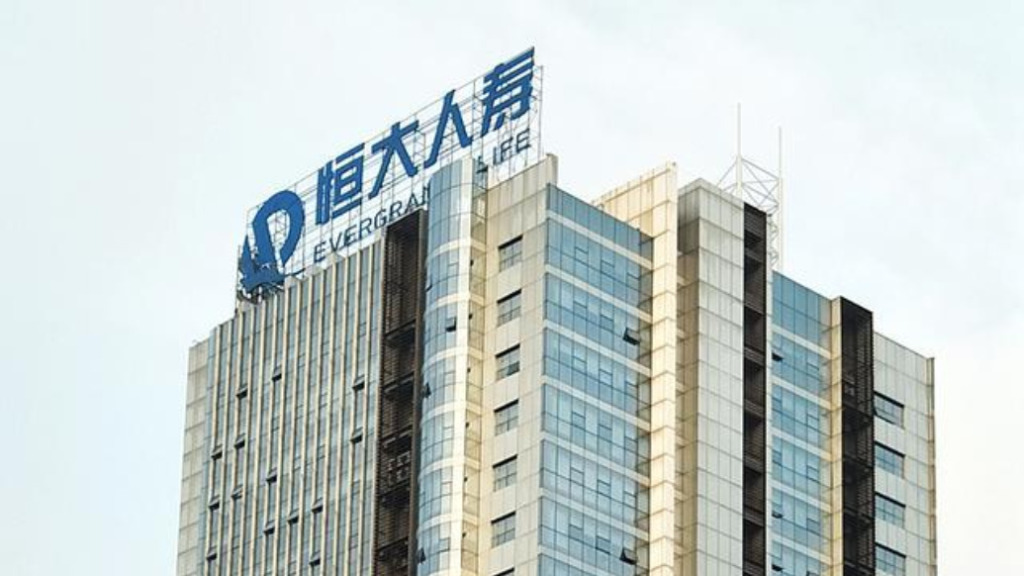
恒大人寿三任董事长等20名高管被罚:涉保险资金运用、利益输送等
Xin Lang Cai Jing· 2025-09-12 11:12
Group 1 - The National Financial Supervision Administration imposed penalties on 20 responsible personnel of Evergrande Life Insurance for serious non-compliance in the use of insurance funds, related party transactions, and false reporting [2] - A total fine of 2.825 million yuan was levied against the individuals involved, with lifetime bans for the chairman Liang Dong and a 10-year ban for Chen Kun, among others [2] - Evergrande Life Insurance was established on May 11, 2006, with Evergrande Group holding 50% and other stakeholders including Singapore's Great Eastern Life and Chongqing Caixin Group [2] Group 2 - In September 2023, the Shenzhen Financial Regulatory Bureau reported that Evergrande Life Insurance is severely insolvent and is under close supervision and risk management [3] - The China Insurance Security Fund, along with local state-owned enterprises and Taiping Life Insurance, has established Haigang Life Insurance to take over Evergrande Life's assets and liabilities, ensuring the fulfillment of insurance contracts [3] - The operational stability of Evergrande Life Insurance has been confirmed despite the ongoing regulatory actions [3]
创始人再次公开举报,知名量化私募高管被指涉异常交易、利益输送
Di Yi Cai Jing Zi Xun· 2025-08-28 05:28
Core Viewpoint - The article discusses serious allegations made by Fan Siqi, a co-founder of Jingqi Investment, against other internal members of the company, claiming they are involved in abnormal trading, profit transfer, and misappropriation of fund assets [2][3]. Group 1: Allegations of Abnormal Trading - Fan Siqi's allegations include that Tang Jingren and Xue Haoran manipulated the "Jingqi Tiangong No. 2 Private Securities Investment Fund" to engage in abnormal subscription and redemption activities with funds managed by Shenzhen Lejin Asset Management [3][4]. - The report details instances of repeated subscription and redemption, such as Lejin Zhongshang Yungong Fund redeeming over 120 million yuan from "Tiangong No. 2 Fund" and then re-subscribing 110 million yuan just two days later, indicating potential fee exploitation [3][4]. Group 2: Financial Misconduct - The allegations suggest that Tang Jingren, as the financial head of Jingqi Investment, orchestrated a scheme where management fees and performance bonuses from abnormal transactions were funneled into the company's accounts and subsequently transferred to personal or related company accounts, constituting serious misappropriation of fund assets [4][5]. - The total amount involved in the abnormal subscription and redemption transactions related to "Tiangong No. 2 Fund" exceeds 200 million yuan, excluding some transactions that did not incur subscription/redemption fees [4][5]. Group 3: Industry Perspective - Industry insiders indicate that it is currently impossible to reach a definitive conclusion regarding the allegations without further investigation into the specific fund contracts, the existence of any related party relationships, and the substantive purpose behind the transactions [5][6]. - The lack of specific regulations on the frequency of private fund subscriptions and redemptions means that the mere act of frequent trading does not inherently violate any laws [5][6]. Group 4: Company Background - Jingqi Investment was established in 2015 and manages 55 funds, while Lejin Asset Management, also founded in 2015, manages 19 funds [6]. - There is no direct ownership relationship found between Jingqi Investment and Lejin Asset Management based on publicly available information, although both companies share a fund manager, Xue Haoran [6][7].
创始人再次公开举报,靖奇投资高管被指涉异常交易、利益输送
Di Yi Cai Jing· 2025-08-28 03:56
Core Viewpoint - The internal conflict at Jingqi Investment has escalated, with founder Fan Siqi issuing a public complaint about alleged misconduct by other executives, including abnormal trading and misappropriation of fund assets [1][2]. Group 1: Allegations of Misconduct - Fan Siqi accused co-founder Tang Jingren and fund manager Xue Haoran of engaging in illegal activities, including repeated trading operations that harm investor interests [1][2]. - The complaint highlights that the "Jingqi Tiangong No. 2 Private Securities Investment Fund" was involved in suspicious transactions with funds managed by Shenzhen Lejin Asset Management Co., indicating potential structured trading and asset misappropriation [2][3]. - Specific instances of abnormal transactions were noted, such as a fund redeeming over 120 million yuan from "Jingqi Tiangong No. 2" and then reinvesting 110 million yuan shortly after, leading to repeated subscription fees [2][3]. Group 2: Financial Implications - The total amount involved in the suspicious transactions related to "Jingqi Tiangong No. 2" exceeds 200 million yuan, excluding some transactions that did not incur subscription or redemption fees [3]. - Allegations also include that management fees and performance rewards from these transactions were systematically funneled into company accounts and subsequently transferred to personal or related company accounts, indicating severe misappropriation of fund assets [3]. Group 3: Industry Perspective - Industry insiders suggest that it is currently impossible to draw definitive conclusions regarding the allegations without further investigation into the specific fund contracts and the relationships between the parties involved [4][5]. - The lack of direct evidence of a relationship between Jingqi Investment and Lejin Asset Management raises questions about the necessity for special disclosures regarding the transactions in question [6]. - The regulatory framework does not explicitly limit the frequency of fund subscriptions and redemptions, making it challenging to determine if the actions taken were outright violations of regulations [5].
热搜!西南大学外卖指定平台被指垄断,涉事方“校生活”曾被罚款5万余元
Xin Lang Ke Ji· 2025-08-27 06:11
Core Points - Southwest University has been accused of monopolizing the campus food delivery service by restricting it to a designated platform operated by Shandong Yanwen Network Technology Co., Ltd. [1] - The topic of "Southwest University food delivery monopoly" trended on Weibo, sparking widespread discussion among netizens [2] - In response to complaints about chaotic food delivery practices on campus, the university announced the selection of a single platform to manage food delivery [3] - Many netizens expressed skepticism regarding the university's justification, suggesting that the decision may involve monopolistic practices and potential conflicts of interest [5] - Additionally, it was discovered that the food delivery platform had previously been fined over 56,000 yuan by the Yantai Market Supervision Administration [6]

穿透租赁表象识别受贿本质
Zhong Yang Ji Wei Guo Jia Jian Wei Wang Zhan· 2025-08-27 01:34
Core Viewpoint - The case illustrates a hidden bribery scheme disguised as a rental agreement, where the essence of the transaction is a quid pro quo relationship between a government official and a construction company owner [1][3]. Group 1: Case Details - The case involves a government official (甲) and a construction company owner (乙), where甲 used his position to assist乙 in municipal projects, leading to a rental agreement for a shop that乙 never intended to use [2]. -甲 purchased a shop in 2019 and later proposed that乙 rent it, despite乙's acknowledgment of the shop's poor location and lack of demand [2]. - The rental agreement was structured to appear legitimate, with甲 receiving a total of 384,000 yuan over four years, despite乙's company never actually using the shop [2][5]. Group 2: Legal Perspectives - There are three differing opinions on the nature of甲's actions: one views it as a legitimate civil transaction, another suggests it should be evaluated against market rental prices, while the third argues it is a clear case of bribery disguised as a rental agreement [3][4]. - The third viewpoint is supported by evidence that both parties were aware of the lack of genuine rental intent, indicating that the rental payments were essentially bribes for甲's official assistance [4][5]. Group 3: Conclusion on Bribery - The actions of甲 meet the criteria for bribery, as he knowingly exploited his position to benefit乙, who had no real need for the rental, thus confirming the transaction as a means of transferring benefits [5][6]. - The total amount received by甲 should be considered as the full bribe amount, as the rental payments were not based on a legitimate rental relationship but rather a facade for the exchange of favors [6].
【券业观察】 完善制度 严防券商与私募利益输送
Zheng Quan Shi Bao· 2025-08-21 18:38
Core Viewpoint - The recent rebate incident involving a well-known quantitative private equity firm has exposed systemic flaws in the industry, leading to reputational damage and raising concerns about the integrity of the market [1][4]. Group 1: Formation of the Rent-Seeking Chain - The incident is a result of multiple intertwined factors, with the involved brokerage firm bearing significant responsibility due to internal governance failures and lack of oversight [2]. - The brokerage's trading volume surged from 34 billion in 2018 to 1 trillion in 2021, while internal control mechanisms did not keep pace, creating opportunities for rent-seeking behavior [2]. - The quantitative private equity firm concentrated 58% of its products with a single brokerage, exceeding reasonable diversification levels, which increased the risk of profit-sharing arrangements [2]. - Personal greed acted as a catalyst, with significant sums of money being funneled through various channels, highlighting the extent of corruption within the profit-sharing chain [2]. Group 2: Regulatory Gaps - The inadequacy of regulatory frameworks allowed the involved parties to exploit loopholes, as existing regulations on rebates are vague and lack sufficient punitive measures [3]. - The high turnover rates typical of quantitative trading, often exceeding 100 times annually, have led to substantial commission sizes, prompting brokerages to offer high rebate rates to attract clients [3]. - The unique characteristics of quantitative trading have not been adequately addressed by regulatory frameworks, resulting in a gray area that has fostered unhealthy industry practices [3]. Group 3: Impact on the Industry - The rebate incident has inflicted three major shocks on the securities industry, primarily damaging investor confidence as management fees may have been misallocated [4]. - The industry landscape is likely to undergo restructuring, with compliance pressures pushing quantitative firms to diversify their brokerage partnerships [4]. - Regulatory scrutiny is expected to intensify, leading to more rigorous examinations of brokerage custody operations and the flow of commissions between private equity firms and brokerages [4]. Group 4: Path Forward - To recover from the fallout of the rebate incident, the quantitative private equity sector must implement a diversified brokerage strategy, limiting any single custodian's share to no more than 30% [5]. - Brokerages need to enhance their internal control systems by establishing clear separations between marketing, execution, and risk management functions [5]. - Regulatory frameworks must be upgraded to include mandatory disclosure of commission expenditures and establish a reporting system for related transactions between brokerages and private equity firms [5][6]. - Investors should take proactive measures by choosing firms with diversified custodial arrangements and transparent commission disclosures [6].