
双循环新发展格局

Search documents
时报观察 | 锚定“十五五”创新坐标 创业板深改再启程
Zheng Quan Shi Bao· 2025-10-30 00:45
Core Insights - The ChiNext board has evolved from an "innovation testing ground" to a "source of innovation power" supporting China's modernization efforts over its 16 years of operation [1] - The China Securities Regulatory Commission (CSRC) has announced the launch of reforms aimed at deepening the ChiNext board, which is crucial for fostering new productive forces and establishing a self-reliant industrial system amid global competition [1][2] Group 1 - The ChiNext board currently has approximately 90% of its companies in high-tech sectors, with nearly 70% belonging to strategic emerging industries, serving as a vital financing platform and a key hub connecting innovation, industry, and capital chains [1] - The reform aims to establish listing standards that better align with the characteristics of emerging fields and future industries, potentially broadening the growth pathways for new industries, business models, and technologies [2] - The historical context of capital market development in China shows that each institutional breakthrough, from the Sci-Tech Innovation Board to the ChiNext reforms, is closely tied to national development priorities, highlighting the unique advantages and vitality of China's capital markets [2] Group 2 - The reforms are expected to create a more inclusive institutional environment that nurtures innovation and entrepreneurship, while efficient capital allocation will drive the industrial chain towards higher-end development [2] - The ChiNext reform is a profound response to the questions of "who development is for and who it relies on," and a firm answer to "how to serve Chinese-style modernization" [2] - The capital market is positioned to become a "core engine" for promoting technological self-reliance and leading high-quality development, providing sustained momentum for the stability and long-term growth of the Chinese economy [2]

时报观察 锚定“十五五”创新坐标 创业板深改再启程
Zheng Quan Shi Bao· 2025-10-29 18:27
Core Viewpoint - The ChiNext board has evolved from an "innovation testing ground" to a crucial support for China's modernization, with approximately 90% of its companies being high-tech and nearly 70% belonging to strategic emerging industries [1][2] Group 1: Reform and Development - The China Securities Regulatory Commission has announced the launch of deep reforms for the ChiNext board, which is seen as a strategic choice to foster new productive forces and strengthen technological self-reliance [1] - The reform aims to establish listing standards that better align with the characteristics of emerging fields and future industries, potentially broadening the growth channels for new industries, new business formats, and new technologies [2] Group 2: Historical Context and Strategic Significance - The history of capital market development in China shows that each institutional breakthrough, from the Sci-Tech Innovation Board to the ChiNext reforms, closely aligns with national development needs, highlighting the unique advantages and vitality of China's capital market [2] - The ChiNext reform is a profound response to the questions of "who development is for and who it relies on," and it aims to effectively serve China's modernization [2]
哈工大(深圳)科技成果转化路演活动之光明科技产业创新院专场举办
Huan Qiu Wang· 2025-10-27 10:06
Group 1 - The event organized by Harbin Institute of Technology (Shenzhen) aims to promote the transformation of scientific and technological achievements through a dual-mode approach of "project roadshow + closed-door seminar" [1][2] - The event attracted high-quality project teams from various fields, including precision manufacturing, aerospace technology, artificial intelligence, new materials, and green energy [2][3] - The establishment of the Guangming Technology Industry Innovation Institute will focus on three key areas: new materials, artificial intelligence, and high-end equipment manufacturing, creating a full-cycle innovation platform [3] Group 2 - The collaboration between Harbin Institute of Technology (Shenzhen) and Guangming District is a significant step towards integrating academic research with regional industrial needs, enhancing the practical foundation for collaborative development [2][3] - The event serves as a platform for showcasing projects that align with Shenzhen's industrial layout and Guangming District's industrial planning, thereby enriching the resource pool for future operations of the innovation institute [2] - Harbin Institute of Technology (Shenzhen) aims to leverage the Guangming Technology Industry Innovation Institute to facilitate the transformation of basic research outcomes into industrial value, contributing to national development goals [3]
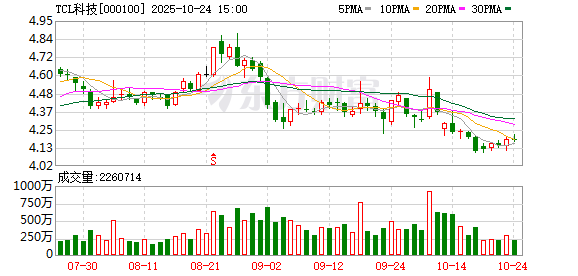
企业家热议二十届四中全会 TCL李东生:探索全球化新路径
Nan Fang Du Shi Bao· 2025-10-24 14:01
Group 1 - The Fourth Plenary Session of the 20th Central Committee of the Communist Party of China was held from October 20 to 23, 2023, in Beijing, focusing on the formulation of the 15th Five-Year Plan for national economic and social development [2] - The meeting emphasized the importance of adhering to and improving the socialist system with Chinese characteristics and modernizing the national governance system and capacity [2] - The session provided strategic deployments for the comprehensive construction of a modern socialist country, indicating a clear direction for future development [2] Group 2 - Guangdong private economy representatives expressed strong confidence and motivation from the Plenary Session, committing to implement the spirit of the meeting and contribute to high-quality development [3] - TCL's founder and chairman, Li Dongsheng, highlighted the significance of the meeting in the context of building a modern socialist country, summarizing major achievements during the 14th Five-Year Plan and outlining goals for the 15th Five-Year Plan [3][4] - The meeting's communiqué called for accelerating high-level technological self-reliance and innovation, emphasizing the role of enterprises in driving technological advancements and fostering new productive forces [4] Group 3 - TCL has invested over 60 billion yuan in R&D over the past six years, with more than 110,000 patent applications, including nearly 20,000 PCT patents, achieving significant breakthroughs in key technologies [4] - The company aims to continue enhancing original technology innovation and accelerate the commercialization of technological achievements while leveraging national innovation platforms [4] - The communiqué also stressed the need to invigorate various business entities and improve the market-oriented allocation of resources, which is expected to boost the confidence and determination of private enterprises [4] Group 4 - The meeting proposed expanding high-level opening-up and creating a win-win cooperation landscape, which aligns with TCL's global strategy and local operations [5] - Over the past five years, TCL's overseas revenue has grown at an average annual rate of over 19%, with export growth exceeding 15%, contributing to the dual circulation development pattern [5] - TCL's experience indicates that every 100 USD in overseas revenue generates 60 USD in industry chain exports, showcasing the interconnectedness of global operations [5] Group 5 - Looking ahead to the new journey of the 15th Five-Year Plan, TCL is committed to innovation-driven development and exploring new paths for globalization [6]


“十五五”规划前瞻:国际篇+金融篇
2025-10-19 15:58
Summary of Key Points from Conference Call Records Industry Overview - The records discuss the Chinese economy and its strategic responses to global geopolitical challenges, particularly in the context of the "14th Five-Year Plan" and the upcoming "15th Five-Year Plan" [1][2][3]. Core Insights and Arguments - **Economic Growth Projections**: China's economic growth is expected to maintain a range of 4.6% to 4.8% during the "15th Five-Year Plan" period, with a focus on energy supply security through strategic partnerships, particularly with Russia [1][3]. - **Foreign Trade Expansion**: By 2024, China's foreign trade is projected to reach $6.16 trillion, marking a 32.4% increase compared to the previous five-year period, maintaining its position as the world's largest trading nation [1][4]. - **Trade Structure Optimization**: The importance of ASEAN and the EU as trading partners is increasing, while the significance of the U.S. is declining. High-tech, green, and electromechanical products are identified as core drivers of exports [4]. - **Financial Policy Focus**: The financial policies during the "14th Five-Year Plan" emphasized service to the real economy, financial security, and supply-side structural reforms, with a new goal of building a financial powerhouse [5]. Important but Overlooked Content - **Challenges for Private and Tech Enterprises**: Private and tech enterprises face high loan interest rates, reliance on collateral for financing, and a low proportion of direct financing (31.6%) compared to developed countries (60%-80%) [6]. - **Strategic Directions for Financial Institutions**: Financial institutions are expected to adjust their strategies to focus on technology finance, green finance, and pension finance, with an emphasis on supporting innovation and sustainable development [7][9][10]. - **Internationalization of the Renminbi**: There is a push for the gradual internationalization of the Renminbi, with current foreign holdings of domestic bonds and stocks at only 3%-4%, indicating significant room for growth [8]. Sector-Specific Developments - **Banking Sector**: The banking industry will prioritize resources towards strategic areas such as technology innovation and green finance, utilizing differentiated products like intellectual property pledge loans [9]. - **Insurance Sector**: The insurance industry aims to enhance health insurance and long-term care systems to address aging population needs while increasing equity asset allocation in tech and green sectors [9]. - **Fund Management**: The fund industry is transitioning from a focus on scale to one on returns, emphasizing investments in pension-targeted funds and ESG products [10]. - **Securities Sector**: The securities industry is expected to evolve towards a more integrated, professional, and digital approach, focusing on investment banking and wealth management [10].
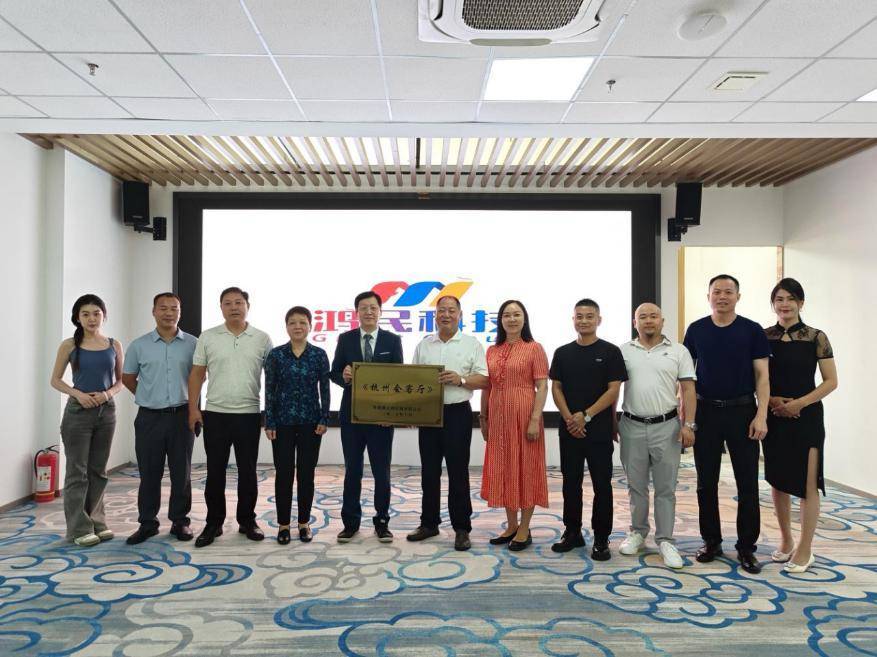
粤港澳大湾区商业联合会杭州会客厅挂牌成立
Sou Hu Cai Jing· 2025-10-10 05:01
Core Insights - The establishment of the Hangzhou Reception Hall by the Guangdong-Hong Kong-Macao Greater Bay Area Business Association marks a new phase of deep integration between Zhejiang and Hong Kong enterprises, aiming to enhance resource complementarity and collaborative innovation for high-quality regional economic development [1][5]. Group 1: Collaboration and Services - The Hangzhou Reception Hall will serve as the first physical service institution of the Association in Zhejiang, leveraging its extensive business network to provide one-stop services such as policy consultation, project matching, and resource integration, particularly in security services, technology research and development, and cultural education [5][9]. - Hongmin Technology Group's chairman promoted its subsidiaries, Zhejiang Hongmin Security Service Group and Zhejiang Hongmin Technology Group, which focus on smart security and advanced technologies like AI and IoT, respectively, aiming to expand into Southeast Asia and the Middle East [7][10]. Group 2: Investment and Development Plans - The Association plans to integrate Hong Kong's international financial, legal, and talent resources with Hongmin Group's capabilities in smart security and healthcare, with a joint investment of 500 million yuan over three years to develop an "Intelligent Security Cloud Platform" and a "Cross-Border Health Management Service Center" [10][12]. - The future service system will combine online and offline approaches, with a digital platform for real-time global resource matching and regular economic and trade exchange activities centered around the Reception Hall [12].
全球托管 潮涌东方 中国银行建成首家中资全球托管银行
Zhong Guo Zheng Quan Bao· 2025-10-08 21:53
Core Viewpoint - The Central Financial Work Conference emphasizes the goal of building a strong financial nation, highlighting the importance of asset custody as a key financial infrastructure for ensuring asset security and promoting market prosperity [1] Group 1: Global Custody Network - The establishment of a local self-owned custody network is crucial for global custody services, which relies heavily on global layout capabilities [2] - As of June 2025, Bank of China has overseas institutions covering 64 countries and regions, with a complete layout in major global financial centers [2] - The bank has established a "main custody + sub-custody" collaborative global service system to support both domestic and foreign institutions in global investments [2] Group 2: Comprehensive Financial Service Advantages - Bank of China has developed a "full-chain empowerment + full-time zone coverage" service model to meet global investment client needs [4] - The bank has created a leading global custody system that integrates technology, utilizing AI and big data for digital and intelligent upgrades [4][5] - The bank's foreign currency clearing scale ranks first among Chinese banks, maintaining a leading position in cross-border RMB clearing [4] Group 3: Global Custody Service Ecosystem - Bank of China actively builds a collaborative global custody service ecosystem, integrating local investment market requirements and regulatory policies [7] - The bank holds a leading number of custody business licenses across different countries and has established long-term partnerships with top global asset management firms [7] - The bank has received multiple awards for its custody services, enhancing its global brand influence [8] Group 4: Future Outlook - Bank of China aims to continue enhancing its global custody service capabilities, contributing to the construction of a strong financial nation and supporting the dual circulation development pattern [8] - The bank's global custody services play a vital role in facilitating cross-border capital flows and asset globalization, significantly impacting the competitiveness of the Chinese banking industry [8]

全球托管 潮涌东方中国银行建成首家中资全球托管银行
Zhong Guo Zheng Quan Bao· 2025-10-08 20:46
Core Viewpoint - The Central Financial Work Conference emphasizes the goal of building a strong financial nation, highlighting the importance of financial institutions and asset custody as a key component of financial infrastructure [1] Group 1: Global Custody Network - Asset custody plays a crucial role in ensuring asset security, regulating investment operations, and promoting market prosperity, serving as a vital link for global asset allocation and cross-border capital flow [1] - Bank of China has established itself as the first Chinese global custodian bank, with a global custody scale reaching 4.7 trillion yuan, covering over 100 countries and regions [1][2] - The establishment of a local self-owned custody network is essential for global custody services, relying heavily on global layout capabilities [1] Group 2: Comprehensive Financial Service Advantages - Bank of China has developed a comprehensive financial service model that includes a full-chain securities service system, covering basic services like asset custody and value-added services like securities lending [3] - The bank has achieved seamless integration across different time zones, ensuring continuous service response for clients [3] - The bank's global custody system is built on a technology platform that integrates all products and processes, enhancing service efficiency through digital and intelligent upgrades [4] Group 3: Global Custody Service Ecosystem - Bank of China actively collaborates with various institutions to build a cooperative global custody service ecosystem, understanding different market regulations and compliance requirements [5] - The bank has established long-term partnerships with top global asset management firms, enhancing its ability to meet the full-process needs of international asset management [5] - The bank has received multiple awards for its custody services, reflecting its growing brand influence in the global custody market [5][6] Group 4: Future Outlook - Bank of China aims to continue enhancing its global custody service capabilities, contributing to the construction of a strong financial nation and supporting the dual circulation development pattern [6] - The bank's global custody services are positioned as a key element in facilitating cross-border capital flow and asset globalization, playing a significant role in enhancing the global competitiveness of the Chinese banking industry [6]
事关政府采购 这一规定明年起实施:依法对本国产品给予价格评审优惠 对相关报价给予20%的价格扣除
Mei Ri Jing Ji Xin Wen· 2025-09-30 15:37
Core Points - The State Council issued a notification to implement domestic product standards in government procurement, effective from January 1, 2026, aiming to create a unified and competitive government procurement market [1] - The policy provides a 20% price evaluation discount for domestic products in competitive procurement activities, enhancing market vitality and supporting industrial upgrades [1][2] Summary by Sections Domestic Product Standards - The notification defines domestic products as those produced in China, with a specified cost proportion of domestic components, and for certain products, key components and processes must also be completed domestically [1][2] - The standards aim to eliminate ambiguity in product recognition and ensure consistent execution across different regions and projects [2] Equal Treatment of Enterprises - The notification mandates equal treatment for all types of enterprises, including state-owned, private, and foreign companies, ensuring fair competition in government procurement [3] - It prohibits discriminatory practices based on ownership type or other unreasonable conditions, thus fostering a level playing field [3] Market Vitality and Investment Confidence - The policy is expected to boost confidence among private enterprises by providing equal procurement opportunities, encouraging investment in R&D and capacity building [4] - For foreign enterprises, the policy signals an improved business environment and allows a transition period of 3-5 years to adjust supply chains [4] Gradual Implementation and Dynamic Adjustment - The notification outlines a phased approach to implementing domestic product standards, with a 5-year period for determining cost proportions and a 3-5 year transition period for compliance [5][6] - The policy emphasizes collaboration with various stakeholders, including domestic and foreign enterprises, to ensure standards are practical and adaptable to industry needs [6]
第六届辽洽会国际产能合作主题分享活动在沈举办
Xin Hua Wang· 2025-09-29 06:34
Core Viewpoint - The event focused on enhancing international capacity cooperation under the theme "Deepening the Belt and Road Initiative to Promote Capacity Cooperation," highlighting the necessity for Liaoning enterprises to integrate into the new dual circulation development pattern and improve international competitiveness [1] Group 1: Event Overview - The sixth Liaoning Fair for International Capacity Cooperation attracted over 200 representatives from government, foreign trade enterprises, banks, and associations [1] - The event was co-hosted by China Export & Credit Insurance Corporation (Sinosure) Liaoning Branch and the Liaoning Provincial Department of Commerce, aiming to optimize the business environment and improve support policies [1] Group 2: Challenges and Support - The global economic landscape is undergoing significant adjustments, with rising unilateralism and protectionism, increasing risks for Chinese enterprises going abroad [1] - Sinosure's representative emphasized the company's ability to provide comprehensive service solutions covering risk protection, financial support, investment implementation, and export promotion to assist Liaoning enterprises in participating in international capacity cooperation [1] Group 3: Expert Insights - During the event, Sinosure experts shared insights on using policy insurance tools to enhance international competitive advantages, illustrating their support for enterprises through typical case studies [1] Group 4: Future Plans - Sinosure Liaoning Branch plans to actively integrate resources from government, finance, associations, and enterprises to support more local companies in going global, contributing to the revitalization of Liaoning [2]