
宜居宜业和美乡村建设

Search documents
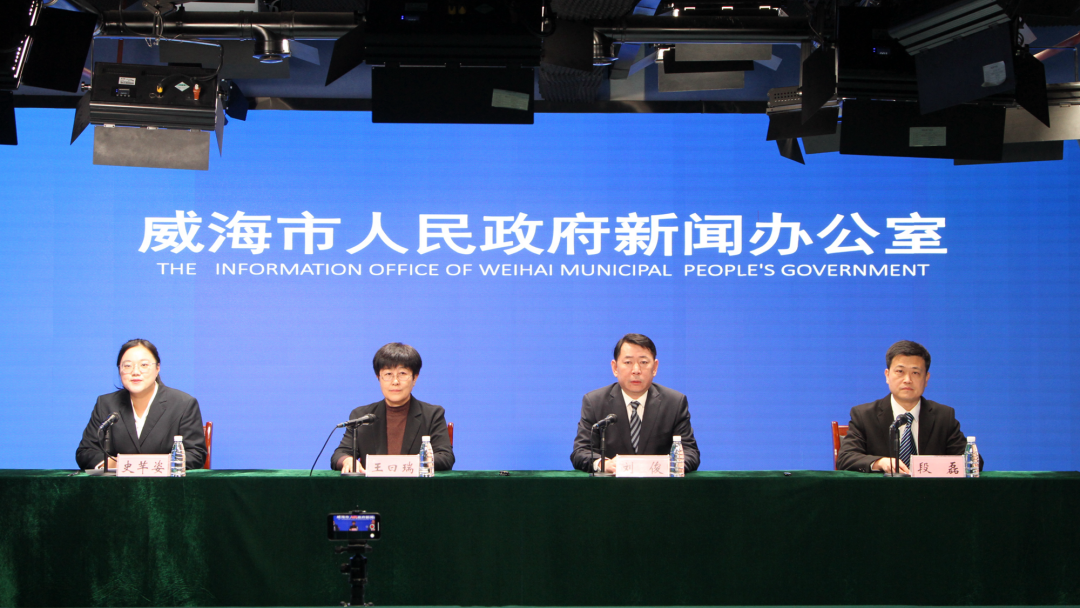
威海市启动第四次全国农业普查,全面摸清新阶段“三农”家底
Qi Lu Wan Bao· 2025-12-19 04:24
Core Viewpoint - The fourth national agricultural census will be conducted in 2026, marking a significant survey aimed at understanding the current state of agriculture and rural development in Weihai, which is crucial for formulating effective agricultural policies and promoting rural revitalization [3][12]. Group 1: Census Overview - The fourth national agricultural census is a major survey conducted every ten years, with 2026 being the next scheduled year [3]. - This census aims to comprehensively assess the agricultural landscape, rural development, and changes in farmers' lives in Weihai [3][12]. Group 2: Census Scope and Content - The census will cover various subjects, including rural households, urban agricultural producers, agricultural production units, and local government bodies [4]. - The industry scope includes crop cultivation, forestry, animal husbandry, fishery, and related services [5]. - Key content areas for the census include agricultural production conditions, food production status, rural development basics, and residents' living conditions [6]. Group 3: Census Timeline and Phases - The census will be conducted in four phases: preparation (2025-2026), field registration (January-May 2027), data processing and publication (June-December 2027), and data application (2028-2029) [8][9][10]. Group 4: Requirements and Innovations - The census is governed by strict legal frameworks to ensure accurate data collection and confidentiality [11]. - Innovations in this census include updated content reflecting modern agricultural practices, a combination of comprehensive and sampling surveys, and the use of advanced technologies like satellite remote sensing and AI to enhance data collection efficiency [12][13].

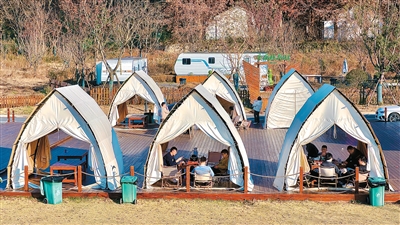
乡村高颜值带来产业高价值
Jing Ji Ri Bao· 2025-12-18 00:08
Core Viewpoint - The development of rural industries and the improvement of living environments are interrelated, with policies implemented to enhance rural living conditions and promote local industries, leading to increased farmer income and better infrastructure [1][2][3][4] Group 1: Rural Industry Development - Various industries such as planting, breeding, and manufacturing are flourishing in regions like Heze, Shandong, and Tongbai, Henan, focusing on modern agricultural parks and technology demonstration gardens [1] - The integration of primary, secondary, and tertiary industries is accelerating, with an increase in the proportion of villages engaging in leisure agriculture and rural tourism, contributing to villagers' income [1][4] Group 2: Environmental Improvement - Significant improvements have been made in living environments, including better infrastructure, public services, and overall comfort levels [1][2] - Ongoing efforts are needed to address issues such as inadequate basic living facilities and the need for a standardized system for local industries [2] Group 3: Public Services Enhancement - Enhancing the accessibility and quality of basic public services in rural areas is crucial for improving the quality of life for farmers, including better education and innovative elderly care models [3] - There is a notable gap in infrastructure quality and density between rural and urban areas, necessitating a focus on improving rural infrastructure systems [3] Group 4: Industry Optimization - The aesthetic appeal of rural areas can drive high-value industries, necessitating the optimization of industrial spatial layouts and the deep integration of various sectors [4] - The establishment of a data system for agriculture and the promotion of smart agriculture through digital technologies are essential for modernizing rural production and enhancing market access [4]
提高舒适度、完备度、便利度——乡村优质生活空间,啥模样?
Zhong Guo Xin Wen Wang· 2025-12-10 06:52
Core Viewpoint - The article emphasizes the importance of improving rural living conditions in China, highlighting the government's initiatives to create a "high-quality living space" in rural areas, which is expected to enhance the quality of life for farmers and promote rural development [1][2]. Group 1: Rural Infrastructure and Public Services - The average penetration rate of sanitary toilets in rural areas has reached 76%, with over 90% of administrative villages managing household waste, and rural sewage treatment exceeding 45% [2] - Rural road mileage has surpassed 4.64 million kilometers, with a 94% coverage rate for tap water and over 90% for 5G connectivity in administrative villages [2] - The "14th Five-Year Plan" has led to significant improvements in basic public services, with over 2,199 counties establishing integrated medical communities, and more than 95% of village clinics included in health insurance [2][4] Group 2: Environmental and Infrastructure Improvements - The "15th Five-Year Plan" aims to enhance rural living environments through continuous improvement efforts, focusing on waste management and sanitation [3] - The implementation of the "Rural Road Regulations" aims to upgrade rural road quality and expand road networks in remote areas, indicating a future focus on enhancing rural infrastructure [4] Group 3: Industrial Development and Economic Growth - The article highlights the necessity of industrial revitalization for rural development, stating that increasing farmers' income is crucial for improving living conditions and accessing better public services [5] - During the "14th Five-Year Plan," 210 characteristic industrial clusters and 250 modern agricultural parks were established, with projected revenues of 18 trillion yuan for large-scale agricultural processing enterprises by 2024 [5][6] - The "15th Five-Year Plan" suggests developing multiple agricultural functions to enhance food security, ecological sustainability, and cultural heritage, which will support farmers' income growth [6]
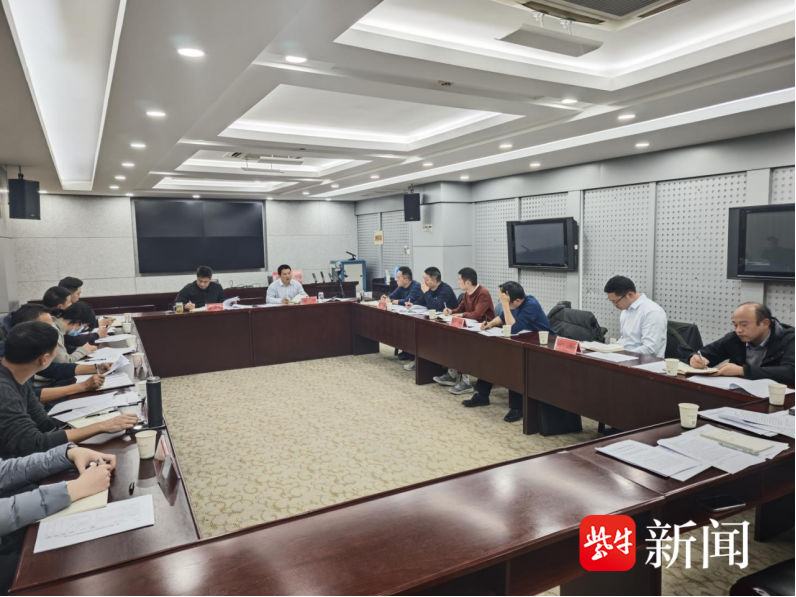
聚焦项目建设 聚力和美乡村!镇江市工作会部署 2025 年任务收尾与 2026 年项目储备
Yang Zi Wan Bao Wang· 2025-12-10 06:38
Group 1 - The core focus of the meeting was to advance the construction of livable and workable beautiful villages in the city, aligning with national and provincial directives [1][3] - The meeting included reports from various districts on the progress of the 2025 beautiful village projects, emphasizing completion timelines and specific plans for funding allocation, project quality, and unique features [3] - Key tasks for the next phase include accelerating the construction of 2025 projects, ensuring quality control, and preparing high-standard plans for 2026 project applications, with a focus on local characteristics and community needs [3] Group 2 - The city aims to enhance political awareness and responsibility among local officials to ensure high-quality completion of this year's construction tasks [3] - There will be a strict self-evaluation process at the county level to identify weaknesses and implement corrective measures to pass provincial assessments [3] - The agricultural and rural bureau will strengthen follow-up supervision to ensure effective implementation of the outlined strategies for village construction [3]
乡村优质生活空间,啥模样?(这些新提法,写入“十五五”规划建议⑦)
Ren Min Ri Bao Hai Wai Ban· 2025-12-09 22:32
Core Viewpoint - The article emphasizes the importance of improving rural living conditions and infrastructure in China, highlighting the government's initiatives to create a "high-quality living space" in rural areas, which is expected to enhance the quality of life for farmers and promote urban-rural integration [1][4]. Group 1: Rural Infrastructure and Living Conditions - The article discusses the ongoing transformation of rural areas in China, focusing on enhancing living conditions and infrastructure, including sanitation, waste management, and transportation networks [3][4]. - Key statistics indicate that the average coverage of sanitary toilets in rural areas has reached 76%, with over 90% of administrative villages managing household waste, and more than 45% of rural wastewater being treated [3][4]. - The "14th Five-Year Plan" has led to significant improvements in public services, including healthcare and elderly care facilities, with over 14,000 mutual aid elderly care facilities and more than 16,000 elderly care homes established [4][6]. Group 2: Agricultural and Economic Development - The article highlights the critical role of industrial revitalization in rural development, asserting that increasing farmers' income is essential for improving living conditions and accessing quality public services [7][8]. - Data shows that during the "14th Five-Year Plan," 210 characteristic industrial clusters, 250 modern agricultural parks, and 1,098 strong agricultural towns have been established, with projected revenues for agricultural processing enterprises reaching approximately 18 trillion yuan by 2024 [7][8]. - The "15th Five-Year Plan" aims to develop multiple functions of agriculture, integrating production, processing, and tourism to enhance food security and promote ecological sustainability [8][9].
汲取传统村落生态智慧 建设好宜居宜业和美乡村
Ren Min Ri Bao· 2025-12-01 22:30
Core Viewpoint - The modernization of rural areas is essential for building a strong agricultural nation, and creating livable and workable beautiful villages is a necessary condition for this development [1] Group 1: Traditional Village Wisdom - The concept of "Harmony between Man and Nature" is a core principle of traditional culture, emphasizing the inseparable relationship between humans and nature, which is reflected in the layout and resource utilization of traditional villages [2] - Traditional villages have maintained ecological balance by utilizing local materials and preserving natural environments, which supports sustainable development [3] Group 2: Ecological Protection and Development - The government has implemented a protection project for traditional villages, with 8,155 villages listed for protection, ensuring their ecological integrity and cultural heritage [3] - Emphasizing the importance of respecting natural traditions and avoiding disorderly resource development is crucial for building beautiful villages [4] Group 3: Localized Strategies - Zhejiang Province promotes a "thousand villages demonstration, ten thousand villages renovation" project, focusing on localized strategies that respect ecological conditions and avoid homogenization in rural development [5] - The integration of ecological protection into rural development is essential for transforming ecological policy benefits into rural growth [5] Group 4: Community and Economic Synergy - The "Coexistence and Mutual Prosperity" principle aims to achieve harmony between humans and nature, fostering community support and sustainable practices [6] - The development of rural economies should focus on enhancing the value of ecological resources through sustainable practices and community engagement [7]
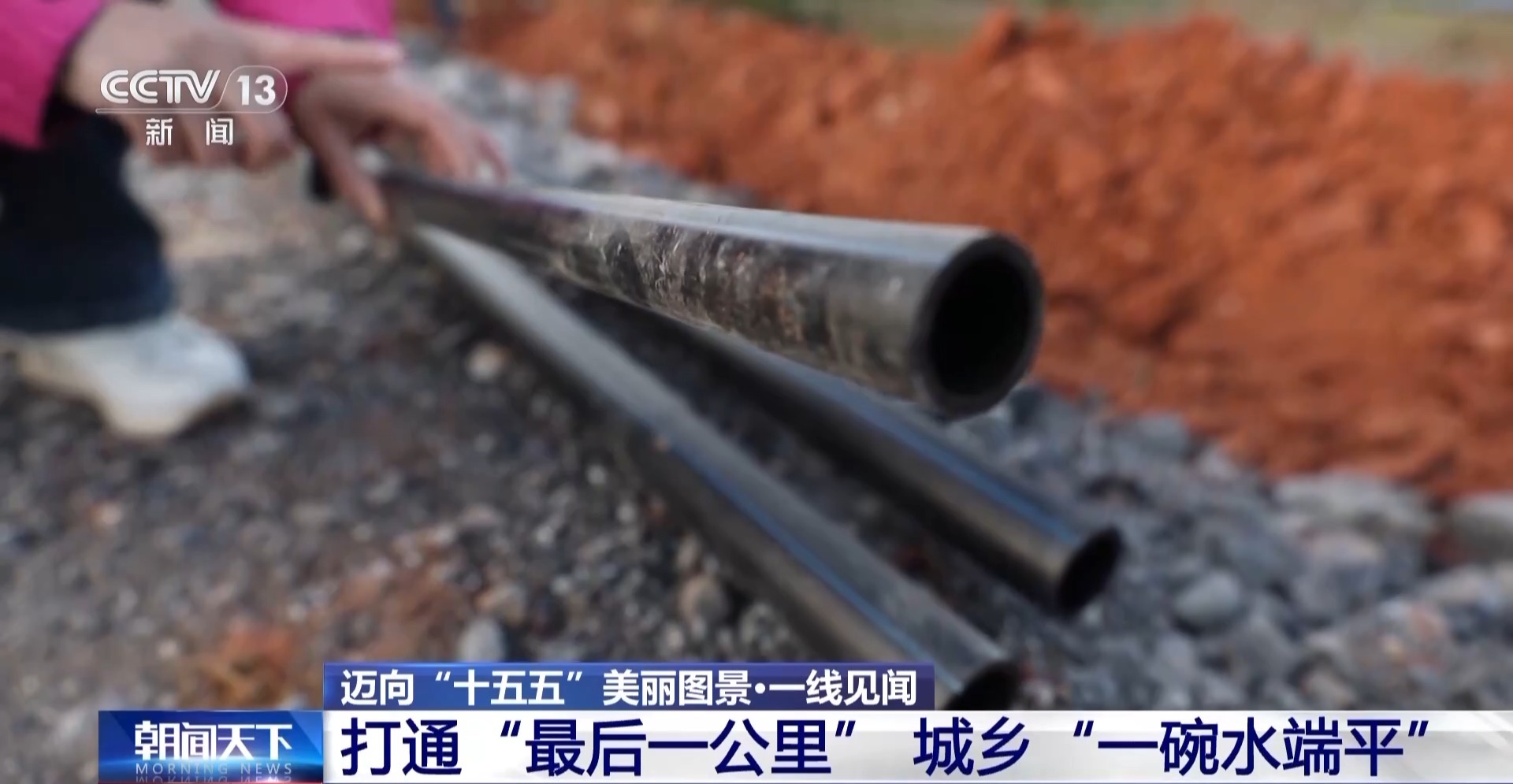
打通水管“最后一公里” 城乡共饮“放心水”
Yang Shi Xin Wen Ke Hu Duan· 2025-12-01 05:47
Core Viewpoint - The article discusses the efforts in Hunan's Chenzhou Jiahe County to enhance rural water supply integration, aiming to provide equal access to safe drinking water for rural residents, thereby promoting a better living and working environment in rural areas [1][7]. Group 1: Water Supply Integration Efforts - Jiahe County has achieved a 95.18% coverage rate for urban-rural water supply integration, but 148 remote villages still face challenges in accessing water [7][11]. - A three-year action plan has been initiated to connect these villages, benefiting over 64,000 people [7][9]. - The oil pressing village is one of the first to implement this plan, with new water pipes being installed to ensure access to city-standard drinking water [9][11]. Group 2: Infrastructure and Capacity Improvements - The Panjiang Water Plant, which supplies 70% of the county's water, is undergoing upgrades to enhance its capacity, addressing a 30% shortfall during peak usage [11][13]. - After improvements, the plant's hourly supply capacity will increase to 2,500 tons, with a 99.5% turbidity removal rate, surpassing national standards [13][15]. Group 3: Water Quality Monitoring - Water quality is monitored through 42 indicators monthly and 11 routine tests daily, ensuring compliance from source to tap [19][21]. - The frequency of water quality checks has increased to every five days due to the extended network and increased user base [21][24]. - A smart water management system allows real-time monitoring of water quality and pressure across the county's water supply network [22][24]. Group 4: Economic and Environmental Impact - The stable water supply has attracted businesses, such as a large chili sauce factory, which relies on consistent water access for production [26][28]. - The integration of water supply has led to improvements in rural living conditions, with increased purchases of modern appliances and upgrades to sanitation facilities [30][32]. - The county aims to achieve 100% urban-rural water supply integration during the 14th Five-Year Plan, focusing on quality and safety [33].
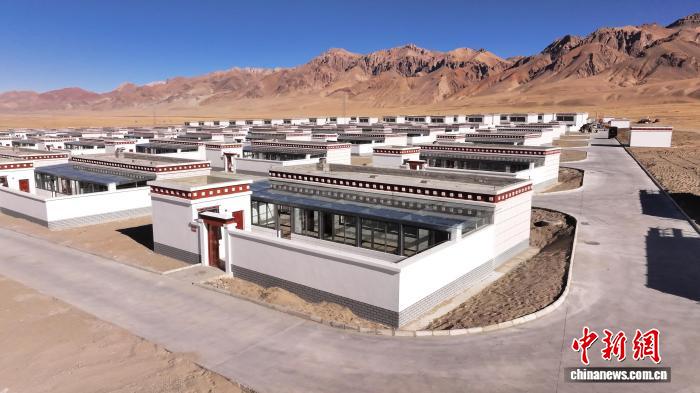
高原新居暖民心:西藏改则县茶措村开启宜居宜业新生活
Zhong Guo Xin Wen Wang· 2025-11-29 12:26
Core Points - The article highlights the successful completion of the housing project in Chazuo Village, Tibet, which aims to improve living conditions for local residents [1][2] - The project is part of a broader initiative to create livable and workable rural areas, reflecting the government's commitment to addressing housing issues as a key aspect of public welfare [1][4] Summary by Sections Project Overview - The Chazuo Village livable and workable rural construction project was initiated in 2024 and has now been completed, with residents moving into new homes [2] - The total investment for the project reached 1.512135 billion RMB, funded through various sources including local government, county-level support, rural revitalization funds, and contributions from China Mobile [2] Housing Details - The project includes the construction of 142 new homes, designed in five different layouts (75, 85, 95, 110, and 120 square meters) to meet the needs of local villagers [4] - Infrastructure improvements include outdoor water supply and drainage systems, electrical installations, road hardening, well houses, and public restrooms, ensuring comprehensive support for residents' living conditions [4] Impact on Residents - The completion of the project has significantly transformed the living conditions of local residents, who previously lived in makeshift tents and mud-brick houses [6] - The new homes are spacious, well-equipped, and provide a stark contrast to the previous living conditions, leading to an overall enhancement in the quality of life for the villagers [6] - Local officials express hope that residents will embrace their new lives, develop local industries, and continue to improve their living standards [4][6]
令人向往的乡村多起来了
Ren Min Ri Bao· 2025-11-16 09:15
Group 1 - The United Nations World Tourism Organization announced the list of "Best Tourism Villages" for 2025, with four villages from China included, bringing the total to 19, the highest in the world [1] - Rural tourism has become a popular destination due to beautiful scenery, convenient transportation, and well-developed facilities, allowing people to connect with nature and escape urban pressures while enjoying modern conveniences [1] - The growth of rural tourism facilitates the flow of resources and ideas between urban and rural areas, serving as a window to observe urban-rural integration development [1] Group 2 - To make rural areas more attractive, it is essential to build livable, workable, and beautiful villages, as outlined in the "14th Five-Year Plan" by the Central Committee of the Communist Party of China [2] - The focus should be on respecting farmers' wishes, improving rural infrastructure, public services, and living environments, allowing farmers to enjoy modern civilized life locally [2] - The ideal rural area should combine ecological beauty, cultural spirit, thriving industries, and modern facilities while preserving rural characteristics [2] Group 3 - Protecting and inheriting traditional culture is crucial for maintaining the intrinsic appeal of rural areas, combining agricultural civilization with modern elements to enhance their charm [3] - The integration of intangible cultural heritage with industry and tourism, as seen in Guizhou's DanZhai County, has created job opportunities for over 3,000 people and boosted rural cultural revitalization [3] - Urban-rural integration is a necessary requirement for China's modernization, promoting the flow of resources while preserving rural nostalgia and enhancing the quality of modern life [3]
令人向往的乡村多起来了(话说新农村)
Ren Min Ri Bao· 2025-11-13 22:10
Core Viewpoint - The development of rural areas through innovative thinking and shared concepts is essential for promoting the flow of urban and rural elements, allowing villages to retain their cultural essence while achieving modern living standards, ultimately leading to a beautiful future of Chinese-style modernization [1][3]. Group 1: Rural Tourism and Development - The United Nations World Tourism Organization announced that four more villages from China were included in the 2025 "Best Tourism Villages" list, bringing the total to 19, the highest in the world [1]. - The increasing popularity of picturesque, well-connected, and well-equipped rural areas as tourist destinations reflects a significant flow of resources and opportunities between urban and rural areas, serving as a window to observe urban-rural integration [1]. Group 2: Building Attractive Rural Areas - The construction of livable, business-friendly, and beautiful villages is emphasized in the "14th Five-Year Plan" by the Central Committee of the Communist Party of China, which aims to improve rural infrastructure, public services, and living environments to enhance the quality of life for farmers [2]. - The preservation of rural characteristics while promoting the dual flow of urban and rural elements is crucial for creating attractive rural areas that combine ecological beauty, cultural richness, and modern conveniences [2]. Group 3: Cultural Heritage and Modernization - Protecting and inheriting traditional culture is vital for maintaining the intrinsic appeal of rural areas, combining agricultural civilization with modern elements to create a spiritual home for more people [3]. - The integration of intangible cultural heritage with industry and tourism, as demonstrated by the model in DanZhai County, has led to increased employment and income for over 3,000 people, showcasing the potential for cultural revitalization in rural areas [3].