消费者知情权

Search documents
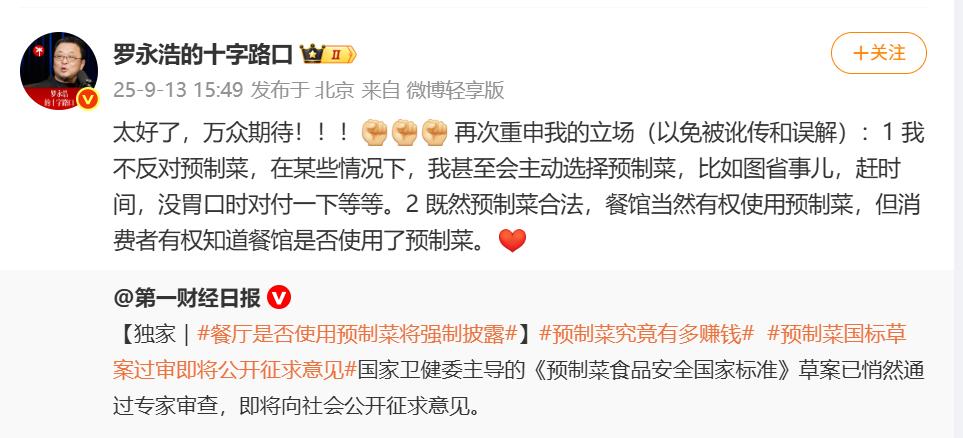
罗永浩决定放弃追究西贝,搁置“十万现金奖励”
Feng Huang Wang· 2025-09-15 12:46
Core Viewpoint - Luo Yonghao has decided to abandon pursuing legal action against Xibei but will assist consumers in initiating a collective lawsuit and will continue to monitor Xibei's actions [1][2]. Group 1: Legal Actions and Decisions - Luo Yonghao has chosen to forgo his previous plans to sue Xibei's CEO, Jia Guolong, citing concerns over the potential negative impact on the restaurant and its employees [1][4]. - He has also abandoned the idea of rewarding Jia Guolong with 100,000 yuan, which he characterized as an act of "emotional impulse" [1][5]. - Luo has committed to helping consumers who wish to sue Xibei over issues related to pre-prepared dishes, providing a contact email for legal assistance [2][5]. Group 2: Consumer Rights and Industry Standards - Luo emphasizes the importance of consumer rights, particularly the right to know about the use of pre-prepared dishes in restaurants, and insists that restaurants should not misrepresent these dishes as freshly made [2][7]. - He has expressed support for the upcoming national standards for pre-prepared food safety, which have passed expert review and are expected to be implemented soon [7]. Group 3: Industry Reactions and Public Discourse - The conflict between Luo Yonghao and Xibei has sparked significant public interest, highlighting the broader debate over the use of pre-prepared dishes in the restaurant industry [2][3]. - Xibei's strong rebuttal to Luo's claims, including an open invitation to inspect their kitchens, has intensified the controversy [2][3]. - The situation has raised questions about the future of Xibei and how Jia Guolong will respond to the ongoing scrutiny [3].


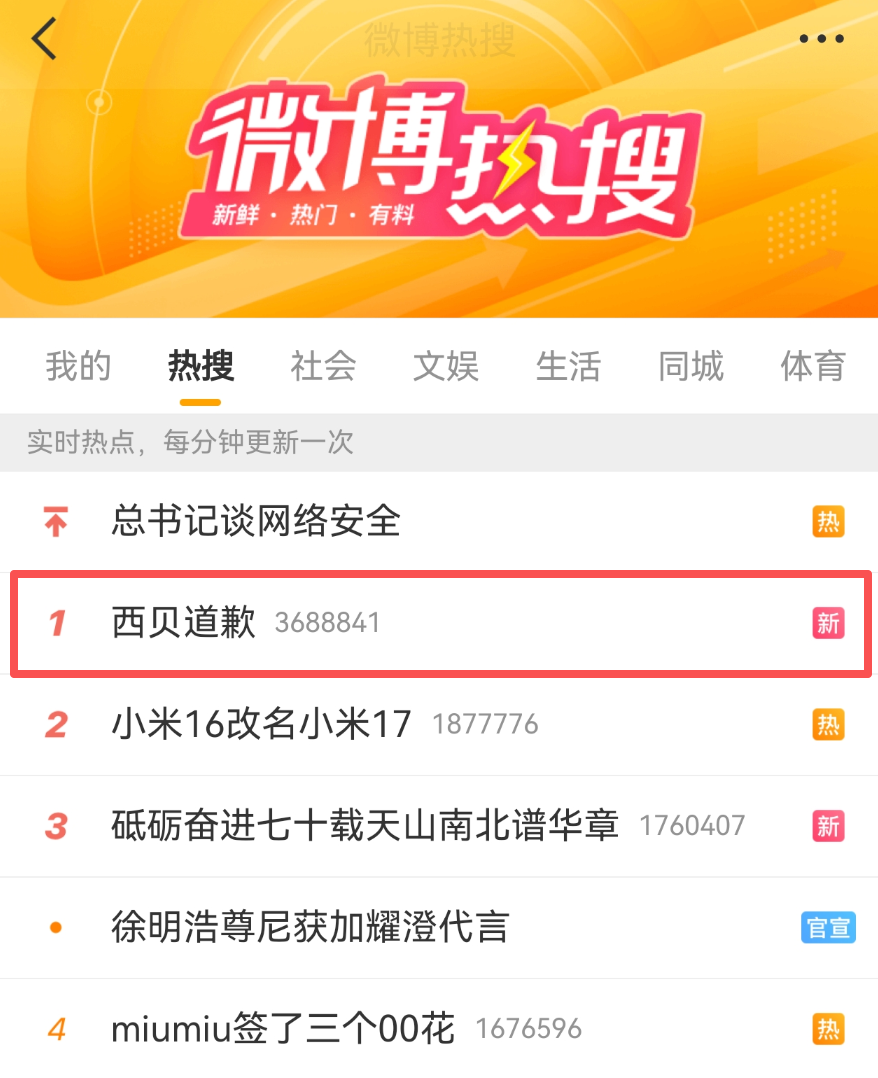
西贝道歉,10月1日前全国门店调整!于东来:希望不要毁了西贝
Zhong Guo Ji Jin Bao· 2025-09-15 06:08
Core Viewpoint - Xibei has issued an apology acknowledging the significant gap between its production processes and customer expectations, committing to improvements in response to customer feedback [2][4][6] Group 1: Apology and Commitment to Change - Xibei expressed deep regret for the inconvenience and concerns caused to customers and thanked those who provided feedback [2][4] - The company emphasized its adherence to strict food safety standards and relevant laws [2] - Xibei plans to implement several adjustments in its operations by October 1, 2025, to enhance customer experience [6][4] Group 2: Specific Changes to Menu and Operations - All dishes using soybean oil will switch to non-GMO soybean oil [6] - Children's meals will be prepared fresh at the store, including beef rice and beef patties [6] - Other menu items, such as fish sticks and lamb skewers, will also be made fresh on-site [6][4] - The company is working with suppliers to address concerns regarding food shelf life while ensuring safety [4][6] Group 3: Industry Reactions and Support - Yu Donglai, founder of Pang Donglai, expressed hope that the public would support Xibei in its efforts to improve rather than destroy the brand [9] - Yu acknowledged the challenges of running a business and encouraged rational understanding from the public [9] - Luo Yonghao responded to Yu, urging him to clarify the situation before being misled by others [10]
新华社、人民日报、央视接连发文
Huan Qiu Shi Bao· 2025-09-15 05:39
Core Viewpoint - The recent discussions surrounding "pre-prepared dishes" highlight consumer concerns regarding their right to know and the demand for improved food quality in the restaurant industry [1][5][9]. Group 1: Definition and Characteristics of Pre-prepared Dishes - Pre-prepared dishes are defined as meals made from one or more food products, processed industrially without preservatives, and requiring heating or cooking before consumption [2][11]. - The use of pre-prepared dishes can enhance operational efficiency in the restaurant industry, particularly in fast-food settings, by allowing for quick meal preparation [2][4]. Group 2: Safety and Nutritional Aspects - Fresh ingredients retain more nutrients, but pre-prepared dishes can still meet nutritional needs if produced and handled according to food safety standards [3]. - The safety of pre-prepared dishes is a concern, especially with smaller restaurants that may not ensure proper food safety, leading to a negative perception among consumers [5][6]. Group 3: Industry Practices and Consumer Rights - Many large chain restaurants utilize pre-prepared dishes due to safety regulations and cost efficiency, which can enhance customer experience by speeding up service [4][5]. - There is a call for clearer definitions and standards for pre-prepared dishes to improve consumer trust and ensure transparency in the food service industry [5][8][9]. Group 4: Regulatory Measures and Future Directions - Recent initiatives aim to promote the safe use of pre-prepared dishes in restaurants, ensuring consumers are informed about their use [10][14]. - Experts suggest that standardization, transparency, and innovation are crucial for the future development of the pre-prepared dish industry [8][9].
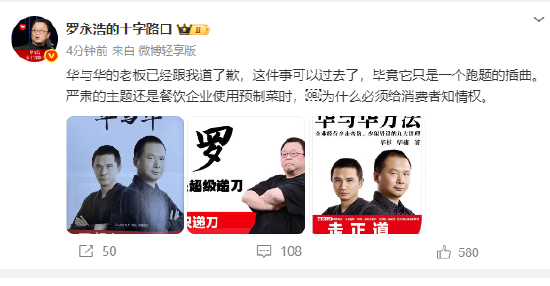
罗永浩:华与华老板已跟我道歉,这件事可以过去了
Xin Lang Ke Ji· 2025-09-15 03:59
Core Viewpoint - The article discusses the controversy surrounding the use of pre-prepared dishes in the restaurant industry, highlighting the importance of consumer awareness regarding such practices [1]. Group 1 - Luo Yonghao stated that the owner of Hua Yu Hua has apologized, indicating that the issue can be considered resolved, as it was merely a side issue [1]. - The main focus remains on the necessity for restaurant companies to provide consumers with the right to know when pre-prepared dishes are used [1].
这场预制菜风波,将如何重塑购物中心餐饮生态?
3 6 Ke· 2025-09-15 02:39
Core Viewpoint - The controversy surrounding "pre-prepared dishes" initiated by Luo Yonghao and Xibei has evolved into a deep discussion within the restaurant industry, highlighting consumer rights to information and the long-standing conflict between industrialized production and consumer expectations [1][2][4]. Group 1: Consumer Rights and Trust - The public dispute between Xibei and Luo Yonghao is fundamentally a trust game concerning consumer rights, with differing definitions of "pre-prepared dishes" at the center of the argument [4][6]. - Xibei's perspective aligns with upcoming national regulations, asserting that their dishes do not qualify as pre-prepared unless fully cooked and packaged in a factory [4][6]. - Consumer perception is subjective, often equating any dish not freshly cooked on-site as pre-prepared, leading to a disconnect between expectations and reality [6][7]. Group 2: Industry Dynamics and Challenges - The debate touches on a structural contradiction in modern chain restaurants: the need for industrialized production versus consumer desire for fresh, flavorful experiences [8][9]. - Central kitchens and pre-preparation techniques are essential for operational efficiency, reducing labor costs by over 30% and increasing output efficiency by four times [8][9]. - Consumer resistance to pre-prepared dishes stems from concerns about the loss of culinary experience and the perception of value when high prices are associated with simple reheated meals [9]. Group 3: Transformation of Dining Ecosystem - The ongoing discussion about consumer rights is driving a transformation in the dining ecosystem within shopping centers, which are increasingly seen as key attractions rather than mere food providers [10][16]. - Data indicates that the proportion of dining establishments in shopping centers is projected to rise from 27.4% in 2022 to 29.5% by 2024, reflecting a shift towards more diverse and experiential dining options [10][12]. - The need for transparency in food preparation processes is becoming a critical factor for shopping centers when selecting dining brands, as consumer trust is a valuable asset [16][17]. Group 4: Future Opportunities and Strategies - Brands that emphasize fresh cooking are likely to gain traction, as the controversy creates opportunities for those committed to traditional cooking methods [18]. - Examples of brands that have successfully positioned themselves around fresh cooking include Xianlali and Fei Dazhu, which highlight their commitment to freshly prepared dishes [18]. - The industry is being compelled to find a balance between operational efficiency and consumer experience, with transparent communication being essential for building trust [18].
罗永浩凌晨喊话西贝贾国龙:“直播对话”!
中国基金报· 2025-09-15 00:34
Core Viewpoint - The ongoing dispute between Luo Yonghao and Xibei over the quality and sourcing of pre-prepared dishes has escalated, highlighting consumer rights and industry standards in the pre-prepared food sector [2][11][18]. Group 1: Dispute Details - Luo Yonghao has publicly criticized Xibei's sourcing practices, questioning the freshness of their ingredients and the rationale behind annual procurement [2][4]. - Luo has suggested a live-streamed dialogue with Xibei's founder, Jia Guolong, to clarify the situation and promote transparency in the pre-prepared food industry [6][8]. - Jia Guolong has previously labeled Luo as a "network black mouth," which Luo claims is defamatory and has indicated potential legal action for defamation [8][11]. Group 2: Industry Context - The controversy has drawn attention from major media outlets, emphasizing the importance of consumer rights and the need for clarity in the pre-prepared food market [11][18]. - The definition of pre-prepared dishes has been clarified, indicating that they are made from processed agricultural products and must meet specific storage and preparation standards [16]. - The public discourse surrounding pre-prepared dishes raises critical questions about industry standards, consumer knowledge, and the balance between convenience and food quality [18].

深夜炸锅!罗永浩彻底怒了!
Zhong Guo Ji Jin Bao· 2025-09-14 16:55
Group 1 - The conflict between Luo Yonghao and Xibei escalated on the night of September 14, with Luo expressing his anger over derogatory comments made by Xibei's founder, Jia Guolong, who referred to Luo as a "network black mouth" and "network black society" [1] - Jia Guolong acknowledged his mistakes and stated that Xibei would learn from the experience, aiming for transparency and improvement, but his comments reignited tensions instead of calming them [1] - Luo Yonghao had previously indicated that he wanted to move on from the pre-made dish incident, but the derogatory remarks led to a public confrontation, with Luo referencing past grievances against Siemens to illustrate his point [1] Group 2 - An article by Xinhua on September 13 emphasized the importance of consumer rights and the need for transparency in the pre-made dish industry, highlighting that the real challenge lies in building consumer trust rather than technical aspects [3] - The People's Daily commented on the necessity for clearer information regarding pre-made dishes, advocating for a rational and constructive discussion to enhance industry standards and consumer confidence [3] - The development of the restaurant industry should focus on both efficiency and consumer assurance, ensuring that the public can trust and understand what they are consuming [3]
事关预制菜,人民日报、新华社、央视集体发文
Feng Huang Wang· 2025-09-14 12:33
Core Viewpoint - The recent discussions surrounding "pre-prepared dishes" have sparked widespread public interest, emphasizing the importance of consumer awareness and the need for transparency in the industry [2][3][4]. Group 1: Definition and Characteristics of Pre-prepared Dishes - Pre-prepared dishes are defined as meals made from one or more food products that undergo industrial pre-processing without preservatives, requiring heating or cooking before consumption [4][12]. - The concept of pre-prepared dishes is not new, as methods like marinating and curing have been used historically in the food industry [4]. - The use of pre-prepared dishes can significantly enhance operational efficiency in the restaurant industry, particularly in fast-food settings, by allowing quick replication of flavors [4][6]. Group 2: Consumer Concerns and Industry Challenges - Consumer concerns regarding pre-prepared dishes primarily revolve around food safety and the right to know about the food they consume [3][7]. - There is a lack of clear definitions and standards for pre-prepared dishes, leading to confusion and mistrust among consumers [8][9]. - Some businesses misrepresent pre-prepared dishes as freshly cooked meals, which undermines consumer trust and raises ethical concerns [8][9]. Group 3: Regulatory and Industry Developments - Recent initiatives aim to promote the high-quality development of the pre-prepared dish industry, including the establishment of cold chain logistics and quality raw material bases [9]. - Experts suggest that standardization, transparency, and innovation are crucial for the future of the pre-prepared dish industry [10]. - Regulatory bodies are encouraged to implement a disclosure system for pre-prepared dishes in restaurants to protect consumer rights [10][16]. Group 4: Food Safety and Quality Assurance - Ensuring food safety in the production and distribution of pre-prepared dishes is essential, with calls for stricter oversight and adherence to safety standards [15][17]. - The prohibition of preservatives in pre-prepared dishes aligns with consumer expectations for fresh and safe food options [17]. - The industry must focus on risk management throughout the supply chain to maintain food safety and quality [17].
事关预制菜,人民日报、新华社、央视集体发文
财联社· 2025-09-14 11:59
Core Viewpoint - The recent discussions surrounding "pre-prepared dishes" have sparked widespread public interest, emphasizing the importance of consumer awareness and the need for transparency in the industry [1][2][3]. Group 1: Definition and Characteristics of Pre-prepared Dishes - Pre-prepared dishes are defined as meals made from one or more food products that undergo industrial pre-processing without the addition of preservatives, and are packaged for heating or cooking before consumption [4][12]. - The concept of pre-prepared dishes is not new, as methods like marinating and curing have been used historically in the food industry [4][5]. Group 2: Advantages and Industry Adoption - Pre-prepared dishes offer significant advantages over traditional cooking methods, such as improved operational efficiency for restaurants, especially in fast-food settings, allowing for quick service and cost-effectiveness [5][6]. - Large chain restaurants frequently utilize pre-prepared dishes to comply with safety regulations and enhance customer experience by speeding up service [6]. Group 3: Consumer Concerns and Industry Challenges - There are concerns regarding food safety and quality, particularly from smaller restaurants that may not meet safety standards, leading to a negative perception of pre-prepared dishes among consumers [7]. - The lack of clear definitions and standards for pre-prepared dishes has contributed to consumer uncertainty and mistrust [7]. Group 4: Regulatory Measures and Future Directions - Recent initiatives aim to promote transparency in the use of pre-prepared dishes in restaurants, ensuring consumers are informed about what they are purchasing [8][15]. - Experts suggest that the future of the pre-prepared dish industry lies in standardization, transparency, and innovation, with calls for national standards to guide production and safety [8][9].

罗永浩发博息战:西贝的事情告一段落
Xin Lang Cai Jing· 2025-09-14 08:38
Group 1 - The core issue revolves around the controversy involving the restaurant chain Xibei and its use of pre-prepared dishes, with public figures like Luo Yonghao commenting on the matter [5][6][9] - Luo Yonghao stated that he does not oppose pre-prepared dishes but emphasizes the need for transparency in the market, allowing consumers to know if restaurants use such products [4][5] - Xibei's founder, Jia Guolong, described the situation as the biggest external crisis since the company's inception, reporting a significant drop in revenue during the controversy, with losses estimated at 1 million yuan on September 10 and 11, and 2 to 3 million yuan on September 12 [6][9] Group 2 - The National Health Commission is set to release a draft national standard for pre-prepared dishes, which will clarify their status and require restaurants to disclose their use [4] - Industry leaders have rallied in support of Xibei, highlighting the importance of protecting established brands from unfounded accusations [6][9][10] - Xibei, founded in 1988, has grown to operate over 370 stores across 62 cities in China, employing around 18,000 people, and focuses on Northwest cuisine through its main brand, Xibei Youmian Village [13]