
贸易投资一体化

Search documents
商务部:2025年中国外贸亮点纷呈,充分展现了韧性与活力
Xin Lang Cai Jing· 2026-01-15 08:08
Group 1 - The core viewpoint is that China's foreign trade in 2025 showed resilience and vitality, contributing positively to the global economic development, with total imports and exports reaching 45.47 trillion yuan, a year-on-year increase of 3.8% [1] - The growth pace of foreign trade is more stable, with a continuous increase for nine years [1] - The innovation momentum is continuously enhancing, with exports of electromechanical products growing by 9%, accounting for over 60% for the first time [1] - The international competitiveness of green low-carbon products has significantly improved, and new business models like cross-border e-commerce are emerging [1] - Trade partners are becoming more diversified, with growth in imports and exports with over 190 countries and regions, and the proportion of trade with Belt and Road Initiative countries rising to 51.9% [1] Group 2 - In 2026, China faces profound and complex changes in the external environment, with both strategic opportunities and risks, leading to increased uncertainty [2] - Despite challenges, China's economic foundation remains stable, with many advantages, strong resilience, and significant potential for foreign trade development [2] - The Ministry of Commerce will implement the decisions of the central government, focusing on innovation, quality improvement, and promoting trade and investment integration to stabilize the foreign trade fundamentals [2]
商务部部署八大重点,这些领域或将迎来消费爆发
21世纪经济报道· 2026-01-13 04:29
Group 1 - The core focus of the national business conference held on January 10-11 is to boost consumption, which is prioritized as the first key area of work for 2026 [4][5] - The conference emphasizes the need to accelerate the construction of a new development pattern, promoting high-quality development while balancing domestic economic work and international trade struggles [1][5] - The goal is to establish a strong domestic market, expand autonomous openness, and innovate trade development, indicating a proactive approach to high-quality development rather than a defensive contraction [1][5] Group 2 - The implementation of a consumption boost initiative includes creating the "Buy in China" brand and optimizing policies for replacing old products with new ones to enhance consumption [5][6] - The policy aims to support the purchase of energy-efficient appliances and vehicles, with projections of 18.3 million cars and 192 million home appliances being replaced under this initiative, generating significant sales and benefiting millions of consumers [5][6] - The green consumption market is expected to grow steadily, driven by the increasing availability of green products and innovative consumption models [6] Group 3 - The conference highlights the importance of stimulating consumption in rural and county areas, recognizing their potential for growth as rural retail sales have consistently outpaced urban areas [8][9] - Data shows that rural retail sales grew by 4.4% compared to 3.9% in urban areas, indicating a shift in focus towards enhancing county-level consumption and supporting rural economic development [8][9] - The initiative includes financial support for county-level consumption and promoting the sale of agricultural products, which is crucial for rural revitalization [9] Group 4 - The conference calls for greater efforts to build high-standard open platforms, particularly through the development of the Hainan Free Trade Port, which aims to align with international trade rules [10][11] - Hainan's practices are expected to serve as a testing ground for China's participation in high-level trade agreements like the CPTPP, enhancing China's influence in global trade rule-making [12] Group 5 - The conference emphasizes the integration of trade and investment, promoting the "Export China" and "Investment China" brands while enhancing the overall efficiency of the business system [14][15] - The focus is on creating a synergistic relationship between trade and investment, which is essential for stabilizing foreign trade and investment in a complex international environment [16] - The two integrations aim to improve the resilience and proactive nature of China's open economy, facilitating better resource sharing and market adaptability [16]

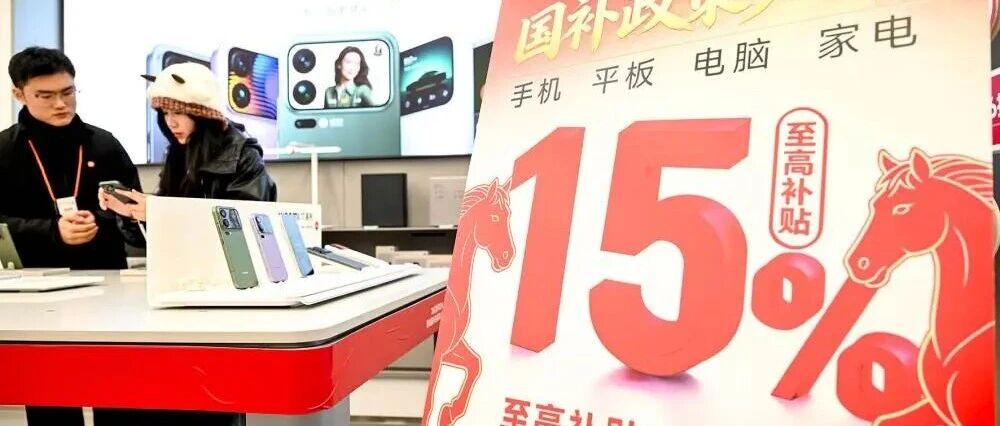
商务部部署八大重点 消费或在这些领域爆发
2 1 Shi Ji Jing Ji Bao Dao· 2026-01-12 23:12
Group 1: Core Insights - The national business conference emphasizes boosting consumption as the top priority for 2026, aiming to create a strong domestic market and enhance high-quality development [1][2] - The conference outlines eight key areas of focus, including trade innovation, foreign investment expansion, and the integration of domestic and international markets [1][10] - The approach reflects a shift towards a consumption-driven economy, with a clear recognition of external uncertainties and the need for a balanced development strategy [1][11] Group 2: Consumption and Green Initiatives - The implementation of a consumption upgrade policy, including a "trade-in" program for energy-efficient appliances and vehicles, is expected to significantly boost green consumption [3][4] - The projected outcomes for 2024-2025 include 18.3 million vehicles being traded in, with nearly 60% being new energy vehicles, and 192 million appliances, with 90% meeting high-efficiency standards [3] - The green consumption initiative aims to enhance consumer safety and promote sustainable practices through incentives like green product points and trade-in benefits [5][4] Group 3: Downstream Market Potential - The conference identifies stimulating consumption in rural and county markets as a key focus, highlighting the growth potential in these areas compared to urban markets [6][7] - Data shows that rural retail sales growth outpaces urban areas, indicating significant untapped consumer potential [6] - The strategy includes financial support for county-level consumption initiatives and enhancing the sales of agricultural products [6][7] Group 4: Open Economy and Trade Integration - The conference calls for advancing the construction of high-standard open economic zones, particularly focusing on the Hainan Free Trade Port [8][9] - The integration of trade and investment is emphasized, with initiatives to enhance service trade and optimize import and export structures [10][11] - The dual focus on "internal and external trade integration" aims to improve the overall efficiency of the business system and strengthen resilience against external shocks [11]
商务部部署八大重点,消费或在这些领域爆发
Xin Lang Cai Jing· 2026-01-12 23:09
Group 1: Core Objectives of the National Business Work Conference - The conference emphasized the importance of boosting consumption as the top priority for 2026, aiming to create a strong domestic market and enhance high-quality development [1][2] - The focus on "self-initiated openness," "trade innovation," and "two-way investment" indicates a strategic shift towards a more selective and higher-level openness rather than a defensive contraction [1] - The overall direction set by the conference aims to stabilize expectations and strengthen confidence for high-quality business development during the 14th Five-Year Plan period [1] Group 2: Green Consumption Initiatives - The implementation of a consumption upgrade policy, including subsidies for energy-efficient appliances and new energy vehicles, is expected to significantly boost green consumption [3][4] - The "old-for-new" policy is projected to lead to the replacement of 1.83 million vehicles and 192 million home appliances, generating a sales volume of 3.92 trillion yuan and benefiting approximately 494 million consumers [3] - The introduction of a green consumption points system aims to incentivize consumers to choose green products, linking points to public service benefits [4][5] Group 3: Activation of Downstream Market Consumption - The conference identified the activation of consumption in rural and county areas as a key focus for 2026, recognizing the significant potential in these markets [6][7] - Data shows that rural retail sales growth outpaces urban areas, indicating a shift towards quality and service-oriented consumption in these markets [7][8] - The emphasis on enhancing rural consumption and supporting local products aligns with broader strategies to improve the rural economy and increase consumer spending [7][8] Group 4: Promotion of Free Trade Zones and Open High Grounds - The conference called for greater efforts to align with international high-standard trade rules and enhance the construction of free trade zones, particularly in Hainan [9][10] - Hainan's free trade port is set to serve as a testing ground for high-level openness, potentially influencing China's participation in global trade rule restructuring [9][10] - The focus on trade and investment integration aims to create synergies between trade and investment, enhancing the overall efficiency of the business system [11]
着力打造“购在中国”品牌
Xin Lang Cai Jing· 2026-01-11 22:26
Group 1 - The core focus of the national business system is to implement eight key initiatives to boost consumption, trade, and investment by 2026, marking the beginning of the 14th Five-Year Plan [1][2] - The first priority is to enhance the "Buy in China" brand by fostering new growth points in service consumption, optimizing the old-for-new consumption policy, and creating an international consumption environment [2][3] - The meeting emphasizes the importance of developing digital, green, and health consumption to invigorate the lower-tier market [2] Group 2 - The initiative to promote the "Export China" brand includes optimizing and upgrading goods trade, significantly developing service trade, and encouraging service exports [2][3] - The focus is on innovating digital and green trade while promoting the integration of trade and investment [2] - To attract foreign investment, the strategy includes expanding autonomous openings in the service sector and enhancing the foreign investment service guarantee system, thereby polishing the "Invest in China" brand [2][3] Group 3 - The meeting outlines the need for effective management of foreign investments, guiding cross-border supply chain layouts, and enhancing overseas service systems [3] - It also highlights the importance of deepening "Belt and Road" economic cooperation and developing cross-border e-commerce [3] - The agenda includes expanding and enriching the free trade zone network and improving the legal framework related to foreign trade [3]
坚持对外开放,推动多领域合作共赢——着力推进全年经济工作八大重点任务④
Ren Min Ri Bao· 2026-01-08 08:33
Group 1 - The core viewpoint emphasizes the importance of expanding high-level opening-up as a key strategy for reform and development in the context of changing global dynamics and international relations [7] - China aims to enhance trade and investment liberalization and facilitation, sharing development opportunities with the world to inject positive energy into global development [7] - The focus on "institutional opening-up" is highlighted as a critical direction for expanding openness, which involves aligning with international high-standard economic and trade rules [10][11] Group 2 - In 2025, China's total import and export value reached 41.21 trillion yuan, showing a year-on-year growth of 3.6%, indicating resilience in foreign trade despite external challenges [12] - The integration of trade and investment, as well as domestic and international markets, is emphasized as a strategic move to respond to profound changes in the global economic landscape [12][13] - The development of service trade is prioritized, with a focus on innovation and growth in sectors like cloud computing and artificial intelligence to create new growth points [14] Group 3 - The "Belt and Road" initiative is highlighted as a platform for enhancing international economic cooperation, with imports and exports to participating countries reaching 21.33 trillion yuan, a 6% increase year-on-year [17] - China is actively expanding its network of high-standard free trade agreements, having signed 24 agreements with 31 countries and regions, which is crucial for advancing higher levels of opening-up [18]
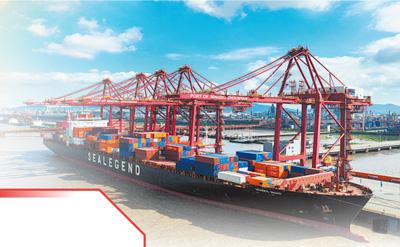
坚持对外开放,推动多领域合作共赢
Ren Min Ri Bao· 2026-01-08 02:12
Core Viewpoint - China is committed to expanding high-level opening-up to promote trade and investment liberalization, aiming to share development opportunities with the world and inject positive energy into global development [8][9]. Group 1: High-Level Opening-Up - The current global situation is rapidly changing, and China emphasizes the importance of high-level opening-up as a strategic choice to navigate these changes [8]. - Xi Jinping highlighted China's role as a major contributor to global economic growth and stability, reinforcing the commitment to high-level opening-up [8]. - The 2025 Central Economic Work Conference stressed the need to better coordinate domestic economic work with international trade struggles [8]. Group 2: Institutional Opening-Up - Institutional opening-up focuses on aligning international rules and standards, which is essential for overcoming systemic barriers and creating new competitive advantages [9]. - The establishment of Free Trade Zones (FTZs) is a key initiative for testing institutional opening-up, contributing to about 20% of China's foreign investment and trade [9]. - The Hainan Free Trade Port is highlighted as a significant platform for high-standard trade rules and efficient customs models, supporting the development of a comprehensive industrial ecosystem [10]. Group 3: Foreign Trade Quality Improvement - China's foreign trade is a crucial engine for economic growth, with a total import and export value of 41.21 trillion yuan, reflecting a 3.6% year-on-year increase [11]. - The strategy for enhancing foreign trade quality includes promoting trade-investment integration and domestic-international market integration [12][14]. - There is a focus on developing service trade, digital trade, and green trade to foster new growth drivers in foreign trade [15]. Group 4: Comprehensive Cooperation - China is expanding its openness to promote cooperation and mutual benefits, with a notable example being the "China-Laos Railway" facilitating trade with Southeast Asian countries [16]. - The first China International Import Expo showcased products from global companies, emphasizing the importance of creating a transparent and stable investment environment [17]. - The Belt and Road Initiative is seen as a collaborative effort to enhance international economic cooperation, with trade with Belt and Road countries reaching 21.33 trillion yuan, a 6% increase [18]. Group 5: Trade Agreements Expansion - China is actively working to expand its network of high-standard free trade agreements, having signed 24 agreements with 31 countries and regions [19]. - The focus is on leveraging multilateral platforms to accelerate the signing of regional and bilateral trade agreements, enhancing economic partnerships [19].

坚持对外开放,推动多领域合作共赢——着力推进全年经济工作八大重点任务④(稳中求进、提质增效 实现“十五五”良好开局)
Ren Min Ri Bao· 2026-01-08 02:07
Core Viewpoint - China is committed to expanding high-level opening-up to promote trade and investment liberalization, aiming to share development opportunities with the world and inject positive energy into global development [8][10]. Group 1: High-Level Opening-Up - The central economic work meeting emphasizes the importance of better coordinating domestic economic work and international economic and trade struggles [8]. - Xi Jinping highlighted China's role as a major contributor to global economic growth and stability, reinforcing the commitment to high-level opening-up [8]. - By 2026, the international economic and trade landscape will undergo significant restructuring, necessitating a rational and dialectical analysis of the complex external environment [8]. Group 2: Institutional Opening-Up - Institutional opening-up focuses on aligning international rules, regulations, management, and standards, which is crucial for overcoming systemic barriers and creating new competitive advantages [10]. - The establishment of free trade pilot zones and free trade ports serves as key platforms for testing institutional opening-up initiatives [10]. - The Hainan Free Trade Port, launched in December 2025, is positioned as a significant gateway for high-level opening-up, providing a stable and efficient platform for cooperation [10][11]. Group 3: Foreign Trade Quality Improvement - In the first 11 months of 2025, China's total goods trade reached 41.21 trillion yuan, with a year-on-year growth of 3.6% [12]. - The central economic work meeting outlined strategies for promoting integrated development of trade and investment, as well as domestic and international markets [12]. - Emphasis is placed on enhancing service trade, digital trade, and green trade to cultivate new growth drivers in foreign trade [13][14]. Group 4: Comprehensive Cooperation - In November 2025, a special train carrying photovoltaic glass boards from Jiangsu to Laos demonstrated the efficiency of rail transport, reducing transit time by nearly half compared to traditional sea transport [15]. - China aims to expand its opening-up to promote cooperation and win-win outcomes across broader fields and deeper levels [15]. - The first China International Import Expo showcased innovative products, highlighting the importance of creating a transparent and stable environment for foreign investment [16]. Group 5: Belt and Road Initiative - In the first 11 months of 2025, China's trade with Belt and Road countries reached 21.33 trillion yuan, reflecting a year-on-year increase of 6% [17]. - Strengthening strategic alignment and enhancing infrastructure connectivity are essential for optimizing international economic cooperation [17]. - The focus is on signing more regional and bilateral trade and investment agreements to expand new spaces for win-win development [18].
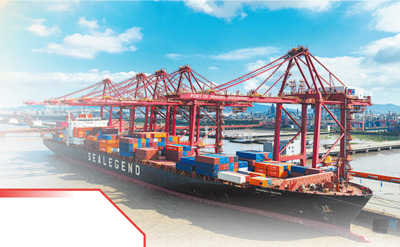
稳中求进、提质增效 实现“十五五”良好开局|坚持对外开放,推动多领域合作共赢
Ren Min Ri Bao· 2026-01-08 01:47
Group 1: High-Level Opening Up - The core viewpoint emphasizes that expanding high-level opening up is crucial for promoting reform and development amidst changing global dynamics [1] - China aims to enhance trade and investment liberalization and facilitation, sharing development opportunities with the world [1] - The 2025 Central Economic Work Conference highlighted the need to better coordinate domestic economic work with international trade struggles [1] Group 2: Institutional Opening Up - Institutional opening up is identified as a key direction for expanding openness, focusing on aligning with international high-standard economic and trade rules [2] - The establishment of Free Trade Zones (FTZs) serves as a testing ground for institutional opening up, contributing significantly to foreign investment and trade [2] Group 3: Foreign Trade Quality Improvement - In 2025, China's total goods trade value reached 41.21 trillion yuan, reflecting a year-on-year growth of 3.6% [6] - The strategy for enhancing foreign trade quality includes promoting trade-investment integration and domestic-international trade integration [7][9] Group 4: Service Trade and New Growth Drivers - The development of service trade is emphasized, with a focus on innovation to increase its share in total foreign trade [11] - The government plans to support cities in the eastern and central regions to develop high-end service outsourcing businesses [11] Group 5: Belt and Road Initiative - In the first eleven months of 2025, trade with Belt and Road countries reached 21.33 trillion yuan, marking a 6% increase [14] - The strategy involves enhancing infrastructure connectivity and deepening cooperation with Belt and Road countries [14] Group 6: Trade Agreements Expansion - China is actively expanding its network of high-standard Free Trade Agreements (FTAs), having signed 24 agreements with 31 countries and regions [15] - The focus is on leveraging multilateral platforms to accelerate the signing of regional and bilateral trade investment agreements [15]

坚持对外开放,推动多领域合作共赢(稳中求进、提质增效 实现“十五五”良好开局)
Ren Min Ri Bao· 2026-01-08 01:21
Group 1: Economic Strategy and International Trade - The core viewpoint emphasizes the importance of expanding high-level opening-up as a key strategy for reform and development in the context of changing global dynamics [1] - China aims to better coordinate domestic economic work with international trade struggles, highlighting the need for a strategic approach to external challenges [1] - The central economic work meeting has set a clear direction for promoting trade and investment integration, as well as the integration of domestic and international markets [5][6] Group 2: Institutional Opening and Free Trade Zones - Institutional opening is identified as a critical direction for expanding openness, focusing on aligning international rules and standards [2][3] - The establishment of free trade zones and ports serves as a testing ground for institutional opening, contributing significantly to foreign investment and trade [3] - The Hainan Free Trade Port is highlighted as a key platform for high-standard trade rules and efficient customs models, enhancing China's institutional opening efforts [3][4] Group 3: Foreign Trade Quality Improvement - China's foreign trade has shown resilience, with a total import and export value of 41.21 trillion yuan, reflecting a year-on-year growth of 3.6% in the first eleven months of 2025 [5] - The focus is on promoting service trade, digital trade, and green trade to cultivate new growth drivers in foreign trade [9] - The integration of trade and investment is emphasized as a strategic response to global economic changes, fostering a virtuous cycle of investment and trade [7] Group 4: Belt and Road Initiative and International Cooperation - The Belt and Road Initiative is framed as a collaborative effort, with trade volume with participating countries reaching 21.33 trillion yuan, a 6% increase year-on-year [12] - Strengthening strategic connections and infrastructure links with Belt and Road countries is essential for expanding international economic cooperation [12] - The initiative aims to enhance mutual trust and benefit among participating nations, promoting a comprehensive and interconnected network [12] Group 5: Trade Agreements and Market Expansion - China is actively expanding its network of high-standard free trade agreements, having signed 24 agreements with 31 countries and regions [13] - The focus is on leveraging multilateral platforms to accelerate the signing of regional and bilateral trade investment agreements [13] - The goal is to implement zero-tariff measures for 100% of products for 53 African countries, showcasing a flexible approach to trade agreements [13]