
超导材料

Search documents
3D打印超导体磁场强度创纪录
Ke Ji Ri Bao· 2025-08-29 00:27
Core Insights - Researchers at Cornell University have developed a groundbreaking "one-step" 3D printing method for creating record-performance superconductors, specifically niobium nitride, achieving an unprecedented upper critical magnetic field of 40-50 teslas [1][2] - This new method simplifies traditional complex processes, potentially advancing various fields from medical imaging magnets to quantum devices [1] Group 1: Research Breakthrough - The 3D printed niobium nitride superconductor exhibits a record "constraint effect induced value" due to its nanoporous structure, which is crucial for strong superconducting magnets like MRI machines [2] - The team previously utilized block copolymers for self-assembling superconductors, demonstrating that soft material methods can produce superconductors with performance comparable to traditional methods [1][2] Group 2: Methodology and Efficiency - The new "one-step" process uses an "ink" composed of block copolymers and inorganic nanoparticles, allowing for self-assembly during 3D printing and subsequent thermal treatment to form porous crystalline superconductors [1] - This method eliminates multiple synthesis steps, powder preparation, binder addition, and several heating cycles, significantly enhancing efficiency [1] Group 3: Future Applications - The team plans to extend this method to other superconducting materials like titanium nitride and explore complex 3D geometries that are difficult to achieve with traditional methods [2] - The record high surface area resulting from the porous architecture opens new avenues for research into quantum materials and the development of next-generation devices [2]
永鼎股份新设科技公司,含超导材料制造业务
Qi Cha Cha· 2025-08-26 02:22
Group 1 - The core point of the article is the establishment of a new technology company, Dongchao Frontier (Shanghai) Technology Co., Ltd., which is involved in the manufacturing and sales of superconducting materials [1] - The new company has a registered capital of 10 million yuan and its business scope includes superconducting material sales, manufacturing, and electronic special equipment sales [1] - Dongchao Frontier is wholly owned by Yongding Co., Ltd. through its subsidiary, Eastern Superconducting Technology (Suzhou) Co., Ltd. [1]

聚变高端金属材料研发联合实验室第二次工作会议暨超导材料高端学术论坛召开
Zheng Quan Shi Bao Wang· 2025-08-18 09:09
Core Viewpoint - The meeting focused on the development of advanced superconducting materials and the strategic positioning of China Nonferrous Metal Group in cutting-edge technologies and future industries [1] Group 1: Company Initiatives - China Nonferrous Metal Group is leading the charge in frontier technologies, taking on tasks related to superconducting materials and controllable nuclear fusion as part of the State-owned Assets Supervision and Administration Commission's future manufacturing initiatives [1] - The company’s subsidiary, China Nonferrous (Ningxia) Oriental Group Co., Ltd., is positioned among the global leaders in low-temperature superconducting materials, with a project to produce 500 niobium superconducting cavities set to make it the largest manufacturer of radio frequency superconducting cavities worldwide [1] Group 2: Collaborative Efforts - A high-temperature superconducting engineering center has been established in collaboration with Songshan Lake Materials Laboratory, guided by Academician Zhao Zhongxian, to focus on the research and industrialization of high-temperature superconducting materials [1] - The meeting aimed to enhance cooperation and exchange among various parties to promote breakthroughs in the research and application of superconducting materials [1]
可控核聚变专题:磁体材料更迭驱动托卡马克性能提升
2025-08-11 14:06
Summary of Key Points from the Conference Call Industry Overview - The nuclear fusion sector is experiencing rapid advancements, with both state-owned and private enterprises exceeding expectations in project progress. The Helen project plans to sell electricity to Microsoft by 2030, indicating a rising phase for industry catalysts [1][2]. Core Insights and Arguments - Various technical routes for nuclear fusion exist, with magnetic confinement technology showing greater scalability potential. The Tokamak device is the mainstream choice, with projects like ITER and BEST adopting this technology, while smaller FRC designs are more suitable for distributed power generation [1][6]. - Superconducting materials are critical to Tokamak devices, with high-temperature superconductors expected to account for nearly 50% of materials used in the future. Companies to watch include Shanghai Superconductor, Yongding, and Jinda, as well as magnet companies like Lianchuang Optoelectronics [1][7]. - The magnetic confinement scheme is preferred due to its strong engineering feasibility and long energy confinement time, achieved through strong magnetic fields that confine charged particles for controlled nuclear fusion [1][8]. Market Trends and Projections - The market demand for high-temperature superconducting materials in nuclear fusion magnets is projected to grow from 300 million yuan in 2024 to 4.9 billion yuan by 2030, with a compound annual growth rate (CAGR) of approximately 60% [3][15]. - The current focus in the nuclear fusion sector includes domestic project planning and bidding, as well as ignition progress in international projects. Key upcoming events include the Chengdu advanced skills unveiling and various bidding activities from companies like Shanghai China Fusion Energy and Nova Fusion [2][5]. Technical Insights - The Tokamak discharge process involves three stages: gas injection into the vacuum chamber, rapid current induction to accelerate free electrons, and further gas injection to increase reactant density and temperature [10][11]. - Superconducting materials significantly enhance nuclear fusion performance, with early materials achieving magnetic field strengths of 3-5 Tesla, while future trends indicate potential peaks of 12 Tesla with high-temperature superconductors [12][14]. Competitive Landscape - In the superconducting cable sector, notable companies include ASD, FFG, and Furukawa Electric internationally, with domestic players like West Superconducting Cable and Shanghai Superconducting Cable leading the market. Shanghai Superconducting Cable is expanding rapidly and supplying to major projects [16][17]. Additional Important Points - The distinction between magnetic mirror, stellarator, and Tokamak devices lies in their magnetic field structures and plasma confinement methods, with Tokamak being the most researched and developed [9]. - High-temperature superconductors are more advantageous than low-temperature ones due to their operational efficiency in liquid nitrogen environments and lower production costs, despite the initial high costs associated with first-generation materials [13]. This summary encapsulates the essential insights and developments within the nuclear fusion industry as discussed in the conference call, highlighting both current trends and future projections.
深度解析:万亿核聚变竞赛背后的超导材料之战(附产业链图谱)
材料汇· 2025-07-29 15:37
Industry Overview - The superconducting materials industry is a crucial segment of advanced materials, showcasing unique properties such as zero electrical resistance and the Meissner effect, with applications in energy, transportation, medical, and high-end manufacturing sectors [2][5]. - The industry has evolved from low-temperature superconductors to high-temperature superconductors, becoming a focal point in global technological competition, especially with the increasing demand for clean energy and efficient transmission [2][5]. Major Superconducting Materials and Preparation Processes - Superconducting materials are categorized based on critical temperature: low-temperature superconductors (Tc ≤ 25K) and high-temperature superconductors (Tc ≥ 25K) [11][12]. - Low-temperature superconductors include NbTi and Nb3Sn, while high-temperature superconductors include various cuprates like YBCO and Bi-2212 [11][12]. - The preparation methods for these materials vary, with powder-in-tube (PIT) being the mainstream process for most superconductors, while advanced techniques like pulsed laser deposition (PLD) and metal-organic chemical vapor deposition (MOCVD) are used for high-temperature superconductors [42][67]. Key Application Areas - The primary application of superconducting materials is in the field of controlled nuclear fusion and high-field applications, where their ability to carry large currents and generate strong magnetic fields is essential [30][31]. - Superconducting materials are also utilized in power applications, such as superconducting cables, motors, and energy storage systems, enhancing efficiency and reducing size and weight [30][31]. Competitive Landscape of High-Temperature Superconductors - The competitive landscape for high-temperature superconductors is characterized by ongoing technological advancements and the emergence of new materials, with companies like SuperPower and Fujikura leading in the development of REBCO materials [50][68]. - The market is witnessing a shift towards the commercialization of high-temperature superconductors, with significant investments from governments and private sectors aimed at enhancing production capabilities and reducing costs [50][68]. Market Size Forecast - The superconducting materials market is expected to grow significantly, driven by increasing applications in energy, transportation, and advanced manufacturing sectors, with a focus on reducing operational costs and improving efficiency [2][5]. Related Companies - Key players in the superconducting materials industry include SuperPower, Fujikura, and various domestic companies in China such as Shanghai Superconductor and Eastern Superconductor, each employing different technological routes for material production [68].

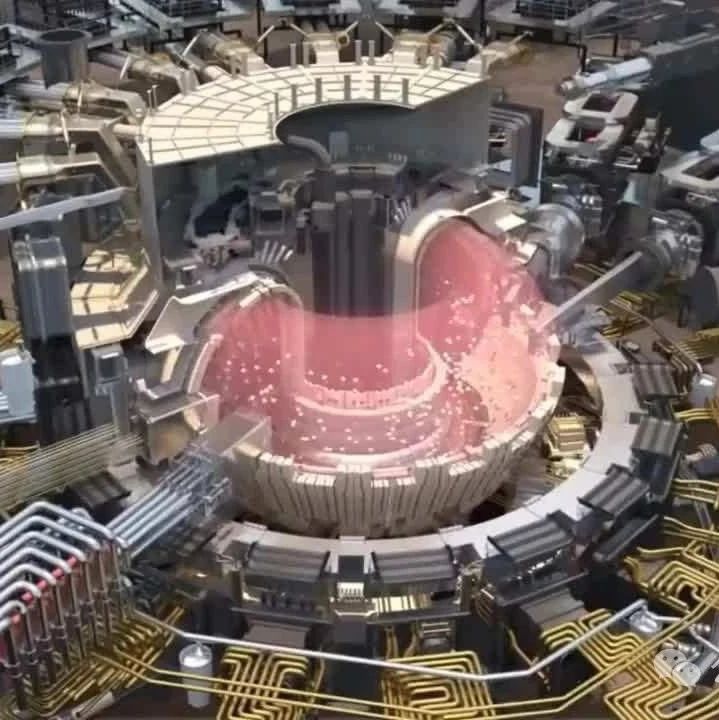
可控核聚变专题:关于超导的研究和探讨:高温超导带材技术突破有望推进托卡马克商业化
CMS· 2025-07-14 15:39
Investment Rating - The report maintains a "Buy" recommendation for the superconducting materials industry, particularly focusing on high-temperature superconductors [2]. Core Insights - The breakthrough in high-temperature superconducting wire technology is expected to advance the commercialization of Tokamak nuclear fusion devices, which are the mainstream technology for nuclear fusion globally [1][9]. - The market for high-temperature superconducting materials is projected to grow at a CAGR of over 20% from 2023 to 2028, with the market size expected to reach $2.15 billion by 2028, up from $850 million in 2023 [5][28]. - The competitive landscape for second-generation high-temperature superconducting wires is favorable, with key suppliers including Shanghai Superconductor and Eastern Superconductor, which hold significant market shares [5][29]. Summary by Sections 1. What are Superconductors and Superconducting Materials? - Superconducting materials exhibit zero electrical resistance and the ability to expel magnetic fields under certain conditions, significantly enhancing the magnetic field strength in Tokamak devices, thus reducing construction costs [9][10]. 2. Composition, Barriers, and Applications of Superconducting Magnets - Superconducting magnets constitute about 30% of the cost of Tokamak devices, with superconducting wires being the primary cost component [34]. - The main technical barriers in superconducting magnet manufacturing include material performance, conductor technology, winding techniques, and protection against quenching [38]. 3. Company Analysis in the Superconducting Sector - Key players in the superconducting wire segment include: - **Western Superconductor**: Leading in low-temperature superconducting materials and the only supplier of NbTi wire for ITER in China [46]. - **Shanghai Superconductor**: A leader in high-temperature superconducting wire with an IPO in progress, holding over 80% market share domestically [50]. - **Eastern Superconductor**: A subsidiary of Yongding Co., focusing on high-temperature superconducting wire production [64]. - **Lianchuang Optoelectronics**: Engaged in high-temperature superconducting magnet production and has secured contracts for significant projects [69]. - **Xue Ren Co. and Ice Wheel Environment**: Suppliers of helium gas compression systems essential for low-temperature superconducting applications [71][74].


未来产业:核聚变关键部件与材料投资机会(附投资逻辑与标的)
材料汇· 2025-07-11 15:49
Core Insights - The article discusses the rapid advancements in nuclear fusion technology and outlines key milestones and future projections for the industry [1][2][6][17]. Group 1: Current Progress and Future Milestones - The ITER project is set to begin plasma experiments with deuterium-tritium by 2036 and aims for full magnetic energy operation by 2039 [2]. - The HL-3 project in China is expected to achieve a fusion triple product of 10^20 by May 2025, marking significant progress in fusion experiments [3]. - The EAST project has already set a world record by achieving 1 billion degrees Celsius for 1066 seconds in January 2025 [4]. - The BEST project is scheduled to be completed by 2027 and aims to demonstrate fusion power generation by 2030 [5]. Group 2: Investment and Market Growth - The nuclear fusion industry is projected to attract over $7.1 billion in investments in 2024, with new funding exceeding $900 million and public funding increasing by 57% to $426 million [6]. - The global nuclear fusion market is expected to grow from $345.1 billion in 2025 to $633.8 billion by the end of 2037, with a compound annual growth rate of 5.1% [6]. Group 3: Key Components and Materials - Key components in nuclear fusion include the magnet system, in-vessel components (like the divertor and blanket), and vacuum chambers, which account for 28%, 17%, and 8% of the total construction cost, respectively [7][51]. - Essential materials for fusion reactors include tungsten, beryllium, RAFM steel, superconductors, and tritium breeding materials, with breakthroughs in high-temperature superconductors and tungsten alloys expected to accelerate industry development [8][9][10][11]. Group 4: Global Fusion Device Status - As of June 2025, there are 168 fusion devices globally, with tokamaks, stellarators, and inertial lasers being the most common types [37]. - The United States leads in the number of fusion devices, followed by Japan and China, with significant contributions from Russia, the UK, Germany, and France [37]. Group 5: China's Role in Fusion Development - China has committed to producing 18 key components for the ITER project, covering nearly all critical parts of the device [47]. - The country is advancing rapidly in fusion technology, with projects like the HL-3 and EAST positioning it among the top players in the global fusion landscape [52][58].
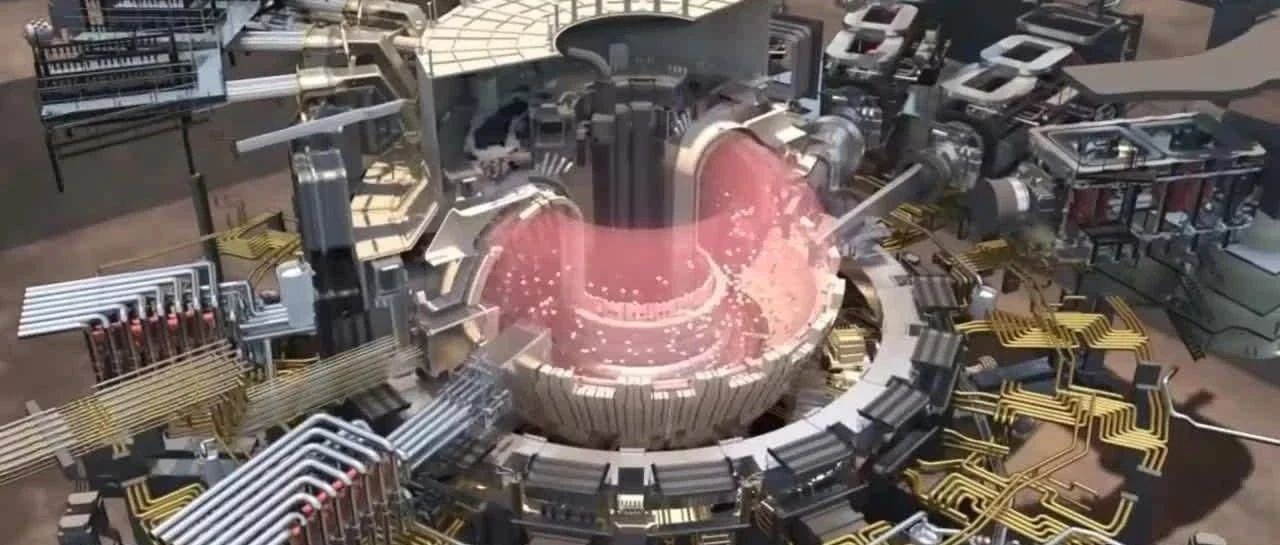
我国推动以超导材料等新材料发展,还有望受益于核聚变产业加速
Xuan Gu Bao· 2025-07-06 14:50
Industry Insights - The State-owned Assets Supervision and Administration Commission (SASAC) emphasizes the need to enhance the resource security of important metal minerals and accelerate the comprehensive development of the non-ferrous metal industry chain, including exploration, investment, development, construction, smelting, and processing [1] - A new round of mineral exploration strategy is being implemented to increase reserves and production of important metal minerals, while also promoting a positive image of central enterprises in the "going out" strategy [1] - There is a focus on achieving high-quality stable growth by closely monitoring macroeconomic conditions and industry trends, adjusting business strategies, and planning major projects to support domestic demand expansion [1] Technology and Market Trends - High-temperature superconductors are expected to see increased market share due to ongoing developments in superconducting cables and controlled nuclear fusion applications [2] - The ReBCO tape is anticipated to significantly reduce production costs compared to first-generation high-temperature superconductors, presenting vast commercial prospects [2] - Controlled nuclear fusion is viewed as a potential ultimate solution for human energy needs, with commercial development prospects expected to accelerate as domestic and international projects progress [2] Company Developments - Western Superconductor is the only company in China that has achieved commercial production of superconducting wires, with products used in major scientific projects such as the International Thermonuclear Experimental Reactor (ITER) and China's fusion reactor [3] - Baile Electric has developed superconducting current limiter technology and is involved in the construction of smart grids for the State Grid, with products certified by IEC to enhance grid stability [3] - Dongfang Tantalum is recognized as the world's largest research and manufacturing base for superconducting niobium materials, achieving a stable RRR value of over 500 for high-purity superconducting niobium materials [4]


超导材料:供需紧张,核聚变加速的重要驱动
2025-06-16 15:20
Summary of Superconducting Materials and Nuclear Fusion Industry Conference Call Industry Overview - The superconducting materials industry is divided into low-temperature and high-temperature superconductors, with low-temperature superconductors already commercialized for applications like MRI, but reliant on expensive liquid helium. High-temperature superconductors are used in magnetic levitation, quantum computing, and nuclear fusion, but face challenges in large-scale production, requiring cost reduction and performance enhancement [1][4][5]. Key Points and Arguments - **Production Techniques**: High-temperature superconducting tapes are multi-layered structures, with common production methods including IBAD, PVD, and CVD. PVD is noted for producing smooth films, while other methods like PLD, MOCVD, and MOD each have their advantages and disadvantages affecting conductor performance [1][7][10]. - **Market Demand**: Domestic high-temperature superconducting material production capacity is approximately 7,000 kilometers, but actual output is limited by yield. The demand for the Xinghuo No. 1 project is estimated to be between 15,000 to 20,000 kilometers, indicating a tight supply-demand situation. Shanghai Superconductor plans significant capacity expansion in the coming years [3][15][16]. - **Nuclear Fusion Applications**: Superconducting materials are widely used in Tokamak devices, with the ITER project’s magnet investment accounting for about 28% of total investment. Domestic projects like EAST have substantial magnet investments, indicating a growing application of superconductors in nuclear fusion [11][12]. - **Industry Growth**: The nuclear fusion industry is accelerating, supported by policy and technological advancements. The planning and initiation of experimental and engineering demonstration reactors are expected to lead to increased capital expenditures. The superconducting materials segment is under pressure due to tight processing steps and rising demand [12][14]. Additional Important Insights - **Technological Routes**: Different companies adopt various high-temperature superconducting technologies, leading to differences in tape yield, length, and width. For instance, Shanghai Superconductor and Shengchi Technology use PLD, while Yongding Holdings' Dongbu Superconductor and Superpower use MOCVD [10][17]. - **Future Trends**: High-temperature superconductors are expected to significantly impact nuclear fusion devices by enabling higher current and stronger magnetic fields, thus enhancing power output and reducing construction costs. Projects like Spark in the U.S. and domestic initiatives are moving towards full high-temperature superconducting technology [13][19]. - **Key Players**: Major domestic companies include Shanghai Superconductor, which holds a significant market share and plans to quadruple its production capacity by 2027-2028. Other notable companies include Dongbu Superconductor and West Superconductor, which are also expanding their capabilities in the superconducting materials market [16][18]. - **Investment Opportunities**: Investors should focus on companies with strong order potential and development space, such as Jinda Co., Yonglin Co., and West Superconductor, as well as related firms like Guoguang Electric and Antai Technology, which play crucial roles in equipment and components [19].
核创纪元系列:超导材料:供需紧张,核聚变加速的重要驱动
Changjiang Securities· 2025-06-16 14:26
Investment Rating - The report maintains a "Positive" investment rating for the superconducting materials industry [3]. Core Insights - The superconducting materials industry is experiencing a tight supply-demand situation, driven by the acceleration of nuclear fusion projects, which significantly increases the demand for superconducting materials [7][85]. - Superconductors are critical for generating strong magnetic fields necessary for maintaining and controlling high-temperature plasma in nuclear fusion devices, thus enhancing energy efficiency and reducing energy consumption [44][59]. Summary by Sections Section 1: Superconducting Materials - Diverse Types and Wide Applications - Superconducting materials are categorized into low-temperature superconductors (LTS) and high-temperature superconductors (HTS) based on their critical temperature [16]. - LTS materials include NbTi and Nb3Sn, while HTS materials include YBCO and BSCCO, which have practical applications in various fields [22][24]. - The report highlights the unique properties of superconductors, such as zero electrical resistance and complete diamagnetism, which are essential for their applications in advanced technologies [11][12]. Section 2: Superconductors as Key Technologies in Accelerating Nuclear Fusion - Superconducting magnets are essential components of Tokamak devices, used to create the strong magnetic fields required for plasma confinement [38][44]. - The ITER project exemplifies the application of LTS materials in its magnet systems, which account for approximately 28% of the total cost of the device [44]. - The report discusses the potential of HTS materials to improve efficiency and reduce operational costs in next-generation fusion devices like SPARC [59][62]. Section 3: Tight Supply-Demand Dynamics in the Industry Chain - The supply of superconducting materials, particularly in the form of wires and tapes, is currently tight due to the increasing demand from nuclear fusion projects [85]. - Key companies in the superconducting materials sector include Shanghai Superconductor Technology Co., Ltd., which specializes in the production of high-temperature superconducting tapes, and other firms like YD and Lianchuang Optoelectronics, which are involved in various aspects of superconducting technology [85].