量化大数据

Search documents
矿企舆情扰动,炒资源股从成本维度破局
Sou Hu Cai Jing· 2026-02-20 03:47
近期,国内某头部矿企下属矿段发生安全事故,后续涉事企业多名管理人员被控制。企业公告称,涉事矿段过往年均利润占集团整体比例较低,对公司整体 业绩影响有限。市场中这类突发舆情常引发短期波动,但对普通投资者而言,更应聚焦于资金层面的客观信号,而非被舆情情绪左右。毕竟基本面事件仅为 市场短期波动的诱因,机构资金的交易行为特征,才是决定标的后续走势的核心变量。我从事量化数据研究十余年,深知多数投资者易陷入"舆情焦虑",忽 略了资金行为的本质,而通过量化大数据拆解机构的成本构建逻辑,能更清晰地看清市场运行的底层规律。 一、成本优势的底层逻辑:机构交易的核心锚点 价值投资的核心并非单纯追逐标的质地,成本可控才是长期收益的基础。巴菲特在2023年股东信中提及,其通过7年时间分批布局某消费标的,将持仓成本 控制在极低区间,即便标的后续成长性放缓,仍凭借成本优势实现稳定收益。这一逻辑同样适用于机构投资者,其交易决策的首要锚点便是持仓成本的安全 性,而普通投资者往往更关注短期收益预期,忽略成本管控的重要性,这也是多数人难以建立稳定投资体系的核心原因。 从量化数据维度来看,机构的成本构建行为具有明显的客观特征,即通过在狭窄区间内反复 ...


传媒板块掀涨停潮,交易真相藏细节
Sou Hu Cai Jing· 2026-02-19 23:34
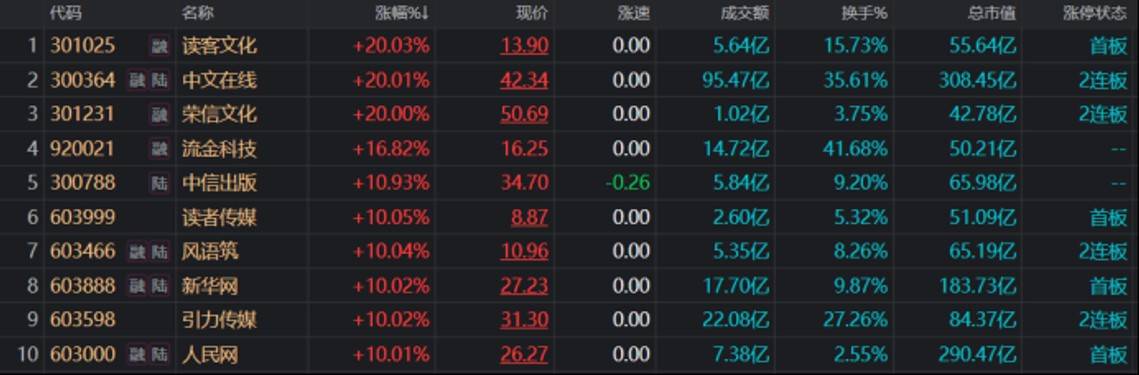
Group 1 - The media sector has seen a significant surge, with multiple stocks experiencing strong performance and daily trading volume exceeding 180 billion, marking a near two-year high in market share [1] - Investors are cautioned to look beyond surface-level market enthusiasm and focus on the underlying trading intentions of capital, as the direction of the market is primarily driven by actual fund movements rather than mere news or hype [1] - Quantitative data analysis is highlighted as a valuable tool for investors to gain insights into market dynamics, helping them to avoid subjective biases and understand the true intentions of capital [1] Group 2 - The article emphasizes the importance of recognizing "profit-taking" signals when prices are rising, as this indicates that previous investors may be cashing out, which can lead to a slowdown in price momentum [2] - A case study illustrates that during a period of price increase, five out of eight trading days were dominated by "profit-taking" behavior, suggesting that despite rising prices, significant capital was exiting the market, leading to potential corrections [5] - The concept of "short covering" is introduced as another critical signal, indicating that previously bearish investors are starting to buy back, which can stabilize or reverse downward price trends [5][6] Group 3 - The article provides examples of "short covering" where, despite price declines, the majority of trading days showed signs of buying activity from short sellers, indicating a potential rebound in prices [11] - Quantitative data is presented as a means to objectively assess market conditions, allowing investors to see behind price movements and avoid being influenced by emotional reactions to market fluctuations [14] - The use of quantitative analysis is portrayed as a way to equip investors with a clearer understanding of market realities, enabling them to make more informed decisions without relying on complex terminology or gut feelings [14]
海外市场异动背后,量化数据破局迷思
Sou Hu Cai Jing· 2026-02-19 14:38
Core Insights - Recent overseas markets have shown structural trends, with technology stocks leading the gains and European indices reaching historical highs. The market is currently focused on the upcoming Federal Reserve monetary policy meeting minutes, while professional institutions indicate that the earnings expectations for the technology sector have significantly improved over the past few months, maintaining long-term allocation value [1] Group 1: Limitations of Traditional Investment Analysis - Traditional investment judgment systems often rely on personal experience and subjective trend interpretations, which have inherent limitations. Some market interpretations are influenced by conflicts of interest, making it difficult to maintain a neutral and objective stance, thus failing to convey real and effective market information [3] - Non-conflicted analyses often use vague expressions, appearing to justify both upward and downward movements without addressing the core of pricing, which can exacerbate anxiety and lead to irrational misjudgments [3] Group 2: Importance of Quantitative Data - The core value of quantitative big data lies in reconstructing market cognition through underlying logic, extracting core trading characteristics from multidimensional data. "Institutional inventory" is a key dimension for identifying institutional trading behavior, formed by a long-term accumulated database of institutional trading characteristics [5] - Quantitative data can provide objective decision-making frameworks, allowing investors to focus on core trading behaviors rather than subjective guesses, thus enhancing market recognition [11] Group 3: Case Studies on Institutional Inventory - In a case of a stock that experienced rapid gains followed by adjustments, traditional analysis might lead investors to participate based on historical experiences, but the actual outcome often does not meet expectations. This is because traditional analysis fails to address the core of market pricing—real trading behavior of core funds [5] - Observations of stocks with fluctuating high positions show that while traditional views may suggest taking profits, quantitative data indicating active "institutional inventory" suggests continued institutional participation, validating the effectiveness of this objective characteristic [7] Group 4: Upgrading Investment Cognition through Quantitative Thinking - Quantitative big data offers a systematic cognitive upgrade for investors, replacing subjective guesses with objective data, thus breaking through the information cocoon of traditional analysis. In the context of market volatility and accelerated sector rotation, quantitative thinking helps investors avoid noise interference and focus on core pricing behaviors [11] - By continuously interpreting quantitative data, investors can develop data interpretation skills and establish systematic trading thinking, ultimately achieving a sustainable investment capability through a rational judgment process [11]

玻纤板块疯涨,别被消息牵着走
Sou Hu Cai Jing· 2026-02-19 13:39
最近刷财经新闻,总能看到玻纤板块集体爆发的消息,不少个股直接封板,连带着被称为"电子工业之米"的 MLCC也因为AI和电动车需求涨价,行情看起来热闹非凡。身边有个老股民朋友,看到利好就急着加仓,结果刚 进去就遇到调整,气得直拍大腿。其实这种场景太常见了,散户习惯跟着消息跑,看到利好就追、利空就卖,却 从来没想过,消息从来不是涨跌的核心,背后的资金交易行为才是关键。今天就用量化大数据的视角,给大家拆 穿市场里的这些"障眼法",帮你跳出追涨杀跌的怪圈。 一、消息只是幌子,资金行为才是核心 很多人以为,利好出来股价就该涨,利空出来肯定跌,但实际市场里的逻辑完全反过来:有时候利好落地股价反 而跌,利空公布后股价却悄悄涨。这不是消息没用,而是消息只是机构用来实现自身利益的工具。比如有些利好 出来前,机构已经提前布局,等散户蜂拥而入时,他们正好借机兑现;而有些利空公布时,散户吓得纷纷卖出, 机构却在背后悄悄低吸。 但机构的交易意图不会写在脸上,他们会把自己的行为伪装起来,比如高位派发时故意拉抬股价,让散户误以为 还能涨。这时候普通投资者靠直觉根本看不穿,但量化大数据能精准跟踪每一笔交易行为,把这些伪装拆得明明 从图里能看 ...
科技风口来临,别被主观判断带偏
Sou Hu Cai Jing· 2026-02-19 02:13
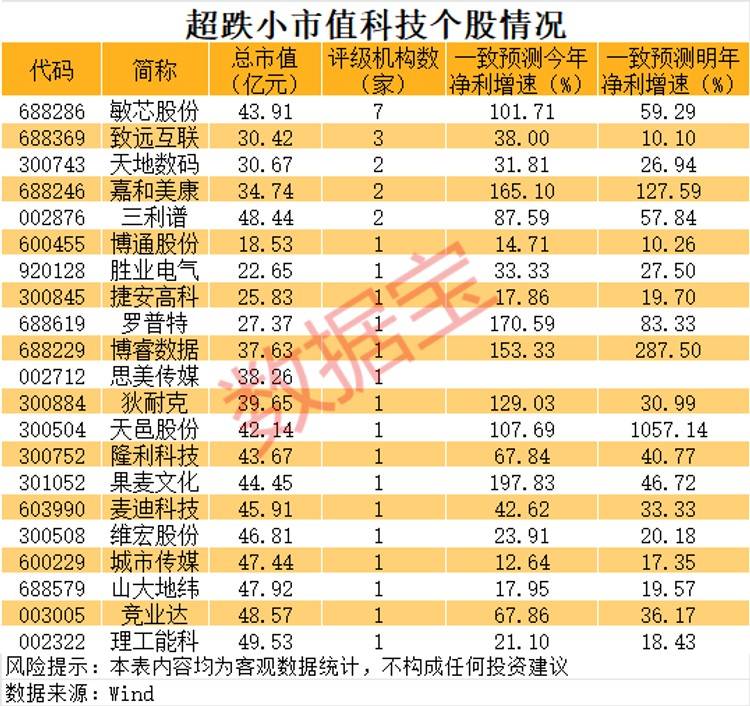
最近市场里科技板块的热度持续攀升,不少小市值科技股也成为关注焦点,有机构梳理出一批超跌的小市值科技标的,称这类个股弹性更大,值得关注。很 多朋友看到这种消息,第一反应就是赶紧找名单里的个股入手——毕竟"超跌+风口"的组合,在直觉里就是稳赚的买卖。 但我之前见过太多类似的"直觉陷阱":看似明确的利好,实际交易起来却亏得一塌糊涂。就比如曾经维生素价格暴涨360%的行情,按道理相关个股应该集 体上涨,可结果近三成个股反而下跌,有的甚至腰斩。这其实就是普通人最容易踩的坑:用主观直觉替代客观判断,把"应该涨"当成"一定会涨"。今天就结 合之前的市场情况,聊聊量化大数据怎么帮我们避开这种思维误区。 | | | | 超跌小市值科技个股情况 | | | | --- | --- | --- | --- | --- | --- | | 代码 | 间标 | 息市值 | 评级机构数 | 致预测今年 | 较为则明年 | | | | (亿元) | 家) | 净利增速(%) | 伊利增速(%) | | 688286 | 取心反伤 | 43. 91 | 7 | 101. 71 | 59. 29 | | 688369 | 饮订乌联 | 30. ...
生鲜赛道迎整合,炒购并必看资金行为
Sou Hu Cai Jing· 2026-02-19 01:16
近期,本地生活领域迎来一笔备受关注的大额并购,美团拟以约50亿元人民币收购叮咚买菜核心运营主体全部股份。业内普遍认为,生鲜电商赛道兼具高频 刚需、强流量入口的属性,却也面临高损耗、低利润的行业痛点,当前已从流量扩张阶段进入存量博弈期,头部平台的资源整合被视为提升行业效率的重要 方向。 对于普通市场参与者而言,新闻带来的往往是信息冲击,却难以直接对应到具体的市场行为。但从量化大数据的视角看,任何行业格局的变化,最终都会反 映在资金的交易行为中。与其纠结新闻事件的短期影响,不如聚焦资金的真实动作——那些被争抢的标的、被反复打磨的品种,背后都藏着更本质的市场逻 辑,而量化工具正是还原这些逻辑的关键。 一、 资金争抢的行为特征 在量化大数据的观测体系中,「游资抢筹」是一种典型的资金博弈行为,指「机构库存」与「游资动向」数据在同一天出现,反映不同资金主体对标的的关 注重叠。这种行为并非个例,在不少标的行情展开之前,都能捕捉到类似的特征。 比如某只标的在行情展开之前,就出现过两轮明显的「游资抢筹」,且均发生在行情展开的关键节点之前,这为观察资金动向提供了明确的线索。 值得注意的是,「游资抢筹」出现后,标的往往不会立即表现 ...

巨头持仓生变,走势背后看本质
Sou Hu Cai Jing· 2026-02-18 23:41
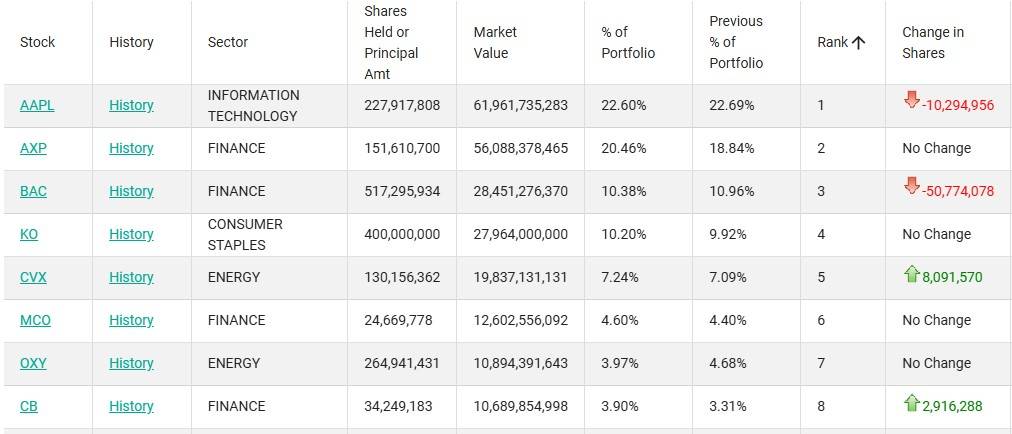
最近市场里传来一则备受关注的消息:投资圈的"风向标"伯克希尔,公布了巴菲特卸任首席执行官前最后一个季度的持仓调整数据。其中既有对苹 果、美国银行等核心标的的持仓调整,也有对雪佛龙、纽约时报等标的的新进或增持。不少朋友看到后瞬间慌神,要么盯着持仓变动数字焦虑,要么 急着调整自己的仓位,生怕错过行情或踩中风险。 但其实,这类新闻只是市场波动的一个诱因,真正决定后续行情走向的,从来不是新闻本身,而是资金的真实参与态度。前阵子和一位老伙计聊天, 他看到某标的走势调整就赶紧出手,结果没过多久行情又向好发展,拍着大腿后悔不已。这种"被走势牵着走"的困惑,很多投资者都经历过,而解决 这个问题的关键,就是用量化大数据从多维度看清市场本质。 | Stock | History | Sector | Shares Held or | Market | % of | Previous % of | Rank ↑ | Change in | | --- | --- | --- | --- | --- | --- | --- | --- | --- | | | | | Principal | Value | Portfolio | P ...
抓主升靠趋势,看行为比持仓
Sou Hu Cai Jing· 2026-02-18 16:30
很多投资者都有过类似经历:手中标的浮亏时能长期持有,稍有浮盈就急于离场,眼睁睁看着后续行情冲高,只能懊恼不已。想要打破这种循环,核心是抓 住趋势明确的主升阶段,放弃抄底执念——正如专业投资逻辑里说的,能走出强劲行情的标的,往往是已经展现出趋势力量的,关键是加入市场合力向上的 队伍中。但光懂趋势还不够,很多人盯着机构持仓数据做判断,结果频频踩坑:明明机构重仓,股价却不涨反跌。问题出在,持仓只代表过去的选择,不代 表当下的交易行为。这时候,量化大数据就能帮你穿透表象,看清真实的市场逻辑。 一、别盯持仓,看机构交易活跃度 多数投资者以为,机构重仓就是行情信号,但事实往往相反。有这样一只标的,半年报显示2025年二季度获31家基金青睐,持股数增加近2%,但7-8月股价 却下跌超20%,同期大盘上涨10%。 问题的核心在于,现在八成以上标的都有机构资金,但有资金不等于资金在积极交易。只有机构持续参与交易,才能消化卖盘、推动行情。普通投资者看不 到实时交易动态,自然会陷入判断误区。 看图1: 看图2: 相反,某只号称2025年二季度基金加仓最多的标的,7-8月仅涨20%。原因很明确:进入7月中旬后,「机构库存」数据活跃度 ...

AI春晚来了,节后或迎来端侧概念爆发
Sou Hu Cai Jing· 2026-02-18 15:50
一、被走势左右的心理博弈 很多股民在交易时,都像我那位朋友一样,把走势当成判断的唯一标准,却不知道走势本身,往往是用来掩盖真实交易意图的手段。就拿案例里的这只股票 来说,回头看股价一路走高,但在实际行情推进的过程中,却是一波三折,尤其是标注了①②③的三个调整区域,每一次的下跌幅度都不小,像在反复考验 持股人的决心。朋友说他当时就在区域①的时候选择了卖出,看着股价跌得厉害,哪怕身处牛市也怕被套牢,结果后面股价不仅涨回了原位,还接连创出新 高。其实如果能看到量化数据里的「机构库存」,就不会陷入这样的纠结。看图1: 窗外的城市终于褪去白日的喧嚣,连楼下的便利店都关了门,手机推送的消息也慢了下来。刚刚刷到的那篇关于AI春晚的报道还停留在屏幕上——三年前 杭州小会场里,只有20位听众为那个"AI春晚"的构想驻足;如今,这场由千人共创的科技文化盛宴,全球累计观看次数突破千万。这让我想起白天和朋友的 对话,他盯着屏幕上的K线图叹气,说这几天的行情像坐过山车,涨时怕踏空追高,跌时怕套牢割肉,前一天刚忍痛卖出,今天股价又蹭蹭往上涨,怎么都 踩不准节拍。其实不管是热闹的AI春晚还是波动的交易市场,我们都太容易被表面的表象迷惑:看 ...

机械止损失效,换个思路破局
Sou Hu Cai Jing· 2026-02-18 15:38
最近不少投资者都在吐槽,明明严格执行预设的交易纪律,却总是在行情即将启动前被触发离场指令,之后只能看着标的走出持续交易机会。其实这不是运 气问题,而是过去依赖的固定交易规则,早已被量化模型完全洞悉。跌破短期均线、关键平台等常见离场点位,现在成了量化算法的精准收割目标,这种机 械式的风险控制,反而把原本的防守策略变成了暴露给对手的明显弱点。与其试图用人工规则对抗专业量化,不如换个角度——用量化大数据看懂真实的市 场资金行为,从被动防守转向主动寻找市场共识,这才是适应新时代的投资思路。 一、量化视角下的资金共识:「抢筹」的底层逻辑 在当前的市场环境中,传统的热点挖掘方式已经完全失灵。程序化交易让热点一旦形成,当天就会全面铺开,普通投资者根本无法实现全覆盖布局。但我们 可以换个思路:总有资金比我们更敏感,那就是游资。游资最擅长借力打力,而量化大数据能帮我们捕捉到这种资金联动的核心信号。 这里要先明确两个 核心量化数据的底层逻辑:「机构库存」数据,反映的是机构大资金的交易活跃程度,数据越活跃,说明机构大资金参与交易的特征越明显,与资金的流入 流出无关;「游资动向」数据,反映的是游资的交易活跃程度。当两类数据同时出现活 ...