马文化

Search documents
东西问丨马,何以成为东西共认的“英雄标配”?
Zhong Guo Xin Wen Wang· 2026-02-17 01:56
Group 1 - The article discusses the universal symbolism of horses as a representation of heroes in both Eastern and Western cultures, highlighting their shared significance across different civilizations [3][5][10] - It emphasizes the historical importance of horses in human civilization, noting that their domestication dates back approximately 5,500 years, while their evolutionary history spans around 56 million years [5][7] - The article illustrates how horses have been integral to heroic narratives, with examples from literature and history showcasing their loyalty and companionship to heroes [8][10] Group 2 - The text mentions specific historical and literary references to famous horses, such as the Red Hare of Guan Yu and Bucephalus of Alexander the Great, underscoring their legendary status [5][8] - It highlights the emotional bond between heroes and their horses, often depicted in stories where horses share the fate of their riders, reflecting deep loyalty and companionship [10] - The article concludes by stating that the admiration for heroes and their horses transcends cultural boundaries, representing a shared human experience [10]

1月沈阳最新房价出炉!浑南区将推动沈抚城际铁路恢复开行|栋察楼市早报(2.15)
Sou Hu Cai Jing· 2026-02-16 19:26
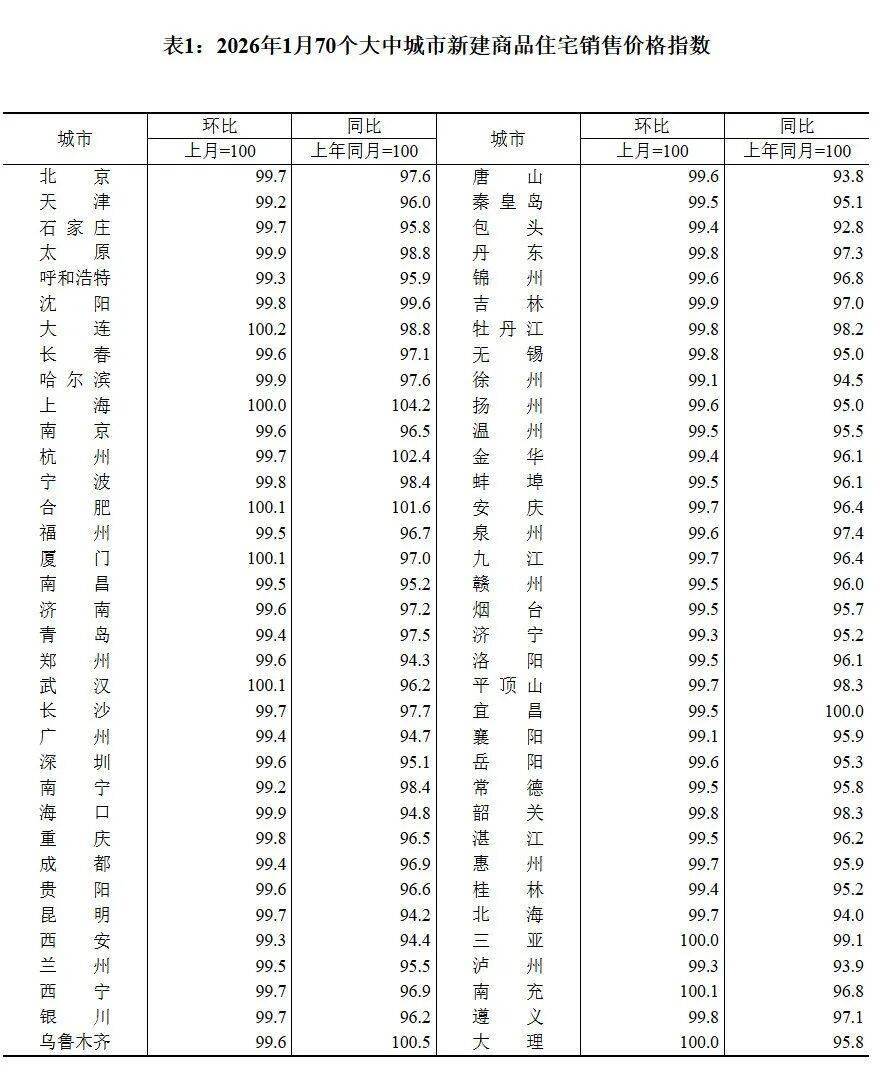
Real Estate Market - In January 2026, new home prices in Shenyang decreased by 0.2% month-on-month and fell by 0.4% year-on-year, while second-hand home prices remained stable month-on-month and decreased by 3.4% year-on-year [1][2][3]. Transportation Development - The Hunnan District is set to promote the resumption of the Shenyang-Fushun intercity railway, aiming to enhance transportation infrastructure and improve public transport services during the 14th Five-Year Plan period [4][6]. - A comprehensive modern transportation network will be developed, integrating various modes of transport including high-speed rail, conventional rail, and urban transit systems to facilitate easier travel for citizens [6][10]. Hotel Industry - The Meizhu Hotel on Youth Street in Shenyang has recently opened and is available for booking on the Accor website [14]. Cultural Events - The Liaoning Provincial Museum is hosting the "Galloping Horses" zodiac cultural exhibition, featuring over a hundred artifacts related to horses, which is a significant cultural event leading up to the Spring Festival [15][18]. - The exhibition includes five thematic units that explore the cultural significance of horses in Chinese civilization, showcasing artifacts from various categories such as ceramics and paintings [15][17].
马年说马诗
Xin Lang Cai Jing· 2026-02-16 17:14
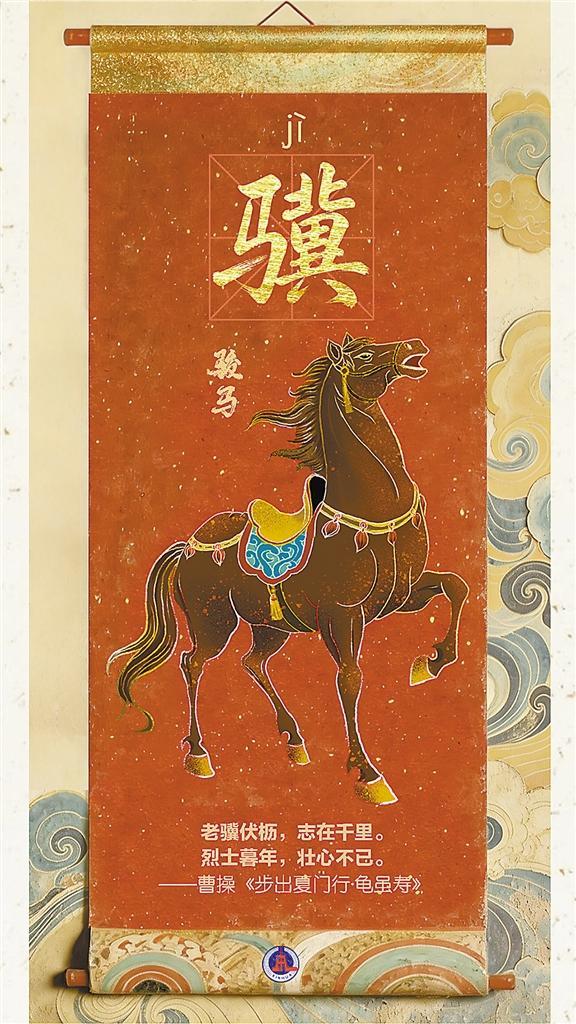
魏晋南北朝时期,马成为男儿征战沙场的重要伙伴,其意象逐渐被赋予壮志豪情。曹操在《龟虽寿》中 写道:"老骥伏枥,志在千里。烈士暮年,壮心不已。"他以千里马自比,将英雄暮年依旧心怀壮志的心 境刻画得淋漓尽致。马自此成为士人抒发壮志的象征。"白马饰金羁,连翩西北驰。借问谁家子,幽并 游侠儿",曹植在《白马篇》中以马衬人,塑造出英武的少年英雄形象,洁白的骏马配着金饰的马络 头,与游侠骑士相得益彰。 到了唐代,"马诗"创作迎来鼎盛,诗作风格多样、内涵丰富,既盛赞骏马本身的神骏,也寄寓着人们的 理想追求与家国情怀,将马文化推向了新高度。 李白笔下的马,或衬离别情,或彰侠客气。"挥手自兹去,萧萧班马鸣",他在《送友人》中通过写离群 之马的悲鸣,烘托出与友人相别时的不舍。"银鞍照白马,飒沓如流星",他在《侠客行》中写到的如流 星般疾驰的白马,与侠客相伴,尽显潇洒豪迈。杜甫的马诗则多了几分沉郁厚重。"胡马大宛名,锋棱 瘦骨成。竹批双耳峻,风入四蹄轻",他在《房兵曹胡马诗》中把大宛名马描写得栩栩如生,骨骼清 奇,双耳如削竹挺拔,奔行时四蹄轻盈,风入蹄间。"所向无空阔,真堪托死生",他不仅赞美马的勇猛 迅捷,更将其视作可以托付生死 ...
乌鲁木齐马年新春艺术展深挖马文化底蕴
Xin Lang Cai Jing· 2026-02-16 13:00
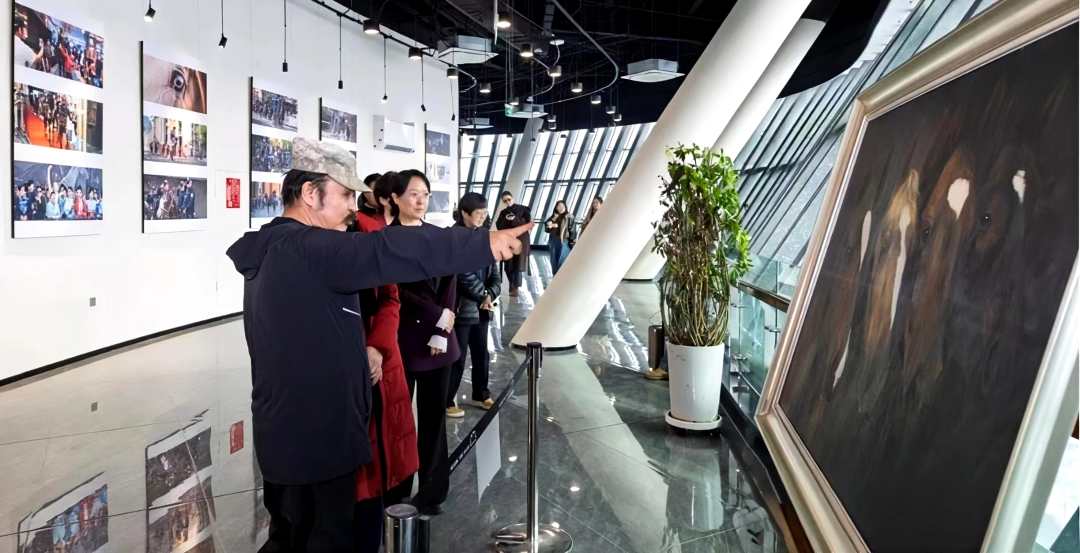
在新春佳节到来之际,"骏影流光·城与马的浪漫絮语"乌鲁木齐马年新春艺术展,在乌鲁木齐市文化中心开展。本次展览深度挖掘马文化底蕴,近百幅以 马为主题的油画与摄影作品佳作,为市民和游客献上一份新疆特色的文化盛宴。 (来源:经济日报) 本次展览由乌鲁木齐市文化广播电视和旅游局(市文物局)主办,乌鲁木齐市博物馆承办。展览作品将马的力量与美、灵动与赤诚以艺术形式具象呈现; 透过画笔与镜头,记录和定格骏马四蹄生风、昂首向天,以及万马奔腾、天马行空等瞬间,让观众在欣赏作品的同时,触摸藏在骏马背后的文化脉络与地 域风情。 转自:经济日报 据介绍,此次展览作品承载着美好期许,诠释了"春风得意马蹄疾"的畅快、"骁腾有如此,万里可横行"的豪迈,也传递着"一马当先"的勇毅、"龙马精 神"的奋进、"马到成功"的祝福,让马文化中的昂扬精神融入新春的喜庆氛围。 本次展览的部分作品由野马集团有限公司提供,公司董事长陈志峰多年坚持拍摄马主题作品。他在现场分享拍摄心得时说:"马是新疆大地的精灵,更是 丝路文化的使者,拍摄马时要用心感受它的灵性与情感,才能定格下最动人的瞬间,让更多人看见马的美。" ...
骐骥驰骋 骉腾万里
Xin Lang Cai Jing· 2026-02-16 07:46
Group 1 - The article highlights the ongoing exhibition "Jijin Wanli - Special Exhibition of Bronze Civilization in Southwest China" at the Guangxi Zhuang Autonomous Region Museum, featuring a bronze horse from the Han Dynasty [1] - The bronze horse from the Han tomb in Hepu, Guangxi, is noted for its impressive stature and design, attracting significant attention [1][2] - The exhibition also includes other artifacts such as a bronze horse from the Guigang Fengliuling Han tomb and a ceramic knight figurine from the Southern Dynasties, reflecting the cultural significance of horses in ancient burial practices [2][3] Group 2 - The article discusses the historical context of horse culture in Guangxi, emphasizing the integration of Central Plains horse culture with local customs [4] - The De Bao dwarf horse, a descendant of the Han Dynasty's Guo Xia horse, is highlighted as a unique local breed, known for its small size and historical significance [6][8] - The De Bao dwarf horse played a crucial role in historical events, including military campaigns, showcasing its importance in local heritage [7] Group 3 - The article describes the cultural significance of horses in the Miao ethnic community, particularly during the annual celebrations in Rongshui, where horse-related activities are central to the festivities [9][11] - The Miao horse fighting tradition, which has been practiced for over 500 years, is recognized as an intangible cultural heritage of Guangxi, illustrating the deep-rooted connection between horses and local customs [11]
马年说马,这些古风雅称 蕴藏东方智慧
Xin Lang Cai Jing· 2026-02-16 05:42
Group 1 - The article emphasizes the cultural significance of horses in Chinese civilization, highlighting their role not only as transportation tools but also as symbols of spirit and wisdom [10][11] - Various elegant terms for horses, such as "骥" (jì), "驹" (jū), and "骊" (lì), are mentioned, each associated with cultural anecdotes that reflect the enduring wisdom and spirit of Chinese heritage [11] Group 2 - The text references classical literature, including works by Cao Cao and Zhuangzi, to illustrate the philosophical and cultural connections to horses, suggesting that these connections have been preserved over thousands of years [2][3][11] - The article suggests that the appreciation of horses transcends mere physical attributes, focusing instead on their symbolic representation of aspiration and perseverance [5][11]
文博日历丨灵骏除夕送祥瑞 国宝里的小马含量超高
Xin Lang Cai Jing· 2026-02-16 03:39
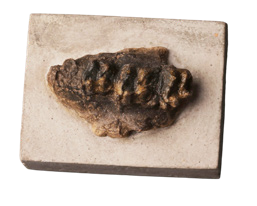
Group 1 - The article highlights the significance of horses in Chinese culture, symbolizing vitality, progress, and auspiciousness, especially as the Year of the Horse begins [1][50] - It traces the historical evolution of horses from their ancestors, the Eohippus, which appeared 58 million years ago, to their integration into human life and culture [1][5] - The article discusses the role of horses in ancient Chinese society, including their use in transportation, military, and as symbols of power and status [7][13][23] Group 2 - The article mentions various archaeological findings, such as horse bones and artifacts from prehistoric sites, indicating that China was one of the earliest countries to domesticate horses [5][9] - It describes the development of horse-related tools and equipment throughout different dynasties, showcasing the advancements in horsemanship and the cultural significance of horses [26][34] - The article also emphasizes the artistic representations of horses in various forms, including pottery, paintings, and sculptures, reflecting their importance in daily life and cultural practices [50][58]
踏春寻马记
He Nan Ri Bao· 2026-02-15 23:20
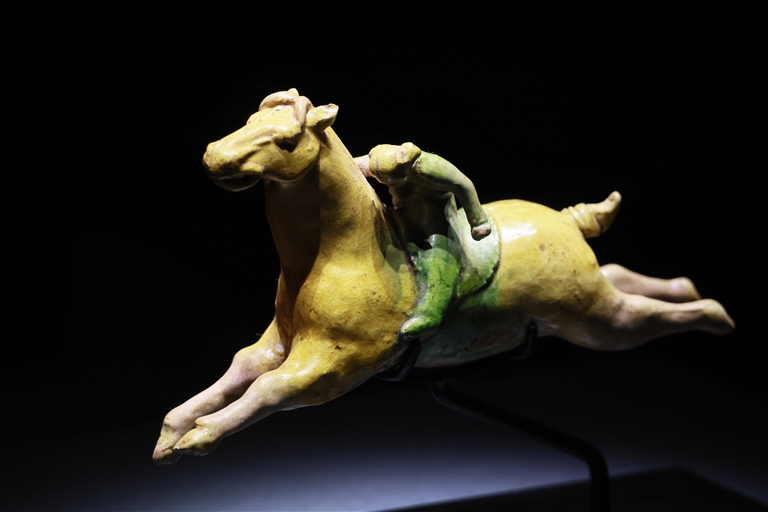
Core Insights - The article emphasizes the cultural significance of horses in Chinese history, symbolizing strength and resilience, particularly in the context of the upcoming Year of the Horse [1] Group 1: Cultural Significance of Horses - Horses are depicted as important partners to humans and are symbols of vigor and perseverance in Chinese culture [1] - The article invites readers to explore the historical and cultural narratives surrounding horses through artifacts, intangible heritage, and place names [1] Group 2: Historical Artifacts - The article mentions various historical artifacts related to horses, such as the Tang Dynasty tri-colored pottery horse, which showcases the typical features of horses from that era [9] - The jade horse from the tomb of Fu Hao is noted as the earliest known representation of a horse in China, highlighting its intricate design and craftsmanship [12] - A bronze mirror from the Tang Dynasty features hunting scenes with horse riders, illustrating the significance of horses in noble activities [15] Group 3: Regional Cultural Expressions - The article discusses the prevalence of place names containing "horse" in Henan, reflecting the historical and cultural ties between the region and horses [48] - Specific locations like Zhuzhou and Yima are highlighted for their historical connections to horse culture, including their roles as ancient relay stations and their associations with notable historical figures [49][50] - The narrative of Ma Village District connects the historical significance of horses with modern cultural practices, showcasing the continuity of horse-related traditions [51] Group 4: Artistic Representations - The article mentions various artistic representations of horses in traditional crafts, such as woodblock prints and paper-cutting, which convey auspicious meanings associated with horses [36][44] - The integration of horse motifs in contemporary cultural products, like the "Horse Snow King" and "Horse Prosperity" ceramics, reflects the ongoing relevance of horse symbolism in modern consumer culture [32]
【甘快看】文物中的马形象
Xin Lang Cai Jing· 2026-02-15 13:48
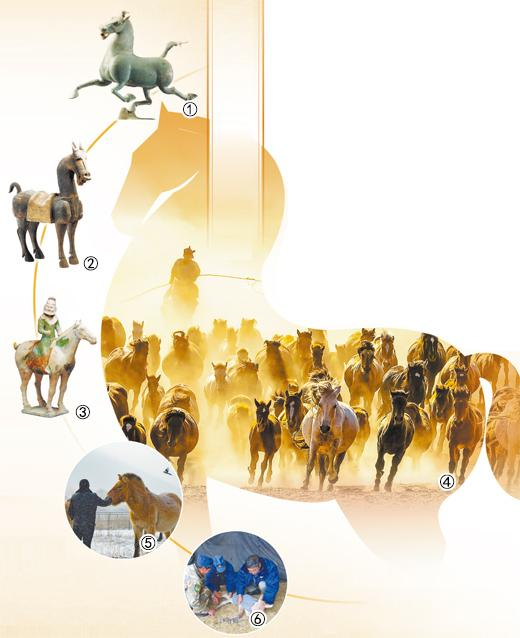
Group 1 - The image of the horse is a significant symbol throughout the development of Chinese civilization, representing historical changes and cultural spirit [1][2] - The bronze galloping horse, known as "Ma Ta Fei Yan," unearthed from the Han tomb in Wuwei, Gansu, exemplifies this significance with its dynamic craftsmanship and has inspired the design of the 2026 "Happy Spring Festival" mascot [1][2] - Gansu has a deep-rooted connection with horses, serving as a crucial passage for horse introduction to the Central Plains and a key area for horse governance during the Han and Tang dynasties [1][9] Group 2 - The preservation of numerous valuable horse artifacts in Gansu is attributed to its unique geographical environment, which has allowed for the survival of various wooden horse relics and historical records related to horse breeding and care [1][9] - Artistic representations of horses in historical artifacts, such as the Wei and Jin dynasty image bricks and Dunhuang murals, showcase the cultural significance of horses in ancient Chinese society [1][10] - The evolution of horse imagery from oracle bone inscriptions to modern artistic expressions reflects the enduring cultural importance of horses in Chinese history [2][11]
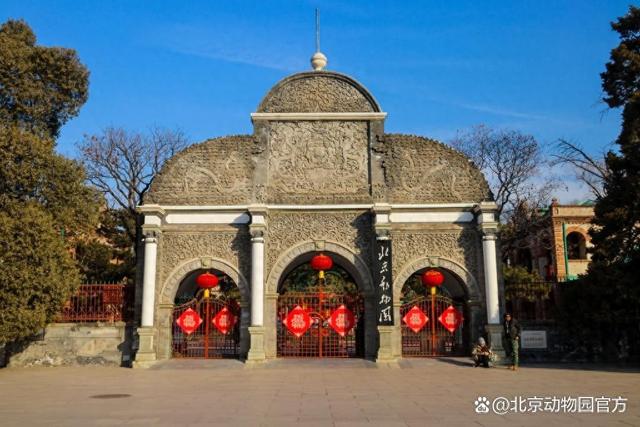
骏启新岁丨北京动物园邀您红火过大年
Xin Lang Cai Jing· 2026-02-15 05:21
Group 1 - The Beijing Zoo is celebrating the Lunar New Year with festive decorations and activities to enhance the celebratory atmosphere [3] - A series of traditional cultural activities will be held on February 17, 2026, including writing Spring Festival couplets and creating woodblock prints [7] - The "Horse Culture Exhibition" titled "Ma Qi Zhong Luan, Jun Xiao Cang Yuan" will run from now until March 31, showcasing the significance of equine species in evolutionary history [7] Group 2 - Interactive experiences related to the Horse Culture Exhibition will take place from February 17 to 22, 2026, featuring activities like horse-related riddles and knowledge quizzes [10] - Limited edition zodiac commemorative tickets will be available for sale starting on February 16, 2026, with a cap of 20,000 tickets [10] - Visitors can purchase tickets in advance or on the day of their visit through the Beijing Zoo's official WeChat account or at service windows [17]