
自主创新

Search documents
创新发展促繁荣
Jing Ji Ri Bao· 2025-09-02 22:44
Group 1 - The core viewpoint emphasizes that peace is the foundation for sustainable economic development and innovation, as highlighted by the chairman of Transfar Group, Xu Guanju [1] - Transfar Group has made significant advancements in overcoming "bottleneck" technologies in rare earth rubber, benefiting from a stable domestic market environment [1] - The company operates with a global perspective, providing products and services in over 130 countries and regions, which is a result of mutually beneficial international cooperation [1] Group 2 - Peace is associated with stable supply chains, predictable markets, and expanding demand, positioning private enterprises as both beneficiaries and promoters of peace [1] - Transfar Group aims to align with world-class manufacturing standards by advancing technological innovation, green transformation, and international collaboration [1] - The company is focusing on independent innovation in functional chemicals and new materials, developing electronic chemicals and organic silicon materials to break competitive barriers and create new growth opportunities [1][2]

中国科技馆将举办“光影科学梦”电影公益展映,14部影片免费看
Xin Jing Bao· 2025-09-02 12:39
Group 1 - The event "Light and Shadow Science Dream" will be held at the China Science and Technology Museum to celebrate the 80th anniversary of the victory in the Chinese People's Anti-Japanese War and the World Anti-Fascist War in 2025, offering free movie screenings to the public [1] - From September 2 to 30, the public can enjoy 14 films in giant screen and 4D cinemas, with 18,000 free tickets available for reservation [1] - The giant screen cinema will showcase 8 science films, including "Yang Zhenning: A Century of Scientific Journey" and "Walking with Elephants," highlighting the dedication of scientists [1] Group 2 - The 4D cinema will feature biographical films of scientists such as "I Am a Doctor" and "Qian Xuesen," allowing audiences to experience historical moments of scientific discovery [1] - On weekends, classic red films will be screened, including "Volunteer Army: Life and Death Battle" and restored black-and-white films like "Little Soldier Zhang Ga" and "Tunnel Warfare," evoking national sentiment [1] - A special event on September 7 will include a screening of the restored black-and-white film "Tunnel Warfare," accompanied by a lecture from researcher Lv Xiaoge on the development of military technology [2]
被美技术封锁30年,中国用三年打破垄断,造出3.6万吨钢铁巨兽
Sou Hu Cai Jing· 2025-09-02 03:19
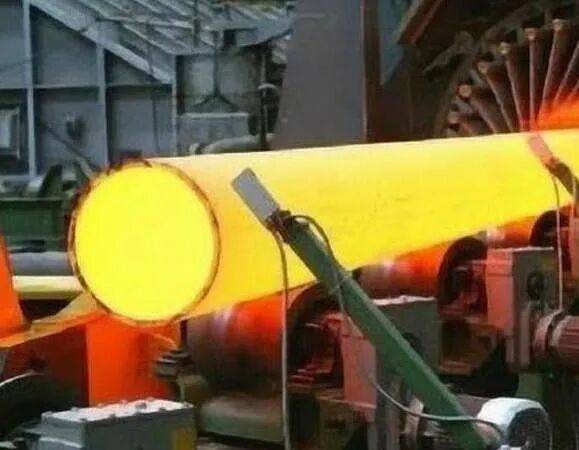
Core Viewpoint - China has successfully developed a 36,000-ton forging press, breaking a 30-year technological blockade imposed by the U.S. and demonstrating significant advancements in heavy equipment manufacturing [1][10]. Group 1: Historical Context - 30 years ago, China faced immense challenges in acquiring advanced manufacturing equipment, with the U.S. imposing high prices and strict conditions, claiming that China would not be able to utilize such technology [4][6]. - In the 1990s, attempts to purchase such equipment were thwarted by U.S. refusals, citing the sensitivity of the technology and leading to a sense of humiliation among Chinese engineers [6][4]. Group 2: Development Journey - In 2007, China initiated a national effort to develop the 36,000-ton forging press independently, gathering top engineers to tackle the project [6]. - The design process was complex, requiring precise specifications and overcoming significant technical challenges, including the design of hydraulic systems and control programming [6][8]. Group 3: Technological Breakthrough - The forging press was successfully trialed in 2010, achieving operational status in just three years, which was a remarkable feat compared to previous expectations [8]. - The press has a height equivalent to a four-story building, weighs over 22,000 tons, and can exert a forging pressure of 36,000 tons, with precision levels reaching within 0.1 millimeters [8][10]. Group 4: Global Impact and Recognition - The successful production of the forging press has led to a transformation in China's manufacturing capabilities, enabling the production of critical components for large aircraft engines, nuclear power plants, and high-speed trains [10]. - International reactions have shifted from disbelief to admiration, with U.S. and German experts acknowledging China's advancements in heavy equipment manufacturing [10][11]. - China has transitioned from a technology follower to a leader, with the ability to produce such equipment at significantly lower costs compared to foreign competitors [10][11].

申万宏源助力攀钢集团科技创新公司债(共同富裕试验区)成功发行
申万宏源证券上海北京西路营业部· 2025-09-02 02:52
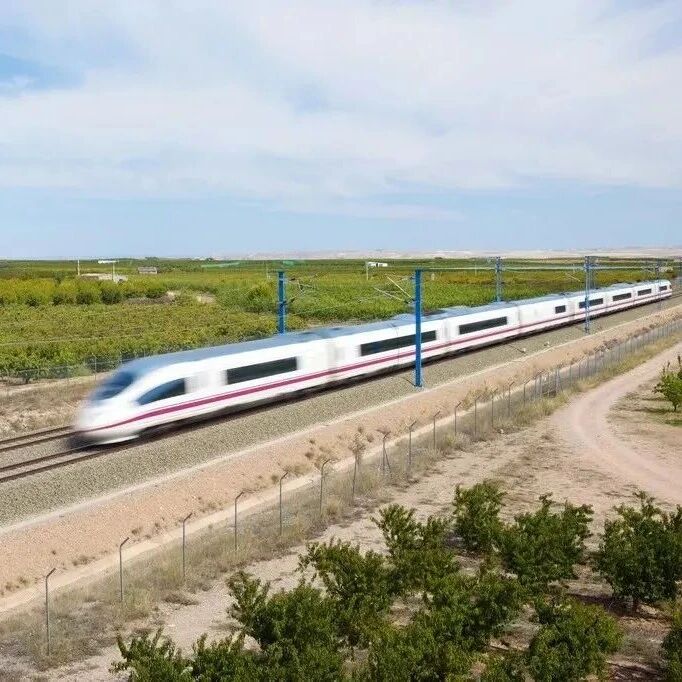
攀钢集团是是依靠自主创新建设发展起来的特大型钒钛钢铁企业集团,是国务 院国资委管理的中央企业 ——鞍钢集团有限公司的核心骨干企业、四川省重点培 育的大企业大集团之一,主体信用评级 AAA ,资产总额超 1000 亿元。 2025 年 8 月 26 日,由申万宏源担任牵头主承销商的"攀钢集团有限公司 2025 年面向专业投资者公开发行科技创新公司债券(共同富裕试验区)"成功 发行,本期债券为全国首单科创共富债,发行规模 2.00 亿元,债券期限 3 年 期,票面利率为 1.88% 。 作为我国首批自主创新型企业,攀钢依托独特资源优势及自主创新,形成了一批国际 国内领先和拥有自主知识产权的专有技术,拥有国内首家开发的高速铁路钢轨技术,并填 补了国内空白。下一步,攀钢将持续深化攀西试验区建设,专注钒钛资源综合利用,加快 构建 "钒钛 + 普钢 + 特钢"三足鼎立的产业体系,加快打造最具特色优势与核心竞争力 的钒钛钢铁企业,让客户满意、员工幸福 。 免责声明 本内容最终解释权归申万宏源证券有限公司所有。 ...
吴伟:中国科技崛起吹响AI平权的号角
Huan Qiu Wang Zi Xun· 2025-09-01 22:53
Group 1 - The 2025 Global AI Influence List by Time magazine features several Chinese entrepreneurs and scholars, indicating a significant increase in representation and diversity compared to previous years [1] - The rise of Chinese figures on the list reflects the rapid development of China's AI industry and its increasing presence on the international stage, as well as the global trend of "de-geographicalization" in technology [1] - The open-source technology path taken by DeepSeek contributes to a more inclusive global technology landscape, enhancing the openness and participation of the AI industry [1] Group 2 - Southeast Asia is actively seizing opportunities from the "de-geographicalization" wave in AI, with the region's digital economy projected to reach $2 trillion by 2030, and the AI market expected to exceed $580 billion [2] - Countries like Singapore, Malaysia, and Indonesia are implementing national AI strategies and attracting significant investments from major tech companies, indicating a shift towards technological self-sufficiency [2] - The rise of local innovation in developing countries is seen as a way to dismantle external technological monopolies and empower these nations as creators of AI technology [2] Group 3 - Despite the concentration of top AI talent in the U.S., Chinese talent now accounts for 38% of the top AI research institutions in the U.S., surpassing the 37% of local talent [3] - The increase in homegrown talent and the return of overseas scholars signal a promising future for China's talent strategy focused on local cultivation and talent repatriation [3] - China's AI industry is characterized by a systematic innovation paradigm driven by top-level policies, autonomous innovation, and a commitment to long-termism [3] Group 4 - The performance gap between Chinese and U.S. large models has dramatically decreased from 17.5% in 2023 to just 0.3% [4] - China's unique advantages in open-source ecosystem development and vertical application innovation have contributed to this rapid advancement [4] - The success of China's AI rise is attributed to the establishment of an open, symbiotic ecosystem that fosters talent and continuous innovation, providing a valuable model for global AI development [4]
绿色橡胶前沿科技的探索者——记全国劳动模范、中国石化集团化工和材料领域高级专家梁红文
Zhong Guo Hua Gong Bao· 2025-09-01 02:48
Core Viewpoint - The article highlights the achievements of Liang Hongwen in the field of thermoplastic elastomers, particularly in the development of SEBS and SEPS, showcasing China's advancements in this industry and the importance of independent innovation [2][3][4]. Group 1: Achievements and Recognition - Liang Hongwen has received numerous awards, including one National Science and Technology Progress Award and ten provincial and ministerial-level awards, along with 75 domestic and 1 foreign authorized invention patents [1]. - He was honored as a "National Labor Model" by the All-China Federation of Trade Unions prior to the May Day holiday this year [1]. Group 2: Development of SEBS - In the 1990s, Liang Hongwen initiated the independent research and development of SEBS, overcoming significant technical challenges and achieving industrial production in 2006 with the establishment of China's first 10,000-ton industrial facility [2]. - His team has developed 18 different grades of SEBS and secured over 20 national invention patents, marking a significant advancement in China's SEBS technology [2]. Group 3: Advancements in SEPS - Following the success with SEBS, Liang Hongwen's team focused on SEPS, leading to the establishment of a 20,000-ton annual production facility in 2017, making China the third country to industrialize SEPS using proprietary technology [3]. Group 4: Industry Impact and Applications - Liang Hongwen's team has been instrumental in transitioning the thermoplastic rubber industry from expansion to refinement, contributing to various sectors including medical and tire manufacturing [4]. - In the medical field, they developed a specialized medical-grade SEBS to replace harmful PVC, significantly reducing costs and enhancing public health [4]. - In tire manufacturing, they created synthetic rubber materials that meet high-performance tire production requirements, achieving breakthroughs in product development from 2017 to 2023 [4].

科技型企业占比节节高,民营企业500强含新量越来越足,创新底色更浓
Sou Hu Cai Jing· 2025-08-31 07:19
中国顶尖民营企业:科技创新与实业兴邦的时代强音 颠覆认知:中国民企的研发投入与专利实力 谁能想到,中国排名前五百强的民营企业,每年在研发领域的投入高达惊人的1.13万亿元人民币!这一 数字不仅远超许多国家的全年科研总支出,更标志着中国民营经济在创新驱动发展上的雄心与实力。更 令人瞩目的是,这些曾经被贴上"模仿者"、"跟随者"标签的企业,如今已拥有超过72万项有效专利,并 在近万项国家及行业标准制定中扮演着主导或参与者的关键角色。这清晰地表明,中国民营企业早已挣 脱过去的束缚,迈入了自主创新的新纪元。 实力彰显:营收与利润的双重增长 深耕实业:制造业的坚实根基与战略新兴产业的蓬勃发展 细究这些顶尖民营企业的产业布局,便不难发现它们"实在"的特质。高达72%的企业将根基牢牢扎在第 二产业,其中制造业更是占据了66.4%的显著比重。它们务实前行,不走"虚"路。以恒力集团为例,这 家企业从一家小小的纺织厂起步,如今已成功打通了从炼油到纺织的完整产业链,真正实现了"从一滴 油到一匹布"的垂直整合。 2024年,制造业民营企业的营业收入接近30万亿元,增速高达7.66%,远高于整体平均水平。它们的投 资方向也高度聚焦于" ...
信得过的“共和国长子”,挺起民族轴承工业脊梁
Jing Ji Ri Bao· 2025-08-29 01:29
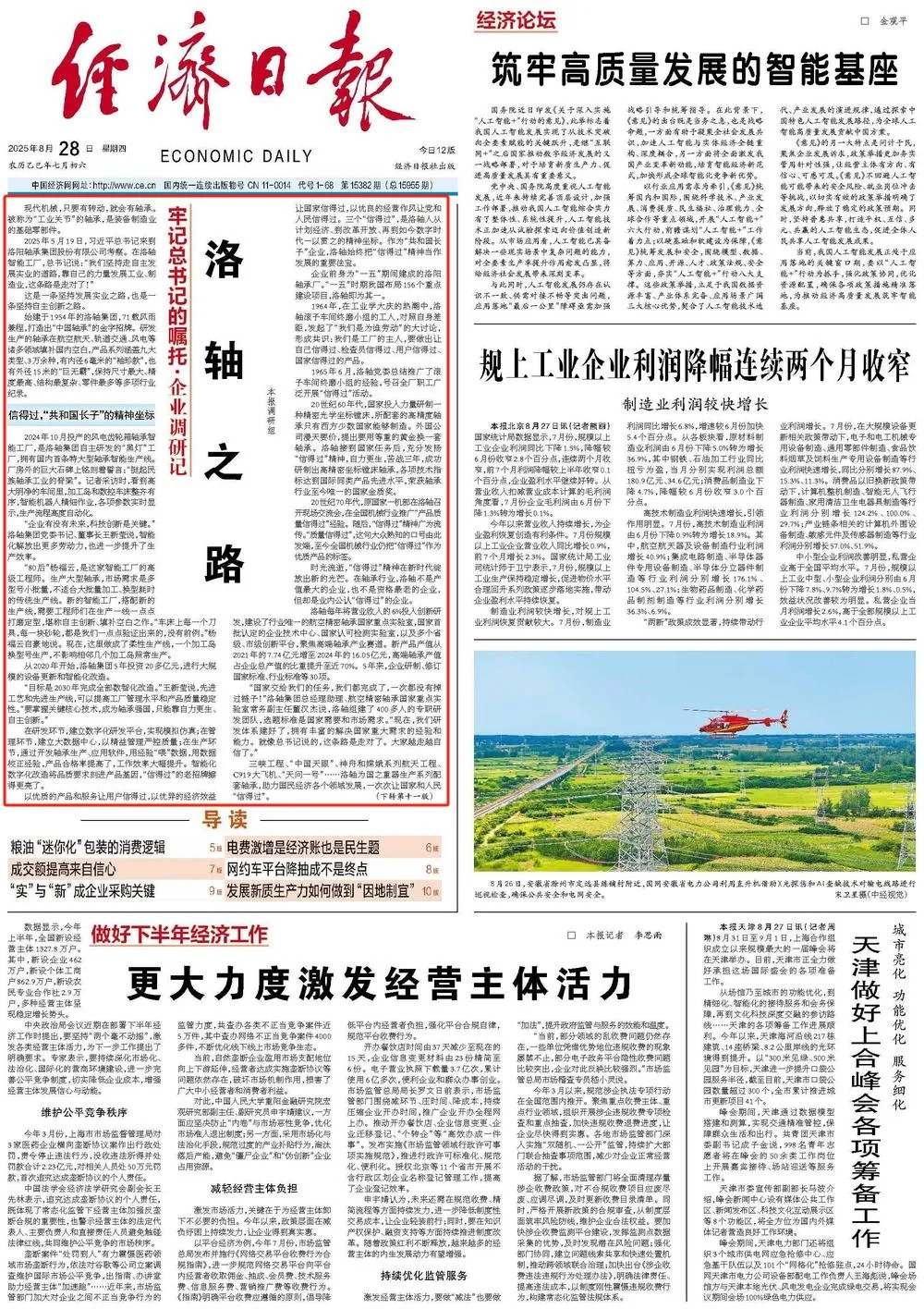
Core Viewpoint - The article emphasizes the importance of independent innovation and development in the manufacturing industry, particularly in the bearing sector, as exemplified by Luoyang Bearing Group Co., Ltd. (洛轴集团) and its commitment to becoming a leader in high-end bearing production and technology [1][9][17]. Group 1: Company Overview - Luoyang Bearing Group, established in 1954, has developed a strong reputation in the bearing industry, producing over 30,000 types of bearings for various applications, including aerospace and wind power [1]. - The company has invested over 2 billion yuan in equipment upgrades and smart manufacturing since 2020, aiming for full digital transformation by 2030 [9][17]. Group 2: Technological Innovation - The company has established a digital R&D platform and a big data center to enhance quality control and management efficiency, leading to improved product quality and operational efficiency [9][17]. - Luoyang Bearing Group has developed a flexible production line that allows for small-batch, multi-model production, which is essential for meeting market demands [8][9]. Group 3: Market Position and Strategy - The company aims to achieve 15 billion yuan in revenue by 2030, focusing on high-value products and expanding its market share in the domestic and international bearing markets [25][26]. - Luoyang Bearing Group has increased its high-end bearing output from 774 million yuan in 2021 to 1.605 billion yuan in 2024, with high-end products now accounting for nearly 70% of total revenue [17]. Group 4: Workforce and Culture - The company has implemented a "Four Systems" reform to enhance management efficiency and employee motivation, resulting in a younger and more dynamic workforce [21][22]. - Luoyang Bearing Group invests 6% of its annual revenue in innovation and R&D, fostering a culture of continuous improvement and employee engagement [17][27]. Group 5: Future Outlook - The company is actively pursuing opportunities in emerging markets such as wind energy and electric vehicles, positioning itself to capitalize on industry trends and government policies [31][40]. - Luoyang Bearing Group plans to further optimize its capital structure through mixed ownership reforms and aims for an initial public offering by 2026 [30].
“2025中国民营企业500强”出炉 194家上榜企业 实控273家A股公司
Zhong Guo Zheng Quan Bao· 2025-08-28 22:00
Group 1 - The "2025 China Private Enterprises Top 500" list shows that 194 companies control 273 A-share listed companies, with the entry threshold raised to 27.023 billion yuan [1] - The total revenue of the top 500 private enterprises reached 4.305 trillion yuan, with an average revenue of 86.102 billion yuan, reflecting a year-on-year growth of 2.72% [1][3] - The top 500 private enterprises are actively investing in strategic emerging industries, with 309 companies reporting 627 projects in sectors like new materials, new energy, and new generation information technology [2] Group 2 - 83% of the listed companies are advancing green and low-carbon transformations through various measures, including the application of green technologies and carbon emission assessments [2] - The total net profit of the top 500 private enterprises reached 1.8 trillion yuan, with an average net profit of 360.5 million yuan, marking a growth of 6.48% [3] - The total R&D expenditure of the reporting companies amounted to 1.13 trillion yuan, with an average R&D intensity of 2.77%, and the number of valid patents increased by 8.23% [3]
194家上榜企业实控273家A股公司
Zhong Guo Zheng Quan Bao· 2025-08-28 20:16
Group 1 - The "2025 China Private Enterprises Top 500" list shows that 194 companies control 273 A-share listed companies, with the entry threshold increased to 27.023 billion yuan and total revenue reaching 4.305 trillion yuan, reflecting a 2.72% growth in average revenue per company [1][2] - The top three companies on the list are JD Group, Alibaba (China) Co., Ltd., and Hengli Group Co., Ltd., indicating the significant role of private enterprises in driving economic vitality and development potential in China [1][2] - The list highlights that 83% of the top private enterprises are pursuing green and low-carbon transformations, implementing measures such as applying green technologies and promoting green collaboration across the industry chain [2] Group 2 - The total net profit of the top private enterprises amounts to 1.8 trillion yuan, with an average net profit of 360.5 million yuan, marking a 6.48% increase [3] - The total R&D expenditure reported by these enterprises is 1.13 trillion yuan, with a total of 1.1517 million R&D personnel, and an average R&D investment intensity of 2.77% [3] - The number of valid patents held by these enterprises has reached 721,600, reflecting an 8.23% growth, with domestic valid patents increasing by 12.42% [3]


