
全球安全倡议

Search documents
蔡奇会见埃及总理
Yang Guang Wang· 2025-08-31 04:56
Core Points - The meeting between Cai Qi and Egyptian Prime Minister Madbouli emphasizes the strengthening of China-Egypt relations and cooperation across various fields [1] - The two countries are set to celebrate the 70th anniversary of diplomatic relations next year, highlighting the historical significance of their partnership [1] - Egypt's commitment to the One China principle and support for China's global initiatives indicates a deepening strategic partnership [1] Summary by Categories Bilateral Relations - Cai Qi and Madbouli discussed the importance of implementing the consensus reached by President Xi Jinping and President Sisi to enhance bilateral relations [1] - The meeting aims to push the China-Egypt comprehensive strategic partnership to new heights [1] Cooperation Initiatives - Both sides expressed a desire to learn from each other's development experiences and strengthen practical cooperation [1] - The focus is on advancing cooperation in various fields to achieve greater development [1] Strategic Principles - Egypt's firm adherence to the One China principle reflects its commitment to supporting China's global development, security, and civilization initiatives [1]
擘画上合组织发展新蓝图
Jing Ji Ri Bao· 2025-08-30 23:20
Group 1: Core Views - The Shanghai Cooperation Organization (SCO) has grown from 6 founding member countries to 26 countries across Asia, Europe, and Africa, making it the largest regional international organization in terms of area and population [1] - The 2025 SCO summit in Tianjin is the largest in the organization's history, marking a significant milestone in its development [1] Group 2: Security Cooperation - The SCO was established to address regional security needs, evolving from traditional security issues to non-traditional security challenges, such as terrorism and organized crime [2][3] - The organization has created a robust framework for security cooperation, including the establishment of permanent institutions like the Regional Anti-Terrorist Structure [2][4] - The SCO has successfully conducted joint law enforcement actions and military exercises, enhancing collaboration among member states [4] Group 3: Economic Cooperation - The SCO countries are enhancing economic cooperation, focusing on trade, investment, and connectivity, with significant agreements signed to facilitate these efforts [7][8] - Trade between China and SCO countries reached $519.7 billion from January to July this year, a 2.7% increase year-on-year, highlighting the growing economic ties [8] - Investment from China in SCO member states exceeded $140 billion, with a focus on sectors like agriculture, green energy, and logistics [9] Group 4: Digital Economy and Local Cooperation - The establishment of the China-SCO Big Data Center aims to enhance digital economic cooperation, with training programs for over 770 individuals from SCO countries [10][11] - Local cooperation initiatives have been launched, including agricultural technology exchange and trade cooperation zones, fostering regional economic development [11][12] Group 5: Cultural and Human Exchange - The SCO emphasizes cultural exchange and mutual understanding, with various initiatives promoting tourism, healthcare, and education among member states [12][14] - The establishment of the SCO University network facilitates educational collaboration, with over 1,200 students participating in exchange programs [14][15]
坚持命运与共 维护世界和平——中国人民抗日战争胜利80周年的时代启示之五
Xin Hua She· 2025-08-30 11:24
Core Viewpoint - The article emphasizes the importance of remembering history to better shape the future, particularly in the context of the 80th anniversary of the victory in the Chinese People's Anti-Japanese War and the World Anti-Fascist War, highlighting China's significant contributions to global peace and development [2][9][24] Historical Context - The Anti-Japanese War (1931-1945) marked a critical period where China was the first to resist Japanese aggression, contributing significantly to the global anti-fascist efforts [2][6] - The war resulted in over 35 million Chinese casualties, showcasing the immense sacrifices made by the Chinese people [6][8] International Cooperation - The article highlights the support from international allies during the war, including medical assistance from Canadian and Indian doctors, and military support from the Soviet Red Army [8][21] - The formation of the United Nations and the signing of the UN Charter in 1945 marked a significant step towards establishing international cooperation and peace [22][24] Modern Implications - The article discusses China's current initiatives, such as the Belt and Road Initiative and the Global Development Initiative, aimed at fostering international collaboration and addressing global development challenges [17][23] - It stresses the need for mutual respect and cooperation among nations to maintain peace and promote development in the face of contemporary global challenges [19][24]
上合组织天津峰会丨蔡奇会见埃及总理马德布利
Xin Hua She· 2025-08-30 07:11
Core Points - The meeting between Cai Qi and Egyptian Prime Minister Madbouli emphasizes the importance of deepening China-Egypt relations and advancing cooperation across various fields [1] - The two countries are set to celebrate the 70th anniversary of diplomatic relations next year, highlighting a long-standing partnership [1] - Both sides expressed commitment to mutual support and the implementation of key agreements reached by their leaders [1] Summary by Categories Diplomatic Relations - Cai Qi highlighted the significant consensus reached during the meetings between President Xi Jinping and President Sisi, which laid out a blueprint for the development of China-Egypt relations [1] - The commitment to mutual support and cooperation aims to build a China-Egypt community of shared destiny in the new era [1] Cooperation Initiatives - Egypt's Prime Minister Madbouli expressed adherence to the One China principle and support for China's global initiatives, including the Global Development Initiative, Global Security Initiative, and Global Civilization Initiative [1] - There is a willingness from Egypt to learn from China's development experience and enhance practical cooperation [1]
高端访谈|铭记共同历史 携手为实现俄中繁荣昌盛而奋斗——访俄罗斯总统普京
Xin Hua Wang· 2025-08-30 05:20
Core Points - Russian President Putin emphasizes the importance of commemorating the 80th anniversary of the victory in World War II and the mutual cooperation between Russia and China to benefit both nations [1][3] - The economic relationship between Russia and China has reached unprecedented levels, with trade volume increasing by approximately $100 billion since 2021, making China Russia's largest trading partner [5][6] - Cultural and educational exchanges between the two countries are thriving, with over 51,000 Chinese students studying in Russia and 21,000 Russian students in China, indicating strong bilateral ties [6] Economic Cooperation - The bilateral trade volume between Russia and China has significantly increased, with China being Russia's primary trading partner and Russia ranking fifth among China's trading partners [5] - Russia is a leading exporter of oil and natural gas to China, and both countries are working to reduce trade barriers and expand cooperation in various sectors, including agriculture and high-tech industries [5][6] - Joint projects in infrastructure and industrial cooperation are underway, with plans for large-scale collaborations in construction materials and technology [5][6] Cultural and Educational Exchange - The cultural exchange between Russia and China is robust, with the implementation of the "2030 Russia-China Cultural Cooperation Roadmap" featuring over 100 major projects [6] - The "Russia-China Cultural Year" is set to take place in 2024-2025, generating significant public interest and engagement in both countries [6] - Cooperation in education and science is expanding, with a notable increase in academic exchanges and joint research initiatives [6] Multilateral Cooperation - Russia and China are committed to strengthening their collaboration within multilateral frameworks such as the Shanghai Cooperation Organization (SCO), G20, and BRICS, focusing on enhancing their roles in global governance [8][9][10] - Both countries advocate for reforms in international financial institutions like the IMF and World Bank to ensure equitable access for all nations [10] - The strategic coordination between Russia and China serves as a stabilizing force in addressing current global challenges and threats [9]

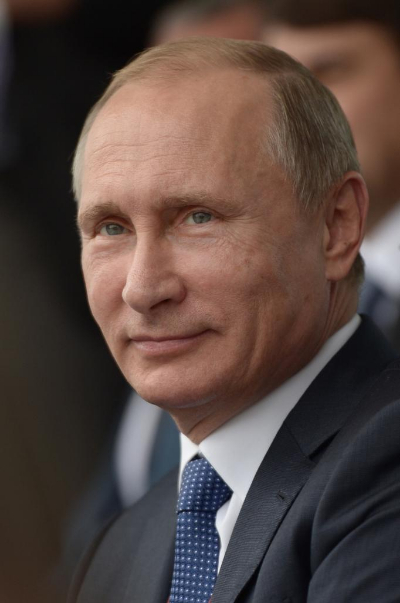
访华前夕,普京表态
中国基金报· 2025-08-30 04:51
Core Viewpoint - The article emphasizes the deepening cooperation between Russia and China, particularly in commemorating historical victories and enhancing bilateral relations across various sectors, including trade, culture, and international collaboration [1][2][3]. Bilateral Relations - The economic relationship between Russia and China has reached unprecedented levels, with trade increasing by approximately $100 billion since 2021 [4][17]. - China is Russia's largest trading partner, and Russia ranks fifth among China's trading partners [4][17]. - The two countries have shifted their trade settlements to local currencies, significantly reducing the use of USD and EUR [4][17]. Historical Commemoration - Both nations will commemorate the 80th anniversary of significant victories in World War II, highlighting the sacrifices made by their peoples [2][3][12]. - The historical cooperation during the war laid a solid foundation for modern Russia-China relations, showcasing mutual support against common adversaries [3][13][15]. Economic Cooperation - Russia is a leading exporter of oil and gas to China, with significant projects like the "Power of Siberia" gas pipeline contributing to energy security [4][17]. - The two countries are working to lower trade barriers and have expanded agricultural exports, with food products becoming a major category in trade [4][18]. - Joint industrial projects are underway, including local production of Chinese automobiles in Russia and collaboration on high-tech facilities [4][18]. Cultural Exchange - The cultural exchange between Russia and China is thriving, with initiatives like the "Russian Year" and "Chinese Year" fostering people-to-people connections [5][19]. - Educational cooperation is expanding, with over 51,000 Chinese students studying in Russia and 21,000 Russian students in China [5][19]. - The upcoming "Russian-Chinese Cultural Year" in 2024-2025 aims to celebrate the 75th anniversary of diplomatic relations [5][19]. Multilateral Cooperation - Russia and China are enhancing their collaboration within multilateral frameworks such as the Shanghai Cooperation Organization (SCO) and BRICS, focusing on regional stability and economic development [6][22][24]. - The SCO is seen as a platform for promoting a multipolar world order, emphasizing equal cooperation and respect for national characteristics [6][22][23]. - Both countries advocate for reforms in international financial institutions to ensure fair representation and access for all nations [8][26][27].
普京:俄罗斯永远不会忘记,正是中国的英勇抵抗,成为阻止日本对我们背后捅刀的决定性因素之一
证券时报· 2025-08-30 03:06
Core Viewpoint - The article emphasizes the importance of the historical ties between Russia and China, highlighting their commitment to mutual cooperation and prosperity, especially in the context of commemorating the 80th anniversary of the victory in World War II [1][2][3]. Bilateral Relations - President Putin noted the successful visit of Chinese President Xi Jinping to Russia in May, which resulted in a detailed joint statement and a series of bilateral agreements, symbolizing a strategic choice to strengthen friendly relations and cooperation [1][2]. - The economic relationship between Russia and China has reached unprecedented levels, with trade volume increasing by approximately $100 billion since 2021, making China Russia's largest trading partner [3][4]. Historical Context - Putin emphasized the sacrifices made by both nations during World War II, stating that the Soviet Union and China suffered the highest casualties and played a crucial role in defeating fascism [2][3]. - He acknowledged China's resistance against Japanese aggression as a decisive factor that allowed the Soviet Union to focus on defeating Nazi Germany [2]. Economic Cooperation - The article highlights the ongoing efforts to reduce trade barriers and expand bilateral trade, particularly in the export of agricultural products, including pork and beef from Russia to China [3][4]. - Russia is a key market for Chinese automotive exports, and both countries are collaborating on high-tech production facilities and infrastructure projects [3][4]. Cultural and Human Exchange - Cultural exchanges between Russia and China are thriving, with over 100 large projects outlined in the "Roadmap for Cultural Cooperation by 2030" [4]. - The number of Chinese students studying in Russia exceeds 51,000, while around 21,000 Russian students are in China, indicating strong educational ties [4]. Multilateral Cooperation - Putin expressed optimism about the Shanghai Cooperation Organization (SCO) under China's presidency, aiming to enhance its role in addressing current global challenges and promoting a multipolar world order [5][6]. - The collaboration between Russia and China within multilateral frameworks, such as the G20 and BRICS, is seen as a significant factor in promoting economic development and addressing international issues [6][7]. Financial System Reform - Both nations support reforms in international financial institutions like the IMF and World Bank, advocating for a fair and open financial system that reflects the actual status of member countries in the global economy [7].
俄罗斯总统普京接受新华社专访:携手为实现俄中繁荣昌盛而奋斗
Xin Hua She· 2025-08-30 01:29
Core Points - The article discusses the upcoming visit of Russian President Putin to China, emphasizing the commemoration of the 80th anniversary of the victory in World War II and the deepening of bilateral cooperation between Russia and China [1][2] - Putin highlights the successful visit of Chinese President Xi Jinping to Russia earlier this year, which resulted in a detailed joint statement and a package of bilateral agreements [1][3] - The economic relationship between Russia and China has reached unprecedented levels, with trade volume increasing by approximately $100 billion since 2021 [3][4] Group 1: Historical Context and Commemoration - Putin emphasizes the significant sacrifices made by the Soviet Union and China during World War II, which laid a solid foundation for modern Russia-China relations [2][3] - He expresses gratitude for China's preservation of memorials for Soviet soldiers who lost their lives in the war, highlighting the importance of remembering their contributions [2][3] Group 2: Economic Cooperation - The trade volume between Russia and China has reached new heights, with China being Russia's largest trading partner, and nearly all transactions are now conducted in local currencies [3][4] - Russia is a leading exporter of oil and natural gas to China, and both countries are working to reduce trade barriers and expand cooperation in various sectors, including agriculture and industrial projects [3][4] Group 3: Cultural and Human Exchange - Cultural exchanges between Russia and China are thriving, with over 51,000 Chinese students studying in Russia and 21,000 Russian students in China [4][5] - The "Russia-China Cultural Year" is set to take place in 2024-2025, with a variety of activities planned to enhance social ties between the two nations [4][5] Group 4: Multilateral Cooperation - Putin underscores the importance of the Shanghai Cooperation Organization (SCO) in promoting a multipolar world order and enhancing cooperation among member states [5][6] - The collaboration between Russia and China within multilateral frameworks like the G20 and BRICS is aimed at addressing global challenges and promoting economic development [6][7] Group 5: Financial System Reform - Both countries support reforms in international financial institutions like the IMF and World Bank, advocating for a fair and open financial system that reflects the actual status of member countries in the global economy [7][8]
访华前夕,普京最新表态
财联社· 2025-08-30 01:19
Core Viewpoint - The article emphasizes the deepening cooperation between Russia and China, particularly in commemorating historical events and enhancing bilateral relations through economic, cultural, and strategic collaboration [1][3][12]. Economic Cooperation - Russia and China have achieved unprecedented levels of economic relations, with trade volume increasing by approximately $100 billion since 2021 [6]. - China is Russia's largest trading partner, and the two countries have shifted nearly all trade settlements to local currencies [6]. - Key areas of cooperation include energy exports, with Russia being a leading supplier of oil and gas to China, and the expansion of agricultural exports such as pork and beef [6][7]. Cultural and Human Exchange - The cultural exchange between Russia and China is thriving, with over 51,000 Chinese students studying in Russia and 21,000 Russian students in China [8]. - The "Year of Russian Culture" is set to take place in 2024-2025, featuring numerous events that have garnered significant public interest [8]. - The two nations are implementing a roadmap for cultural cooperation that includes over 100 major projects [7]. Strategic Collaboration - Russia and China are committed to strengthening their strategic partnership, particularly in addressing international challenges and promoting a multipolar world order [10][11]. - Both countries support reforms in international financial institutions to ensure equitable access for all nations [12]. - The collaboration within multilateral frameworks such as the Shanghai Cooperation Organization and BRICS is highlighted as a significant aspect of their relationship [11][12].
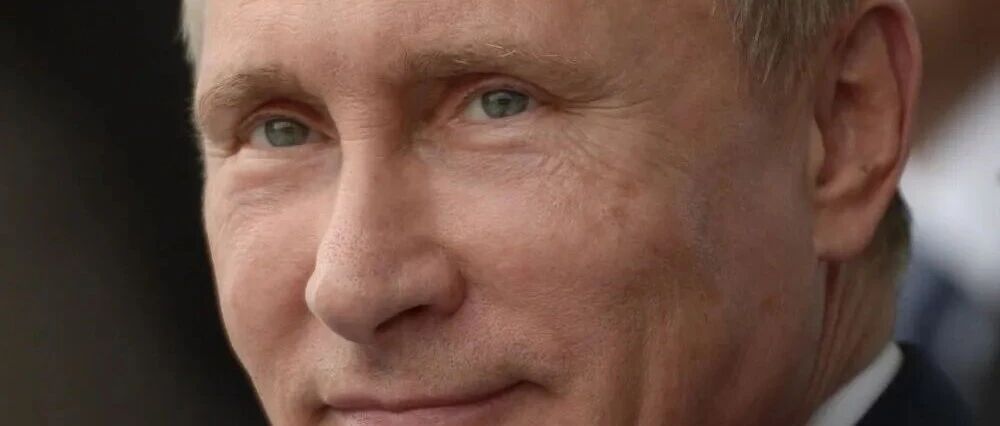
俄罗斯总统普京接受新华社专访
Xin Hua She· 2025-08-30 01:15
Economic Cooperation - The economic relationship between Russia and China has reached an unprecedented high level, with trade volume increasing by approximately $100 billion since 2021 [4] - China is the largest trading partner for Russia, and Russia ranked fifth among China's trading partners last year [4] - The settlement of trade between the two countries has almost completely shifted to local currencies [4] - Russia is a leading exporter of oil and natural gas to China, and both countries are working to reduce trade barriers [4] - Food and agricultural products have become major categories of Russian exports to China, with significant cooperation in industrial sectors [4] Cultural and Human Exchange - Cultural exchanges between Russia and China are thriving, with the implementation of the "Roadmap for Cultural Cooperation until 2030" featuring over 100 major projects [5] - The "Russian-Chinese Cultural Year" is set to take place in 2024-2025, generating significant social interest in both countries [5] - There is a growing trend in educational and scientific cooperation, with over 51,000 Chinese students studying in Russia and 21,000 Russian students in China [5] - Tourism between the two countries is also on the rise, with a projected 1.5-fold increase in bilateral tourist flow in 2024, reaching 2.8 million [5] Multilateral Cooperation - Russia and China are actively collaborating within multilateral frameworks, which is a crucial aspect of their bilateral relationship [7] - Both countries emphasize the importance of a unified security space in Eurasia, aligning with China's global security initiative [7] - The cooperation between Russia and China at the United Nations has reached unprecedented heights, reflecting their comprehensive strategic partnership [7] - Both nations support reforms in international financial institutions like the IMF and World Bank, advocating for a fair and open financial system [8]