
单边主义

Search documents
墨西哥拟对中国等国征收50%关税,中方回应
第一财经· 2025-09-11 23:24
Core Viewpoint - Mexico plans to increase import tariffs on approximately 1,400 product categories, including automobiles, toys, steel, textiles, and plastic products, to a rate of 10% to 50% for countries that have not signed free trade agreements with Mexico, including China [3][4]. Group 1: Mexico's Tariff Increase - The proposed tariff increase aligns with the U.S.'s long-standing strategy to contain China and may facilitate future trade negotiations between Mexico and its North American partners [3]. - The Chinese Ministry of Commerce expressed concern that Mexico's unilateral tariff increase could harm the interests of related trade partners, including China, and negatively impact the business environment in Mexico, reducing investment confidence [4][5]. Group 2: China's Trade Position - China remains a significant player in global trade, with its foreign trade maintaining steady growth despite external uncertainties. In the first eight months of the year, China's total goods trade value increased by 3.5% year-on-year [8][9]. - Exports reached 17.61 trillion yuan, growing by 6.9%, while imports totaled 11.96 trillion yuan, showing a decline of 1.2%, although the decline rate has narrowed [9].


墨西哥拟对中国等国征收50%关税,商务部、外交部回应来了
Di Yi Cai Jing· 2025-09-11 23:19
Group 1 - Mexico plans to increase import tariffs on approximately 1,400 products, including automobiles, toys, steel, textiles, and plastic products, to a range of 10% to 50% for countries that have not signed free trade agreements with Mexico, including China [1] - The Chinese Ministry of Commerce expressed concern that Mexico's tariff increase aligns with the U.S.'s long-standing strategy to contain China and could affect future trade negotiations between Mexico and its North American partners [1][3] - The Ministry emphasized the importance of maintaining free trade and multilateralism, stating that unilateral tariff increases by Mexico would be seen as a concession to unilateral bullying [1][3] Group 2 - China and Mexico are important trade partners, and the Chinese government hopes that Mexico will reconsider its tariff increases to avoid negative impacts on bilateral trade [3] - The Chinese government advocates for resolving trade disputes through equal dialogue and opposes any form of unilateralism and protectionism [3] - China's foreign trade has shown resilience, with a 3.5% year-on-year increase in total trade value in the first eight months of the year, despite global economic uncertainties [5][6] Group 3 - In the first eight months of the year, China's total goods trade value reached 29.57 trillion yuan, with exports growing by 6.9% to 17.61 trillion yuan and imports declining by 1.2% to 11.96 trillion yuan [6] - In August, China's goods trade value was 3.87 trillion yuan, with exports at 2.3 trillion yuan (up 4.8%) and imports at 1.57 trillion yuan (up 1.7%), marking three consecutive months of growth in both exports and imports [6]
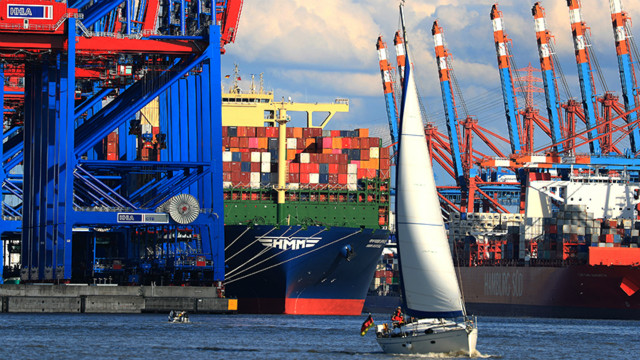
勿因外部胁迫损害双边贸易
Sou Hu Cai Jing· 2025-09-11 22:39
Core Viewpoint - The Mexican government is considering imposing tariffs on imports from countries that have not signed trade agreements with Mexico, including China, which could impact bilateral trade and global economic stability [1][2]. Group 1: Trade Relations - China is Mexico's second-largest trading partner, with bilateral trade expected to exceed $100 billion in 2024, highlighting the strong economic ties and cooperation potential between the two countries [1]. - China exports machinery, light industrial products, and auto parts to Mexico, aiding in the enhancement of Mexico's industrial chain and meeting consumer needs [1]. - Mexico imports agricultural products and minerals from China, which supports domestic economic development and job growth in related industries [1]. Group 2: Economic Cooperation - The successful economic cooperation between China and Mexico is attributed to their mutual understanding of economic complementarity and a shared commitment to trade liberalization and economic globalization [1]. - Both countries advocate for free trade and oppose unilateralism and protectionism, emphasizing the importance of maintaining stable trade relations for Mexico's fundamental interests [1]. Group 3: External Pressures - Recent irrational calls for tariff increases in Mexico are closely linked to external pressures from certain countries that misuse tariffs and sanctions, distorting market rules and disrupting global supply chains [2]. - Mexico's trade credibility and policy autonomy are crucial for its international cooperation, and yielding to external coercion could lead to long-term losses that outweigh any perceived political gains [2]. Group 4: Political Context - Mexican President Claudia Sheinbaum positively assessed Mexico-China relations, expressing a willingness to enhance cooperation across various fields [3]. - Succumbing to external pressures could undermine the achievements of Mexico-China economic cooperation and ultimately harm Mexico's economic development and the welfare of its people [3].
商务部:密切关注墨方提税动向 中方将根据实际情况采取必要措施
Yang Shi Xin Wen· 2025-09-11 22:09
Group 1 - Mexico plans to increase import tariffs on approximately 1,400 products, including automobiles, toys, steel, textiles, and plastic products, to a range of 10% to 50% for countries that have not signed free trade agreements with Mexico, including China [1] - The tariff increase aligns with the U.S. strategy to contain China and may facilitate future trade negotiations between Mexico and its North American partners, as well as support Mexico's domestic production and consumption strategy [1] - The Chinese government expresses concern over Mexico's unilateral tariff actions, stating that such measures could harm the interests of relevant trade partners, including China, and negatively impact the business environment in Mexico, reducing investor confidence [1] Group 2 - China advocates for resolving trade disputes through equal dialogue and negotiation, opposing unilateralism, protectionism, and discriminatory measures [2] - The Chinese government is prepared to take necessary measures to protect its legitimate rights and interests based on actual circumstances [2]
商务部回应墨西哥拟对有关贸易伙伴提高进口关税税率
Xin Hua Wang· 2025-09-11 16:43
Core Points - Mexico plans to increase import tariffs on approximately 1,400 products, including automobiles, toys, steel, textiles, and plastic products, to rates between 10% and 50% for countries that have not signed free trade agreements with Mexico, including China [1] - The Chinese Ministry of Commerce expressed concern that Mexico's tariff increase aligns with the U.S.'s long-standing strategy to contain China and could affect future trade negotiations between Mexico and its North American partners [1] - The Ministry emphasized the importance of maintaining free trade and multilateralism, warning that unilateral tariff increases could harm the interests of affected trade partners, including China, and negatively impact the business environment in Mexico [1] Industry Response - The Chinese government advocates for resolving trade disputes through equal dialogue and negotiation, opposing unilateralism, protectionism, and discriminatory measures [2] - China will take necessary measures based on actual circumstances to protect its legitimate rights and interests [2]
商务部深夜发声
中国基金报· 2025-09-11 16:18
Core Viewpoint - Mexico plans to increase import tariffs on approximately 1,400 product categories, including automobiles, toys, steel, textiles, and plastic products, to a rate of 10%-50% for countries that have not signed free trade agreements with Mexico, including China [1] Group 1: Mexico's Tariff Increase - The proposed tariff increase aligns with the U.S.'s long-standing strategy to contain China and may serve Mexico's future trade negotiations with North American partners [1] - The Chinese government expresses concern that Mexico's unilateral tariff increase could harm the interests of relevant trade partners, including China, and negatively impact the business environment in Mexico, reducing investment confidence [1] Group 2: China's Response - China advocates for resolving trade disputes through equal dialogue and opposes unilateralism, protectionism, and discriminatory measures [2] - The Chinese government emphasizes the importance of mutual benefit in China-Mexico economic cooperation and hopes for collaborative efforts to promote global economic recovery and trade development [4]

中方希望墨西哥慎之又慎,三思后行
Sou Hu Cai Jing· 2025-09-11 16:14
Core Viewpoint - Mexico plans to increase import tariffs on approximately 1,400 products, including automobiles, toys, steel, textiles, and plastic products, to a range of 10% to 50% for countries that have not signed free trade agreements with Mexico, including China [1] Group 1: Mexico's Tariff Increase - The proposed tariff increase aligns with the U.S.'s long-standing strategy to curb China's influence and may facilitate future trade negotiations between Mexico and its North American partners [1] - The Chinese government expressed concern that Mexico's unilateral tariff actions could harm trade relations and the business environment, potentially reducing investment confidence in Mexico [1] Group 2: China's Response - China advocates for resolving trade disputes through equal dialogue and opposes unilateralism, protectionism, and discriminatory measures [2] - The Chinese government emphasizes the importance of mutual benefit in China-Mexico economic cooperation and hopes for collaborative efforts to promote global economic recovery and trade development [4]
商务部:将密切关注墨方提税动向,并对有关最终措施进行认真评估
Sou Hu Cai Jing· 2025-09-11 16:02
答:我们注意到有关报道,将密切关注墨方提税动向,并对有关最终措施进行认真评估。在当前美方滥 施关税引发全球普遍反对之际,各国应加强沟通协调,共同维护自由贸易和多边主义,绝不能因为他人 胁迫而牺牲第三方的利益。在此背景下,墨方任何的单边加税举动,即便是在世贸规则框架内,都会被 认为是对单边霸凌主义的绥靖与妥协。有关措施一旦落地,不仅会损害包括中国在内的相关贸易伙伴的 利益,也会严重影响墨营商环境的确定性,降低企业对墨投资的信心。中墨互为重要的经贸伙伴,我们 不愿看到双方经贸合作因此受到影响,希望墨方慎之又慎,三思后行。 中方一贯主张各方通过平等对话协商解决经贸分歧,反对任何形式的单边主义、保护主义以及歧视性排 他性措施,坚决反对各种损害中方利益的做法。中方将根据实际情况采取必要措施,坚决维护自身正当 合法权益。 人民财讯9月11日电,商务部新闻发言人就墨西哥拟对有关贸易伙伴提高进口关税税率事答记者问。 有记者问:据报道,墨西哥拟对包括中国在内的未与墨签署自贸协定的国家,将汽车、玩具、钢铁、纺 织品和塑料制品等约1400项税目产品的进口关税税率提升至10%—50%。同时有分析认为,墨西哥的提 税举措符合美方长期以 ...
商务部就墨西哥拟对有关贸易伙伴提高进口关税税率事答记者问
Hua Er Jie Jian Wen· 2025-09-11 15:55
市场有风险,投资需谨慎。本文不构成个人投资建议,也未考虑到个别用户特殊的投资目标、财务状况或需要。用户应考虑本文中的任何 意见、观点或结论是否符合其特定状况。据此投资,责任自负。 据央视报道,商务部新闻发言人表示:我们注意到有关报道,将密切关注墨方提税动向,并对有关最终 措施进行认真评估。在当前美方滥施关税引发全球普遍反对之际,各国应加强沟通协调,共同维护自由 贸易和多边主义,绝不能因为他人胁迫而牺牲第三方的利益。在此背景下,墨方任何的单边加税举动, 即便是在世贸规则框架内,都会被认为是对单边霸凌主义的绥靖与妥协。有关措施一旦落地,不仅会损 害包括中国在内的相关贸易伙伴的利益,也会严重影响墨营商环境的确定性,降低企业对墨投资的信 心。中墨互为重要的经贸伙伴,我们不愿看到双方经贸合作因此受到影响,希望墨方慎之又慎,三思后 行。 中方一贯主张各方通过平等对话协商解决经贸分歧,反对任何形式的单边主义、保护主义以及歧 视性排他性措施,坚决反对各种损害中方利益的做法。中方将根据实际情况采取必要措施,坚决维护自 身正当合法权益。 风险提示及免责条款 ...
商务部就墨西哥拟对有关贸易伙伴提高进口关税税率事答问
Shang Wu Bu Wang Zhan· 2025-09-11 15:51
Core Viewpoint - Mexico plans to increase import tariffs on approximately 1,400 products, including automobiles, toys, steel, textiles, and plastic products, to a rate of 10%-50% for countries that have not signed free trade agreements with Mexico, including China [1] Group 1 - The proposed tariff increase aligns with the U.S.'s long-standing strategy to contain China and may facilitate future trade negotiations between Mexico and its North American partners [1] - The Chinese government expresses concern over Mexico's unilateral tariff actions, emphasizing the need for countries to communicate and coordinate to maintain free trade and multilateralism [1][2] - Any unilateral tariff measures by Mexico, even within the framework of WTO rules, are viewed as a concession to unilateral bullying and could harm the interests of relevant trade partners, including China [1] Group 2 - The Chinese government advocates for resolving trade differences through equal dialogue and negotiation, opposing any form of unilateralism, protectionism, and discriminatory measures [2] - China will take necessary measures based on actual circumstances to safeguard its legitimate rights and interests [2]