
生态文明建设

Search documents
北京门头沟:全力打造生态文明建设的北京标杆
Bei Jing Ri Bao Ke Hu Duan· 2025-09-15 11:06
Core Viewpoint - The article emphasizes the commitment of Mentougou District to ecological civilization and green development, aligning with Xi Jinping's ecological thought and the broader strategy of building a beautiful Beijing [1][2][3]. Group 1: Ecological Protection and Green Development - Mentougou District is focused on ecological protection as a priority, implementing a strategy to strengthen the ecological barrier in the western part of Beijing [1][2]. - The district has closed all coal mines and non-coal mines to address historical environmental damage and promote sustainable development [2]. - The district aims to balance ecological benefits with economic and social benefits, promoting high-tech industries and eco-friendly tourism [4][11]. Group 2: Systematic Ecological Governance - The district adopts a systematic approach to ecological governance, integrating various ecological elements such as mountains, rivers, forests, fields, lakes, and grasslands [3][8]. - Efforts include comprehensive water ecological governance and biodiversity protection, with initiatives like the "Six Water Connections" project and the establishment of a national-level nature reserve [8][9]. Group 3: Community Engagement and Public Participation - The district emphasizes a people-centered approach in ecological construction, addressing public concerns about environmental issues and promoting green lifestyles [5][14]. - Initiatives include enhancing public awareness of environmental protection and encouraging community participation in ecological conservation [5][14]. Group 4: Economic Transformation and Development - Mentougou District is exploring pathways to convert ecological advantages into economic benefits, focusing on the value realization of ecological products [7][10]. - The district is developing a high-tech industrial system, particularly in artificial intelligence and medical devices, to drive economic transformation [11][12]. Group 5: Achievements and Recognition - The district has received accolades such as being named a national forest city and a "natural oxygen bar," showcasing its successful ecological initiatives [6][10]. - In 2024, the district's tourism revenue reached 4.13 billion, a 34.2% increase year-on-year, indicating successful economic growth linked to ecological tourism [13].
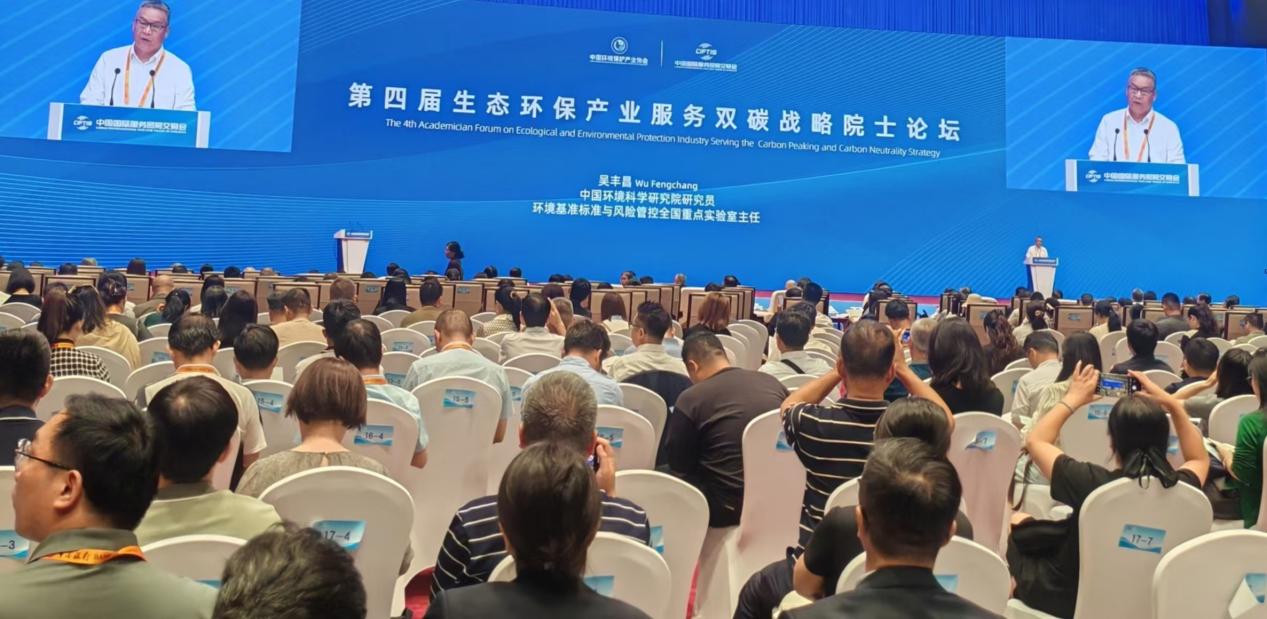
科技领航智绿融合:第四届生态环保产业服务“双碳”战略院士论坛举行
Zhong Guo Jing Ji Wang· 2025-09-15 04:48
Core Insights - The 2025 China International Service Trade Fair held from September 10 to 14 focused on the theme of ecological and environmental services, emphasizing the "dual carbon" strategy and the integration of technology and green development [1][3] Group 1: Event Overview - The fourth Ecological and Environmental Industry Service "Dual Carbon" Strategy Forum was a key event during the fair, aiming to gather global expertise to support China's dual carbon strategy and ecological civilization [1][3] - The forum highlighted the importance of technological innovation and intelligent integration in driving green transformation across industries [1][4] Group 2: Government and Institutional Support - China is recognized as a proactive participant in global climate governance, achieving significant milestones in green and low-carbon development [3] - Beijing's government emphasizes the dual carbon strategy as a guiding principle for high-quality development and supports the ecological and environmental industry as a priority sector [3][4] Group 3: Technological Advancements - Experts discussed advancements in green low-carbon development in the oil and petrochemical sectors, AI-enabled atmospheric composition remote sensing technology, and smart water treatment equipment manufacturing [4] - The forum focused on the integration of artificial intelligence, digital technology, and new materials with green technology to create a new "smart + green" industry ecosystem [5] Group 4: International Collaboration - The forum aimed to deepen international scientific cooperation and technology transfer, supporting the construction of a green "Belt and Road" initiative to enhance China's influence in global environmental governance [5]

广西田林乡村的生态“致富经”
Zhong Guo Xin Wen Wang· 2025-09-15 03:19
Core Viewpoint - The article highlights the successful integration of ecological and economic development in Tianlin County, Guangxi, showcasing how local representatives have facilitated this transformation through innovative practices and community engagement [1]. Group 1: Ecological and Economic Development - The Aishan Garden in Aishan Village serves as a model for ecological and economic revitalization, demonstrating a win-win approach for rural development [3]. - Local representatives have actively participated in economic development, transforming natural resources into economic benefits, as illustrated by the conversion of waste into organic fertilizer for vineyards [3][5]. - The establishment of the Eight Datu Bamboo Shoot Industry Association has led to the creation of eight ecological planting demonstration bases, resulting in a 40% increase in yield per acre and a 30% reduction in chemical fertilizer and pesticide usage [5]. Group 2: Community Engagement and Innovation - The Tianlin County People's Congress has introduced the "Representative Face-to-Face" initiative, creating a mechanism for representatives to engage directly with the community and address ecological challenges [5]. - Twelve representative liaison points have been established, along with two specialized groups focused on ecological protection, facilitating cross-regional collaboration to tackle over 40 ecological issues [5]. - Continuous enforcement checks on environmental laws and regulations have been conducted, ensuring that ecological protection and industry development are held to strict standards [5].

多国使节高度评价中国荒漠化防治成效
Zhong Guo Xin Wen Wang· 2025-09-14 11:17
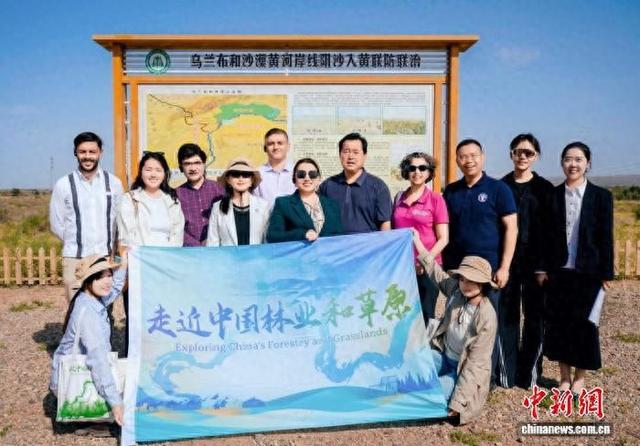
Core Viewpoint - The event "Getting Close to China's Forestry and Grassland" organized by the National Forestry and Grassland Administration highlights China's commitment to international cooperation in combating desertification and showcases its ecological construction efforts [1][3][4]. Group 1: Event Overview - The event took place from September 13 to 15, featuring representatives from Kazakhstan, Iran, Iraq, Mongolia, Mexico, Brazil, and international organizations visiting China's desertification prevention sites [1][3]. - Participants explored various ecological construction sites, including the Shajiang National Tree Germplasm Resource Bank and the ecological demonstration area in Ordos [1][3]. Group 2: International Cooperation - China has established several international cooperation centers focused on desertification prevention, contributing to global efforts with Chinese solutions and wisdom [3]. - The United Nations has awarded China the "Outstanding Contribution Award for Combating Desertification" three times, recognizing its significant role in global desertification prevention [3]. Group 3: Sustainable Development - Delegates emphasized that sustainable development is a common goal for all countries, acknowledging China's substantial efforts in ecological construction and rural revitalization [3]. - The "Three-North" project is highlighted as a model for both China and the world, showcasing successful practices in multiple fields [3]. Group 4: Ongoing Initiatives - Since 2017, the National Forestry and Grassland Administration has organized similar events to invite international representatives to understand China's integrated ecological protection and governance practices [4]. - The upcoming 10th Kubuqi International Desert Forum will focus on "Scientific Desertification Control and Green Development," further emphasizing China's commitment to ecological issues [6].
守护大美!国家公园法有哪些亮点?
Xin Hua She· 2025-09-13 23:03
守护大美!我国首次从国家层面为国家公园专门立法。 当前,我国正在建设全世界最大的国家公园体系,首批设立的三江源、大熊猫、东北虎豹、海南热带雨林、武夷山等国家公园涵盖了近30%的陆 域国家重点保护野生动植物种类。 这部国家公园法有哪些亮点? 一只雌性藏羚羊在可可西里卓乃湖区域活动(2023年6月18日摄)。 新华社记者 张宏祥 摄 ——将"建设生态文明"列入立法目的,明确坚持生态保护第一、统筹保护和发展。 "'生态保护第一'是国家公园理念之一。"清华大学教授杨锐说,如果将国家公园建设设置为100分,那么生态保护就是前面的那个"1"。一切工作的 前提都是要保护自然生态系统的原真性、完整性。 与此同时,国家公园不是单一生态系统或资源要素的简单叠加,而是涵盖多种自然要素和生态过程的综合性生命共同体。 十四届全国人大常委会第十七次会议9月12日表决通过国家公园法,将于2026年1月1日起施行。这将为国家公园保护提供刚性约束,为全面推进美 丽中国建设,加快推进人与自然和谐共生的现代化提供有力支撑。 国家公园守护着我国自然生态系统中最重要、自然景观最独特、自然遗产最精华、生物多样性最富集的部分。 这是2022年5月19日拍 ...

美丽中国铺展新画卷
Ren Min Ri Bao· 2025-09-13 02:42
Group 1 - The core viewpoint emphasizes the importance of ecological civilization construction for the well-being of the people and the future of the nation, highlighting the need for sustainable development through ecological protection [1][4] - The "Two Mountains" concept is being actively implemented across various regions, promoting high-level protection to drive high-quality development and improve living standards [1][4] - Significant improvements in water quality have been reported, with the Yangtze River maintaining Class II water quality for five consecutive years and the Yellow River for three years [1][2] Group 2 - The pollution prevention efforts have led to increased public satisfaction regarding the ecological environment, with notable improvements in air and water quality across the country [2][4] - The average PM2.5 concentration in cities has decreased from 46 micrograms per cubic meter in 2015 to 29.3 micrograms per cubic meter in 2024, indicating effective pollution control measures [2] - The proportion of surface water with good quality has reached 90.4% in 2024, marking a significant increase of 28.8 percentage points since 2012 [2] Group 3 - Integrated protection and systematic governance of ecosystems are being prioritized, with a focus on enhancing biodiversity and ecological stability [3][4] - The area designated for ecological protection has exceeded 30% of the land territory, and over 120 million acres have been restored through various ecological projects [3] - The construction of national parks has made significant progress, contributing to the overall ecological security of the nation [3] Group 4 - The green transformation of economic and social development is yielding significant results, with a clear emphasis on high-quality development [4] - The average annual growth rate of energy consumption is 3.3%, supporting an economic growth rate of over 6.1%, making the country one of the fastest in reducing energy intensity globally [4] - By 2024, the share of clean energy consumption in total energy consumption has risen to 28.6%, demonstrating the economic value generated from a good ecological environment [4]
中央第三生态环境保护督察组督察山东省情况反馈会召开
Da Zhong Ri Bao· 2025-09-13 01:19
Core Viewpoint - The Central Third Ecological Environment Protection Inspection Team conducted a month-long inspection in Shandong Province, providing guidance and identifying both achievements and shortcomings in ecological civilization construction and environmental protection efforts [2][3]. Group 1: Inspection Findings - The inspection report acknowledged the progress made by Shandong in ecological environment protection and ecological civilization construction while also highlighting existing issues that need to be addressed [2]. - The inspection team emphasized the need for Shandong to accept the feedback sincerely and implement comprehensive rectifications to enhance ecological environment protection and ensure the implementation of directives from the central government [2]. Group 2: Rectification Measures - Shandong's leadership is urged to prioritize the rectification of issues identified in the inspection, enhancing political awareness and commitment to address these problems effectively [3]. - A rectification plan must be developed promptly, outlining specific goals, measures, timelines, and responsible parties to ensure thorough resolution of the identified issues [3]. - The province is required to strengthen oversight and guidance on the rectification process, ensuring accountability and satisfaction among the public regarding the outcomes [3].
美丽中国铺展新画卷(奋勇争先,决战决胜“十四五”)
Ren Min Ri Bao· 2025-09-13 00:04
Group 1 - The core viewpoint emphasizes the importance of ecological civilization construction for the well-being of the people and the future of the nation, highlighting the need for sustainable development through ecological protection [1] - The "Two Mountains" concept is being actively implemented across various regions, promoting high-level protection to drive high-quality development and improve living standards [1] - Significant improvements in water quality have been reported, with the Yangtze River maintaining Class II water quality for five consecutive years and the Yellow River for three years [1] Group 2 - The ongoing pollution prevention efforts have led to increased public satisfaction regarding the ecological environment, with notable improvements in air and water quality [2] - The average PM2.5 concentration in cities has decreased from 46 micrograms per cubic meter in 2015 to 29.3 micrograms per cubic meter in 2024, while the proportion of surface water with good quality has risen to 90.4% [2] Group 3 - Integrated protection and systematic governance of ecosystems are being prioritized, with significant progress in the construction of national parks and ecological restoration efforts [3] - The area of ecological protection red lines now exceeds 30% of the land area, and over 120 million acres have been restored through various ecological projects [3] Group 4 - The commitment to ecological priority and green development is evident in the collaboration between carbon reduction, pollution control, and green expansion [4] - The average annual growth rate of energy consumption is 3.3%, supporting an economic growth rate of over 6.1%, making the country one of the fastest in reducing energy intensity globally [4] - By 2024, the share of clean energy consumption in total energy consumption has increased to 28.6%, indicating a strong correlation between a good ecological environment and economic value [4]
赵一德在中央第四生态环境保护督察组督察陕西省情况反馈会上作表态发言坚决有力抓好督察反馈问题整改 加快建设人与自然和谐共生的美丽陕西
Shan Xi Ri Bao· 2025-09-12 23:39
Core Viewpoint - The central ecological environment protection inspection team has provided feedback on Shaanxi Province, highlighting both achievements and areas needing improvement in ecological civilization construction [1][2]. Group 1: Achievements and Challenges - The inspection report acknowledges significant progress in ecological civilization construction in Shaanxi Province while pinpointing specific shortcomings and providing clear rectification requirements [2]. - The lessons learned from the Qinling illegal construction incident emphasize the importance of treating the rectification of feedback issues as a critical political task [2]. Group 2: Rectification Measures - A scientific rectification plan must be developed, outlining goals, timelines, measures, and responsible units, ensuring a detailed and clear approach to addressing the issues [2]. - Immediate rectification actions should be taken for issues that can be resolved quickly, while longer-term challenges should have phased goals for gradual progress [2]. Group 3: Environmental Protection and Governance - The need for a comprehensive approach to ecological protection is emphasized, integrating various environmental elements and promoting green, low-carbon development [3]. - Strengthening ecological environment protection responsibilities and enhancing governance capabilities are crucial for modernizing the ecological environment governance system [3].
中华人民共和国国家公园法
Xin Hua Wang· 2025-09-12 16:22
Core Points - The law aims to promote high-quality construction of national parks, enhance protection and management, and maintain the authenticity and integrity of important natural ecosystems [2][3] - National parks are defined as specific land and marine areas approved by the State Council, primarily aimed at protecting representative natural ecosystems [2][3] - The establishment of a national park system is intended to include the most important natural ecological spaces, unique natural landscapes, and rich biodiversity [2][3] Chapter Summaries Chapter 1: General Principles - The law emphasizes the leadership of the Communist Party of China and the principle of ecological protection first, balancing protection and development [2][3] - It establishes a mechanism for government-led, multi-party participation and social sharing to unify ecological protection, green development, and improvement of people's livelihoods [2][3] Chapter 2: Layout and Establishment - The State will scientifically plan the overall development layout of national parks and strictly determine the conditions for their establishment [9][10] - Local governments are responsible for preliminary work, including public consultation and impact assessments, before applying for national park establishment [13][14] Chapter 3: Protection and Management - National parks will implement integrated protection of mountains, waters, forests, fields, lakes, grasslands, and deserts [15][16] - Management institutions are required to develop overall plans for protection and management, which must be approved by relevant authorities [21][22] Chapter 4: Participation and Sharing - The law encourages public participation in national park protection and promotes ecological education [35][36] - Local governments and management institutions should collaborate with residents and organizations to support participation in conservation efforts [36][39] Chapter 5: Guarantee and Supervision - A diversified funding guarantee system for national parks will be established, with financial support from various sources [44][45] - Regular assessments of natural resources and ecological conditions in national parks will be conducted, and results will be publicly disclosed [22][49] Chapter 6: Legal Responsibilities - The law outlines penalties for violations, including fines for damaging park boundaries or engaging in prohibited activities within core protection areas [54][55][56] - It establishes a mechanism for reporting violations and mandates timely handling of complaints [50][51] Chapter 7: Supplementary Provisions - Local legislatures can formulate specific measures for ecological protection and management based on this law [62] - The law will take effect on January 1, 2026 [63]