粮食安全

Search documents
夏粮、早稻合计增产三点七亿斤,秋收稳步推进——农业经济形势稳中向好
Ren Min Ri Bao Hai Wai Ban· 2025-10-27 01:37
Core Insights - The agricultural sector in China has shown a positive trend in the first three quarters of the year, with a year-on-year increase of 3.6% in the value added by agriculture [1] - The overall grain production is expected to achieve another bumper harvest this year, supported by stable policies and favorable conditions [2][3] Agricultural Production - The total summer grain and early rice production reached 178.25 million tons, an increase of 190,000 tons from the previous year [1] - Summer grain production faced slight challenges but remained stable, with a total output of 299.48 billion pounds, a minor decrease of 3.1 million pounds or 0.1% [2] - Early rice production increased by 6.8 million pounds, marking a growth of 1.2% [2] Livestock Production - Livestock production has shown steady growth, with a total meat output of 73.12 million tons, reflecting a year-on-year increase of 3.8% [1][3] - The number of pigs slaughtered reached 529.92 million heads, an increase of 962,000 heads or 1.8% [3] - The production of pork, beef, and poultry meat has also increased, with pork production rising by 3% to 43.68 million tons [3][4] Market Conditions - The agricultural product market remains stable, with producer prices decreasing by 3.6% year-on-year [5] - Price trends show a widening decline, with a 4.5% drop in the third quarter [5][6] - Certain agricultural products, such as live cattle and sheep, have shown signs of price recovery, with live sheep prices turning positive in the third quarter [6] Future Outlook - The government aims to enhance food security, targeting a stable grain production of over 1.3 trillion pounds during the 14th Five-Year Plan period, with expectations to exceed 1.4 trillion pounds in 2024 [6]
锐财经丨农业经济形势稳中向好
Ren Min Ri Bao Hai Wai Ban· 2025-10-27 01:33
Group 1: Agricultural Production Overview - In the first three quarters, the agricultural value added increased by 3.6% year-on-year, with summer grain and early rice production totaling 178.25 million tons, an increase of 190,000 tons from the previous year [1] - The livestock production showed stable growth, with a total meat output of 73.12 million tons, reflecting a year-on-year increase of 3.8% [1][3] Group 2: Grain Production and Policies - The government has implemented policies to support grain production, including minimum purchase prices and subsidies, which have encouraged farmers to increase grain planting [2] - Summer grain production faced slight challenges but remained stable, with a total output of 299.48 billion pounds, a decrease of 31 million pounds or 0.1% from the previous year [2] - Early rice production increased by 6.8 billion pounds, marking a growth of 1.2% [2] Group 3: Livestock Production Details - Pig production is a key focus, with pig slaughter numbers reaching 529.92 million heads, an increase of 9.62 million heads or 1.8% year-on-year [3][4] - The total pork output was 43.68 million tons, reflecting a year-on-year increase of 128,000 tons or 3% [3] - Cattle and sheep production remained stable, with beef output at 5.5 million tons, an increase of 3.3% [4] Group 4: Agricultural Product Market Dynamics - The agricultural producer price index decreased by 3.6% year-on-year, indicating a stable market supply [5] - Prices for major agricultural products showed mixed trends, with grain prices slightly declining, while some livestock prices experienced increases [6] - The overall agricultural market is expected to maintain stability, supported by a solid foundation of grain production [6][7]
全年粮食有望再获丰收 农业经济形势稳中向好
Ren Min Ri Bao Hai Wai Ban· 2025-10-27 00:46
Core Viewpoint - The agricultural economy in China is showing a stable and positive trend, with significant increases in summer grain and early rice production, alongside steady growth in livestock production [1][2][7]. Group 1: Agricultural Production - In the first three quarters, the agricultural (planting) added value increased by 3.6% year-on-year [1]. - The total production of summer grain and early rice reached 178.25 million tons, an increase of 190,000 tons compared to the previous year [1]. - Summer grain production was stable, with a total output of 299.48 billion pounds, slightly down by 3.1 billion pounds or 0.1% year-on-year [2]. - Early rice production increased to 57.03 billion pounds, up by 6.8 billion pounds or 1.2% year-on-year [2]. - The combined increase in summer grain and early rice production was 3.7 billion pounds, laying a solid foundation for a good harvest for the year [2]. Group 2: Livestock Production - Livestock production showed steady growth, with a total output of 73.12 million tons of pork, beef, lamb, and poultry, an increase of 2.68 million tons or 3.8% year-on-year [3]. - The number of pigs slaughtered reached 529.92 million heads, an increase of 9.62 million heads or 1.8% year-on-year, marking three consecutive quarters of growth [3]. - Pork production increased to 43.68 million tons, up by 1.28 million tons or 3% year-on-year [3]. - The production of beef and milk also saw increases, with beef output at 5.5 million tons (up 3.3%) and milk production at 29.21 million tons (up 0.7%) [4]. Group 3: Market Conditions - The agricultural product market is operating smoothly, with producer prices down by 3.6% year-on-year, indicating a stable supply [5]. - Prices for major agricultural products showed mixed trends, with grain prices slightly declining, such as wheat down by 2.5% and corn down by 5.3% [6]. - The overall price stability in the agricultural market is supported by a solid foundation of grain security, with total grain production expected to stabilize above 1.3 trillion pounds during the 14th Five-Year Plan period [6].
农业经济形势稳中向好
Xin Hua Wang· 2025-10-27 00:04
Core Insights - The agricultural economy is showing a stable and positive trend, with significant increases in summer grain and early rice production, contributing to a favorable outlook for the entire year's harvest [1][2][7] Group 1: Agricultural Production - The total production of summer grain and early rice reached 178.25 million tons, an increase of 190,000 tons year-on-year [1] - Summer grain production was 299.48 billion pounds, slightly down by 3.1 billion pounds or 0.1% compared to the previous year, while early rice production increased by 6.8 billion pounds, a growth of 1.2% [2] - The overall autumn grain production is stable, with an increase in sowing area due to strict implementation of food security policies [2][3] Group 2: Livestock Production - Livestock production is showing steady growth, with a total output of 73.12 million tons of pork, beef, lamb, and poultry, reflecting a year-on-year increase of 3.8% [3][4] - The number of pigs slaughtered reached 529.92 million heads, an increase of 962,000 heads or 1.8% year-on-year, marking three consecutive quarters of growth [3] - Poultry production also saw significant increases, with poultry output reaching 2.053 million tons, up 137,000 tons or 7.2% year-on-year [4] Group 3: Market Conditions - The agricultural product market is stable, with producer prices down by 3.6% year-on-year, indicating a well-supplied market [5][6] - Prices for major agricultural products have shown mixed trends, with grain prices slightly declining, while some livestock prices have seen increases [6] - The overall agricultural product market is expected to maintain stability, supported by a solid foundation of food security policies aiming for a total grain output of over 1.3 trillion pounds during the "14th Five-Year Plan" period [6][7]
一场购销会 河南20万吨秋粮寻到“婆家”
He Nan Ri Bao· 2025-10-26 23:38
Core Insights - The total volume of contracts and intention agreements for autumn grain purchases, including rice and corn, exceeds 200,000 tons, with a monetary value exceeding 500 million yuan [1][2] Group 1: Market Conditions - The autumn grain market in Henan faces challenges due to unusual continuous rainy weather, impacting grain purchases in some regions [1] - The provincial grain and reserves bureau emphasizes the importance of grain purchasing as a key link between production and circulation, aiming to ensure farmers can sell their crops [1][2] Group 2: Policy Measures - To mitigate the impact of low prices on farmers, Henan has introduced policies to stabilize grain income and guide diverse market participants into purchasing [1] - The province has initiated a minimum purchase price execution plan for rice, being the first in the country to do so, to support market stability [1] Group 3: Local Initiatives - In response to the adverse weather, Xinyang has implemented a market-oriented subsidy scheme for damaged rice, ensuring farmers' income while promoting rational use of grain resources [1] Group 4: Market Outlook - The overall supply-demand situation for corn is tight but optimistic, with national reserves being sufficient, and limited price fluctuations expected as new grain enters the market [2] - The value of the negotiation meeting lies not only in securing 200,000 tons of autumn grain orders but also in establishing a stable production and sales cooperation foundation [2]
农业经济形势稳中向好(锐财经)
Ren Min Ri Bao Hai Wai Ban· 2025-10-26 23:00
Core Insights - The agricultural sector in China is showing positive growth, with a 3.6% year-on-year increase in agricultural value added in the first three quarters of the year [2] - The overall grain production is expected to achieve another bumper harvest, supported by stable summer grain and early rice production [3][4] - Livestock production remains stable, with a 3.8% increase in meat production across various categories [4][5] Agricultural Production - The total summer grain production reached 2994.8 billion jin, slightly down by 0.1% from the previous year, while early rice production increased by 1.2% to 570.3 billion jin [3] - The overall autumn grain production is stable, with an increase in sowing area due to effective policies and measures [4] Livestock Production - Total meat production reached 7312 million tons in the first three quarters, marking a 3.8% increase year-on-year [4] - The number of pigs slaughtered increased to 52.992 million heads, up by 1.8%, with pork production at 4368 million tons, a 3% increase [4][5] - Cattle and sheep production remained stable, with beef production increasing by 3.3% and milk production by 0.7% [5] Poultry Production - Poultry production saw significant growth, with chicken production increasing by 7.2% to 2053 million tons, and egg production slightly up by 0.2% [6] - The total number of poultry raised reached 6.4 billion, reflecting a 0.3% year-on-year increase [6] Market Conditions - The agricultural product market is stable, with producer prices down by 3.6% year-on-year, indicating a balance between supply and demand [7] - Grain prices have shown slight declines, with wheat down by 2.5% and corn down by 5.3%, while some livestock prices have seen increases [7][8] - The overall agricultural economy is on a positive trajectory, with expectations for continued stability and growth in the coming periods [8]

农林牧渔:情绪助推猪价反弹,关注二育进场持续性
Huafu Securities· 2025-10-26 13:15
Investment Rating - The industry rating is "Outperform the Market" [5][76]. Core Insights - The pig price has rebounded due to emotional factors, with a focus on the sustainability of secondary fattening [2][11]. - The beef market is experiencing a slight price decline in the short term, but a tightening supply is expected to lead to an upward cycle in beef prices by 2026-2027 [3][36]. - The poultry sector shows stable prices for white chickens, while egg prices are declining, indicating a potential recovery driven by capacity reduction [4][43]. Summary by Sections Pig Farming - Pig prices have increased, with the national average price at 11.81 yuan/kg as of October 24, reflecting a week-on-week increase of 0.63 yuan/kg [2][11]. - The average weight of pigs sold has decreased to 127.90 kg, with group farms averaging 123.94 kg and smallholders at 142.21 kg [2][23]. - The secondary fattening sales ratio increased to 2.09%, up by 1.07 percentage points week-on-week [2][11]. Beef Industry - Calf and fattening bull prices are at 32.13 yuan/kg and 25.67 yuan/kg, respectively, with year-to-date increases of 33.26% and 9.05% [3][36]. - The supply of beef is expected to tighten due to significant capacity reduction from previous losses, leading to a potential price increase in 2026-2027 [3][36]. Dairy Sector - The raw milk price is at a low of 3.04 yuan/kg, with a 31% decline from the peak [3][37]. - Continuous losses in the dairy sector are expected to drive capacity reduction, which may stabilize raw milk prices in the future [3][37]. Poultry Sector - The price of white feathered chickens is stable at 6.88 yuan/kg, with chick prices at 3.32 yuan each [4][43]. - The ongoing avian influenza outbreak may further restrict upstream production capacity, impacting the market [4][47]. Agricultural Products - Soybean meal prices have rebounded, with the current spot price at 2984 yuan/ton, reflecting a slight week-on-week decrease of 26 yuan/ton [4][55]. - The futures market shows a recovery in soybean meal prices, supported by declining inventories and import costs [4][55].
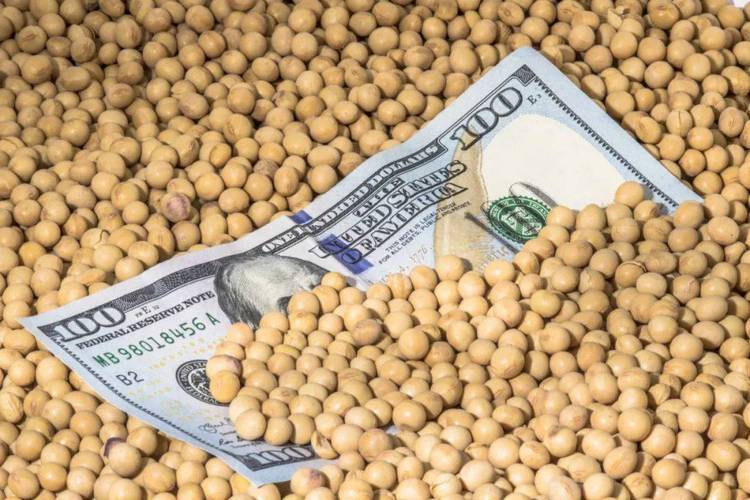
巴西大豆坐地起价,每吨涨价70美金,单价比美国大豆高出66美金
Sou Hu Cai Jing· 2025-10-26 10:42
Group 1 - The core issue of the current China-US competition is not only at the negotiation table but also in the agricultural sector, particularly with soybeans, as Brazil raises its soybean prices significantly, making it more expensive than US soybeans, leading to a pause in Chinese purchases [2] - The American Soybean Association (ASA) expresses strong concerns regarding China's halt in purchasing US soybeans, noting that this is the first time since 1999 that China has made nearly zero purchases of new season US soybeans, indicating China's strong negotiating position [3] - The ASA highlights that the reduction of Chinese orders by 1.8 million tons has created uncertainty in the US soybean export market, as it is unclear where these soybeans will be sold if China does not buy [3][4] Group 2 - The possibility of renewed cooperation between the US and China regarding soybean purchases depends on the outcomes of the upcoming APEC meeting, as the quality of US soybeans remains a consideration for China [6] - Argentina is identified as a strategic alternative for soybean sourcing, providing a way for China to diversify its supply risks, although logistical costs may affect the overall pricing [6] - The importance of food security is emphasized as a strategic issue, with the need for a diversified supply chain involving the US, Brazil, and Argentina to ensure stability in domestic supply and mitigate external pressures [7] Group 3 - Food security is closely linked to diplomatic negotiations, with strategic resources like soybeans being used as leverage in international relations, allowing China to maintain a strong position in negotiations [9] - The procurement strategies of China reflect a broader understanding that food security is not just about availability but also involves economic, political, and strategic dimensions [9]

巴西背刺,中国反手一击!800万吨大单喊停,大豆战争已经打响
Sou Hu Cai Jing· 2025-10-26 08:41
最近,中国与巴西之间的"大豆采购"竞争悄然升温。虽然大豆看似是一种小小的农产品,但它背后却与全球粮食安全紧密相关,甚至涉及到国家的战略安 全。 这场较量的起点,可以追溯到中美贸易战。那时,中国几乎完全暂停了从美国进口大豆,转而寻找南美的供应商,最终把目光投向了巴西。然而,巴西却在 尝到甜头之后,迅速提高了大豆的价格。 巴西本应更加珍惜中国这个大客户,却反手"加价"——大豆的价格从每吨580美元一跃上涨至650美元,涨幅接近12%。这个价格比美国的大豆贵了整整66美 元一吨!价格一涨,国内大豆压榨企业面临了不小的压力。每加工一吨大豆,企业的亏损额超过200元人民币。许多油厂因此决定暂停从巴西采购,尤其是 12月和明年1月的订单,共计达800万吨。 在此背景下,巴西似乎认为,中国如此依赖自己,无法轻易找到替代供应商。的确,数据显示,中国在2025年前九个月从巴西进口了5210万吨大豆,占中国 大豆进口总量的66%,某些月份甚至高达93%。可巴西却忘了,中国早已不再是那个"只有你能供应"的中国了。 近年来,中国已经开始实施"大豆进口多元化战略",不再将所有"鸡蛋"放在一个篮子里。阿根廷、乌拉圭、俄罗斯,甚至一些非洲 ...
巴西大豆坐地起价,中国四招反击,130万吨大豆订单流向阿根廷
Sou Hu Cai Jing· 2025-10-26 01:50
大豆涨疯了,谁都没想到巴西大豆价格在短短6天里暴涨了20%,一度把我国采购商逼到了"暂停键"。 然而,地球另一端的中国市场,却上演了令人瞠目结舌的一幕。面对这股扑面而来的涨价潮,国内豆粕的现货价格非但没有跟风暴涨, 反而在短短一周内,从高点急转直下,价格直接跳水了700元/吨。 2025年10月下旬,国际大豆贸易市场突发震荡:巴西对华大豆报价在短短22天内从565美元 / 吨飙升至650美元 / 吨,涨幅高达15%,部分 出口商报价甚至一度触及79.9%的极端水平,创下巴西大豆对华出口历史最高价。 这一远超市场正常波动的涨价行为,让中国国内压榨企业陷入困境,每加工一吨大豆就要面临超过200元的亏损,而巴西帕拉纳瓜港的报 价更是比国际基准价高出近 美元/蒲式耳,贸易天平出现明显失衡。 就在市场担忧中国会被动接受高价时,一系列精准有力的应对措施迅速落地,130 万吨大豆订单毅然转向阿根廷,这场国际贸易博弈的 走向被彻底改写。 巴西大豆此次涨价并非偶然,多重因素的叠加推高了市场价格。 从供应端来看,南美洲遭遇百年一遇的干旱天气,导致巴西大豆主产区产量下滑,市场供应本就偏紧。 与此同时,巴西国内生产流通成本持续攀升, ...