AI眼镜

Search documents
小米AI眼镜,就这?
3 6 Ke· 2025-07-01 04:42
Core Insights - Xiaomi has launched its first AI glasses, positioning them as a personal smart device for the next era, featuring capabilities such as photo and video capture, and integration with the AI assistant Xiao Ai [1][5][20] - The glasses have seen strong initial sales, with over 10,000 units sold within 12 hours of launch, indicating significant consumer interest despite the novelty of smart glasses [1][19] - The product is priced at 1999 yuan, with upgraded versions available at higher price points, which aligns with Xiaomi's reputation for offering value [3][7] Product Features - The Xiaomi AI glasses can function as regular glasses, support prescription lenses, and come in various colors, with a design that emphasizes a tech-savvy aesthetic [5][7] - They include a camera for first-person photography and video recording, and can connect to smart home devices via voice commands [5][12] - The glasses are heavier than some competitors, which may affect comfort during extended wear, a common issue in the smart glasses market [10][24] Market Context - The smart glasses market is currently competitive, with various companies entering the space, but consumer awareness and demand remain limited [20][21] - The overall retail sales of smart glasses in China are projected to exceed one million units this year, reflecting a growing interest in the category [19][24] - Xiaomi's entry into the market is seen as a potential catalyst for broader consumer adoption of smart glasses, leveraging its brand influence [20][24] Consumer Reception - Initial feedback from consumers has been mixed, with some expressing concerns about the weight and practicality of the glasses for everyday use [10][24] - The target audience for these glasses includes tech enthusiasts and content creators, but the broader consumer base may not yet see a compelling need for such products [18][24] - The glasses' features, while innovative, may not yet provide a strong enough value proposition to convince average consumers to adopt them [24][26]



小米对AI眼镜进行了一次“平庸”的试探
Hu Xiu· 2025-06-30 12:58
在6月26日晚间的发布会上,雷军只拿出了7分钟时间来介绍小米AI眼镜。雷军没有像介绍手机、汽车 产品那样,把关键的参数和技术掰开了揉碎了喂给用户,而是简单介绍了这款产品在通话、拍摄、 AI、续航、电致变色等方面的功能点,以及三款产品的配色和价格。 小米AI眼镜给人的感觉像是为发布小米YU7准备的一道前菜,但它又被雷军捧到了"随身AI入口"的战略 高度上。这种略显违和的搭配可以表明,小米承认AI眼镜在未来生态布局中会扮演重要角色,但目前 并没有准备好围绕AI眼镜去打一场决定性的战役。当下的重心还是要尽快在汽车市场站稳脚跟,将流 量优势夯实成品牌势能。 首款AI眼镜虽然取得了不错的销售成绩,但当第一批尝鲜人群散去之后,当下小米的产品力和价格不 一定能让销量维持在这样的水平。 小米此次对AI眼镜的贡献,更多是推动了这类产品的进一步破圈。随着后续字节、阿里等巨头玩家入 局,更多国内AI眼镜厂商开始上市出货,产业链越来越成熟,AI眼镜的市场会被打开,竞争也会变得 更为激烈和残酷。 我们认为,AI眼镜未来的竞争会集中在两方面:一方面是如何进一步降低成本、提升体验;另一方面 是如何为产品融入更多时尚元素,使其具备更多科技潮 ...
3巨头押注下一个十亿级入口:当小米、字节、华为盯上 AI 眼镜,争的不是硬件是交互主权
Xi Niu Cai Jing· 2025-06-30 06:51
Core Viewpoint - Xiaomi's AI glasses are positioned as a personal AI device and a lightweight entry point to the digital world, marking a significant step in the competition for the next generation of computing platforms [2][3]. Product Features - The AI glasses weigh only 40 grams and feature a Qualcomm Snapdragon AR1 chip and a 12-megapixel camera with a Sony IMX681 sensor, achieving a battery life of 8.6 hours, surpassing Meta's Ray-Ban glasses [3][4]. - The product incorporates a dual-chip architecture for enhanced performance and is designed with a focus on user comfort, aiming for "all-day wearability" [3][4]. - Xiaomi's proprietary "Super Xiao Ai" AI assistant enables multimodal interaction, cross-device operation, and personalized memory services [3]. Market Strategy - Xiaomi has set a conservative internal sales target of over 300,000 units, which is significantly lower than Meta's Ray-Ban glasses' global sales of 2 million units [5]. - The company collaborates with 400 optical stores to provide fitting services, addressing the high myopia rate among Chinese youth, which stands at 52.7% [6]. Industry Context - The global smart glasses market has seen significant growth, with a 135% year-on-year increase in shipments expected by 2025, particularly in China, which is projected to lead with 2.75 million units [9]. - The competitive landscape is intensifying, with major tech companies vying for dominance in the AI glasses market, emphasizing the strategic importance of these devices as the next human-computer interaction interface [10][12]. Supply Chain and Economic Impact - Approximately 70% of the components for the AI glasses are domestically sourced, with optical module costs expected to decrease by 30% compared to 2024 [4]. - Companies like GoerTek and OFILM are positioned to benefit from the AI glasses market, with potential revenue growth of over 15% for GoerTek if sales exceed 300,000 units [11].

专家解读“小米AI眼镜 VS Meta AI眼镜”
2025-06-30 01:02
Summary of Xiaomi AI Glasses vs Meta AI Glasses Conference Call Industry and Company Overview - The discussion revolves around the comparison between **Xiaomi AI Glasses** and **Meta AI Glasses** in the context of the smart eyewear industry. Key Points and Arguments Product Positioning and Ecosystem Integration - **Xiaomi AI Glasses** serve as a smart control terminal, deeply integrating with Xiaomi's ecosystem, allowing control of various smart devices like air conditioners, speakers, and even Xiaomi cars, which **Meta AI Glasses** lack [3][24] - Xiaomi's glasses are positioned as a convenient smart home and travel control center rather than just a photography tool [3] User Interaction and Design Improvements - Xiaomi AI Glasses feature a touch-activated wake mechanism and a more intuitive LED indicator design, enhancing user experience compared to Meta's less clear indicators [4][5] - The weight of Xiaomi AI Glasses is 40 grams, lighter than Meta's 49 grams, making them more comfortable for prolonged wear, especially for Asian face shapes [6][7] Video Recording Capabilities - Xiaomi AI Glasses can record videos for up to 10 minutes, significantly longer than Meta's maximum of 3 minutes [8] - Xiaomi's glasses support simultaneous Bluetooth connections, enhancing usability during activities like video conferencing [10] Camera and Image Quality - Xiaomi AI Glasses utilize a 12-megapixel camera with a landscape shooting mode, aligning with user habits, while Meta uses a portrait mode [11] - In low-light conditions, Xiaomi's images tend to be brighter but may appear oversaturated, while Meta's images are darker but offer better color accuracy [11] Real-time Translation and AI Features - The real-time translation feature in Xiaomi AI Glasses is fast but lacks accuracy, and users cannot speak while translating, which may hinder communication [14] - The "Help You See" AI function has limitations in recognizing complex items and can misidentify products, indicating a need for improvement [19] Daily Use and Additional Features - Xiaomi AI Glasses are designed for daily wear, with features like calorie tracking and AI music control, although the food recognition accuracy is lower for complex meals [16][17] - The AI music function is limited to specific platforms and has issues with controlling playback across different modes [21][22] Market Position and Sales Potential - Xiaomi AI Glasses are competitively priced and expected to perform well in sales due to their multifunctionality and integration with Xiaomi's ecosystem, similar to the success of Xiaomi's smart speakers [24] Design and Material Considerations - The design of Xiaomi's glasses allows for a thinner leg structure compared to Meta's, contributing to their lightweight nature, although internal components are not visible under normal lighting [25] Other Important Insights - The LED indicator's sensitivity to obstruction may protect privacy but could negatively impact user experience during filming [13] - Xiaomi's glasses are more appealing to near-sighted users in the domestic market due to their functionality and ease of use compared to Meta's offerings [23]

资深专家解读小米AI眼镜
2025-06-30 01:02
Summary of Xiaomi AI Glasses Conference Call Industry Overview - The AI glasses industry is still in its early stages, with product forms limited by weight, primarily featuring voice interaction and camera visual models, lacking display functionality [1][3][4] - The market size for AI glasses is expected to reach a billion-level scale in the future, significantly higher than other wearable devices like smartwatches [4] Company Insights: Xiaomi AI Glasses - Xiaomi AI glasses are deeply integrated with Xiaomi's smart home ecosystem, allowing users to control smart devices and access platforms like Douyin and Kuaishou, enhancing user convenience [1][3] - The annual shipment volume of Xiaomi AI glasses is expected to reach one million units, which would exceed expectations, although explosive growth is not anticipated [1][4] - Xiaomi's glasses utilize a dual-chip architecture, improving standby time and comfort through features like electrochromic technology [3][4] - The glasses' battery life is optimized by increasing battery capacity, enhancing energy density, and using low-power chips for long-duration tasks [6] Competitive Landscape - Mobile manufacturers are expected to hold a significant market share in the AI glasses sector due to their hardware control capabilities, while AI companies excel in AI model integration and ecosystem development [2][7] - Existing AR glasses manufacturers have weaker barriers to entry as they transition towards AI, with long-term ecosystem development being crucial for user retention [2][7] Technical Aspects - The trend in computing power distribution for AI glasses is moving towards a combination of local and cloud computing, with local processing handling real-time tasks and privacy-related computations [5] - Xiaomi's AI glasses are designed to balance comfort and functionality, with considerations for structure and style impacting wearability [4][5] Photography and Optical Performance - The photography capabilities of AI glasses focus on life recording, with differences in pixel quality and stabilization being key factors [8] - Xiaomi's glasses feature a 13-megapixel camera, which performs well in clarity and stabilization [8] Cost and Pricing Strategy - The manufacturing cost of Xiaomi AI glasses is estimated to be around 1,200 RMB, with potential for optimization as production scales up [10] - Future cost reductions are anticipated due to chip iterations and sensor integration [10] Additional Insights - Other manufacturers like Rocket and Meizu are noted for their optical and display performance, particularly in viewing glasses [9]
“百镜大战”玩家刷新,小米直击Meta腹地
AI研究所· 2025-06-28 02:45
Core Viewpoint - The launch of Xiaomi's first AI glasses at a starting price of 1999 yuan marks a significant entry into the competitive smart glasses market, positioning itself against Meta's offerings and aiming to be a key component of Xiaomi's "smart ecosystem" strategy [1][15]. Industry Overview - The smart glasses market has gained significant traction in 2023, with over 10 new models launched in May alone, indicating a growing interest from various manufacturers [2]. - According to IDC, global smart glasses shipments reached 1.487 million units in Q1 2023, a year-on-year increase of 82.3%, with China accounting for 494,000 units, representing over 25% of the market [4]. - The global smart glasses market is projected to reach 14.518 million units in 2023, reflecting a year-on-year growth of 42.5%, highlighting its potential as a lucrative market [4]. Competitive Landscape - Meta's Ray-Ban leads the market with over 2 million units sold by February 2023, but its high price point of $299 (approximately 2144 yuan) limits its accessibility to average consumers [7]. - Other competitors in the Chinese market include Huawei, which integrates its smart glasses with the HarmonyOS for enhanced audio and health monitoring, and Rokid, which has received 250,000 pre-orders for its glasses [7][10]. - Xiaomi's AI glasses are designed with a focus on user experience, featuring a lightweight design and advanced functionalities such as a 12-megapixel camera and AI capabilities, which may enhance its competitive edge [20]. Technological Advancements - The current technological shift in AI glasses is moving from "no screen" to "full-color display," with single-color AR glasses becoming more affordable due to advancements in manufacturing [10]. - The industry is facing challenges with full-color displays, including issues with yield rates and color dispersion, which keep costs high despite some brands achieving breakthroughs [12]. - AI integration is becoming a core competitive factor, with companies like Xiaomi and Meta enhancing their products with advanced AI functionalities for improved user interaction [13][14]. Product Features and Pricing - Xiaomi's AI glasses feature a D-shaped frame optimized for comfort, weighing 40 grams, and include functionalities such as rapid photo capture and third-party app support [18][20]. - The glasses are priced competitively at 1999 yuan for the standard version, with higher-end models priced at 2699 yuan and 2999 yuan, making them attractive compared to other high-functionality models in the market [20]. - Despite the competitive pricing, Xiaomi faces challenges in weight management and user privacy concerns, which are critical for user adoption [21][23].

雷军寻找下一个爆款
财富FORTUNE· 2025-06-27 11:53
Core Viewpoint - The entry of Xiaomi into the AI glasses market is seen as a significant move, positioning its product as a next-generation personal smart device with AI capabilities, aiming to create a new consumer engagement channel [1][2]. Group 1: Market Overview - IDC predicts that global smart glasses shipments will reach 14.518 million units by 2025, with China's market expected to hit 2.907 million units, reflecting a year-on-year growth of 121.1% [2]. - Xiaomi aims for over 300,000 units in sales for its AI glasses, indicating a competitive outlook in a market where major players like Google and Amazon are also planning to release AI glasses [2]. Group 2: Product Features and Positioning - Xiaomi's AI glasses are priced at 1,999 RMB, comparable to Ray-Ban Meta's starting price of approximately 2,144 RMB, suggesting a strategic pricing approach to attract consumers [1]. - The glasses support 14 mainstream apps, including Douyin and Kuaishou, enhancing their appeal through social media integration [3]. Group 3: Competitive Landscape - ByteDance is a notable competitor in the AI glasses space, with plans to explore new wearable interactions, leveraging its large user base from platforms like Douyin [4]. - Meta's strong user engagement, with 3.43 billion daily active users, positions it as a formidable player in driving sales through social sharing [4]. Group 4: Cost and Future Development - The hardware cost of Xiaomi's AI glasses is approximately 1,272 RMB, higher than Ray-Ban Meta's 1,049 RMB, indicating potential for cost reduction as the market matures [5]. - The future of AI glasses may lean towards lightweight AI+AR products, with Meta planning to launch AR glasses by 2027, suggesting a shift in consumer expectations and technology integration [6].
“试水”产品搅动二级市场,AI眼镜概念冲高回落
Di Yi Cai Jing· 2025-06-27 10:25
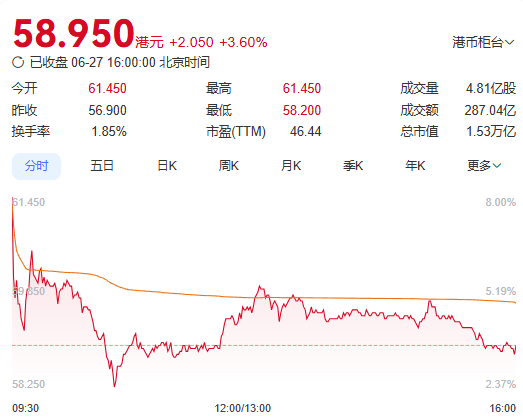
产品整体配置下来,据咨询机构Wellsenn XR小米AI眼镜BOM拆解报告显示,小米每副AI眼镜综合成本 约1281元,对比1999元的起售价,仍有较大盈利空间。对此数据,Rokid创始人祝铭明对记者表示,还 需要考虑ODM(原始设计制造商)与影像音质等方面的调教成本,其中ODM企业负责从概念设计到量 产的全部环节,品牌方仅参与需求确认和最终验收。调教成本指为了使AI眼镜在图像拍摄、视频录制 以及音频播放等方面达到良好效果所投入的成本,涉及硬件调试、软件算法优化等多个环节。 小米在AI眼镜方面的动作试水意味比较重。 受益于小米集团(1810.HK)发布旗下首款AI眼镜,6月27日,AI眼镜概念高开,相关成分股冲高回 落。Wind数据显示,小米产业链指数(884665)涨0.48%。 具体产业链企业合作方面,据商络电子(300975.SZ)披露,公司为小米智能眼镜间接供应被动器件和 射频器件等产品;作为小米公司客户的中科创达(300496.SZ)主要与小米在软件开发领域具有广泛合 作;佰维存储(688525.SH)为小米提供ePOP存储芯片,系闪存和内存垂直堆叠封测的产品;歌尔股份 (002241.SZ)表示 ...
小米AI眼镜,超预期的命题作文?
虎嗅APP· 2025-06-27 09:48
Core Viewpoint - The article discusses the launch of Xiaomi's AI glasses, highlighting their features and market positioning, while also comparing them to competitors and addressing the challenges in the AI glasses industry. Group 1: Product Features and Innovations - Xiaomi's AI glasses utilize a dual-chip architecture with "Qualcomm AR1 + Hengxuan 2700" and offer four color options for electrochromic lenses [3][5] - The glasses provide functionalities such as photography, AI multimodal interaction, visual recognition, and simultaneous translation, aligning with industry standards [5] - The product achieves approximately 8.6 hours of battery life in mixed-use scenarios, nearly doubling the battery life of Ray-Ban Meta glasses [12][14] Group 2: Market Positioning and Strategy - Xiaomi's approach emphasizes technological attributes over fashion elements, which may impact long-term market success [19][23] - The company leverages its supply chain management to differentiate its product, such as using electrochromic technology and high-density silicon negative battery technology [12][15] - The initial sales figures indicate strong market interest, with 10,000 units sold shortly after launch, suggesting effective user education [18] Group 3: Industry Challenges and Competitor Analysis - The AI glasses market is characterized by high product homogeneity, with many brands using similar designs and components, leading to intense competition [10][11] - Competitors like Meta focus on collaborations with fashion brands to enhance the product's appeal, contrasting with Xiaomi's standalone strategy [20][23] - The article suggests that without partnerships to enhance the fashion aspect, Xiaomi's long-term sales may face challenges in a market that is still evolving [23]

看完雷军发布会,高盛上调小米、宁德时代目标价,预言“当下的AI眼镜就是2017年的TWS耳机”
Hua Er Jie Jian Wen· 2025-06-27 08:56
Core Viewpoint - Xiaomi's recent product launch, particularly the YU7 electric SUV and AI glasses, has garnered significant market attention, with Goldman Sachs raising its target price for Xiaomi and projecting strong growth in revenue and net profit for the coming years [1][3]. Group 1: YU7 Electric SUV - The YU7 electric SUV pre-sale exceeded market expectations, achieving 289,000 orders within the first hour, significantly surpassing the initial target of 150,000 orders in 24 hours [4][5]. - The YU7 is competitively priced with standard, Pro, and Max versions priced at 253,500, 279,900, and 329,900 RMB respectively, maintaining a competitive edge compared to similar models [5]. - The YU7 features advanced technology, including a 96.3 kWh battery with a CLTC range of 835 km, making it the longest-range model among pure electric SUVs with battery packs under 100 kWh [6][7]. - Goldman Sachs has adjusted its electric vehicle delivery forecasts for Xiaomi upwards by 1-6% for 2025-2027, anticipating deliveries of 411,000, 800,000, and 1,174,000 units respectively [7]. Group 2: AI Glasses - Xiaomi's AI glasses are expected to capture 10% of the Chinese smart glasses market by 2025, with projected shipments of 200,000 units in a market expected to reach 2.9 million units [8][9]. - The AI glasses are competitively priced starting at 1,999 RMB, featuring a lightweight design and advanced functionalities, which may accelerate consumer adoption [8]. - The AI glasses market is projected to grow rapidly, with a compound annual growth rate of 56% from 2024 to 2030, mirroring the explosive growth seen in the TWS earphone market [9]. Group 3: Impact on CATL - The success of the YU7 is expected to benefit CATL, as Xiaomi becomes a significant customer for CATL's high-end battery products, with Xiaomi's share of CATL's domestic electric vehicle battery installations rising from approximately 4% to 10% [10][11]. - Goldman Sachs predicts that the penetration rate of CATL's high-end Kirin battery will recover in the second half of 2025, driven by the demand for models like the YU7 [11][12]. - The improvement in product structure is anticipated to enhance CATL's profitability, with projected mixed unit gross profit increasing from 152 RMB/kWh in 2025 to 169 RMB/kWh by 2030 [12].