
个人信息保护

Search documents
给信息过度收集踩刹车
Jing Ji Ri Bao· 2026-01-13 22:12
国家互联网信息办公室起草了《互联网应用程序个人信息收集使用规定(征求意见稿)》,于近日向社 会公开征求意见。征求意见稿提出,收集使用个人信息应当采取对个人信息主体权益影响最小的方式, 限于提供产品或者服务所必需,不得超范围收集使用个人信息。科技的发展让生活越来越便利,然而一 些企业、机构等随意收集、违法获取、非法买卖个人信息等问题长期存在,不仅危害人民群众生命健康 和财产安全,还扰乱市场竞争、破坏网络空间秩序。构建更加完善的个人信息保护体系,夯实建设数字 中国和网络强国的法治基石,才能让人民群众在信息化发展中有更多获得感、幸福感、安全感。 (文章来源:经济日报) ...
东兴证券晨报-20260112
Dongxing Securities· 2026-01-12 09:04
Economic News - The Ministry of Finance and the State Administration of Taxation announced the cancellation of VAT export tax rebates for photovoltaic products starting April 1, 2026, and a reduction in the VAT export tax rebate rate for battery products from 9% to 6% until December 31, 2026, with a complete cancellation from January 1, 2027 [1] - The National Internet Information Office is drafting regulations on the collection and use of personal information by internet applications, emphasizing legality, necessity, and integrity in data collection practices [1] - The State Council's Anti-Monopoly and Anti-Unfair Competition Committee is investigating the competitive landscape of the food delivery platform service industry, addressing issues like subsidies and price competition [1] - The National Business Work Conference aims to implement actions to boost consumption in 2026, promoting the "Buy in China" brand and optimizing policies for upgrading consumer goods [1] - The Ministry of Commerce supports nine cities, including Dalian, in expanding service industry pilot programs, with 103 tasks to be integrated and implemented [1] - The State Administration for Market Regulation will expedite the development of national standards for the new energy vehicle, lithium battery, and photovoltaic industries [1] - The National Medical Products Administration is publicizing plans for two recommended industry standards for medical devices using brain-computer interface technology [1] - Changes in U.S. interest rate expectations indicate a significant probability of maintaining rates, with a drop in the likelihood of a rate cut in January [1] - The U.S. has declared a national emergency to protect Venezuelan oil revenues from legal actions [1] - A criminal investigation has been initiated against the Federal Reserve Chairman regarding renovations at the Fed's Washington headquarters [1] Important Company Information - Defu Technology has terminated its acquisition of 100% of a Luxembourg copper foil company due to restrictions imposed by the Luxembourg Ministry of Economy, with a refund of €17.4047 million to be processed within 10 working days [2] - Huadong Medicine's subsidiary has had its product included in the list of breakthrough therapeutic varieties, targeting severe hypertriglyceridemia [4] - China Nonferrous Mining announced the completion of repairs at its Qianbixi Southeast mine, with an expected copper production of approximately 484,000 tons in 2026 [4] - Sichuan Chuang Electronics expects a net loss of between ¥265 million and ¥340 million, widening from a loss of ¥246 million in the previous year due to intensified market competition [4] - Dechang Co. anticipates a net profit of ¥160 million to ¥200 million for 2025, a decrease of ¥251 million to ¥211 million compared to the previous year [4] Daily Research Report - The oil and petrochemical industry reports a decrease in crude oil prices, with Brent crude futures settling at $60.75 per barrel, down 2.72% [5] - U.S. refinery capacity utilization has increased to 94.7%, with gasoline supply rising by 2.85% [6] - U.S. crude oil imports have increased by 8.44%, while China's crude oil imports rose by 5.23% [6]
国家网信办公开征求意见 规范互联网应用程序个人信息收集使用
Ren Min Ri Bao· 2026-01-11 23:18
Core Viewpoint - The National Internet Information Office has drafted the "Regulations on the Collection and Use of Personal Information by Internet Applications (Draft for Comments)" to standardize personal information collection and usage, protect individual rights, and promote reasonable use of personal information [1] Group 1: Regulations on Information Collection - Internet applications must inform users of personal information collection and usage rules prominently at the first launch, obtaining explicit consent from users [1] - Applications are prohibited from collecting personal information of individuals other than users through access to contacts, call logs, and SMS, except when necessary for communication, adding friends, or data backup [1] - Personal information can only be provided to third parties with separate consent from users [1] Group 2: User Rights and Account Management - Internet applications must offer a convenient account cancellation feature for users [1] - Upon account cancellation, applications are required to complete the process within 15 working days, deleting or anonymizing the collected personal information [1]
互联网应用程序个人信息收集使用拟规范
Bei Jing Shang Bao· 2026-01-11 15:14
Core Viewpoint - The draft regulation aims to standardize the collection and use of personal information by internet applications, ensuring the protection of individual rights and promoting reasonable utilization of personal data [1] Group 1: Collection and Use of Personal Information - The draft stipulates that the collection and use of personal information should minimize the impact on individual rights and be limited to what is necessary for providing products or services [1] - It emphasizes that personal information must be collected in a lawful, fair, necessary, and honest manner, without misleading or coercive practices [1] - Internet applications must inform users of the collection rules and obtain their consent, especially for sensitive personal information [1][2] Group 2: User Consent and Notification - Internet applications are required to notify users of personal information collection rules prominently at the first launch and obtain explicit consent [2] - Any updates to the personal information collection rules must be communicated to users through noticeable methods, such as pop-ups, and require re-consent [2][4] - Applications must not collect information from third parties without user consent, except for specific functionalities like contact management [2] Group 3: Biometric Data and Minor Protection - The collection of biometric data (e.g., facial, fingerprint, voice recognition) must have specific purposes and be necessary, with strict protective measures in place [3] - Biometric data should be stored locally on devices and not transmitted over the internet unless legally required or with user consent [3] - Special rules must be established for collecting information from minors under 14, requiring parental consent [3] Group 4: Updates and Permissions Management - Applications with over 50 million registered users or 10 million monthly active users must publicly solicit opinions on updates to their personal information collection rules [4] - The draft also mandates that smart devices must obtain user consent for accessing various permissions and provide detailed options for granular control [4][5] - Smart devices should transparently record and display the usage of permissions by applications, ensuring users are informed about data access [5]
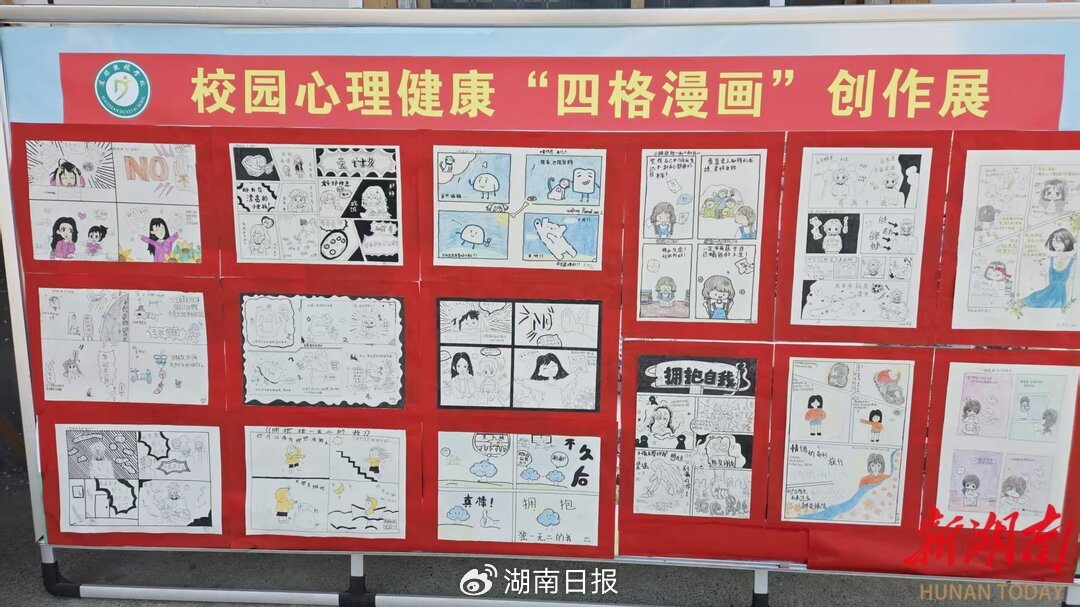
道县敦颐学校用漫画让学生画出“情绪说明书”——一张A4纸读懂青春期
Xin Lang Cai Jing· 2026-01-11 06:52
湖南日报全媒体记者郭利 "原来画画能让妈妈读懂我的心思,还愿意和我一起改变相处方式!"永州市道县敦颐学校八年级学生何清婧拿着四格漫画获奖作品,脸上满是欣喜。2025 年12月,该校开展的"绘心成长,漫语心声"校园心理四格漫画创作活动,让一张A4纸成为青春期学生的"情绪出口",更架起了心灵沟通的桥梁。 当心理课变成漫画大赛,会碰撞出怎样的火花?敦颐学校给出了温暖答案。活动以表达性艺术治疗为理念,面向七至九年级学生定制专属主题:七年级聚 焦"拥抱独一无二的我",八年级探索"情绪的奇妙旅行",九年级直面"压力,我的朋友"。学生们或独立构思,或团队协作,在A4纸上用一格一故事,刻画 从困境、尝试到转折、成长的心路历程。 七年级学生肖子隽的一等奖作品《勇敢拥抱独一无二的自己》,源自身边同学的真实经历。画作主人公因上初中后身高突飞猛进感到自卑,刻意节食,却 在同学们频繁求助她拿高处物品的过程中发现,外貌从不是定义自我的标尺,长高也是一种优势。"我常常通过画画宣泄情绪,也在创作中发现自己的另 一面。"肖子隽说。 同为一等奖获得者,也是学校心理社成员的何清婧,在作品中还原了青春期与父母的矛盾,以及在好友的开导下最终和解的过程 ...

新华财经早报:1月11日
Xin Hua Cai Jing· 2026-01-11 00:44
Group 1 - The National Internet Information Office has drafted the "Regulations on the Collection and Use of Personal Information by Internet Applications" and is seeking public opinion, emphasizing minimal impact on personal rights and the necessity of data collection for services [1] - The revised "Market Supervision Complaint and Reporting Handling Measures" will take effect on April 15, 2026, aiming to enhance the quality of complaint handling and regulate malicious claims [1] - The National Medical Insurance Administration has initiated a pilot program for the "Personal Medical Insurance Cloud," set to explore a new model for smart medical insurance management from February to December this year [1] Group 2 - The Supreme People's Procuratorate reported that from 2024 to November 2025, 191 individuals were prosecuted for financial fraud, with a 21% increase in prosecutions from January to November 2025 compared to the previous year [1] - The China Securities Regulatory Commission has imposed penalties on Jiang Wei for insider trading, resulting in the confiscation of illegal gains amounting to 4,709,741.41 yuan and a fine of 14,629,224.23 yuan [1] - The "China Ice and Snow Tourism Development Report (2026)" forecasts that the number of participants in ice and snow tourism will reach 360 million by the winter of 2025-2026, generating an expected revenue of 450 billion yuan [1] Group 3 - QDII funds are set to receive policy support, with adjustments required in the use of QDII quotas for public and private products, aiming for at least 50% of the adjustments to be completed by the end of 2026 [1] - The Beijing Electric Power Trading Center reported that inter-provincial electricity trading volume in the State Grid's operating area reached 1.67 trillion kilowatt-hours in 2025, a 10% year-on-year increase [1] - China has applied for frequency resources for over 200,000 satellites, indicating a strategic elevation of satellite frequency resource applications [1]
国家网信办拟规范互联网应用程序个人信息收集使用活动 为个人信息筑“盾”
Xin Lang Cai Jing· 2026-01-11 00:40
Core Viewpoint - The draft regulation on personal information collection and usage by internet applications emphasizes minimal impact on user rights and limits data collection to what is necessary for providing products or services [1] Group 1: Regulation Overview - The draft regulation requires internet applications to inform users about personal information collection rules prominently at the first launch, obtaining explicit consent from users [1] - It prohibits the collection of personal information from third parties, such as contacts and call records, unless necessary for specific functions like communication or data backup [1] - Internet applications must obtain separate consent from users before sharing personal information with third parties [1] Group 2: User Rights and Account Management - The draft regulation mandates that internet applications provide a convenient option for users to delete their accounts [1] - Upon account deletion, applications are required to complete the process within 15 working days and either delete the collected personal information or anonymize it [1]
为个人信息筑“盾”
Xin Lang Cai Jing· 2026-01-11 00:39
Core Viewpoint - The draft regulation on personal information collection and usage by internet applications emphasizes minimizing the impact on individual rights and limiting data collection to what is necessary for providing products or services [1] Group 1: Personal Information Collection - The draft stipulates that internet applications must inform users of personal information collection rules prominently at the first launch and obtain explicit consent from users [1] - It prohibits the collection of personal information from third parties, such as contacts and call records, unless necessary for communication, friend addition, or data backup [1] Group 2: User Rights and Account Management - Internet applications are required to provide a convenient option for users to delete their accounts [1] - Upon account deletion, applications must complete the process within 15 working days and either delete the collected personal information or anonymize it [1]
国家网信办拟就互联网应用程序出台新规 不得超范围收集使用个人信息
Xin Hua She· 2026-01-11 00:25
Core Viewpoint - The National Internet Information Office has drafted the "Regulations on the Collection and Use of Personal Information by Internet Applications (Draft for Comments)" to standardize the collection and use of personal information, protect individual rights, and promote reasonable utilization of personal information [1] Group 1: Regulations on Personal Information Collection - The draft stipulates that the collection and use of personal information should minimize the impact on the rights of individuals and be limited to what is necessary for providing products or services, prohibiting excessive collection [1] - Internet applications must inform users of the rules regarding personal information collection and usage prominently at the first launch, obtaining explicit consent from users after they are fully informed [1] Group 2: User Rights and Data Handling - Internet applications are prohibited from collecting personal information of individuals other than the user, except when necessary for communication, adding friends, or data backup [1] - If personal information is to be provided to third parties, explicit consent from the user must be obtained [1] - The draft requires internet applications to offer a convenient account cancellation feature, ensuring that account deletion and related personal information removal or anonymization is completed within 15 working days after user request [1]
拟规范应用程序个人信息收集使用
Xin Lang Cai Jing· 2026-01-10 21:36
Core Viewpoint - The National Internet Information Office has drafted the "Regulations on the Collection and Use of Personal Information by Internet Applications (Draft for Comments)" to standardize the collection and use of personal information, protect individual rights, and promote reasonable use of personal information [1] Group 1: Regulations on Personal Information Collection - The draft stipulates that the collection and use of personal information should minimize the impact on the rights of individuals and be limited to what is necessary for providing products or services, prohibiting excessive collection [1] - Internet applications must inform users of the rules regarding personal information collection and usage through prominent means, such as pop-ups, at the first launch, and obtain explicit consent from users [1] Group 2: User Rights and Data Handling - Internet applications are prohibited from collecting personal information of individuals other than the user, except when necessary for communication, adding friends, or data backup [1] - If personal information is provided to third parties, explicit consent from the user must be obtained [1] - The draft requires internet applications to offer a convenient account cancellation feature, and upon cancellation, the application must complete the account deletion within 15 working days, either deleting the collected personal information or anonymizing it [1]