产业高质量发展

Search documents
工信部开会整治电池行业“内卷” 比亚迪王传福等参会
Xin Lang Ke Ji· 2025-12-01 05:01
Core Viewpoint - The Ministry of Industry and Information Technology (MIIT) is focusing on regulating the competitive order in the power and energy storage battery industry to promote high-quality development [1][2] Group 1: Industry Meeting Insights - A meeting was held by MIIT to discuss the power and energy storage battery industry, with participation from 12 key industry representatives [1] - Notable attendees included leaders from major companies such as BYD, CATL, and others, who shared their operational challenges and suggestions [1] Group 2: Policy and Regulatory Focus - MIIT's Minister Li Lecheng emphasized the need for targeted policies to address irrational competition and enhance capacity monitoring and quality supervision [2] - The ministry aims to combat intellectual property violations and guide companies in capacity planning and international expansion [2] Group 3: Industry Development Strategy - Companies are encouraged to foster entrepreneurial spirit, resist irrational competition, and maintain a healthy market environment [2] - Emphasis on innovation and increased R&D investment to strengthen core competitiveness and enhance collaboration within the industry chain [2] - MIIT plans to develop the "14th Five-Year" industrial development plan, focusing on technological innovation and modern governance for high-quality industry growth [2]





利好!锂电巨头参加重要座谈会,名单来了
中国能源报· 2025-11-29 07:53
Core Viewpoint - The Ministry of Industry and Information Technology (MIIT) emphasizes the need to regulate the "involution" competition in the power and energy storage battery industry to promote high-quality development [1][3][4]. Group 1: Industry Development and Challenges - The power and energy storage battery industry in China has rapidly developed, achieving global competitive advantages in market scale, innovation capability, and industrial system [3][4]. - Despite the growth, the industry faces several challenges that require a comprehensive understanding of the development situation [4]. Group 2: Regulatory Measures and Industry Cooperation - MIIT plans to implement targeted policies to address irrational competition, enhance capacity monitoring, and improve product quality supervision [4]. - The ministry encourages enterprises to resist irrational competition, enhance innovation, and increase R&D investment to improve core competitiveness [4]. - Strengthening collaboration within the industry chain is essential to enhance self-control levels and create new development advantages [4]. Group 3: Future Planning and Support - MIIT will scientifically formulate the "14th Five-Year" industrial development plan, increase support for technological innovation, and enhance standard-setting to foster a conducive environment for high-quality industry development [4].
工信部:依法依规治理动力和储能电池产业“内卷式”竞争
Yang Shi Xin Wen· 2025-11-29 03:25
(文章来源:央视新闻) 记者从工业和信息化部获悉,近年来,我国动力和储能电池产业迅速发展壮大,在市场规模、创新能 力、产业体系等方面形成了全球竞争优势。与此同时,产业发展还面临不少问题和挑战。我国将综合整 治"内卷式"竞争,加快推出针对性政策举措,依法依规治理动力和储能电池产业非理性竞争,加强产能 监测、预警和调控,加大生产一致性和产品质量监督检查力度,打击知识产权违法行为,引导企业科学 布局产能、合理有序"出海",全力推动产业高质量发展。 ...
工信部重要座谈会,哪些锂业巨头参加了?
Shang Hai Zheng Quan Bao· 2025-11-29 02:52
Core Viewpoint - The Ministry of Industry and Information Technology (MIIT) emphasizes the importance of regulating competition in the power and energy storage battery industry to promote high-quality development and address existing challenges [3][4]. Group 1: Industry Development - The power and energy storage battery industry in China has rapidly developed, achieving global competitive advantages in market scale, innovation capability, and industrial system [3]. - The MIIT acknowledges the challenges faced by the industry and aims to implement targeted policies to address irrational competition and enhance production consistency and product quality [3][4]. Group 2: Industry Collaboration and Innovation - Industry enterprises are encouraged to promote entrepreneurial spirit, resist irrational competition, and maintain a healthy market environment [4]. - There is a call for increased research and development investment to enhance core competitiveness and strengthen collaboration within the industrial chain [4][5]. Group 3: Regulatory Measures - The MIIT plans to monitor production capacity, implement early warning systems, and enforce regulations against intellectual property violations to ensure orderly industry development [3][5]. - The ministry will develop the "14th Five-Year" industrial development plan, focusing on technological innovation and modernizing industry governance [5].
工信部: 加快推出针对性政策举措,依法依规治理动力和储能电池产业非理性竞争
Hua Er Jie Jian Wen· 2025-11-28 12:35
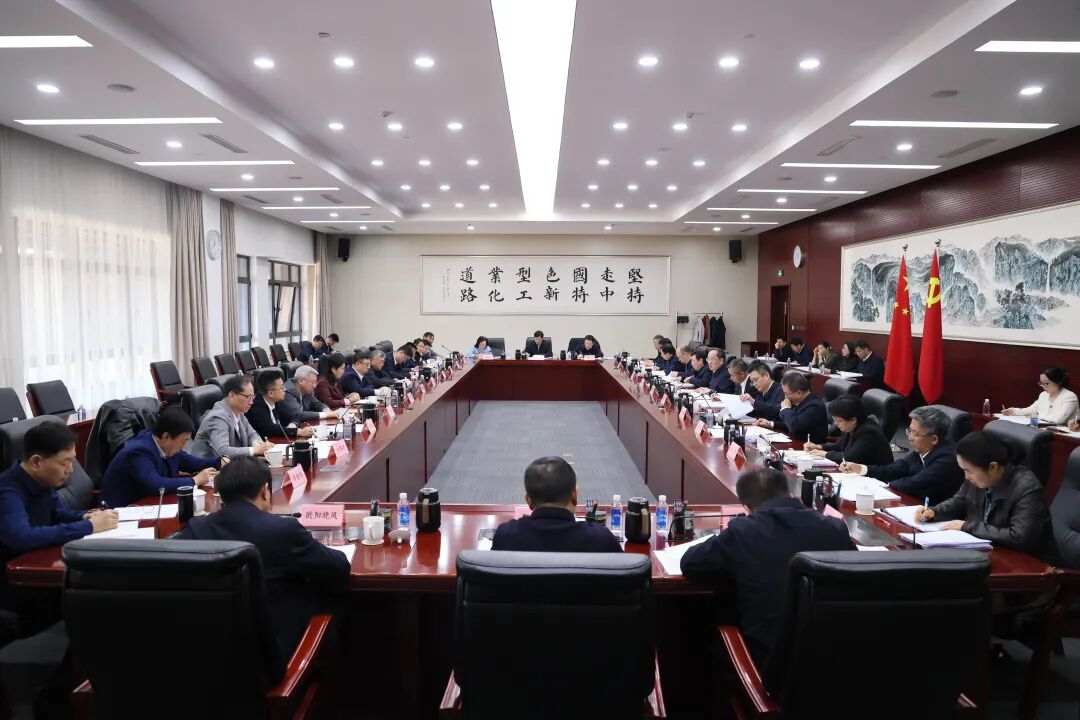
Core Viewpoint - The Ministry of Industry and Information Technology held a meeting to discuss the regulation of competition in the power and energy storage battery industry, aiming to promote high-quality development and address irrational competition [1] Group 1: Industry Development - The industry is urged to have a comprehensive and objective understanding of the development situation [1] - There is a focus on implementing the central government's decisions regarding the comprehensive rectification of "involution" competition [1] Group 2: Policy Measures - The ministry plans to accelerate the introduction of targeted policy measures to regulate the industry [1] - There will be an emphasis on legal and regulatory governance to address irrational competition in the power and energy storage battery sector [1] Group 3: Capacity Monitoring and Quality Control - Strengthening capacity monitoring, early warning, and regulation is a priority [1] - Increased supervision of production consistency and product quality checks will be enforced [1] - There will be efforts to combat intellectual property violations within the industry [1] Group 4: Strategic Guidance - Companies are encouraged to scientifically layout their production capacity and engage in orderly international expansion [1] - The overall goal is to fully promote high-quality development in the industry [1]
工信部召开动力和储能电池行业制造业企业座谈会 坚决抵制非理性竞争行为
Zheng Quan Ri Bao· 2025-11-28 10:19
(文章来源:证券日报) 李乐成强调,行业企业要大力弘扬企业家精神,坚决抵制非理性竞争行为,共同维护健康有序市场环 境。要坚持创新引领,加大研发投入,补齐短板弱项,提升企业核心竞争力。要强化产业链协同,加强 合作,发挥协同增量效应,提升产业链自主可控水平,塑造发展新优势。行业协会要深化产业发展情况 跟踪研究,加强行业自律,推动构建协作共赢产业生态。工业和信息化部将科学编制"十五五"产业发展 规划,加大技术创新支持,强化标准支撑引领,提升产业治理现代化水平,为产业高质量发展创造良好 环境。 会上,12家动力和储能电池产业链企业负责人围绕企业生产经营、技术研发、市场竞争、知识产权保护 等深入交流,介绍企业基本情况和当前面临的困难问题,提出意见建议。 工业和信息化部党组书记、部长李乐成在会上指出,党中央对动力和储能电池产业发展高度重视。近年 来,在各方共同努力下,我国动力和储能电池产业迅速发展壮大,在市场规模、创新能力、产业体系等 方面形成了全球竞争优势。与此同时,产业发展还面临不少问题和挑战。工业和信息化部要全面客观认 识产业发展形势,认真落实党中央关于综合整治"内卷式"竞争的决策部署,加快推出针对性政策举措, 依 ...
工信部:引导企业科学布局产能 推动动力和储能电池产业高质量发展
智通财经网· 2025-11-28 10:07
智通财经APP获悉,11月28日,工业和信息化部组织召开动力和储能电池行业制造业企业座谈会。工信 部党组书记、部长李乐成指出,近年来,我国动力和储能电池产业迅速发展壮大。与此同时,产业发展 还面临不少问题和挑战。要全面客观认识产业发展形势,认真落实党中央关于综合整治"内卷式"竞争的 决策部署,加快推出针对性政策举措,依法依规治理动力和储能电池产业非理性竞争,加强产能监测、 预警和调控,加大生产一致性和产品质量监督检查力度,打击知识产权违法行为,引导企业科学布局产 能、合理有序"出海",全力推动产业高质量发展。 原文如下: 本文编选自"工信微报"公众号,智通财经编辑:蒋远华。 会上,12家动力和储能电池产业链企业负责人围绕企业生产经营、技术研发、市场竞争、知识产权保护 等深入交流,介绍企业基本情况和当前面临的困难问题,提出意见建议。李乐成认真倾听参会企业发 言,与大家深入交流,并要求有关司局认真研究吸纳、逐项推动解决。 李乐成指出,党中央对动力和储能电池产业发展高度重视。近年来,在各方共同努力下,我国动力和储 能电池产业迅速发展壮大,在市场规模、创新能力、产业体系等方面形成了全球竞争优势。与此同时, 产业发展还 ...
山西长治构建潞党参高质量发展新生态纪实
Zhong Guo Zhi Liang Xin Wen Wang· 2025-11-28 04:23
Core Viewpoint - The article discusses the transformation of the Lù Dǎngshēn industry in Changzhi, Shanxi, driven by a series of standardization initiatives aimed at enhancing quality and market trust [1][2][3] Group 1: Standardization and Quality Improvement - The inclusion of "Pingshun Lù Dǎngshēn" in the geographical indication product list marks a significant step in recognizing the authenticity and value of this medicinal herb [1] - Changzhi's market regulatory authority is implementing a "standard navigation" strategy to convert local resource advantages into strong momentum for high-quality development [1][2] - The successful establishment of processing standards for honey-fried and stir-fried Lù Dǎngshēn indicates a shift from traditional practices to rigorous, standardized methods [2] Group 2: Infrastructure and Support - The newly established provincial traditional Chinese medicine manufacturing measurement testing center aims to provide comprehensive lifecycle services for the industry, enhancing quality control across all production stages [2] - The center is designed to identify raw material sources, control production processes, and monitor storage logistics, thereby improving overall industry quality [2] Group 3: Regulatory Oversight and Industry Ecosystem - The inclusion of Lù Dǎngshēn products in Changzhi's key drug sampling plan ensures rigorous quality checks, reinforcing market safety [3] - The regulatory approach combines strict oversight with supportive services, fostering a nurturing environment for industry growth [3] - The overall strategy aims to elevate the Lù Dǎngshēn industry from a traditional medicinal resource to a modern, high-quality economic driver [3]

让阳澄湖大闸蟹“金字招牌”越来越亮
Bei Ke Cai Jing· 2025-11-28 03:56
Core Viewpoint - The Yangcheng Lake hairy crab industry is undergoing a transformation from "disorder" to "order," with a focus on quality and brand protection through various new measures and regulations [1][5][25]. Group 1: Industry Development and Measures - The brand value of Yangcheng Lake hairy crab has reached 28.2 billion yuan, and the industry association is committed to maintaining quality advantages amid increasing competition [5][25]. - The association has implemented over 90% of the measures outlined in the 2025 development plan, including promoting high-quality ecological farming and establishing a comprehensive regulatory framework [6][20]. - A "five-in-one" anti-counterfeiting traceability system has been introduced, allowing consumers to verify the authenticity of products through various means [10][14]. Group 2: Regulatory and Service Enhancements - The establishment of local offices aims to provide precise services to members and enhance regulatory efficiency, addressing previous challenges faced by farmers [7][20]. - A new "circuit breaker mechanism" limits the number of crabs per acre to 600, ensuring sustainable farming practices and preventing misleading sales tactics [22][23]. - The association has developed a strict membership and regulatory framework, including a 14-point penalty system for violations to ensure quality control [24][25]. Group 3: Brand Protection and Market Expansion - The association has taken significant steps to combat counterfeit products and improve the industry's image, emphasizing the importance of quality over price competition [8][9][21]. - Yangcheng Lake hairy crab has begun exporting to Southeast Asian markets and is actively pursuing international brand protection and market expansion [26][27]. - Future plans include enhancing private channel regulation, developing deep processing capabilities, and increasing international visibility [26][27].
河南资本集团张军强:组建联合体、设立专项基金,推动国企民企协同发展
Sou Hu Cai Jing· 2025-11-18 02:53
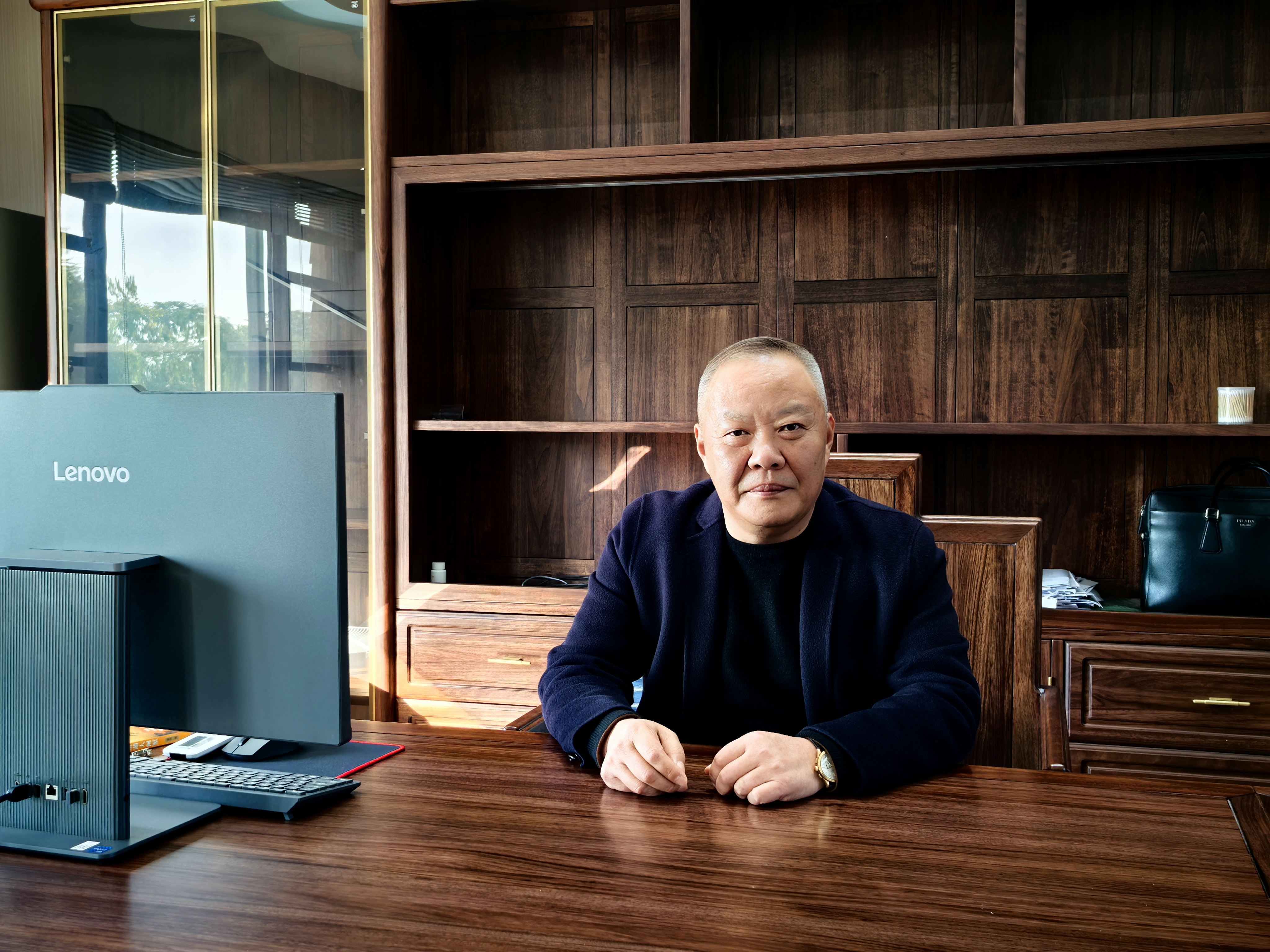
Core Insights - The conference held in Luoyang emphasized the importance of collaboration between state-owned enterprises (SOEs) and private enterprises in Henan to seize new opportunities and gain competitive advantages [3][6] - The theme "Mutual Cooperation, Strengthening the Province" reflects the interdependent relationship between SOEs and private enterprises, aiming to break ownership barriers and promote high-quality industrial development [3][6] Group 1: Company Performance - Henan Capital Group's total assets have grown from 24.7 billion to nearly 100 billion since its establishment in June 2022, achieving a domestic AAA credit rating and an international A- credit rating from S&P and Fitch [3][4] - The group has established a professional state-owned capital operation system encompassing 184 wholly-owned and holding enterprises [3] Group 2: Strategic Initiatives - The group has focused on key areas such as digital economy and resource optimization, with a trading scale exceeding 36 billion from January to September 2025 through the establishment of a provincial property rights trading network [4][5] - Significant investments have been made in various sectors, including digital technology, intelligent manufacturing, and green low-carbon industries, with a projected completion of major information technology projects by the end of the year [5][6] Group 3: Future Directions - Henan Capital Group aims to act as a "connector" for industrial collaboration, facilitating deep integration between SOEs and private enterprises through joint ventures, special funds, and collaborative R&D platforms [6][7] - The group plans to be a "catalyst" for innovation by investing in technology-driven private enterprises and collaborating with research institutions to tackle critical technological challenges [6][7] - The commitment to mutual growth and a fair development environment is emphasized, aiming for long-term and stable cooperation with private enterprises [7]