
生态环保

Search documents
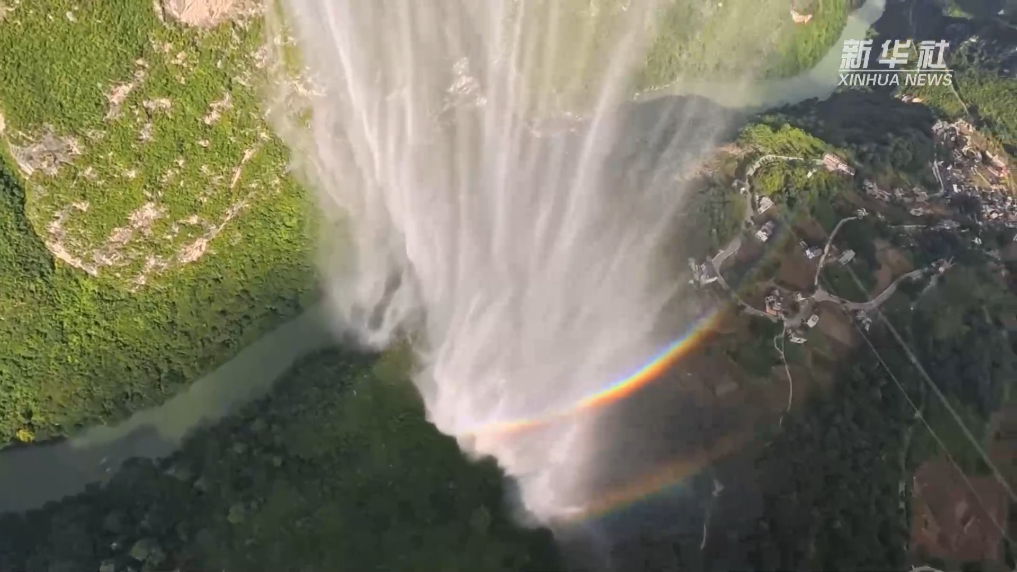
世界第一高桥水幕的水从哪里来?
Xin Hua Wang· 2025-09-30 13:11
Core Points - The discovery of karst water during the construction of a bridge has led to innovative solutions for both irrigation and ecological enhancement [1][3] - The construction team has successfully diverted this water from the tunnel, allowing it to be used for agricultural irrigation while also contributing to the bridge's water curtain effect, thus integrating ecology and environmental protection [3]

鲁韩环保合作20周年座谈会在烟台举行
Da Zhong Ri Bao· 2025-09-29 00:57
Core Points - The 20th anniversary of environmental cooperation between Shandong Province and South Korea was celebrated in Yantai, highlighting the achievements and future collaboration in ecological protection and low-carbon development [2][3] Group 1: Key Statements - Shandong has been implementing Xi Jinping's ecological civilization thought, focusing on ecological priority and green development, leading to significant progress in building a beautiful Shandong [2] - The cooperation between Shandong and the South Korean Ministry of Environment has resulted in effective collaboration in ecological protection, low-carbon development, and mutual benefits [2] - A memorandum of understanding was signed during the meeting to commemorate the 20 years of cooperation [3] Group 2: Future Collaboration - Shandong aims to strengthen practical connections with the South Korean Ministry of Environment in pollution prevention, ecological restoration, and environmental safety, promoting technology and talent exchange [2] - There is a focus on implementing leading projects in industrial upgrading, energy transition, and green parks to build a clean and beautiful environment [2] - The South Korean Minister expressed the desire to deepen cooperation in green transformation, pollution control, environmental industry, and climate change, leveraging existing cooperation mechanisms [2]
努力在中国式现代化中走在前列
Ren Min Ri Bao· 2025-09-27 03:02
Group 1: Economic Growth and Integration - The Yangtze River Delta (YRD) region's GDP is projected to grow from 27.6 trillion yuan in 2021 to over 33 trillion yuan by 2024, indicating steady economic growth [1] - Nine cities in the YRD have entered the "trillion-yuan city" category, and the region hosts 26 national-level advanced manufacturing clusters, accounting for nearly one-third of the country [1] - The YRD is home to 282 out of 589 companies listed on the Sci-Tech Innovation Board, showcasing its strong regional innovation capability [1] Group 2: Technological Innovation - The YRD is focusing on integrating scientific research and industrial innovation, with a significant emphasis on enhancing regional innovation capabilities [2][3] - Shanghai's leading industries, including integrated circuits, biomedicine, and artificial intelligence, have seen continuous growth, reaching a scale of 1.8 trillion yuan [3] - The establishment of dedicated synchrotron radiation experimental platforms is facilitating the application of advanced scientific research in product development [6] Group 3: Infrastructure and Connectivity - The launch of the Shanghai Oriental Hub International Business Cooperation Zone will allow global business personnel to enter without a visa, enhancing international business activities [7][8] - The G60 Sci-Tech Corridor connects nine cities, promoting collaboration and resource sharing, which has led to significant business growth for companies like Zhejiang Pangu Power Technology Co., Ltd. [9][10] Group 4: Environmental Protection and Sustainable Development - The YRD is committed to ecological protection while pursuing economic development, with initiatives like the New安江 ecological compensation mechanism demonstrating successful cross-province collaboration [18][19] - The region has implemented a series of environmental standards and plans, achieving an average of 84.5% for good air quality days in 2024, an increase of 8.8 percentage points since 2018 [20] - The establishment of green fiber industry clusters is contributing to both environmental protection and economic growth in the region [21][22]
努力在中国式现代化中走在前列——长三角一体化发展观察(奋勇争先,决战决胜“十四五”)
Ren Min Ri Bao· 2025-09-26 21:57
Economic Growth and Integration - The GDP of the Yangtze River Delta region is projected to grow from 27.6 trillion yuan in 2021 to over 33 trillion yuan by 2024, indicating steady economic growth [2] - Nine cities in the region have entered the "trillion-yuan city" category, and 26 national-level advanced manufacturing clusters account for nearly one-third of the country [2] - The region is home to 282 out of 589 companies listed on the Science and Technology Innovation Board, showcasing its strong innovation capabilities [2] Innovation and Technology - The region is focusing on integrating scientific research and industrial innovation, with a significant emphasis on high-quality development [3][4] - Major industries in Shanghai, such as integrated circuits, biomedicine, and artificial intelligence, have seen continuous growth, reaching a scale of 1.8 trillion yuan [4] - The establishment of specialized synchrotron radiation experimental platforms aims to enhance product development and performance through advanced scientific tools [5][7] Infrastructure and Connectivity - The Shanghai Oriental Hub International Business Cooperation Zone will allow global business personnel to enter without a visa, enhancing international business activities [9][10] - The G60 Science and Technology Corridor connects multiple cities, facilitating collaboration and resource sharing among them [11][12] - A new "super ring" train service connects major cities in the region, improving transportation and integration [16][17] Environmental and Ecological Initiatives - The region is committed to ecological protection and sustainable development, with initiatives like the New安江 ecological compensation mechanism [21][22] - The average proportion of days with good air quality in the region is projected to reach 84.5% by 2024, an increase of 8.8 percentage points since 2018 [22] - The establishment of green manufacturing systems and practices is aimed at balancing economic growth with environmental sustainability [23][24] Future Outlook - The region is focused on continuous high-quality development and integration, with plans to enhance collaborative innovation and resource allocation [25][26]
深圳能源:公司目前已拥有低碳电力、生态环保、综合燃气、数智服务四大板块业务
Zheng Quan Ri Bao Wang· 2025-09-25 13:44
Core Viewpoint - Shenzhen Energy focuses on the development and production of conventional and renewable energy, as well as urban solid waste treatment, wastewater treatment, and urban gas supply [1] Business Segments - The company currently operates four main business segments: low-carbon electricity, ecological environmental protection, integrated gas services, and intelligent services [1] - Shenzhen Energy aims to enhance its position as a comprehensive service provider in clean energy and ecological environmental protection with international influence [1] Future Plans - The company will continue to concentrate on its core business and will strictly adhere to information disclosure obligations for any related investment plans [1]

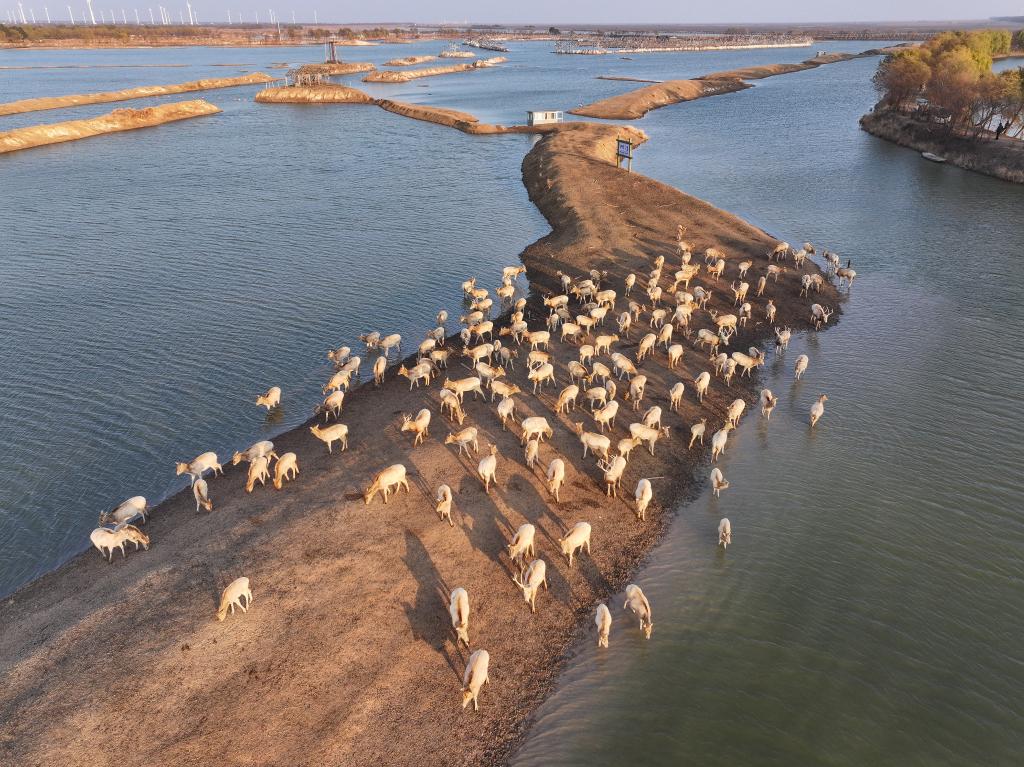
从39头增至8500余头!中国复壮全球最大麋鹿基因库
Xin Hua Wang· 2025-09-24 06:40
Core Viewpoint - The population of the milu deer in Jiangsu Dafeng National Nature Reserve has significantly increased from 39 in 1986 to over 8,500, making it the world's largest gene pool for this species and achieving the highest breeding, survival, and annual growth rates globally [1][2]. Group 1 - The milu deer, also known as "four not alike," is a unique species in China that plays a crucial role in maintaining the safety and integrity of wetland ecosystems [1]. - The successful reintroduction of milu deer is recognized as one of the top 15 successful species reintroduction projects globally, according to the World Conservation Union [1]. - The Dafeng milu deer population has consistently broken records, surpassing 100 in 1992 and 1,000 in 2006, due to sustained efforts from local government and conservation areas [2]. Group 2 - Dafeng, located in the economically developed Yangtze River Delta, faces challenges in preserving the original ecological environment for milu deer amidst development pressures [4]. - Increased investment in ecological protection by various levels of government has accelerated the recovery of the milu deer population, becoming a consensus among the public [4]. - The expansion of the milu deer population has led to environmental overload and some vegetation degradation, prompting the reserve to initiate translocation experiments to promote biodiversity [4].
江苏省生态环境厅表彰优秀宣传片 苏州两部作品获评优秀
Su Zhou Ri Bao· 2025-09-22 13:32
Group 1 - The Jiangsu Provincial Ecological Environment Department recently recognized outstanding promotional videos for the 2025 "I am a Beautiful China Narrator" campaign, with two entries from Suzhou's Kunshan and Suzhou High-tech Zone winning "Provincial Excellent Promotional Video" awards [1] - Kunshan's video titled "Ecological Co-creation of Beautiful Kunshan" won the national "I am a Beautiful China Narrator" excellent promotional video award, highlighting the city's effective pollution control and ecological expansion efforts [1] - Kunshan has maintained an air quality good days ratio of over 80%, with 90% of national and provincial assessment sections rated above Class III, and has received multiple accolades for its ecological initiatives [1] Group 2 - The Suzhou High-tech Zone's video "Taihu 'Wet' Intent, Growing Towards Green" offers an immersive experience of the wetland, showcasing the upgraded Suzhou Taihu National Wetland Park Science Popularization Museum [2] - Over the past decade, the Taihu National Wetland Park has significantly improved its ecological environment, with water quality rising from below Class V to a stable Class III or above, and bird species increasing from fewer than 50 to 180 [2] - The "I am a Beautiful China Narrator" campaign, organized by the Ministry of Ecology and Environment for 11 years, attracted numerous excellent entries this year under the theme "Beautiful China · Technology Safeguarding" [2]
始祖鸟烟花秀道歉信被曝海内外版本有别!品牌方称暂不知详情
Nan Fang Du Shi Bao· 2025-09-22 07:54
Core Viewpoint - The outdoor brand Arc'teryx collaborated with artist Cai Guoqiang to launch a fireworks display in the Himalayas, which has sparked significant public criticism regarding its environmental impact and the brand's values [1][2] Group 1: Event Overview - The fireworks display, named "Ascending Dragon," featured colorful fireworks along the Himalayan ridge, symbolizing dragon culture and the spirit of "endless life" [1] - Following the release of the fireworks video on September 20, local authorities in Shigatse City established an investigation team to assess the situation and determine appropriate actions based on the findings [1] Group 2: Brand Response - Arc'teryx issued an apology on domestic social media, acknowledging that the project aimed to enhance awareness of local high-altitude culture but admitted to deviations in the execution [2] - The brand committed to cooperating with the artist's team and relevant government departments to review the environmental impact of the project, planning to engage a third-party environmental organization for a thorough assessment [2] - There was a notable discrepancy between the English and domestic versions of the brand's statements, with the English version expressing disappointment that the fireworks display contradicted the brand's values [2]
战略布局震撼曝光!青藏高原惊现万亿级超级工程,背后暗藏中国能源与安全大棋局!
Sou Hu Cai Jing· 2025-09-22 01:03
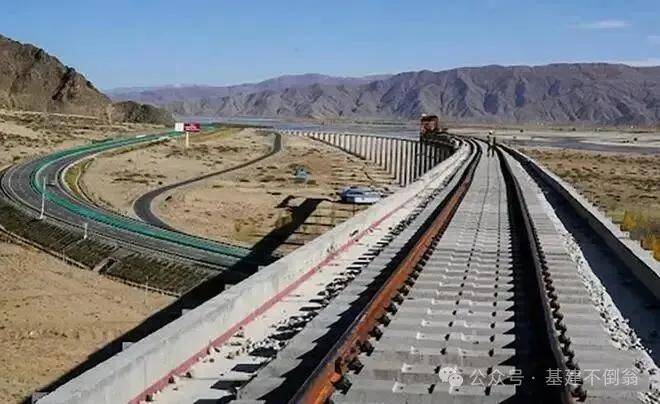
Core Insights - China is launching two major national-level projects in the western region, with a total investment exceeding 2.4 trillion yuan, which is equivalent to 60% of Tibet's GDP last year [1] - These projects account for 14% of the total national infrastructure investment [1] Project Summaries - The first project is the Yarlung Tsangpo River downstream hydropower station, with an investment of 1.2 trillion yuan and a total installed capacity of 81 million kilowatts, which is more than three times that of the Three Gorges Dam [3] - The second project is the New Tibet Railway, spanning 2,000 kilometers with an average altitude of over 4,500 meters, making it the highest railway in the world [4] Technological Innovations - The Yarlung Tsangpo project features a unique design where engineers excavate giant tunnels in the mountains to create a shortcut for the river, utilizing a height difference of 2,000 meters for power generation [3] - The New Tibet Railway employs "active cooling technology" to manage the challenges of permafrost, a first in global high-altitude railway construction [4] Strategic Considerations - The projects are driven by energy security needs, as the hydropower station is expected to generate 300 billion kilowatt-hours annually, significantly reducing reliance on fossil fuels [5] - Economic development is another key factor, as the railway will enhance transportation efficiency between Xinjiang and Tibet, lowering costs and improving logistics for local products [5] - National security strategy is also a consideration, as improved infrastructure will enhance control over border areas and promote ethnic unity through economic development [5] Infrastructure Strength - These mega-projects demonstrate China's robust infrastructure capabilities, overcoming previous skepticism about constructing in challenging environments [6] - The successful execution of these projects reflects China's growing comprehensive national strength, including the ability to mobilize thousands of researchers and secure long-term funding [6]
巡察“点题” 部门“快答” 市交通运输局以精细服务暖企心惠民行
Zhen Jiang Ri Bao· 2025-09-21 23:36
Core Viewpoint - The article highlights the proactive measures taken by the Zhenjiang Municipal Transportation Bureau to address public transportation issues and enhance safety and service quality in response to community needs and inspection feedback [1][2][3] Group 1: Public Transportation Improvements - The introduction of the "Convenient Express Bus" service has significantly reduced waiting times for passengers traveling between Zhenjiang and Yangzhong, with peak intervals now at 15 minutes and average waiting times shortened by 10-15 minutes [1] - The fare for the "Convenient Express Bus" has been lowered from 17 yuan to 10 yuan, providing a more cost-effective option for citizens [1] Group 2: Infrastructure and Safety Enhancements - The Zhenjiang Municipal Transportation Bureau has upgraded key signage at the Zhenjiang Station to improve navigation for travelers, enhancing their overall experience and perception of the city [2] - A comprehensive safety inspection revealed that 538 operational vehicles had similar safety risks to those identified in a problematic fire extinguishing device, leading to a swift rectification plan that was completed by the end of August [2] Group 3: Regulatory and Service Quality Improvements - The Bureau has addressed issues with taxi invoice printing that hindered passenger reimbursement by coordinating with tax authorities to update the invoice template, ensuring smoother processes for both taxi companies and passengers [2] - The Bureau is encouraging the use of new energy vehicles in port operations to mitigate pollution, alongside implementing vehicle management plans to regulate traffic at key port areas [3] Group 4: Business Support Initiatives - A series of outreach activities were conducted to understand the challenges faced by maintenance and driving training enterprises, with plans to develop solutions to address their needs by the end of the year [3]