碳中和

Search documents
我国“新三样”出口规模5年增长3.5倍 相关技术保持先进
Zheng Quan Ri Bao Zhi Sheng· 2026-01-14 15:43
Core Viewpoint - China's export of high-tech products is expected to reach 5.25 trillion yuan in 2025, marking a growth of 13.2%, driven by the increasing demand for green products and the country's technological advancements [1][2]. Group 1: Export Growth and Trends - The export scale of "new three items" (electric vehicles, photovoltaic products, and lithium batteries) is projected to approach 1.3 trillion yuan in 2025, representing a 3.5 times increase compared to 2020 [2]. - The average annual growth rate of high-tech product imports and exports over the past five years has been 7.9%, with a projected acceleration to 11.4% in 2025, contributing nearly 60% to overall foreign trade growth [2][3]. Group 2: Technological Advancements - China has achieved significant breakthroughs in key technologies related to "new three items," including battery energy density, safety, and solar cell conversion efficiency, positioning itself as a global leader [3][4]. - Notable advancements include the world record for solar cell conversion efficiency achieved by companies like Longi Green Energy, with a record of 34.85% for silicon-perovskite tandem solar cells [3]. Group 3: Industry Competitiveness - The "new three items" have become a competitive advantage for China globally, driven by policy support, technological accumulation, and increasing global demand for green products [4]. - The complete and competitive supply chain in the "new three items" sector has been established, enhancing China's position in the global market [3][4]. Group 4: Future Challenges and Recommendations - Despite rapid growth, the "new three items" exports face challenges such as trade barriers and intensified technological competition [5][6]. - Companies are advised to strengthen technological innovation, diversify markets, and enhance international cooperation to ensure sustainable growth [5][6].

宁德时代:凝聚态、固态等高能量密度电池技术推进航空领域应用
Xin Lang Cai Jing· 2026-01-14 14:39
Core Viewpoint - The company, Ningde Times, claims that its technologies in condensed matter and solid-state batteries are at the leading level in the industry, and it is actively promoting the new energy transition across multiple industries, including aviation, to support global energy transformation and carbon neutrality goals [1] Group 1 - The company is focusing on high energy density battery technologies, specifically condensed matter and solid-state batteries, which are considered industry-leading [1] - The company is engaged in advancing the new energy transition in various sectors, including aviation [1] - The initiatives are aimed at contributing to global energy transformation and achieving carbon neutrality objectives [1]

宁德时代:公司在积极推进包括航空领域在内的多个产业新能源化进程
Zheng Quan Ri Bao Zhi Sheng· 2026-01-14 14:12
Core Viewpoint - The company, Ningde Times, asserts that its advanced battery technologies, including condensed and solid-state batteries, are leading in the industry and are actively promoting the transition to renewable energy across various sectors, including aviation, to support global energy transformation and carbon neutrality goals [1]. Group 1 - The company is recognized for its high energy density battery technologies, which are at the forefront of the industry [1]. - The company is making efforts to advance the renewable energy transition in multiple industries, including aviation [1]. - The company encourages stakeholders to monitor official disclosures for updates on business progress [1].
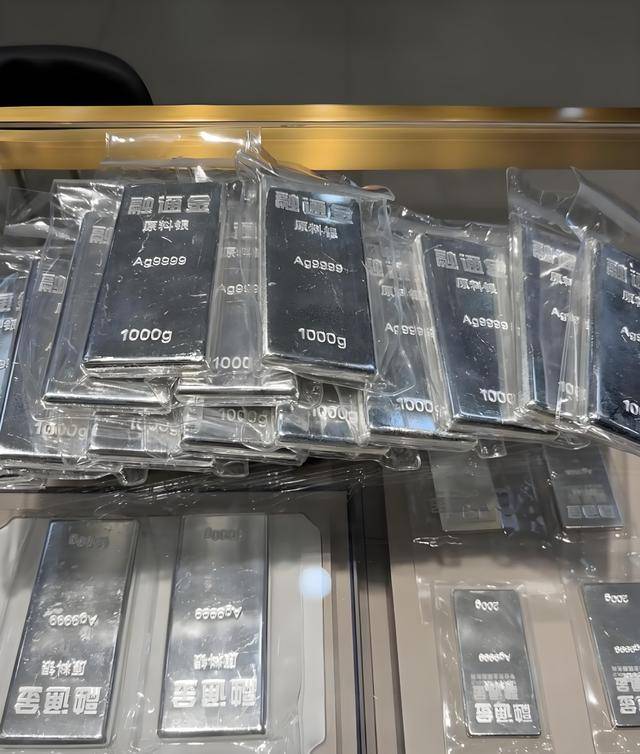
光伏抢银大战升级!机构互撕,供需失衡难逆转,银价还能冲多高?
Sou Hu Cai Jing· 2026-01-14 13:59
Core Viewpoint - The recent significant drop in the gold-silver ratio, which fell below 57, indicates a major shift in the precious metals market, primarily driven by a surge in industrial demand for silver, particularly in sectors like photovoltaics, electric vehicles, and AI computing [1][2]. Supply and Demand Imbalance - The increase in silver prices is attributed to real industrial demand rather than speculative bubbles, with over 65% of silver demand linked to industrial uses [3][5]. - The photovoltaic sector alone is projected to consume 120 million ounces of silver in 2025, accounting for 55% of industrial silver demand, driven by a surge in global solar installations [5]. - The adoption of N-type battery technology in the photovoltaic industry is expected to further increase silver consumption, as it requires more silver per megawatt compared to older technologies [5]. Market Dynamics - The AI computing revolution has significantly increased silver demand, with AI servers using three times more silver than standard servers, leading to a rapid expansion of data centers globally [7]. - The market is experiencing intense competition between bullish and bearish sentiments, with recent adjustments in the Bloomberg Commodity Index causing silver prices to drop sharply after reaching a historical high of $82.744 per ounce [9][12]. - Regulatory measures have been implemented to cool down the market, including increased margin requirements and adjustments to trading limits on silver futures [10][12]. Investment Strategies - The current gold-silver ratio presents an opportunity for professional investors to engage in arbitrage strategies, such as "shorting silver and buying gold," while retail investors are advised to approach the market cautiously [15][17]. - Financial institutions are launching various precious metal investment products to cater to different investor needs, including structured products linked to gold and silver [15]. - For retail investors, investing in gold ETFs is recommended as a lower-risk alternative to direct silver trading, which is characterized by higher volatility [17].

深圳商业计划书公司——光伏电池投资项目
Sou Hu Cai Jing· 2026-01-14 11:20
Core Viewpoint - The development of clean energy, particularly photovoltaic (PV) technology, is central to global energy strategies, with China transitioning from a follower to a leader in the PV battery industry, significantly impacting both domestic and global markets [3]. Group 1: Technological Development - The Chinese PV battery industry exhibits diverse technological advancements, with mainstream technologies including PERC, TOPCon, HJT, and perovskite, all achieving notable efficiency improvements and cost reductions [3]. - PERC technology dominates the market due to its mature processes and high cost-performance ratio, while TOPCon and HJT technologies are accelerating commercialization with superior efficiency and performance characteristics [3][4]. - Perovskite batteries are gaining attention for their high efficiency and low cost, with potential for large-scale commercialization despite current stability and manufacturing challenges [4]. Group 2: Industry Chain and Localization - The Chinese PV battery industry has established a complete supply chain from silicon materials to modules, with high levels of localization achieved across all segments [5]. - Domestic companies have mastered key processes in silicon material production, significantly reducing costs and breaking foreign monopolies [5]. - The localization of manufacturing equipment and auxiliary materials has further reduced costs and enhanced the security of the supply chain [5]. Group 3: Market Demand and Growth - China is the largest PV market globally, with domestic demand driving industry expansion, particularly in distributed solar power systems [6]. - The rapid growth of distributed solar power is a key highlight, contributing significantly to the increase in installed capacity [6]. - Various market segments, including large ground-mounted stations and residential solar, are also experiencing robust growth, creating a diversified demand landscape [6]. Group 4: Export Market and Global Position - Chinese PV products dominate the global market due to their cost-effectiveness and complete supply chain, with exports growing steadily across multiple regions [7]. - Despite challenges such as international trade friction, Chinese companies are enhancing their global competitiveness through innovation and brand development [7]. Group 5: Future Trends and Innovations - The PV battery industry is expected to see accelerated technological innovation, with high-efficiency technologies like TOPCon and HJT set to replace PERC as the new mainstream [8]. - The expansion of application scenarios, particularly in distributed solar and energy storage, will drive new growth points in the market [9]. - The integration of energy storage systems will address the intermittency of solar power, enhancing grid stability and reliability [9]. Group 6: Sustainability and Industry Transformation - Sustainable development is becoming a consensus in the PV battery industry, with a focus on green manufacturing and circular economy practices [10]. - The industry aims to reduce carbon emissions and environmental pollution through cleaner production processes and improved resource utilization [10]. - Social responsibility initiatives, such as poverty alleviation and public welfare projects, are also being emphasized to enhance the industry's image and credibility [10].

国家能源局:我国电力安全风险管控和应急保障能力持续提升
Zhong Guo Dian Li Bao· 2026-01-14 08:13
此次美国得州大停电事故让人们再次回想起2011年同样发生在得州、也同样因极端天气引发的电力危 机。尽管有过前车之鉴,得州的电力基础设施投资和防寒改造依然严重不足,风险管控能力和应急保障 能力建设严重缺失。 反观我国,电力系统的安全风险管控和应急保障能力如何?在能源绿色低碳转型加速的形势下,我国电 力系统如何防范化解新的系统特性带来的风险和冲击?围绕以上问题,中国电力报记者近日专访了国家 能源局电力安全监管司负责人。 在国家发展改革委、国家能源局党组的坚强领导下,在各地方政府及有关电力企业的全力配合下,我们 提前启动了电力安全应急协调机制,组织有关电力企业加强跨省跨区电力支援和电力线路除冰融冰作 业,协调相关部门调煤保电,坚持"以人民为中心"的理念科学合理实施有序用电。在各方共同努力下, 各项措施充分发挥作用,我国电力系统经受住了多轮极端气候的考验,有效保障了大电网安全和人民群 众生产生活用电。这充分说明,在承担社会责任、保障民生供应、落实安全主体责任等方面,我国能源 电力行业具有显著体制优势和制度优势,是确保我国电力系统安全稳定运行和电力可靠供应的坚强保 障。 Q&A 记者:得州大停电事故对于我国"十四五"及 ...
国家能源局:我国电力系统具备一定抵御极端天气的能力,将加快构建以电网为平台的新一代电力系统
Zhong Guo Dian Li Bao· 2026-01-14 08:13
美国东部时间2月12日以来,暴风雪接连席卷美国南部、中西部和东北部地区,造成多地发生停电事 故。重灾区得克萨斯州限电负荷超过2000万千瓦,影响人口超过400万人,对生产生活造成严重影响。 危机过后,以造成得州大停电的原因分析为切口,对比解读我国电力发展模式对极端天气的承载能力, 特别是碳中和目标下新能源大规模入网的消纳举措,成为当下各方关注的焦点。就上述内容,中国电力 报记者27日专访了国家能源局电力司负责人。 Q&A 记者:在您看来,引发此次得州大停电的原因有哪些? 答:一是暴风雪导致用电负荷陡增。得州居民用户约60%采用电加热方式采暖,极寒天气使得州电网负 荷急剧上升,在美国东部时间2月14日晚8时左右达到6922万千瓦,创冬季负荷新高。而同一时刻,得州 电网最大发电能力仅约4800万千瓦,由此出现了约2000万千瓦的电力供应缺口。二是恶劣气候导致供电 能力下降。得州电源结构以燃气和风电机组为主,占总装机的77%。受极寒和雨雪天气影响,大量天然 气管道出现冰堵导致气源供应中断,燃气机组被迫停运;许多风电机组也因设备结冰无法发电。美东时 间2月15日用电高峰期,得州总计约4000万千瓦机组无法正常运行,超 ...
国家能源局党组书记、局长章建华:制定更积极新能源发展目标 加快推动碳达峰、碳中和
Zhong Guo Dian Li Bao· 2026-01-14 08:13
Core Viewpoint - The National Energy Administration emphasizes the need for more proactive goals in the development of renewable energy to accelerate the achievement of carbon peak and carbon neutrality targets, with a clear timeline set for 2030 [6]. Group 1: Carbon Peak and Carbon Neutrality Goals - The National Energy Administration aims for a 25% share of non-fossil energy consumption and over 1.2 billion kilowatts of installed wind and solar power capacity by 2030 [6]. - Four key measures will be implemented to achieve these goals: accelerating clean energy development, upgrading energy consumption methods, formulating policies for carbon peak in the energy sector, and guiding local carbon reduction efforts [6][7]. Group 2: Clean Energy Development - The focus will be on developing clean energy sources, achieving grid parity for onshore wind and solar power, and enhancing energy storage and grid infrastructure [6]. - There will be an emphasis on the safe and orderly development of nuclear power and the promotion of pumped storage and new energy storage systems [6]. Group 3: Energy Consumption Upgrades - The administration will reinforce the "dual control" system for energy consumption and promote energy efficiency in key industries [6]. - Efforts will be made to replace energy consumption in industrial, construction, and transportation sectors with electricity to enhance electrification levels [6]. Group 4: Policy Formulation - Policies will be developed to support low-carbon transformation in the energy sector, focusing on high-quality development of renewable energy and the construction of a new power system [7]. - Local governments will be guided to align their energy planning with national targets and responsibilities for carbon reduction [7]. Group 5: Rural Energy Development - The National Energy Administration is working on a roadmap for rural energy development to ensure energy security in agricultural and rural modernization [12]. - Key initiatives include enhancing rural electricity supply, promoting clean energy utilization, and improving energy service levels in rural areas [13][14].
第二届石油石化招标采购创新发展交流大会在杭举办
Xin Hua Wang· 2026-01-14 08:13
王志刚在致辞中表示,近年来国家高度重视招标采购工作,出台了一系列政策法规,为招标采购创 新发展指明了方向。当前,能源行业正处于加速向清洁化、低碳化、高效化和多元化方向转型升级的关 键时期,研究会愿与各界专家领导、企业界同仁携手共进,秉承"合作共赢"的发展理念,共同谱写石油 石化行业招标采购创新发展的新篇章,为实现碳达峰、碳中和目标,保障能源安全,促进经济社会可持 续发展作出新的更大贡献。 中国工程院沈昌祥院士和李宁院士分别作题为《打造工业互联网安全可信主动免疫新生态,加快推 进网络强国建设》与《万米特深测井,一条从实验室到井场的全新产供链》的特邀报告,为石油石化行 业的数智化转型提供了坚实的网络安全保障,也为我国深地探索事业注入了强大动力。 在主题报告环节,刘斌、赵宇城、单彤文、龚莉莉、周惠等专家分享了石油石化企业在招标采购与 供应链领域的创新、协同、实践及探索应用,TCL Solar、岚图等企业介绍了全场景绿色能源及用车解 决方案。为期2天的会议设置了采购与供应链分论坛,新能源新材料采购分论坛,国产化技术装备采购 分论坛,共有57位与会的院士、专家和代表分享了招标采购最新理论、技术成果、实践经验及解决方 案 ...
政策重构!2026年万亿赛道蓄势爆发!
Sou Hu Cai Jing· 2026-01-14 07:13
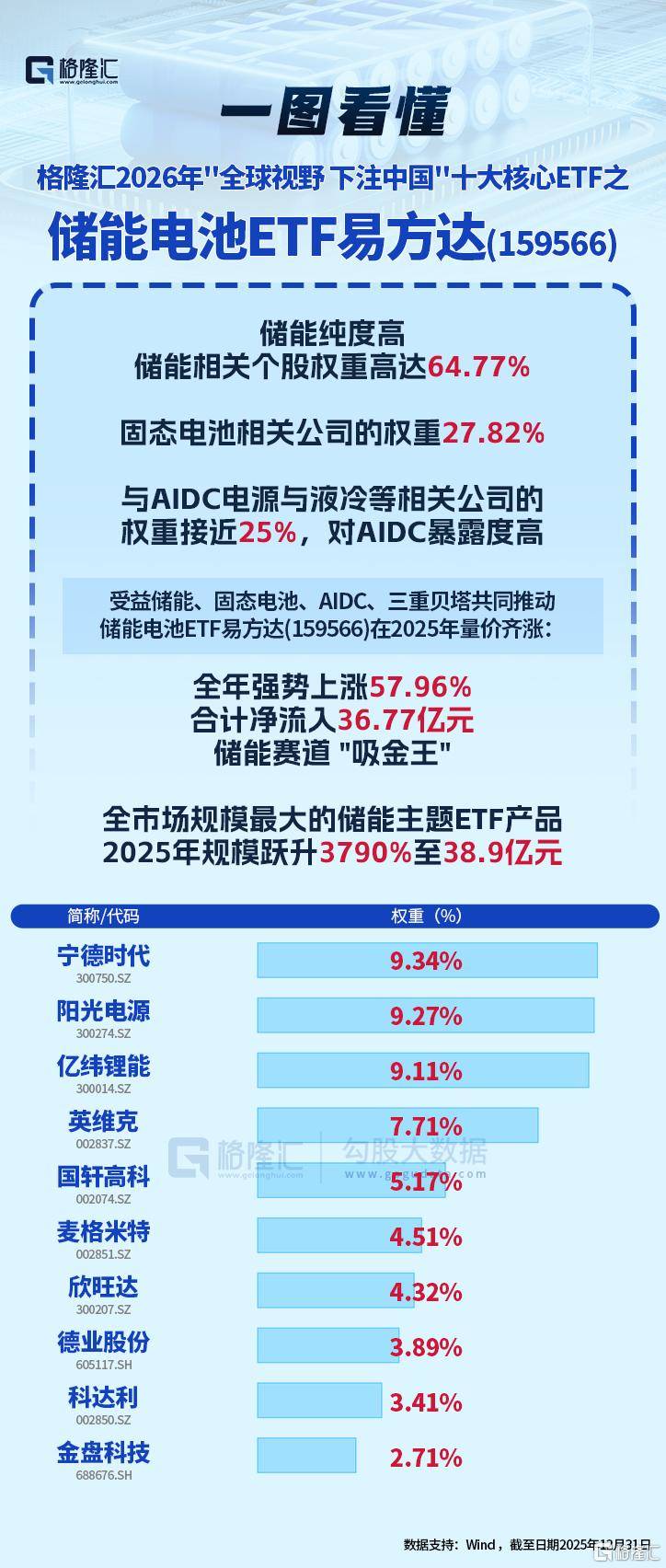
Core Insights - The AI industry is experiencing historic development opportunities, with the energy storage sector transforming from a marginal support role to a core engine for stable power supply in the AI era [1] - By 2026, the energy storage industry is expected to enter a historic opportunity period characterized by large-scale and high profitability, driven by policy marketization, technological breakthroughs, and global demand [1] Policy Restructuring - The profound changes in China's energy storage industry by 2025 stem from a systematic upgrade of the policy framework, shifting from "administrative intervention" to "market empowerment" [4] - The introduction of the "Document No. 136" in February 2025 marks the transition of China's energy storage from a "policy task" to a "market profit" model, providing a valuable reference for global energy storage development [5] - Following the policy implementation, domestic energy storage bidding volumes surged to 19.2 GWh from March to May 2025, a year-on-year increase of 210% [4] Market Growth and Demand - The energy storage market is expected to experience explosive demand growth in 2026, driven by multiple scenarios including renewable energy, grid upgrades, and AI data centers, with a market space projected to exceed trillions [6] - In the first nine months of 2025, domestic installed capacity of wind and solar energy reached 102 GW, a year-on-year increase of 45% [6] - The global energy storage installed capacity is predicted to reach 1,200 GW by 2030, a 380% increase from approximately 250 GW in 2025 [7] Diverse Growth Dynamics - The domestic market is characterized by a diversified growth pattern, with energy storage for renewable energy accounting for 31.7% of total new installations in the first nine months of 2025 [9] - User-side energy storage is rapidly growing, with a year-on-year increase of 230% in new installations, driven by cost reduction and peak-valley price differences [9] - The overseas market is becoming a significant growth curve for domestic companies, with new installations reaching 45 GW in the first nine months of 2025, a 112% year-on-year increase [9] Capital Market Performance - The energy storage sector has shown strong performance in the capital market, with the National Renewable Battery Index rising by 55.15% in 2025, significantly outperforming many industries [10] - The energy storage battery ETF (159566) achieved a strong increase of 57.96% in 2025, reflecting the robust growth potential of core companies in the sector [10] Industry Chain Value Release - The value center of the energy storage industry chain is increasingly shifting towards technology-intensive segments, with leading companies benefiting from cost control and profitability [13] - In the system integration sector, the domestic market's CR5 has reached 65%, with leading companies holding a combined market share of 52% [14] - Major companies like Sungrow and CATL have reported significant revenue growth in their energy storage businesses, with CATL's revenue exceeding 20 billion yuan in 2025, a year-on-year increase of 110% [15] Investment Opportunities - The energy storage battery ETF (159566) is an effective tool for investors to share in industry dividends and participate in the green transition, focusing on core segments of the energy storage industry [17] - The ETF's top holdings include leading companies such as CATL and Sungrow, which dominate the market and are well-positioned to capture industry growth [18] - The ETF has shown a 12% annualized return over the past decade, outperforming the China Securities New Energy Index [19]