低空经济

Search documents
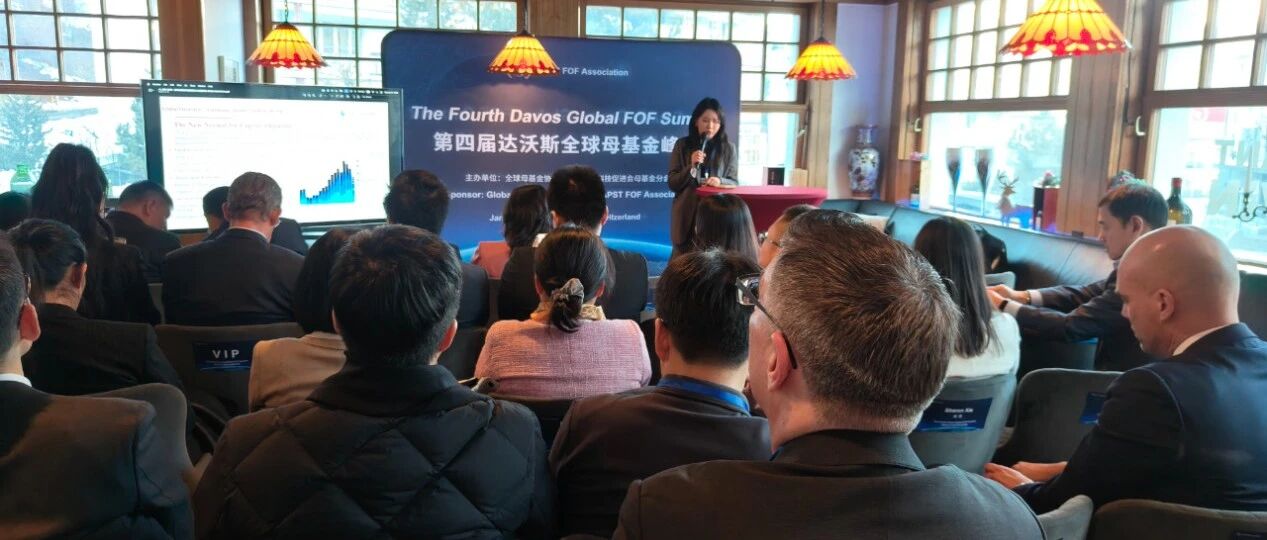
王爽:全球私募股权市场正在“重置”
母基金研究中心· 2026-02-08 08:35
Core Insights - The fourth Davos Global Fund of Funds Summit was held on January 21, 2026, focusing on the future development of the global fund of funds and venture capital industries [2][3] - The summit emphasized the importance of resilience in the face of a changing fundraising environment and highlighted strong intentions for capital allocation among limited partners (LPs) [4][5] Global Economic Trends - The years 2024 and 2025 are identified as "reset years" for global financial markets, with the U.S. economy entering a recovery phase by the third quarter of 2025 [10][11] - The Americas dominate global venture capital deal value, while Asian investors are shifting focus from consumer internet to hard technology and manufacturing [10][11] - Artificial intelligence is attracting significant capital, with a shift in investment focus towards practical applications in finance and healthcare [10][11] Liquidity and Exit Strategies - Liquidity is crucial, with investors prioritizing cash returns over paper profits; secondary transactions and mergers and acquisitions (M&A) are becoming key exit channels [12][13] - Continuation funds allow managers to hold high-quality assets longer, and M&A activities are increasing as funds acquire each other [12][13] Chinese Market Dynamics - The Chinese market is undergoing significant structural changes, with a divergence between macroeconomic recovery and microeconomic sentiment [14][15] - The dominance of state-owned capital is increasing, leading to a transformation of general partners (GPs) from professional investment institutions to comprehensive service providers [14][15] Patient Capital Policies - China is promoting patient capital policies, extending fund durations to 15-20 years to match the needs of industries with long R&D cycles [16][17] - Some regions allow up to 100% loss tolerance for early-stage investments to encourage innovation [16][17] Evolving Exit Channels - Exit channels in China are changing, with new models emerging for project incubation and delisting, alongside the rapid development of segmented industry funds [18][19] - Looking ahead to 2026, investment focus will be on supply chain advantage areas, such as humanoid robots, with a shift from mega funds to a model of "one mother fund + specialized sub-funds" [18][19]

答卷2025|织路成网 赋能未来——张家口交通高质量发展再提速
Xin Lang Cai Jing· 2026-02-08 06:12
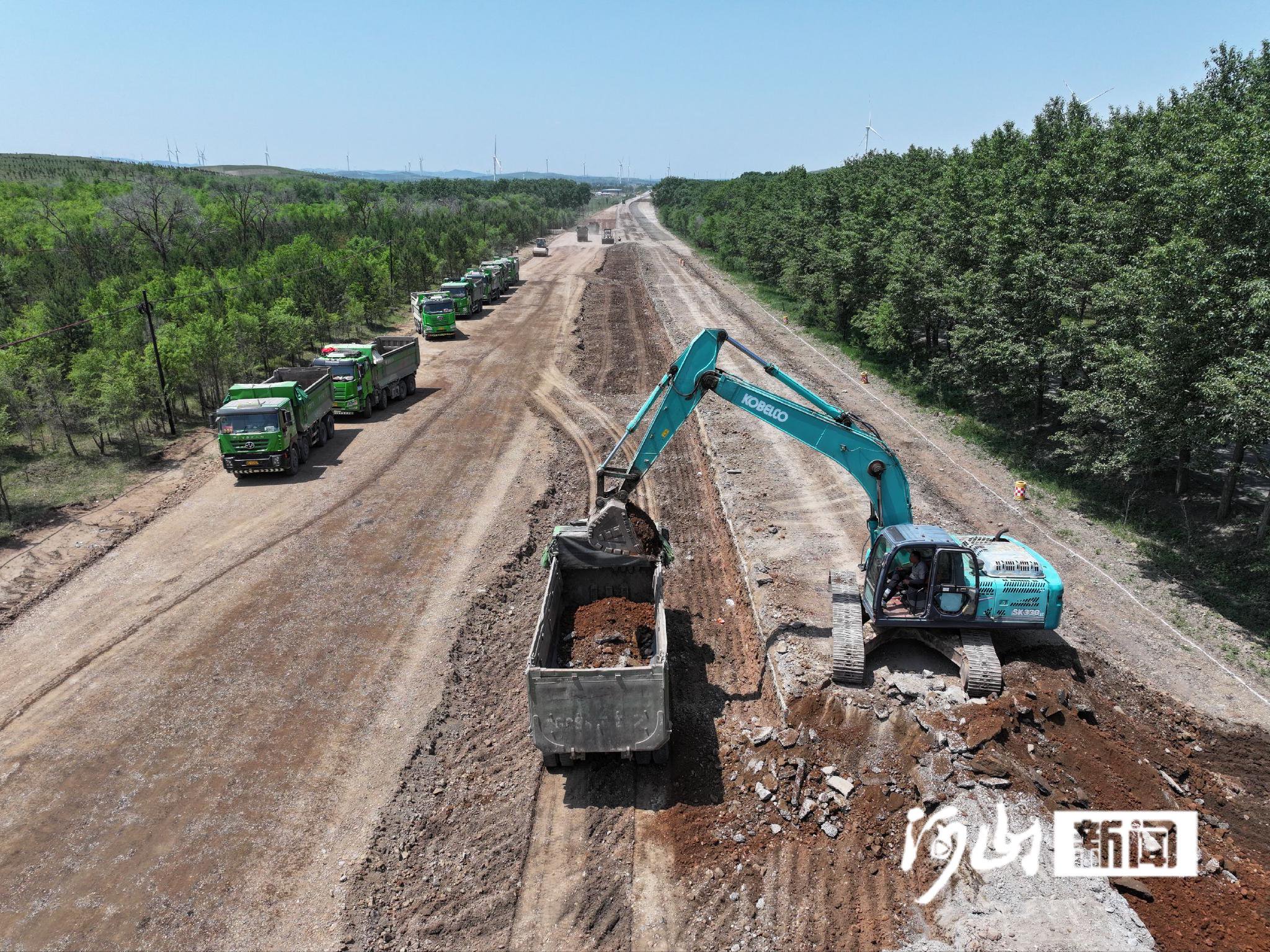
Infrastructure Development - Zhangjiakou City plans to complete a total transportation investment of 45.9 billion yuan in 2025, with 9 new or renovated national and provincial highways and 46 road network upgrades [1] - The construction and renovation of rural roads will cover 431 kilometers, and the rapid advancement of the Taixi Railway will enhance regional connectivity [4] - The city achieved a completion rate of 107.7% for planned investments, ranking first in the province, with 25.9 billion yuan invested in key projects [4] Service Quality Improvement - The transportation system focuses on reducing costs, ensuring smooth traffic, and enhancing service quality, leading to a 14.78% decrease in average express delivery prices [7] - Public transport services have been upgraded with the optimization of 3 urban bus routes and the introduction of 14 new school and commuter lines [8] - The city has implemented a taxi call platform "95128" to address the issue of difficulty in hailing taxis [11] Governance and Regulation - The city has established a collaborative mechanism for transportation law enforcement, enhancing the efficiency of regulatory practices [10] - A total of 31 non-site enforcement points and 72 lanes have been established to control overloading, with a superloading rate maintained below 2% [11] - The city has completed significant road maintenance, including 115 kilometers of major repairs and 225 kilometers of treatment for substandard road sections [11] Innovation and Integration - The city is exploring new models and business formats for transportation transformation, focusing on the integration of passenger and freight services [14] - The "Zhangyun Express" platform has been developed to improve rural logistics, with 29 new cooperation routes and 41 new stations planned for 2025 [15] - The establishment of the first fourth-generation NIO battery swap station in the city supports the development of a comprehensive electric vehicle charging network [15]
和讯投顾高璐明:注意!这五大消息将直接影响下周走势!
Sou Hu Cai Jing· 2026-02-08 02:47
2月8日,和讯投顾高璐明表示,周末国内外市场重磅消息频出,或对下周市场走势产生影响。其一,数 字货币遭遇利空,周末虚拟货币监管升级,央行等8部门联合发布通知,强调虚拟货币不具备法定货币 同等法律地位,境内外任何单位和个人不得在境外发行挂钩人民币的稳定币,不过鉴于国内一直管控较 严,此消息更多是短期情绪影响。其二,高层领导人强调要深入谋划实施一批重大举措和项目,在发展 新质生产力、做大做强国内大循环、促进居民增收等方面取得更大突破,这对经济新质生产力等相关方 案构成利好。其三,商业航天迎来利好,周末国内发射可重复使用试验航天器,长征二号F开展关键技 术验证,显示商业航天可回收方向持续进步。其四,上海市经信委表示要瞄准智能终端、商业航天、低 空经济等新赛道,再造万亿级产业新增量,进一步利好商业航天、低空经济及人工智能等方向。其五, 光伏板块获利好,特斯拉报道称其正在美国多州建厂扩张太阳能电池制造版图,计划未来三年实现每年 100GW的太阳能制造能力,且马斯克已开始考察国内光伏相关厂商。 ...

低空经济蓄力起飞
Xin Lang Cai Jing· 2026-02-07 22:52
Core Insights - Guizhou Hanggu Power Technology Co., Ltd. is advancing into the low-altitude economy with a new intelligent production line for engine combustion chamber components, set to be operational by 2025, enhancing precision significantly compared to manual production [1] - The company has shifted from traditional aerospace components to the civil market, with civil business now accounting for 20% to 30% of its revenue and continuing to grow [1] - Continuous innovation is a key competitive advantage, with R&D investment consistently between 8% and 10%, surpassing industry averages, and a total of 46 patents obtained, including 14 invention patents [2] - The company is developing an intelligent manufacturing management platform for full-process digital control, with an annual production capacity of approximately 300,000 pieces, expected to increase further with new facilities [2] - Talent development is emphasized through partnerships with educational institutions, creating a win-win situation for both students and the company [3] - The company is preparing for a potential listing on the Sci-Tech Innovation Board to strengthen R&D and production capacity [3]
本市经营主体发展质量连续三年全国第一
Xin Lang Cai Jing· 2026-02-07 22:52
Core Insights - The city aims to reach 2.8697 million business entities by the end of 2025, with a year-on-year growth of 6.83%, and over 40% of these being technology-based enterprises [1] - The survival rate of enterprises has remained above 75% for the past three years, marking the highest quality of business development in the country for three consecutive years [1] - The city has implemented a credit repair "cloud service" that has benefited 80,000 business entities, and has returned 108 million yuan to alleviate the financial burden on enterprises [1] Business Development - In 2025, the city is expected to see a continuous enhancement in the competitiveness of business entities, characterized by simultaneous growth in quantity and quality, structural optimization, and robust momentum [1] - A total of 380,100 new business entities are projected to be established in the year [1] Regulatory Enhancements - The city has achieved a 100% scanning rate for the "scan check" mechanism, with non-on-site inspections accounting for 70.6% of total inspections, significantly improving regulatory efficiency [1] - The city is focusing on the accommodation and catering industries, creating an eight-category negative list to comprehensively address "involution" competition among platforms [2] Food Safety and Compliance - The city has taken the lead in opening full access to restaurant licensing data for food delivery platforms, aiding real-time qualification audits [2] - A risk-oriented food safety inspection and monitoring mechanism is being established, with special rectification actions focusing on online dining safety [3] Market Order and Competition - This year, the city plans to intensify the crackdown on monopolistic behaviors in public utilities and platform economies, addressing issues such as counterfeit goods, false advertising, and predatory pricing [2] - The city aims to construct 100 consumer rights protection service stations and 50 consumer education bases, enhancing consumer protection and education [4]
协同推进低空经济高质量发展
Xin Lang Cai Jing· 2026-02-07 20:47
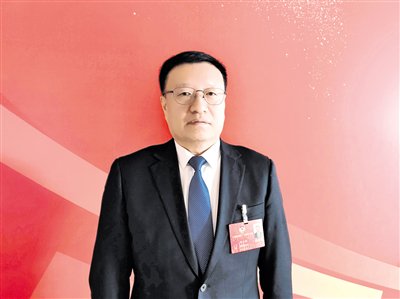
Core Viewpoint - The government work report emphasizes the orderly development of the low-altitude economy in Inner Mongolia, highlighting the need for infrastructure improvement and the establishment of industry clusters to enhance the region's capabilities in this sector [3]. Group 1: Government Initiatives - The report outlines plans to develop low-altitude economic applications across various industries and improve basic infrastructure and support services [3]. - It includes the adaptation of general airports and the integration of facilities for takeoff, communication, navigation, and meteorology [3]. - The aim is to create industrial clusters in the Hohhot-Baotou-Ordos area and a low-altitude application zone in the Chifeng-Xilinhot region [3]. Group 2: Industry Perspectives - The chairman of Inner Mongolia Shenying Aviation Group expressed optimism about the region's natural advantages for low-altitude economic development, citing its vast territory and favorable airspace conditions [3]. - Despite having a preliminary general aviation network, the region's low-altitude economy is still in a "point-like scattered" stage compared to advanced areas like Shenzhen [3]. Group 3: Recommendations for Development - The establishment of a leadership group for low-altitude economic development is suggested to coordinate efforts across various departments such as transportation, development and reform, public security, and emergency services [4]. - A proposal to create a "Northern Cold Region Drone Testing and Airworthiness Certification Base" aims to attract national research institutions and form an industrial magnet [4]. - The development of a "Low-altitude Logistics Hub" is recommended to serve the China-Mongolia-Russia economic corridor and explore cross-border drone logistics channels [4]. - The "Low-altitude Service Station" plan suggests adding simple takeoff and landing pads, smart charging piles, and communication terminals to existing facilities, utilizing local renewable energy resources [4].
成都无人机产业稳居全国第一梯队
Xin Lang Cai Jing· 2026-02-07 18:46
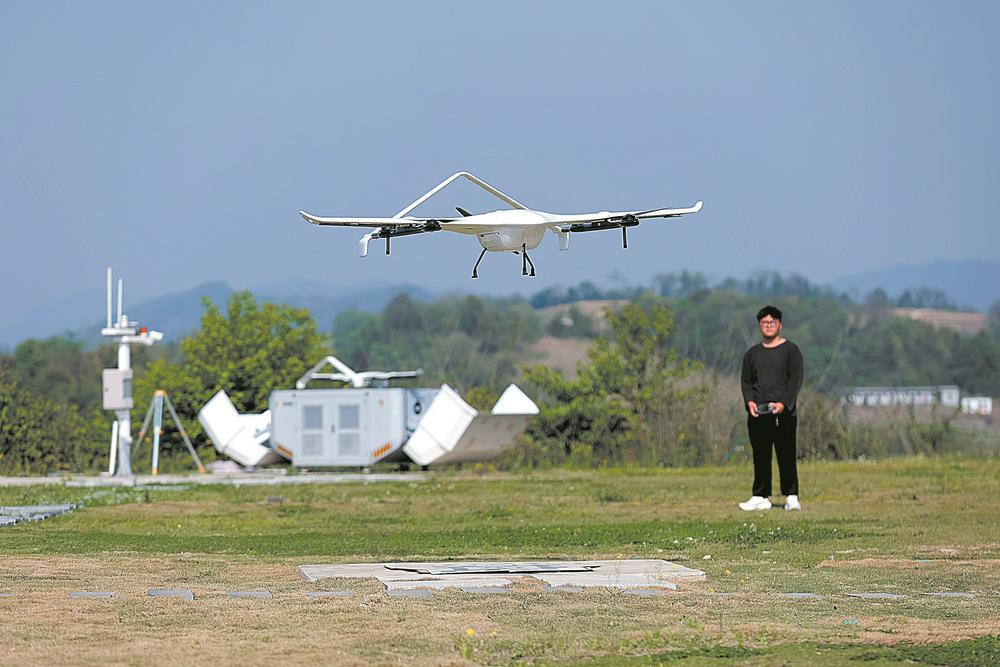
Group 1 - Chengdu's drone manufacturing industry has over 200 companies and leads the nation in low-altitude aircraft exports, with a projected industry scale of nearly 140 billion yuan by 2025 [1][3] - The city has established a complete industrial system for drones, covering research, manufacturing, operation, and services, positioning itself in the top tier nationally [3][5] - Chengdu is recognized as a national pilot zone for low-altitude air transport management reform and has been approved as a national civil unmanned aerial vehicle test base [3][5] Group 2 - The first national drone football competition was held in Chengdu, showcasing the city's innovation and potential in the low-altitude economy [1] - New drone models, including the world's first tilt-rotor UAV, were showcased at the Singapore Airshow, highlighting Chengdu's advancements in drone technology [2] - Chengdu's low-altitude economy is expected to see significant growth by 2026, with improved infrastructure and a collaborative management mechanism [5]
深圳低空经济产业集群增加值突破350亿元
Sou Hu Cai Jing· 2026-02-07 14:39
Core Insights - Shenzhen's low-altitude economy and aerospace industry cluster is projected to achieve an added value of 35.061 billion yuan by 2025, reflecting a year-on-year growth of 31%, indicating robust development momentum [1] Group 1: Policy and Regulatory Framework - The implementation of the "Shenzhen Special Economic Zone Low-altitude Economy Industry Promotion Regulations" in 2024 marks the first local legislation in China specifically targeting the low-altitude economy, establishing a legal framework for the industry's full lifecycle [1] - During the 14th Five-Year Plan period, Shenzhen has introduced multiple policy measures to support the low-altitude economy, including subsidies for eVTOL airworthiness certification, rewards for low-altitude logistics routes, and a 1 billion yuan industry guidance fund [1] Group 2: Industry Development and Innovation - Shenzhen produces 70% of the global consumer drones and 50% of industrial drones, with a complete industrial support system that allows for 100% availability of key materials and core components within a one-hour drive [1] - The establishment of the world's first low-altitude three-dimensional wind tunnel laboratory and multiple national-level research platforms in low-altitude meteorology and air traffic management during the 14th Five-Year Plan period underscores the focus on innovation as a core driver of industry development [2] Group 3: Infrastructure and Network Expansion - By 2025, Shenzhen plans to have over 1,200 takeoff and landing points and nearly 10,000 5G-A and sensing base stations, creating a preliminary network of takeoff facilities and accelerating the construction of a communication navigation monitoring system [2] - The drone logistics network in Shenzhen has expanded to cities in the Greater Bay Area, and innovative projects such as the first "air-ground integrated" urban rescue project and the first air-rail intermodal project have been implemented [2] Group 4: Safety and Risk Management - Shenzhen has established a comprehensive low-altitude safety management system, including the formation of a police aviation unit to address illegal drone activities and monitor related incidents [3] - The "Deep Sky" drone safety management platform has been upgraded to connect with 22 drone research and production companies, monitoring an average of 2,300 flight data entries daily [3] - The introduction of the first national third-party liability insurance service guidelines for drones has led to 14 out of 34 local insurance companies offering low-altitude economy-related insurance, with premium income exceeding 300 million yuan and coverage for over 600,000 drones [3]
上海市经信委:聚焦智能终端、商业航天等,再造万亿级产业新增量
第一财经· 2026-02-07 13:42
Core Viewpoint - Shanghai is focusing on enhancing its industrial capabilities and core competitiveness in 2026, the first year of the "14th Five-Year Plan," by implementing strategies across four key areas [3]. Group 1: National Strategy Implementation - The city will continue to maintain its advantages in leading industries such as integrated circuits and artificial intelligence, aiming for double-digit growth in manufacturing output [3]. - The integration of "IC + AI" will be leveraged to elevate the overall industrial system [3]. Group 2: Industrial Transformation and Upgrading - Shanghai aims to accelerate the transformation of industries like petrochemicals, steel, and light industry towards digitalization and greening, with plans to establish 500 advanced intelligent factories during the "14th Five-Year Plan" [4]. - The application density of industrial robots is targeted to reach 600 units per 10,000 people, and 200 green manufacturing enterprises at the municipal level will be created [4]. Group 3: Economic Growth and New Industries - The city plans to significantly increase the total industrial economy by developing six emerging pillar industries, including next-generation electronic information and intelligent connected new energy vehicles, targeting new sectors like smart terminals and commercial aerospace [3][4]. - The goal is to generate a trillion-level increase in industrial output [3]. Group 4: Industrial Ecosystem Optimization - Shanghai will guide districts to deepen their leading industries through an industrial map, aiming to create 25 billion-level sub-sectors [4]. - The city's industrial added value grew by 5.1% last year, with total output reaching 4.07 trillion yuan, marking a historical high [4]. - The proportion of "new manufacturing" increased from 40% to 45%, while the share of three leading industries in manufacturing rose from 7.8% to 12.4% [4].
拉萨达孜开辟出“新赛道”!
Xin Lang Cai Jing· 2026-02-07 13:34
Core Insights - The low-altitude economy in Dazi District is a strategic choice aimed at addressing transportation and ecological monitoring challenges in the region, leveraging its unique geographical conditions [2][4] - Dazi District has established the Tibet Low-altitude Economy Industrial Park, positioning itself as a pioneer in this sector, with a focus on high-quality development and job creation through a unique model of "Party leadership + industry empowerment + employment promotion" [2][5] Policy Framework - The low-altitude economy has been integrated into the national "14th Five-Year Plan," with Tibet quickly developing a "1+N" policy system to support this industry, including general aviation development plans and special funding [5] - Dazi District aims to become a leading area for low-altitude economy in Tibet, capitalizing on policy advantages and development potential [5] Company Development Model - Dongyi Technology Co., Ltd. has innovatively constructed a development model that combines "Party leadership + industry empowerment + employment promotion," placing party members in key roles to foster a collaborative environment [7] - The company has successfully completed adaptive testing for high-altitude drones within three months, aided by government support and expert guidance [7] Technological Implementation - The use of drones has significantly improved efficiency in ecological monitoring, reducing the time required for inspections from a full day to just two hours [7][9] - Dongyi Technology has established 1,700 planned flight routes, with 790 currently in operation, and aims to create 70 job positions, having already achieved stable employment for 15 individuals [11] Industry Ecosystem - The Tibet Low-altitude Economy Industrial Park has attracted 29 upstream and downstream enterprises, creating a comprehensive industrial ecosystem that includes technology research, equipment display, manufacturing, and support services [11][13] - Companies are optimistic about the development of the low-altitude economy in the region, citing strong government support and the collaborative environment fostered by Dongyi Technology [13] Future Outlook - Dongyi Technology plans to continue leading with Party guidance, linking industries, and supporting collaboration to transform the low-altitude economy from "single-point breakthroughs" to "cluster development," contributing to sustainable economic growth in Tibet [13]