双碳战略

Search documents
北京科锐中标4.98亿国网项目 拓展市场归母净利大增1417.6%
Chang Jiang Shang Bao· 2025-12-11 23:36
Core Viewpoint - Beijing Keri has won multiple projects from the State Grid, with a total bid amount of 498 million yuan, accounting for 24.36% of the company's audited revenue for 2024 [1][2]. Group 1: Project Details - The projects include various procurement items such as low-voltage power cables, transformers, and integrated ring network boxes across different regions, with specific bid amounts detailed for each project [3]. - The total bid amounts for specific projects are as follows: - Northwest and Tibet regions: approximately 28.93 million yuan - Central and Southwest regions: approximately 51.15 million yuan - Northeast region: approximately 36.52 million yuan - East China region: approximately 78.83 million yuan - North China region: approximately 84.75 million yuan [3]. Group 2: Financial Performance - In the first three quarters of 2025, Beijing Keri reported a net profit attributable to shareholders of 28.99 million yuan, a year-on-year increase of 1417.63%, with a gross margin of 22.36%, up 1.94 percentage points from the previous year [6]. - The company's operating revenue for the same period was 1.438 billion yuan, reflecting a year-on-year growth of 14.16% [6]. - The significant profit increase is attributed to investment income from subsidiary disposals, reduced fair value losses, and increased government subsidies [6]. Group 3: Strategic Initiatives - Beijing Keri is actively expanding its business in renewable energy, including solar and energy storage projects, in response to the national "dual carbon" strategy [4]. - The company has also increased its R&D investment, with expenses reaching 65.18 million yuan in the first three quarters of 2025, a year-on-year increase of 28.33% [5]. - A share repurchase plan was announced, with a total amount not less than 50 million yuan and not exceeding 100 million yuan, aimed at implementing employee stock ownership plans [6]. Group 4: Market Performance - As of December 10, 2025, Beijing Keri's stock price was 9.18 yuan per share, reflecting a 5.28% increase on that day and a cumulative increase of approximately 21.6% since the beginning of the year [7].

外资企业看好广西发展商机 加强绿色产业合作力度
Zhong Guo Xin Wen Wang· 2025-12-11 14:10
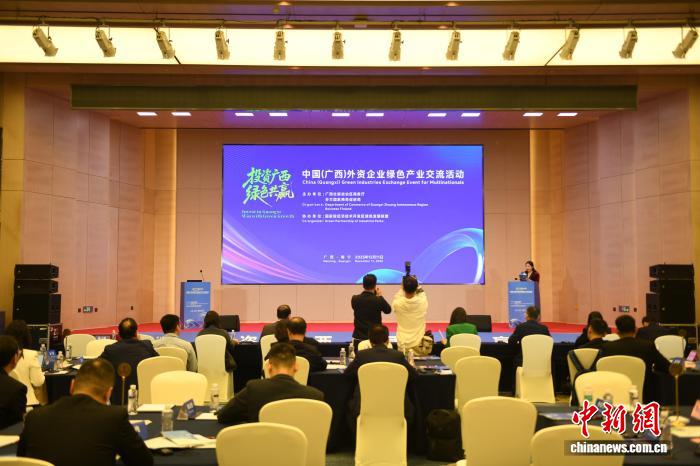
Core Insights - Foreign enterprises are optimistic about the development opportunities in Guangxi and are keen to strengthen cooperation in the green industry [1][2][3] Group 1: Event Overview - The China (Guangxi) Foreign Investment Enterprises Green Industry Exchange Event was held in Nanning, focusing on friendship, cooperation, and development [2] - The event was organized by the Guangxi Zhuang Autonomous Region Department of Commerce and the Finnish National Business Promotion Agency, with support from the National Economic and Technological Development Zone Green Development Alliance [2] Group 2: Industry Cooperation - Finnish companies, such as Apsa Technology, expressed interest in collaborating with Guangxi enterprises to transform hazardous waste into harmless materials and recover resources [1][2] - Schneider Electric highlighted its expertise in electrification, automation, and digitalization, aiming to assist Guangxi companies in building green and efficient supply chains [2] Group 3: Government Support and Future Plans - The Guangxi government is actively introducing advanced energy-saving and low-carbon technologies, optimizing the investment environment to attract foreign enterprises [3] - Future initiatives will focus on energy management and carbon trading services to enhance support for foreign investments and establish Guangxi as a green investment hub [3] Group 4: Success Stories and Collaboration Opportunities - Representatives from foreign enterprises shared successful practices in the green sector, including low-carbon ammonia, new energy, and energy-saving equipment [3] - Key parks in Guangxi showcased their advantages in green infrastructure, industrial support, and policy backing for zero-carbon cooperation opportunities [4]

坚定不移贯彻落实中央经济工作会议精神 以高质量发展为服务中国式现代化贡献更多期货力量
Xin Lang Cai Jing· 2025-12-11 13:48
文:中信期货有限公司董事长 窦长宏 中央经济工作会议12月10日至11日在北京举行。会议为新形势下经济工作制定了蓝图,凝聚了共识,也 为期货行业的高质量发展指明了方向。会议指出要持续扩大内需、优化供给,做优增量、盘活存量,因 地制宜发展新质生产力,纵深推进全国统一大市场建设。期货行业深刻领悟会议精神,自觉将行业发展 融入国家大局,牢牢把握金融工作的政治性、人民性,以服务实体经济为根本宗旨,充分发挥风险管理 专业优势。作为市场重要参与者,中信期货积极践行使命担当,将政策导向转化为发展动能,以实际行 动将国家战略蓝图转化为高质量发展的生动实践。 责任编辑:李铁民 文:中信期货有限公司董事长 窦长宏 中央经济工作会议12月10日至11日在北京举行。会议为新形势下经济工作制定了蓝图,凝聚了共识,也 为期货行业的高质量发展指明了方向。会议指出要持续扩大内需、优化供给,做优增量、盘活存量,因 地制宜发展新质生产力,纵深推进全国统一大市场建设。期货行业深刻领悟会议精神,自觉将行业发展 融入国家大局,牢牢把握金融工作的政治性、人民性,以服务实体经济为根本宗旨,充分发挥风险管理 专业优势。作为市场重要参与者,中信期货积极践行使 ...

中信期货董事长窦长宏:坚定不移贯彻落实中央经济工作会议精神 以高质量发展为服务中国式现代化贡献更多期货力量
Jin Rong Jie· 2025-12-11 13:27
"十五五"是夯实基础、全面发力的关键时期,中信期货将深入贯彻落实中央经济工作会议精神,始终以 服务国家战略为己任,在合规经营、服务实体、对外开放等方面持续发力、久久为功,以更高站位、更 强担当、更实举措,助力提升期货市场服务国民经济和配置全球资源的能力,为服务中国式现代化贡献 更多期货力量。 期货频道更多独家策划、专家专栏,免费查阅>> 责任编辑:山上 一是聚焦主业,服务实体经济提质增效。会议指出,引导金融机构加力支持扩大内需、科技创新、中小 微企业等重点领域。会议确定,明年经济工作将抓好建设强大国内市场、加紧培育壮大新动能、增强高 质量发展动力活力等重点任务。期货公司应当聚焦主责主业,充分发挥期货市场发现价格、管理风险、 配置资源的功能,更好服务实体经济高质量发展,服务构建新发展格局和中国式现代化。中信期货恪守 服务实体经济初心,结合"场内+场外"、"期货+现货"、"境内+境外"推动多元业务板块的产品服务升 级,灵活利用期货、期权等金融工具,并结合期现业务促进传统贸易模式优化升级,为实体经济解决采 购难、价格波动大等现实问题,同时,依托子公司的贸易类业务和资金类业务等实货端业务模式,为产 业客户提供稳定持续 ...
不止于车、不止于电 业内共话电网低碳转型与车网互动规模化应用
Xin Hua Cai Jing· 2025-12-10 13:55
新华财经广州12月10日电(记者沈寅飞)12月9-10日,以"绿色湾区智汇未来"为主题的2025明珠湾气候 投融资大会在广州南沙举办。10日上午本届大会分论坛"智慧赋能——电网低碳转型与车网互动规模化 应用"专题会议如期举行。 与会人士通过探讨交通与能源融合的发展蓝图,围绕V2G规模化应用,分析电力市场机制如何促进低碳 转型与支持车网互动,并研究体制机制创新的方向以释放产业潜力,提出具体破局路径与实践方案。 车网互动"广州范式"日益成型 当前,以"双碳"战略引领高质量发展,我国能源格局正经历深刻变革。车网互动作为交通与能源系统融 合的关键载体,正以技术创新激活绿色转型新动能。 据介绍,近年来,广州车网互动发展取得了积极进展。目前已投入V2G超800个,建成国内规模最大的 V2G示范项目,累计放电量近120万度,V2G设施规模和应用水平处于全国前列。 "当前,全球能源格局正经历系统性的变革,推动新能源汽车从交通工具向移动储能和智慧能源节点转 型升级,实现车网深度融合,不仅是产业技术课题,更是构建新型能源体系,保障能源安全的战略支 点。"广州市政府副秘书长陈键华如是说。 陈键华表示,近年来,广州全力培育智能网联与 ...
2025年广东绿色金融改革创新推进会暨转型金融标准发布会成功举办
Xin Lang Cai Jing· 2025-12-10 10:33
Core Viewpoint - Guangdong is positioning itself as a leader in green finance reform and innovation, focusing on accelerating the green transformation of its economy and society in line with the "dual carbon" strategy and the upcoming "14th Five-Year Plan" completion and "15th Five-Year Plan" preparation [1][9]. Group 1: Standards Leading Traditional Industry Transformation - Transition finance aims to provide funding support for high-emission economic activities to shift towards low or zero emissions, which is crucial for sustainable development in high-energy-consuming industries [1][10]. - The "Guangdong Province Paper Industry Transition Finance Implementation Guidelines" is the first provincial standard in China to support the low-carbon transition of the paper industry, covering 39 specific technical paths [2][10]. - The "Guangzhou Transition Finance Implementation Guidelines" is the first transition finance standard in Guangzhou, covering the chemical, pharmaceutical, and rubber and plastic manufacturing industries [3][11]. Group 2: Project Implementation and Green Finance Collaboration - In 2024, Guangdong's paper and board production is projected to reach 26.48 million tons, accounting for 16.7% of the national total, while the green petrochemical and new materials industry in Guangzhou has surpassed 400 billion yuan in output [4][12]. - A recent event facilitated collaboration between 135 enterprise projects and banking institutions, resulting in over 40 billion yuan in credit approvals, with projects spanning various sectors including paper, chemicals, and biodiversity [5][13]. - The financing is directed towards operational funding, project construction, equipment upgrades, and green product development, ensuring financial resources are effectively utilized for green transition activities [5][13]. Group 3: Expert Insights and Future Directions - The event featured discussions from industry experts and financial institutions on the trends and challenges of green low-carbon transitions, sharing practical cases to foster collaboration and innovation in green finance [6][14]. - The launch of the 2026 Guangdong Green Finance Innovation Case Collection and Promotion Activity aims to further promote green finance reform and innovation achievements [7][15]. - The successful hosting of the conference marks a significant step in Guangdong's innovation in transition finance and biodiversity finance, emphasizing the need for collaborative participation and practice in green finance development [7][15].
高效/可靠/智能 博世布局全栈技术解决方案 场景化赋能商用车市场 | 头条
第一商用车网· 2025-12-10 09:46
Core Viewpoint - The commercial vehicle market in China is undergoing significant transformation towards electrification and intelligence, driven by a shift from policy-driven to market-driven dynamics, with Bosch Commercial Vehicle Group focusing on local R&D and manufacturing to meet user demands for efficient operations and cost optimization [1][4]. Group 1: Electrification and Intelligence - Bosch showcased its latest achievements in electrification and intelligence at a media open day, demonstrating its strong competitive capabilities in the commercial vehicle sector [3]. - The "dual carbon" strategy is accelerating the industry's transition towards low-carbon, green, and intelligent transformation, with increasing user demands for cost-effective and efficient transportation solutions [4]. - Users' needs for new energy commercial vehicles have evolved to require deep customization for specific scenarios and higher demands for lifecycle management [5]. Group 2: Comprehensive Solutions - Bosch adheres to the philosophy of "extreme efficiency, safety, reliability, and intelligent comfort," providing a comprehensive stack of solutions for the commercial vehicle market, including powertrains, electric drive axles, high-efficiency silicon carbide controllers, electronic brake systems, and intelligent driving assistance systems [7]. - The company leverages its understanding of various operational scenarios to offer tailored electrification and intelligence solutions, integrating chassis control, powertrains, and driving assistance systems [9]. Group 3: Electric Drive Axle Technology - The electric drive axle technology is becoming mainstream in new energy commercial vehicles, integrating core components like motors and gearboxes to reduce energy loss and save space for battery systems [11]. - Bosch has been developing localized electric drive axle solutions since 2021, with plans to expand its product matrix by 2025 to cover a range of heavy-duty commercial vehicles [13]. Group 4: Safety and Reliability - Bosch emphasizes the operational safety and reliability of commercial vehicles, having developed an electronic brake system (EBS) that enhances energy recovery and reduces energy costs by approximately 5% for electric heavy trucks [15]. - The EBS system includes advanced features tailored for complex Chinese road conditions, improving vehicle stability and control across various loading scenarios [15]. Group 5: Future Outlook - Looking ahead, Bosch aims to integrate the latest products and technologies into the operational needs of Chinese users, focusing on efficiency, comfort, reliability, and intelligence to empower effective transportation [17].
宏英高空作业车“油改电”方案
工程机械杂志· 2025-12-10 09:33
方 案 简 介 方案采用高度集成化的整车架构设计,将核心部件有机整合,不仅优化了空间布局,降低了硬件成本, 更显著提升系统协同性与装配效率。 在 此 背 景 下 , 宏 英 推 出 高 空 作 业 车 " 油 改 电 " 解 决 方 案 , 不 仅 实 现 了 动 力 系 统 的 清 洁 化 升 级,更通过集成化设计与智能化管理,为客户带来经济价值与环保价值的双重跃升。 在确保原有作业性能不受影响的前提下,方案将传统柴油发动机替换为高效环保的电动动力总成,同时 具备 集成化设计、安全可靠、高效改造、智能管理 四大核心优势,能够显著降低高空作业车的运营成 本,提升作业效率。 随着国内基础设施建设进入存量维护与增量拓展并行的新阶段,市政、园林、电力、建筑、 造船、航空等众多行业对高空作业的需求持续攀升。然而,传统柴油动力高空作业车在运营 成本、环境保护及作业体验等方面痛点也在不断凸显。 点击查看大图更清晰 集 成 化 设 计 , 提 升 装 配 效 率 一体化电池包+高压箱 选配高能量密度的模块化磷酸铁锂电池组,与高压箱集成封装。 四合一控制器 将主驱电机控制器、车载充电机(OBC)、高压转低压直流转换器(DC/ ...

协同创新结硕果!陕鼓动力携手宁夏润夏完成国内首例硝酸机组“汽改电”项目
Zhong Guo Neng Yuan Wang· 2025-12-10 09:03
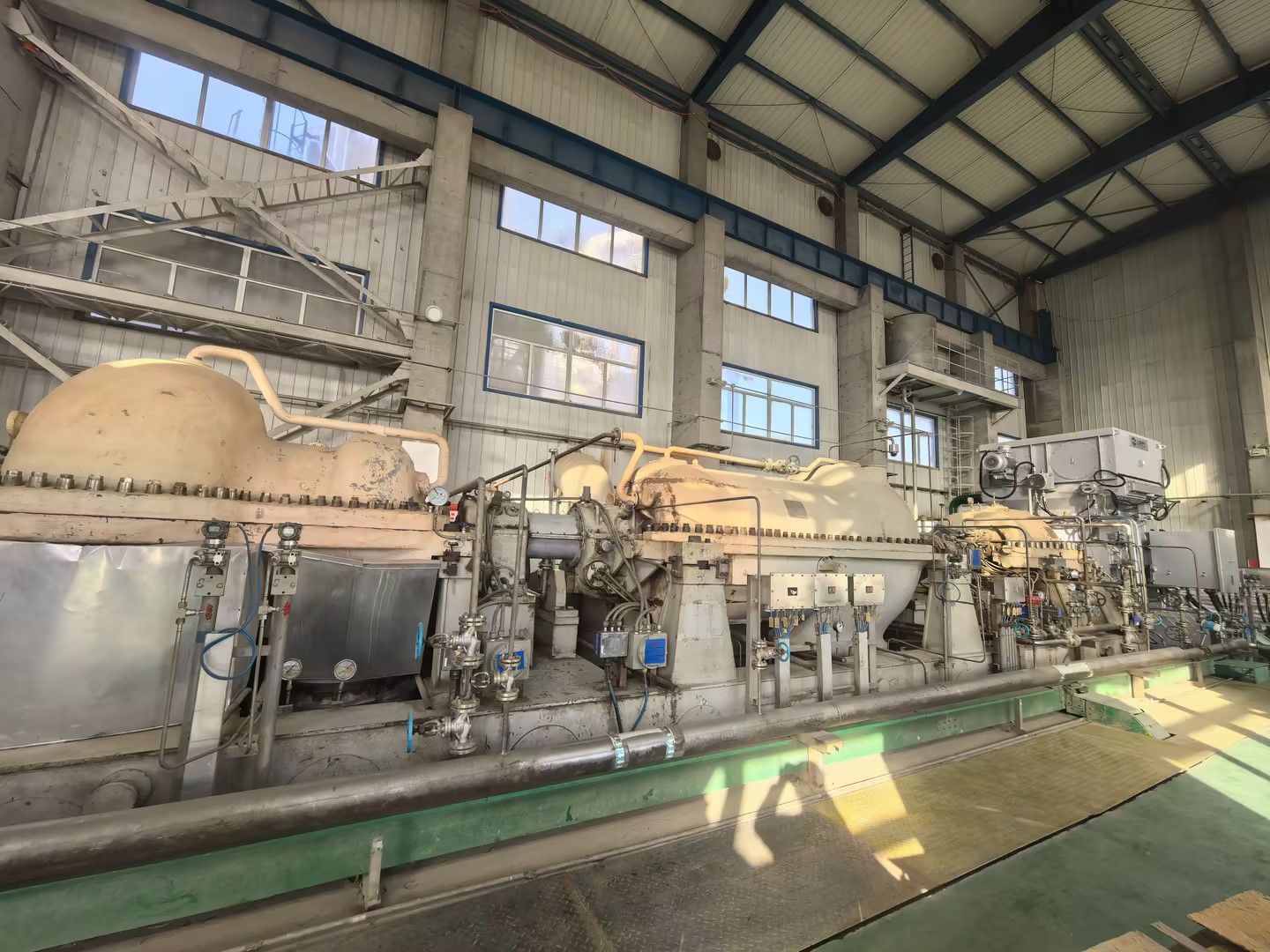
Core Insights - Ningxia Runxia Energy Chemical Co., Ltd. has successfully tested a domestically produced high-speed motor for its 150,000 tons/year nitric acid unit, marking a significant technological breakthrough in the field of nitric acid production in China [1] - The project, contracted by Xi'an Shaangu Power Co., Ltd., demonstrates a replicable and efficient domestic technology path for high-speed motor-driven nitric acid units, contributing to the low-carbon upgrade of China's process industry [1][3] Industry Context - The implementation of the "dual carbon" strategy in China has led to the shutdown or transformation of traditional coal-fired boilers, necessitating a green transition in high-energy-consuming industries [3] - Companies face the choice of either investing heavily in new steam systems or seeking new driving methods, such as the "steam-to-electric" conversion, which offers advantages like reduced equipment, smaller footprint, and higher efficiency [3] Technological Advancements - Shaangu has developed the largest operational "360,000 tons/year high-efficiency wide working condition nitric acid unit" in China, showcasing its leading technology and extensive experience in the field [3][4] - The project involved deep collaborative research and development, addressing challenges such as critical speed matching and control system integration, ensuring high-quality project execution [4][5] Strategic Implications - The successful implementation of the "steam-to-electric" conversion not only represents a breakthrough in domestic production but also positions Shaangu as a leader in defining technological paths and standards for the industry [5] - This shift reflects a broader transformation of the industrial ecosystem, moving from merely providing key equipment to leading the upgrade of the entire supply chain in alignment with national low-carbon industrial goals [5]

南网科研院:改革创新破局,书写新型电力系统建设新篇章
中国能源报· 2025-12-10 08:45
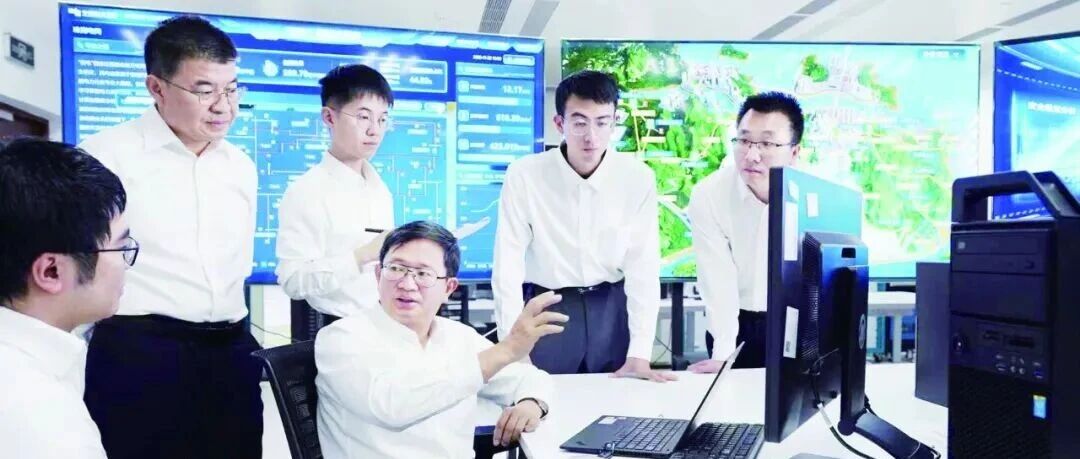
Core Viewpoint - The article emphasizes the role of the Southern Power Grid Research Institute in advancing the construction of a new energy system and a new power system, contributing to China's dual carbon goals and modernization efforts [2]. Group 1: Technological Innovation - The Southern Power Grid Research Institute focuses on key common technologies and core technologies in four categories: critical common technologies, frontier leading technologies, modern engineering technologies, and disruptive technologies, to support the construction of a new power system [4]. - The institute has developed the "Yudian" intelligent simulation model to maximize the utilization of renewable energy and enhance the reliability of power supply, which has received the highest award at the World Artificial Intelligence Conference [5]. Group 2: Industrial Development - The institute promotes the application of system-level and device-level simulation platforms, accelerates the layout of new electrical materials and high-end power equipment, and aims to create a modern industrial system [7]. - It has established a national quality inspection center for new power system equipment, filling a gap in national quality infrastructure and supporting the implementation of the dual carbon strategy in the energy sector [7]. Group 3: Low-Carbon Development - The Southern Power Grid Research Institute leverages digital technology to enhance the observability, measurability, controllability, and adjustability of the new power system, thereby increasing the capacity for clean energy [9]. - The institute has published significant white papers and blueprints on digital grids and new power systems, receiving recognition from national leaders and contributing to the national strategic discourse [9]. Group 4: Talent Development - The institute implements a talent strategy to cultivate high-level strategic scientists and has established a tracking training mechanism for talent development, aiming to enhance its research capabilities [11]. - By 2025, the institute aims to have a robust team of experts, including academicians and recipients of national talent plans, to address challenges in the energy and power technology fields [11].