
量子计算

Search documents
任正非最新讲话!1.4万字全文,信息量很大!
新浪财经· 2025-12-05 10:55
Core Viewpoint - The discussion emphasizes the importance of education and AI in driving future industrial applications, with a focus on collaboration between academia and industry to foster innovation and talent development [2][4][12]. Group 1: AI and Industrial Applications - AI should focus on practical applications in industries such as agriculture and healthcare over the next three to five years, enhancing efficiency and safety [8][9]. - Examples of AI applications include optimizing iron smelting processes, remote coal mining operations, and improving diagnostic capabilities in healthcare through large models [8][9]. Group 2: Education and Talent Development - The need for educational reform is highlighted, advocating for a shift from traditional centralized education to a decentralized model that leverages online resources to improve access for remote areas [10][12]. - The importance of nurturing talent within the country rather than solely relying on imported talent is emphasized, with a call for educational institutions to focus on practical skills and real-world applications [12][26]. Group 3: Collaboration Between Academia and Industry - The dialogue stresses the necessity of collaboration between universities and industries to address the skills gap and enhance the quality of education in technology fields [15][16]. - Companies are encouraged to support educational initiatives that empower students and educators, particularly in underdeveloped regions, to improve their IT capabilities [10][12]. Group 4: Future of Work and AI - The impact of AI on job markets is discussed, with a focus on the need for re-education and skill development for workers displaced by automation [26][27]. - The potential for AI to enhance productivity across various sectors is acknowledged, with a vision for a future where AI applications are ubiquitous in industrial processes [26][27]. Group 5: Global Perspective and Cultural Exchange - The importance of cultural exchange and collaboration with international communities is highlighted, as it fosters innovation and understanding across borders [12][30]. - The role of women in technology and the need to encourage their participation in STEM fields is recognized as vital for future advancements [30].


任正非最新万字访谈,首次揭秘芯片生产“特种部队”
3 6 Ke· 2025-12-05 09:26
Core Insights - Huawei's CEO Ren Zhengfei emphasizes the importance of AI in solving real industrial problems over the next three to five years, highlighting a practical approach to AI development that contrasts with the theoretical focus seen in the U.S. [1] - The discussion reveals a shift in the aspirations of Chinese youth, who are increasingly opting for entrepreneurship over traditional high-paying jobs abroad, indicating a potential surge in innovation and progress in the coming years [1][2] - Ren notes that the future definition of "worker" will evolve, requiring highly educated individuals for advanced manufacturing and chip production roles [2] Group 1: AI and Industrial Applications - Huawei is focusing on applying large models, big data, and computing power to enhance efficiency in various industries, such as optimizing iron production and improving coal mining safety through data-driven methods [5][6] - The company is exploring AI applications in healthcare, such as using large models for pathology analysis to assist doctors in remote areas [6] - Ren predicts an era of surplus computing power, suggesting that the demand for computing resources will become non-linear, potentially disrupting existing technological paradigms [5][25] Group 2: Education and Talent Development - The company has actively recruited and trained graduates from remote areas, providing them with specialized certifications for roles in chip production and precision manufacturing [2][14] - Ren emphasizes the need for educational institutions to focus on innovation and research, while companies should translate these theories into practical applications [11][12] - The importance of nurturing talent within China is highlighted, as the country aims to become a technology powerhouse through its own educational advancements rather than solely relying on imported talent [11][12] Group 3: Global Perspectives and Collaboration - Ren acknowledges the benefits of talent development in the U.S. but stresses that the majority of Chinese companies have not faced sanctions like Huawei, allowing for continued growth and innovation [2][6] - The dialogue with international participants at the ICPC reflects a commitment to fostering global collaboration in technology and education, with Huawei supporting initiatives to elevate programming standards in underdeveloped regions [6][28] - Ren's insights on the differences in AI development focus between the U.S. and China underline the distinct approaches to addressing societal challenges through technology [1][22]
任正非最新发声!谈及人工智能、算力……
Zhong Guo Zheng Quan Bao· 2025-12-05 08:36
Group 1 - The core focus of Huawei is on the application of artificial intelligence (AI) in various industries over the next 3-5 years, particularly in large models, big data, and computing power [1][3] - AI research holds significant importance within Huawei, but the current priority is on communication technology (CT), including radio, optical communication, core networks, and data communication [4] - The company emphasizes that AI's true value requires advanced networking capabilities to avoid information isolation, which would hinder the realization of intelligent systems [4] Group 2 - Huawei is exploring practical applications of AI in sectors like agriculture and industry, such as optimizing blast furnace operations to improve efficiency by 1% through better temperature control and material composition [3] - The company believes that a future of surplus computing power is likely, allowing for the exploration of numerous large models [4] - Regarding quantum computing, Huawei acknowledges the inevitability of breakthroughs in quantum science and expresses interest in acquiring quantum computers once they become available [5]
技术驱动应用创新,报告详解金融科技与数字金融发展
Huan Qiu Wang· 2025-12-05 07:40
【环球网财经报道 记者谭雅文】数字金融浪潮正加速重塑全球金融生态。在人工智能、量子计算等前沿技术驱动下,金融服务模式、风控体系正向智能 化、生态化发展阶段演进。12月4日,"2025中关村论坛系列活动——数字金融与科技金融大会"召开,会上发布的《中国金融科技与数字金融发展报告》 (以下简称《报告》),系统梳理了全球金融科技发展态势,解读了当前发展的核心特征与未来趋势,为行业创新与实践提供了参考。 据了解,此次会议由中关村金融科技产业发展联盟、中关村互联网金融研究院联合主办,中关村国际会展运营管理有限公司、蚂蚁科技集团股份有限公司协 办。会上,中关村互联网金融研究院院长刘勇发布《报告》时表示,中国金融科技市场的整体发展优于预期,人工智能发展从"大模型"迈向AI Agent,量子 科技成为新一轮经济增长点,金融科技出海迈向生态构建与全球价值链重塑新阶段。 金融科技发展回顾 2025年,银行业数字化转型呈现四大特征,即AI驱动的"智慧银行"全面深化、银行数据资产化、全域场景金融与生态融合发展以及产业数字金融与普惠金融 服务创新。《报告》显示,银行业数字化转型投入保持增长态势,2024年国有六大行金融科技投入超125 ...
1.5万字!华为任正非最新发声,信息量巨大!
Sou Hu Cai Jing· 2025-12-05 07:35
Core Insights - The discussion emphasized the importance of education and the role of youth in driving technological advancements, particularly in AI applications over the next three to five years [1][2][3] - The company aims to leverage AI in various industries, including agriculture and healthcare, to enhance efficiency and safety [7][8] - The dialogue highlighted the need for collaboration between academia and industry to foster talent and innovation in technology [11][12] Group 1: AI and Industry Applications - The company is focusing on practical applications of AI in sectors such as industrial production, healthcare diagnostics, and autonomous operations in mining and logistics [7][8][19] - AI is expected to significantly improve operational efficiency, with examples including optimizing furnace temperatures in steel production and enhancing safety in coal mining through remote monitoring [7][8] - The company is exploring the use of AI in automating processes in ports and railways, aiming to streamline operations and improve safety [19][20] Group 2: Education and Talent Development - The discussion underscored the necessity of enhancing educational frameworks to cultivate homegrown talent in technology, rather than solely relying on imported expertise [11][12] - The company supports initiatives that provide training and resources to underdeveloped regions to elevate their IT capabilities [8][9] - Emphasis was placed on the shift from traditional education models to more decentralized, online learning approaches that can reach remote areas [9][10] Group 3: Future of AI and Technology - The company anticipates a future where AI will play a crucial role in various sectors, with a focus on practical applications rather than theoretical advancements [23][24] - There is a recognition that while AI will automate many tasks, it will also necessitate re-education and reskilling of the workforce to adapt to new roles [24][25] - The company is committed to exploring the potential of quantum computing and its implications for AI, although it acknowledges that this is a long-term endeavor [34][35]

任正非最新发声
中国基金报· 2025-12-05 07:08
Core Insights - The discussion emphasizes the importance of youth and their role in shaping the future, particularly in the context of rapid technological changes and the challenges posed by AI [5][6][10] - The company is focused on applying AI and big data in various industries, including agriculture and healthcare, to enhance efficiency and safety [7][8][10] - The conversation highlights the need for educational reform to cultivate talent domestically rather than relying solely on imported expertise [11][12][13] Group 1: AI and Technological Advancements - AI is seen as a transformative force that will significantly impact productivity in the next three to five years, with applications in various sectors such as mining and healthcare [10][26] - The company is exploring the use of AI in optimizing industrial processes, such as improving the efficiency of blast furnaces and automating mining operations [7][8] - The discussion includes the potential of AI in enhancing diagnostic capabilities in healthcare, showcasing successful applications in hospitals [8][10] Group 2: Education and Talent Development - The need for educational institutions to adapt to the demands of the AI era is emphasized, with a focus on teaching practical skills rather than just theoretical knowledge [11][12] - The company supports initiatives that aim to elevate the programming skills of students in underdeveloped regions, promoting a "teach to fish" approach [8][11] - The importance of collaboration between academia and industry is highlighted as essential for fostering innovation and developing a skilled workforce [11][12][13] Group 3: Global Collaboration and Cultural Exchange - The conversation underscores the significance of international collaboration in technology and education, with a call for more engagement with global talent [14][31] - The company expresses a desire to connect with diverse cultures and share knowledge, recognizing the value of different perspectives in driving innovation [14][31] - The role of women in technology is acknowledged, with encouragement for increased participation in STEM fields [28][29]

关于AI发展与人才培养,任正非最新分享 | 大家谈
高毅资产管理· 2025-12-05 07:04
Core Viewpoint - The focus should be on the application of AI rather than just its invention, with expectations of significant productivity improvements in the next three to five years [2][10]. Group 1: AI Development and Application - Ren Zhengfei emphasizes the importance of focusing on AI applications across various industries, suggesting that concerns about insufficient computing power are misplaced as future developments will likely lead to surplus computing resources [2][24]. - The company is exploring the use of large models and big data in sectors like agriculture and industry, with examples including optimizing iron production and automating mining operations [6][8]. - AI is already being applied in healthcare, with models improving diagnostic capabilities in hospitals and remote areas [7][8]. Group 2: Youth and Talent Development - The company sees hope in the youth, encouraging them to pursue high aspirations and contribute to society, regardless of their chosen paths [2][15]. - There is a call for educational reforms to cultivate talent domestically rather than relying solely on imported expertise, highlighting the need for a strong educational foundation to support technological advancement [11][12]. - The company supports initiatives that help underprivileged regions improve their IT skills, emphasizing the importance of teaching practical skills rather than merely providing resources [9]. Group 3: Future of Work and Education - The transition from traditional education models to more decentralized, online learning environments is seen as beneficial for societal progress, allowing access to quality education from remote areas [9][34]. - The company acknowledges the potential impact of AI on job markets, advocating for re-education programs to help displaced workers transition into new roles as automation increases [22][23]. - There is a recognition that while AI will automate many tasks, the focus should remain on how to effectively apply AI to enhance productivity and societal benefits [31]. Group 4: International Collaboration and Innovation - The company values international collaboration, recognizing the contributions of various countries to technological advancements and the importance of sharing knowledge [28][29]. - There is an emphasis on the need for practical challenges in competitions to align with real-world applications, fostering a connection between academia and industry [27]. - The company is open to expanding its presence in regions like Romania, indicating a commitment to fostering local innovation and collaboration [29].
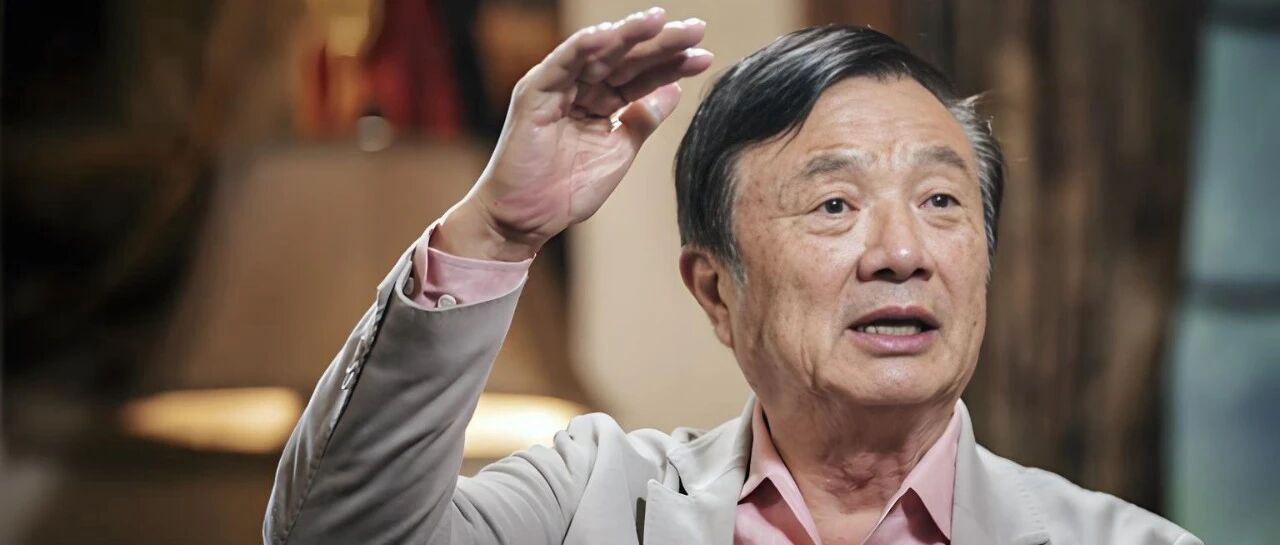
1.4万字!华为任正非最新讲话
半导体行业观察· 2025-12-05 06:22
他还拿小鹏机器人举例,"发布会当场剪开外皮,里面全是'钢铁'",这种敢闯敢试的劲头,正是未来的 样子。 谈及当下火热的AI,任正非的观点很明确:别盯着"发明",要盯着"应用"。 "AI发明顶多成就一家IT公 司,应用却能强大一个国家。"他算了笔账,洗煤精度提高0.1%,乘以中国40亿吨的煤炭产量,价值惊 人;高炉炼铁效率提升1%,省下的燃料更是难以计数。 来源:内容来自第一财经,作者:李娜,谢谢。 近日,华为创始人任正非在位于上海的华为练秋湖研发中心与ICPC全球优胜者及教练座谈,围绕AI未 来、教育本质与青年成长展开对话。 他认为,当前处于快速变动的时代,年轻人放射着青春光芒,是同辈人的榜样,时代的希望寄托在青年 人身上。对于青年发展,任正非指出,每个人人生道路不同,有人"摸高"探索前沿,有人"摸低"扎根基 础,都是对社会的贡献。 他格外鼓励有能力的青年:"你能摸高,就不要去摸低,就不要走商业化的道路,你总有一天能摸到真 理。有一天你爬高爬不上去了,就从'喜马拉雅'往下走,沿途都可以'生蛋',你绝对是好汉,从高往低 打是容易的"。 如今中国青年的状态,让他看到了希望。"Meta给几个青年人每个人上亿美元的签 ...

任正非最新讲话,万字全文来了
Shang Hai Zheng Quan Bao· 2025-12-05 05:25
Core Viewpoint - The discussion emphasizes the importance of focusing on the application of AI rather than merely its invention, highlighting that AI will drive productivity improvements that can be realized in three to five years [1][9]. Group 1: AI and Its Applications - Ren Zhengfei believes that AI will lead to significant advancements in productivity, with tangible benefits expected in three to five years [1][9]. - The company is focusing on practical applications of AI in various sectors, including agriculture and industry, such as optimizing iron production and enhancing safety in coal mining through data collection and remote operations [6][9]. - AI is seen as a tool to improve efficiency in various processes, including automated operations in ports and mining, which can significantly enhance productivity [6][9]. Group 2: Talent Development and Education - The company stresses the need for nurturing talent in AI and technology, advocating for educational reforms that focus on practical skills rather than solely theoretical knowledge [10][12]. - There is a call for collaboration between educational institutions and industries to better prepare students for the demands of the AI era, emphasizing the importance of teaching practical skills [10][12]. - The company recognizes the role of youth in driving innovation and modernization, asserting that young people are the backbone of China's progress towards modernization [1][15]. Group 3: Future of AI and Industry - The discussion highlights the rapid evolution of AI technology and its implications for various industries, suggesting that the future will see increased automation and efficiency across sectors [21][23]. - The company acknowledges the challenges posed by AI, including potential job displacement, and emphasizes the need for re-education and skill development to adapt to these changes [22][23]. - There is a recognition that while AI will transform industries, the focus should remain on practical applications that can enhance productivity and societal benefits [32][33].
“上帝没有给我回到20岁的通行证” !华为任正非最新发声:AI重在“用”,未来希望在青年
Sou Hu Cai Jing· 2025-12-05 05:04
Core Insights - The discussion emphasized the importance of education and its distinction from business, highlighting that AI should focus on practical applications in industries over the next three to five years [1][10][12] - The company believes that the future will see an abundance of computing power, allowing for the exploration of numerous large models [6][22] - The dialogue also pointed out the necessity for collaboration between academia and industry to foster talent and innovation [10][13] Group 1: AI and Industry Applications - The company is focusing on applying large models, big data, and computing power in various sectors such as agriculture, healthcare, and industrial processes [5][6] - Examples of AI applications include optimizing iron production processes and enhancing safety in mining operations through remote monitoring [6][9] - The company is also leveraging AI in healthcare, such as using large models for pathology analysis to improve diagnostic capabilities [6][9] Group 2: Education and Talent Development - The company recognizes the need for educational reforms to cultivate talent in technology and AI, emphasizing the importance of teaching practical skills rather than merely theoretical knowledge [10][12] - There is a call for increased support for underdeveloped regions to improve their IT capabilities, enabling them to participate in the AI revolution [7][10] - The shift from traditional education models to more decentralized, online learning platforms is seen as beneficial for reaching remote areas [8][10] Group 3: Future of AI and Technology - The company anticipates that AI will significantly enhance productivity across various industries within the next three to five years [8][20] - There is a recognition that while AI will automate many tasks, it will also create new opportunities for re-education and skill development for displaced workers [21][22] - The company is committed to exploring the potential of quantum computing and its implications for future technological advancements [33][34]