外汇储备

Search documents
中国台湾称4月份进场调节汇市;4月外汇储备升至5,828.3亿美元
news flash· 2025-05-06 08:23
中国台湾称4月份进场调节汇市;4月外汇储备升至5,828.3亿美元。 ...
5月6日电,瑞士央行行长称,加密货币价格波动太大,无法作为外汇储备来保值。
news flash· 2025-05-06 07:50
智通财经5月6日电,瑞士央行行长称,加密货币价格波动太大,无法作为外汇储备来保值。 ...
台湾如何成为美债大玩家
2025-05-06 02:29
Summary of Key Points from the Conference Call Industry Overview - The focus of the conference call is on Taiwan's position in the global bond market, particularly its significant investments in US bonds and the implications for its economy and financial stability [2][3][5]. Core Insights and Arguments - Taiwan has invested approximately $1.7 trillion in foreign exchange reserves, primarily in US bonds, which is over 200% of its GDP and significantly larger than its domestic bond market [3][4]. - This investment has positioned Taiwan as a major, yet underappreciated, player in the global fixed income market [5]. - The accumulation of foreign assets has created a situation where Taiwan faces financial stability risks, particularly due to its reliance on US dollar-denominated assets [7][8]. - Taiwan's current account surplus has been substantial, reaching double digits in 2014 and continuing to grow, which has contributed to its foreign investment strategy [10][13]. - The Taiwanese life insurance industry has played a crucial role in managing the country's foreign currency reserves by investing in US dollar assets, leading to a significant increase in their size [15][18]. Financial Risks and Challenges - There is a notable currency mismatch, with over 40% of the life insurers' portfolios in US dollars while their liabilities are primarily in Taiwanese dollars, exposing them to potential losses if the US dollar depreciates [24][25]. - The cost of hedging against foreign exchange exposure has increased, particularly as the Federal Reserve raised interest rates faster than the Taiwanese central bank [26][31]. - The Taiwanese insurance industry is also vulnerable to interest rate risks, as rising US rates can lead to substantial mark-to-market losses on their bond portfolios [27][35]. - Regulatory measures have allowed insurers to hold foreign bonds at historical costs, but this has left them exposed to future market shocks [38][39]. Additional Considerations - The interconnectedness of Taiwan's financial system with the US means that any significant changes in the US economy could have direct repercussions on Taiwan [40][45]. - The reliance on the central bank for hedging and the potential for a significant appreciation of the Taiwanese dollar poses a risk to the solvency of the life insurance sector [41][42]. - The overall financial strategy of Taiwan's life insurance industry appears to be a risky bet, particularly in light of changing US Treasury policies and potential shifts in trade relations [42][44]. This summary encapsulates the critical aspects of Taiwan's bond market dynamics, the role of its life insurance industry, and the associated financial risks, providing a comprehensive overview of the current situation and potential future challenges.
巴基斯坦央行:预计到2025年6月,巴基斯坦央行的外汇储备将增加至140亿美元。
news flash· 2025-05-05 11:08
巴基斯坦央行:预计到2025年6月,巴基斯坦央行的外汇储备将增加至140亿美元。 ...
印度央行:截至2025年3月底,黄金在外汇储备中的比重从2024年9月底的9.32%上升至11.7%。
news flash· 2025-05-05 10:42
印度央行:截至2025年3月底,黄金在外汇储备中的比重从2024年9月底的9.32%上升至11.7%。 ...
穆迪:印巴紧张局势持续升级可能损害巴基斯坦获得外部融资的渠道,并对其外汇储备构成压力。
news flash· 2025-05-05 08:40
Group 1 - The core viewpoint is that the escalating tensions between India and Pakistan may hinder Pakistan's access to external financing channels and put pressure on its foreign exchange reserves [1]
下周重要事件与数据预告——中国外储、贸易帐、CPI数据,英美央行利率决议
news flash· 2025-05-04 13:09
下周重要事件与数据预告——中国外储、贸易帐、CPI数据,英美央行利率决议 1. 周一:①数据:欧元区5月Sentix投资者信心指数,美国4月标普全球服务业PMI终值,美国4月ISM非 制造业PMI;②沙特阿美在每月5日左右公布官方原油售价;③中日韩英股市休市。 2. 周二:①数据:中国4月财新服务业PMI,法国3月工业产出月率,法德英和欧元区服务业PMI终值, 欧元区3月PPI月率,美国3月贸易帐,美国4月全球供应链压力指数;②欧洲央行举行中央银行论坛,至 5月7日;③日韩股市休市;④德国新政府就职;⑤美股盘后财报: AMD、Lucid。 3. 周三:①数据:美国API原油库存和EIA原油库存,法国3月贸易帐,欧元区3月零售销售月率,中国4 月外汇储备(待确定);②EIA公布月度短期能源展望报告;③选举梵蒂冈新教皇的枢机秘密会议开 始;④美国身份证件新规实施;⑤美股盘后财报:迪士尼、Arm、西方石油。 4. 周四:①数据:德国3月季调后工业产出月率,英国4月Halifax季调后房价指数月率,美国初请失业金 人数,美国3月批发销售月率,美国4月纽约联储1年通胀预期;②美联储公布利率决议;③英国央行公 布利率决议 ...
日本财务大臣加藤胜信:日本持有大量美国国债作为外汇储备的一部分,这是事实,尽管这是为了有足够的资金在需要时进行外汇干预。
news flash· 2025-05-01 21:38
Core Viewpoint - Japan holds a significant amount of US Treasury bonds as part of its foreign exchange reserves, which is intended to ensure sufficient funds for foreign exchange interventions when necessary [1] Group 1 - Japan's Finance Minister, Kato Katsunobu, confirmed the country's substantial holdings of US Treasury bonds [1] - The purpose of holding these bonds is to maintain adequate funds for potential foreign exchange interventions [1]
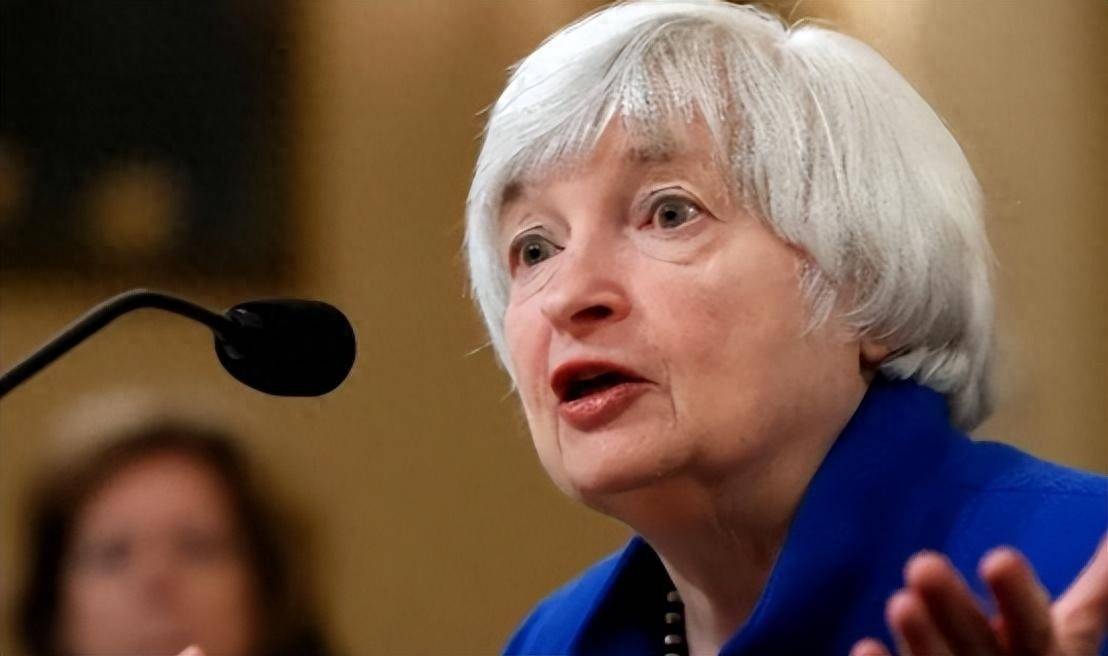
还剩3万多亿储备,央行停购黄金,耶伦希望中方克制,美元已变强
Sou Hu Cai Jing· 2025-05-01 12:36
Group 1 - China has maintained its position as the largest holder of foreign exchange reserves for nearly 20 years, while the US has been increasing its debt and engaging in financial warfare against countries holding US dollars [1][19] - The US is attempting to strengthen the dollar by raising interest rates, which could lead to economic stagnation if not managed properly [3][11] - Other countries, such as Japan and South Korea, are also affected by US monetary policies, with Japan providing significant financial support to the US despite the risks involved [7][9] Group 2 - China is strategically reducing its foreign exchange reserves and has stopped purchasing gold to counteract US financial maneuvers [1][9] - The US's approach to increasing interest rates is seen as a double-edged sword, potentially leading to financial crises in smaller nations while temporarily stabilizing its own economy [5][16] - The financial conflict is characterized as a battle of interests, with the US trying to alleviate domestic inflation through external financial pressure [11][16] Group 3 - The US's financial strategies are perceived as attempts to pressure China, reflecting a broader geopolitical struggle [19][21] - China's economic resilience is highlighted by its substantial foreign exchange reserves and gold holdings, which provide a buffer against external shocks [23][25] - The current global economic landscape is marked by China's growing influence and the need for cooperative relationships among nations to mitigate unilateral pressures [23][25]