
经济制裁

Search documents
一线观察丨美国航母逼近 委内瑞拉民众:我们热爱和平 但谁来都不怕
Xin Hua She· 2025-11-19 00:51
Group 1 - The U.S. has deployed multiple warships near Venezuela under the pretext of anti-drug operations, claiming to have sunk at least 21 alleged drug trafficking vessels since early September, resulting in at least 83 deaths [1] - The Venezuelan government has accused the U.S. of attempting to instigate regime change through military threats and expanding its military presence in Latin America [1] - President Maduro has called for the mobilization of citizens, military, and police to oppose U.S. military threats, with over 8 million people reportedly joining militia or reserve forces since late August [1] Group 2 - Local residents, including those who have joined the militia, express a strong willingness to defend their country, with some stating they are prepared to sacrifice their lives if necessary [2] - Despite the economic challenges posed by U.S. sanctions and military threats, essential goods such as meat, eggs, and milk remain sufficiently supplied and prices stable [2][3] - The economic impact of U.S. sanctions since 2018 has been more detrimental than the recent military presence, with increased repair costs for imported equipment now nearly three times higher than before the sanctions [3]
加拿大宣布:对俄实施新一轮制裁!
中国能源报· 2025-11-13 07:34
Core Points - Canada has announced a new round of sanctions against Russia, marking the first time that network infrastructure suppliers have been included in the sanctions list [1] - The sanctions target 13 individuals and 11 entities, aiming to weaken Russia's military capabilities while also impacting its energy revenue and financial supporters [1] - The sanctions align with recent measures announced by the United States, European Union, and the United Kingdom, as part of a coordinated effort by the G7 to apply economic pressure on Russia [1] Summary by Sections - **Sanctions Overview** - Canada has implemented sanctions against Russian network infrastructure suppliers for the first time [1] - The sanctions include 13 individuals and 11 entities [1] - **Objectives of Sanctions** - The primary goal is to diminish Russia's military capabilities [1] - The sanctions also aim to disrupt Russia's energy revenue and financial support systems [1] - **International Coordination** - The sanctions are consistent with recent actions taken by the United States, EU, and UK [1] - The G7 foreign ministers reiterated the urgent need for an immediate ceasefire in the Ukraine crisis during their meeting [1]

俄罗斯:实施制裁!
中国基金报· 2025-11-02 00:48
Group 1 - Russia has imposed sanctions on several Ukrainian officials, including Prime Minister Shmyhal and Finance Minister Marchenko, as part of ongoing economic measures [2] - The sanctions were enacted under a presidential decree from October 2018, which aimed to respond to Ukraine's unfriendly actions against Russian citizens and entities [2] - The sanctions include freezing assets within Russia and prohibiting the import of goods produced and sold by the sanctioned individuals [2]
普京可能不得不停战了!最大财源被切断,再想打也没钱了
Sou Hu Cai Jing· 2025-10-31 10:11
Core Points - Recent sanctions from Western countries against Russia, particularly targeting its oil and gas industry, have intensified, with significant implications for the Russian economy [1][3][5] - The sanctions aim to cut off funding for Russia's military operations, as oil and gas exports are crucial for its foreign exchange income [1][5] - The economic impact of these sanctions is expected to lead to a sharp decline in Russia's foreign reserves and overall revenue [1][3] Sanctions Overview - The U.S. imposed sanctions on major Russian oil companies, Rosneft and Lukoil, which account for over half of Russia's crude oil exports [1] - The EU's 19th round of sanctions includes a ban on Russian liquefied natural gas starting January 2027 and a price cap on Russian oil set at $47.6 per barrel [1][5] - Financial transaction bans have expanded to include cryptocurrency platforms, further isolating Russia economically [1][5] Economic Consequences - Russia's reliance on energy exports has made it vulnerable, with major buyers like India and China hesitating to purchase due to risks associated with dollar settlements [1][3] - The sanctions have led to a significant drop in Russia's foreign exchange reserves and a projected sharp decrease in income [1][5] - Domestic fuel shortages have arisen due to drone attacks on refineries, compounding the decline in export volumes [3] Military and Strategic Responses - President Putin has acknowledged the potential economic losses from sanctions while threatening severe responses to continued U.S. military support for Ukraine [3][5] - Despite military aggression, Russia's economic position is weakening, with military supply chains disrupted and operational capabilities hampered [5][7] Future Outlook - The sanctions are expected to have long-term effects, with Russia needing to diversify its economy to withstand future sanctions [9] - The ongoing economic pressure may lead to a reconsideration of military strategies and a potential push towards negotiations for a ceasefire [7][9] - The geopolitical landscape remains complex, with Russia's relationships with countries like China and India becoming increasingly important, albeit revealing its economic vulnerabilities [7][9]
这一次的俄罗斯,狠狠地给中国上了一课!
Sou Hu Cai Jing· 2025-10-29 06:37
Core Viewpoint - Recent fluctuations in international oil prices are attributed to new sanctions targeting Russia's energy sector, with Brent crude oil prices surging nearly 6% [1] Group 1: Sanctions Overview - Since the outbreak of the Russia-Ukraine conflict, Western sanctions have escalated, impacting various sectors including finance and energy, with over 30,000 sanctions imposed by October 2025 [3][5] - The initial focus of sanctions was on the financial sector, leading to significant disruptions in trade and a sharp decline in the ruble's value [3][5] - The latest round of sanctions, effective October 22, 2025, included 117 new entities and vessels, directly targeting major Russian oil companies [6] Group 2: Impact on Russian Economy - The energy sector is a critical weakness for the Russian economy, with oil and gas revenues constituting nearly 40% of GDP, and a 23% year-on-year decline in oil and gas income reported in September 2023 [8][10] - The sanctions have led to a significant reduction in oil production and an increase in unemployment from 3% in 2023 to approximately 5% by 2025 [11] - Despite a projected GDP growth of 3.6% in 2023, the forecast for 2025 has been downgraded to 0.9%, indicating a slowdown in economic activity [10] Group 3: Broader Economic Consequences - The sanctions have caused a ripple effect across various industries, with financial disruptions leading to inflation rates stabilizing above 8% and essential goods prices doubling [11] - The Russian economy has been forced to pivot towards Asian markets, but high shipping costs and discounts have eroded profits [11] - The overall impact of sanctions is likened to a chronic condition, gradually undermining economic vitality and increasing hardship for the populace [11][12] Group 4: Lessons and Future Outlook - The experience of Russia over the past three years highlights the risks of over-reliance on a single economic strategy, emphasizing the need for self-sufficiency [12][14] - In contrast, China has developed a robust industrial chain and diversified energy supply strategies, positioning itself to withstand potential sanctions [12][14]
俄两大石油巨头遭封杀!俄核威慑背后是经济困局,谁能笑到最后?
Sou Hu Cai Jing· 2025-10-28 16:35
Group 1: Economic Sanctions and Impact on Russia - The US and EU have imposed unprecedented sanctions on Russian oil companies, targeting half of Russia's crude oil exports, and have banned liquefied natural gas imports from Russia [1] - The price cap on Russian oil is set at $47.6 per barrel, significantly reducing profit margins for Russian oil sales [1][6] - Russia's attempts to redirect energy exports to countries like India and China are hindered by a diversified global energy market, which cannot fully absorb the volumes previously exported to the West [6] Group 2: Military and Strategic Responses - Russia's military response includes nuclear drills and warnings against US arms supplies to Ukraine, indicating a show of nuclear deterrence [3][12] - The effectiveness of nuclear deterrence is questioned, as both the US and Russia possess mutual assured destruction capabilities, limiting the likelihood of direct conflict [3] - Historical precedents suggest that major powers may avoid direct confrontation, opting instead for conventional or proxy warfare [3] Group 3: Future Scenarios and Political Dynamics - A potential ceasefire may emerge as Russia recognizes its inability to sustain a long-term economic and technological competition with the West [8] - The geopolitical landscape may shift, allowing Russia to balance relations with both the West and non-Western countries like China, depending on the evolving strategic needs of the US [8][12] - The ongoing sanctions highlight the importance of economic strength and technological independence for national security, as Russia's reliance on energy exports exposes its vulnerabilities [14]
津巴布韦敦促西方国家解除制裁
Xin Hua Wang· 2025-10-26 02:12
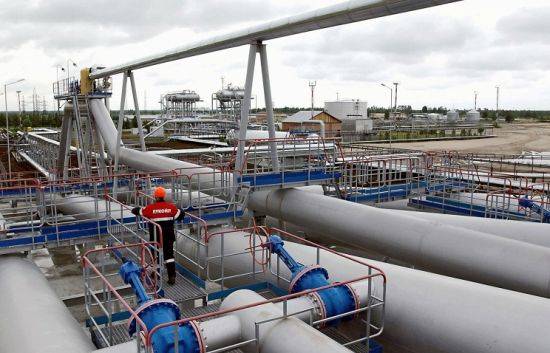
Core Points - The Southern African Development Community (SADC) observes October 25 as "Anti-Sanctions Day," with Zimbabwe's President Mnangagwa urging Western nations to lift sanctions unconditionally [1] - Mnangagwa highlighted that sanctions hinder Zimbabwe's access to international credit resources, essential for sustainable economic development [1] - Despite challenges from sanctions and climate change, Zimbabwe's economy is reportedly maintaining a positive growth trajectory [1] - The historical context of land reform in Zimbabwe, which began in 2000, led to prolonged economic sanctions from Western countries [1] - The SADC established October 25 as "Anti-Sanctions Day" in 2019 to raise awareness about the impact of these sanctions [1] Additional Context - In March 2024, then-President Biden signed an executive order to terminate over 20 years of U.S. sanctions against Zimbabwe, while simultaneously imposing sanctions on 11 individuals and 3 entities, including President Mnangagwa [2]
【环球财经】津巴布韦敦促西方国家解除制裁
Xin Hua She· 2025-10-26 02:03
Core Points - The President of Zimbabwe, Emmerson Mnangagwa, called for the unconditional lifting of sanctions imposed by Western countries during the Southern African Development Community (SADC) Anti-Sanctions Day on October 25 [1] - Mnangagwa emphasized that the sanctions hinder Zimbabwe's access to international credit resources, which is essential for sustainable economic development [1] - Despite the challenges posed by sanctions and climate change, Zimbabwe's economy is reportedly maintaining a positive growth trajectory [1] Group 1 - The SADC Anti-Sanctions Day was established in 2019 to protest against the long-standing economic sanctions on Zimbabwe, which have been in place for over 20 years due to land reform policies [1] - Mnangagwa reiterated Zimbabwe's commitment to multilateralism and international cooperation, aiming for global peace, security, and equitable development [1] Group 2 - In March 2024, then-President Biden signed an executive order to terminate over 20 years of sanctions against Zimbabwe, while simultaneously imposing sanctions on 11 individuals and 3 entities, including President Mnangagwa [2]
欧盟制裁越来越狠!俄罗斯能源出口被掐脖子,外交官也被严控
Sou Hu Cai Jing· 2025-10-25 07:34
Group 1 - The European Union (EU) has officially approved the 19th round of sanctions against Russia, primarily targeting its energy export revenues to weaken Moscow's financial resources [1][3] - The new sanctions include an import ban on Russian liquefied natural gas, with the implementation date moved up to early 2027 from the original 2028 [3][9] - The sanctions also blacklist 117 vessels from Russia's "shadow fleet," which have been used to circumvent Western-imposed oil price caps, making it more difficult for Russia to sell oil secretly [5][9] Group 2 - The EU has increased control over Russian diplomatic personnel in Europe, requiring them to report travel plans to their host countries due to concerns about potential espionage activities [7][9] - The sanctions aim to pressure Russia into ceasing military actions by targeting its significant energy revenue, which constitutes a large portion of its fiscal income [9][12] - The sanctions also include measures against four Chinese oil companies, marking the first time major Chinese refineries and traders have been included in such sanctions, which has drawn strong opposition from China [12][13] Group 3 - The EU's commitment to sanctions reflects a growing distance in its geopolitical stance towards Russia, testing the unity among member states, especially those heavily reliant on Russian energy like Hungary and Slovakia [13][14] - Despite the sanctions, Russia has been finding ways to evade them through third-party trade and alternative financial systems, indicating that the sanctions may not be as effective as anticipated [16][18] - The EU's long-term strategy involves diversifying its energy sources, but this transition requires time and investment, posing challenges for the European economy and public sentiment [18]
美欧宣布新制裁,普京表态
Zhong Guo Zheng Quan Bao· 2025-10-24 06:18
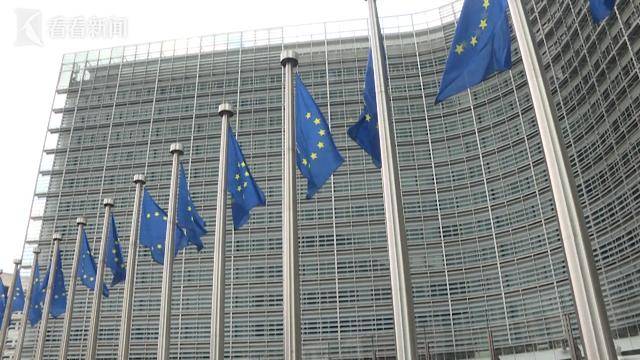
Group 1 - The United States has announced new sanctions targeting Russia's two largest oil companies, urging an immediate ceasefire between Russia and Ukraine [1][3] - The sanctions are aimed at state-owned Rosneft and private company Lukoil, which together account for nearly 50% of Russia's total crude oil exports [4] - The European Union has reached an agreement on a new round of sanctions against Russia, which includes a ban on Russian liquefied natural gas and a price cap on Russian oil set at $47.6 per barrel [4] Group 2 - Russian President Putin stated that the new sanctions are unfriendly and will not significantly impact the Russian economy [2] - The Russian Foreign Ministry spokesperson indicated that Russia has developed immunity to sanctions and will continue to develop its economic and political potential despite them [2] - The sanctions are expected to have negative effects on the EU and global economy, as per Russian officials [2]